- All Foundries

- Commodity Management & Trading

- Customer & Marketing Strategy

- Digital Engineering

- Station Studio

- Supply Chain & Industry 5.0
- Sustainability

- Physical AI

- Next-Gen Infrastructure







From Physical to Integrated Trading
Sharing data.
Aligning decisions.
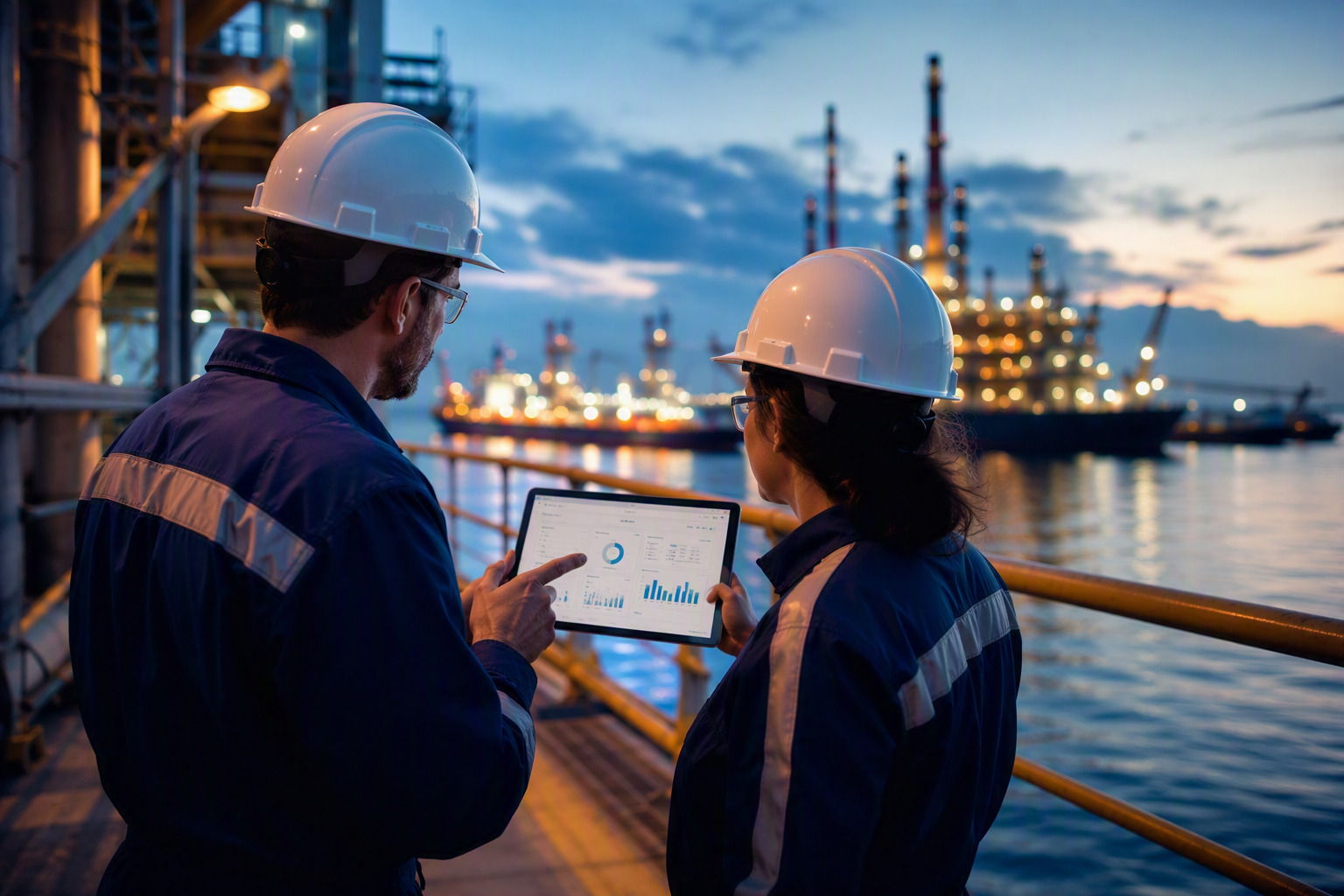
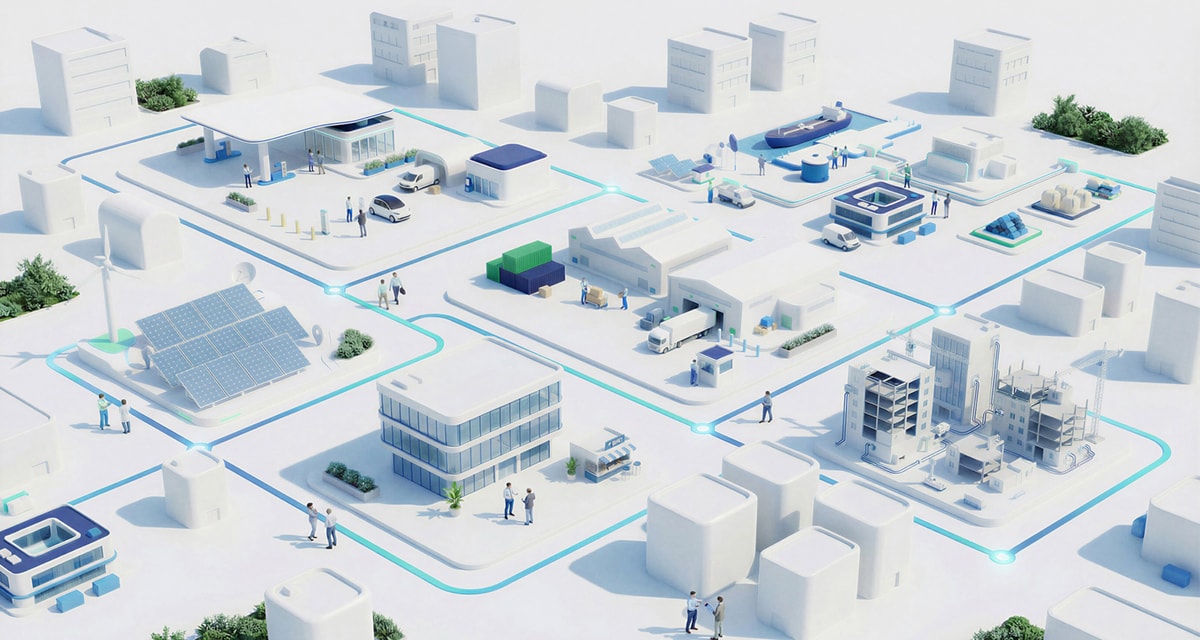
The best approach is to integrate trading and physical operations into a single operating modele.

A consolidated perspective of positions, logistics and constraints enables better coordination across teams.
Closer interaction between trading and operations ensures strategies are effectively implemented.
Better visibility on storage, routing and timing allows optimization of logistics and infrastructure.
Faster and more informed decisions improve the ability to identify and execute trading opportunities.
How NTT DATA helps
Connect trading platforms with shipping, storage and scheduling systems.
This provides a consolidated view of positions and operational constraints.

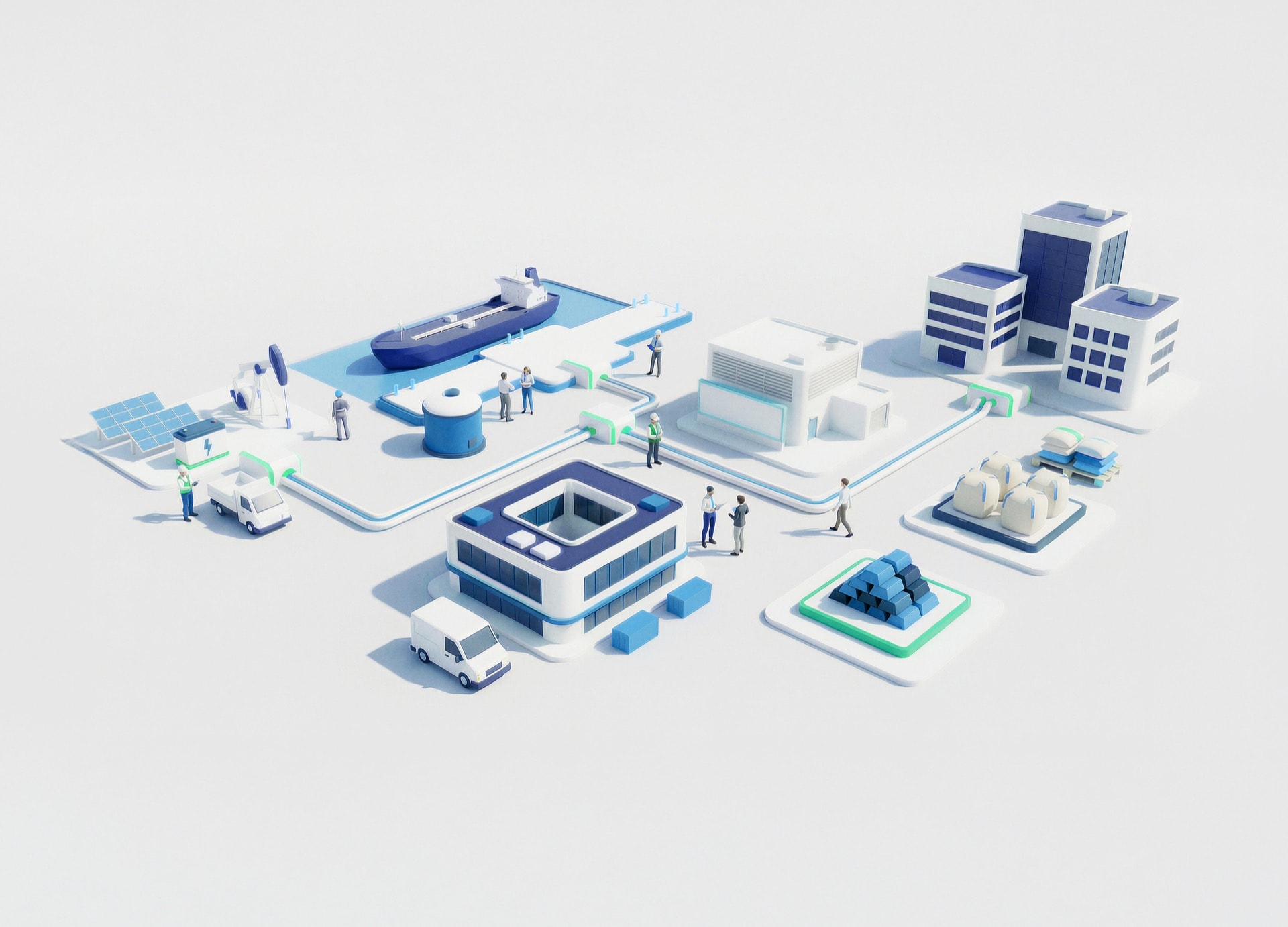
Create a unified view across the full value chain.
This ensures alignment between all teams involved in trading and execution.
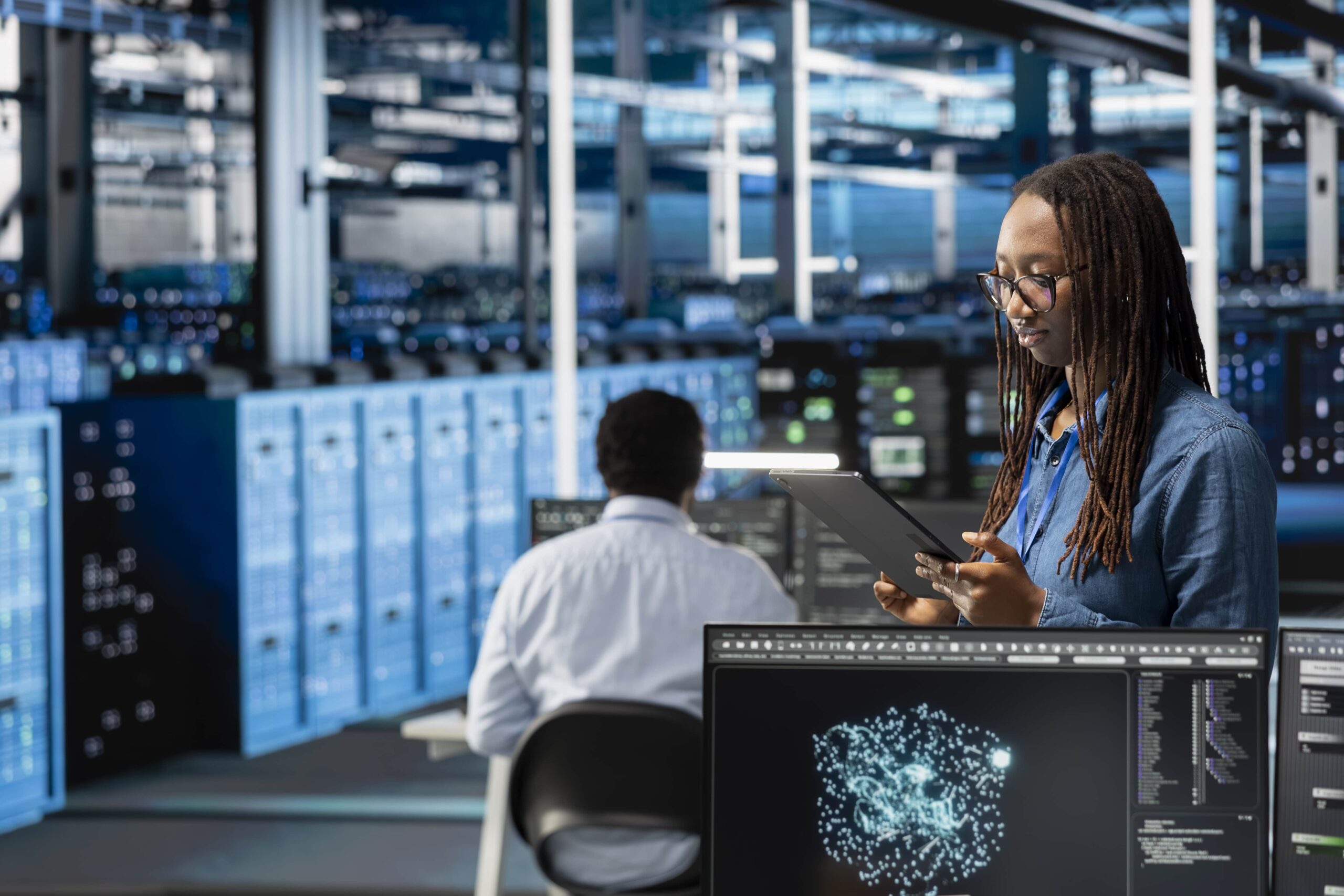
Integrate data from vessels, terminals and infrastructure in real time.
This allows traders to incorporate operational constraints into decisions.
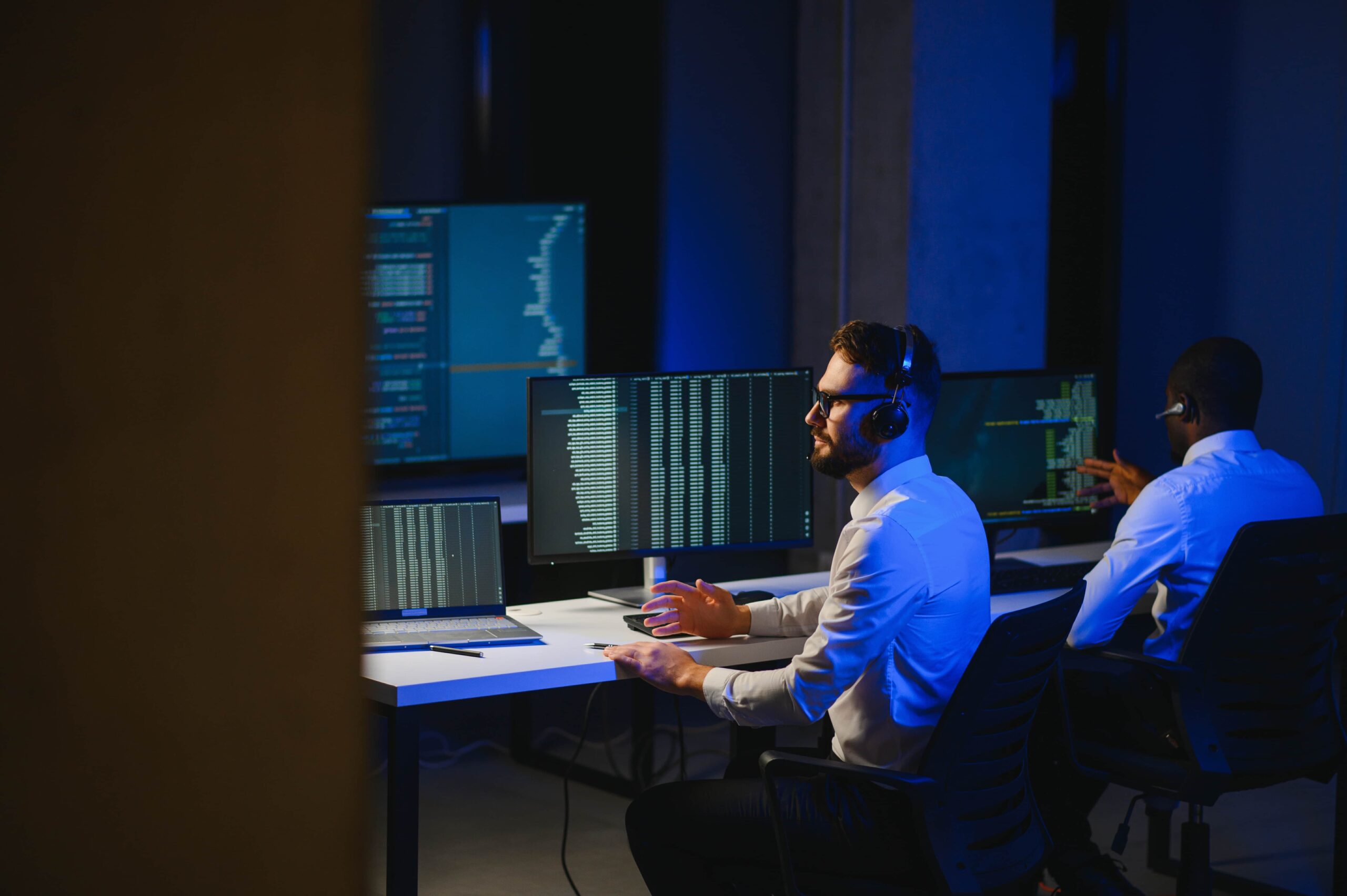
Simulate alternative routes, storage strategies and timing decisions.
This helps optimize margins and reduce operational risks.

Monitor performance across trading and operations.
This enables identification of inefficiencies and improvement opportunities.

Automate communication between trading and operations teams.
This improves execution speed and alignment with strategy.


Up to 5–10% margin uplift, driven by better use of logistics optionality and improved arbitrage capture.
10–20% reduction in logistics and execution costs, through optimized routing, storage and scheduling decisions.
Improved coordination between trading and operations, reducing execution gaps and delays.
Stronger alignment between market strategy and physical execution across the value chain.