- All Foundries

- 商品管理と取引

- 顧客とマーケティング戦略

- デジタルエンジニアリング

- ステーション・スタジオ

- サプライチェーン&インダストリー5.0
- サステナビリティ

- Physical AI

- Next-Gen Infrastructure



An AI-Based Approach to the Design and Operational Improvement of Utility Networks
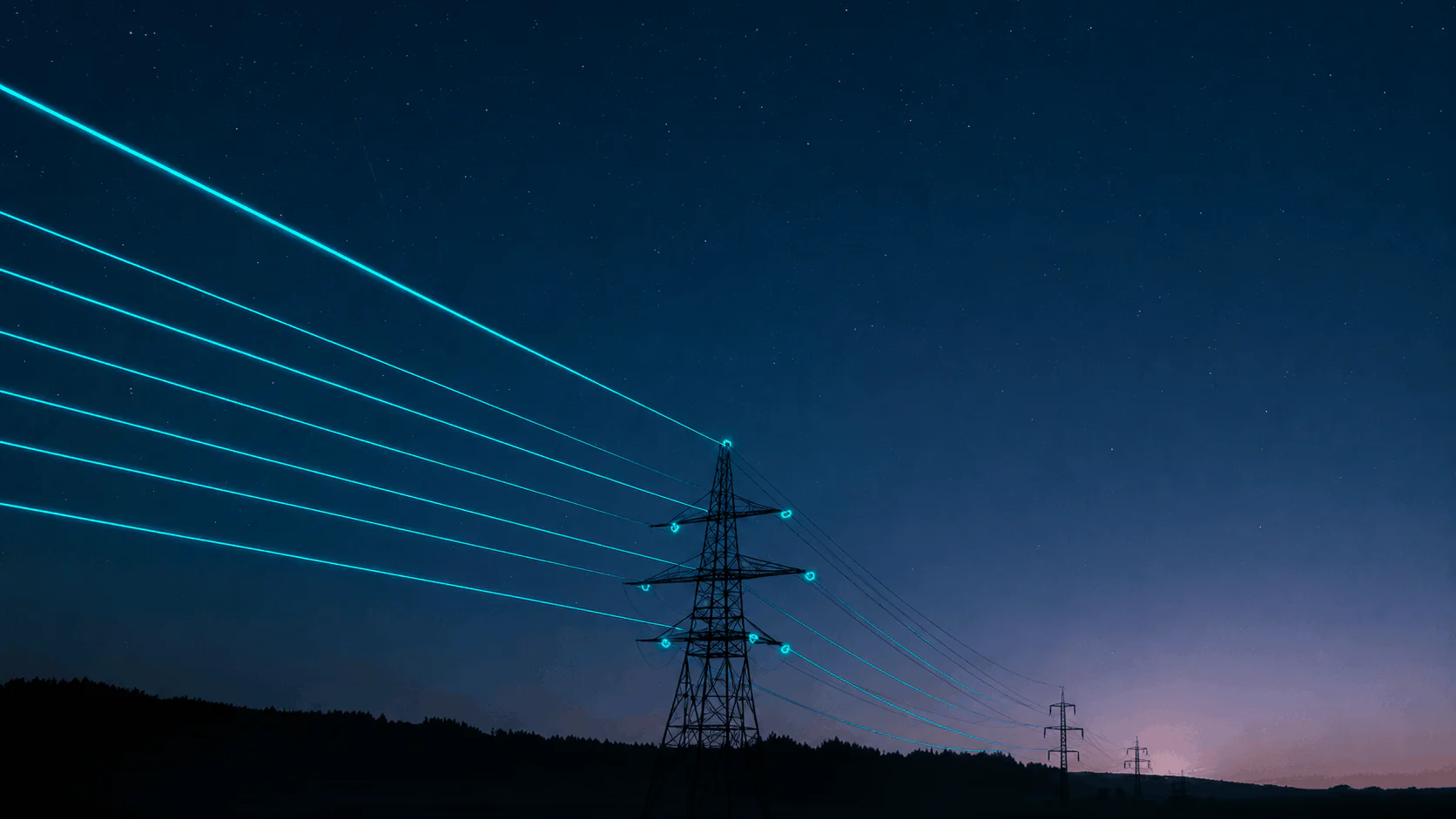
The use and optimization of networks for the transportation of water, gas, and energy is becoming more prominent every day. The need for infrastructure capable of ensuring broad coverage under an efficient and secure operating standard — while also supporting ecological transition goals — has become an increasingly significant challenge for companies and regulatory bodies alike.
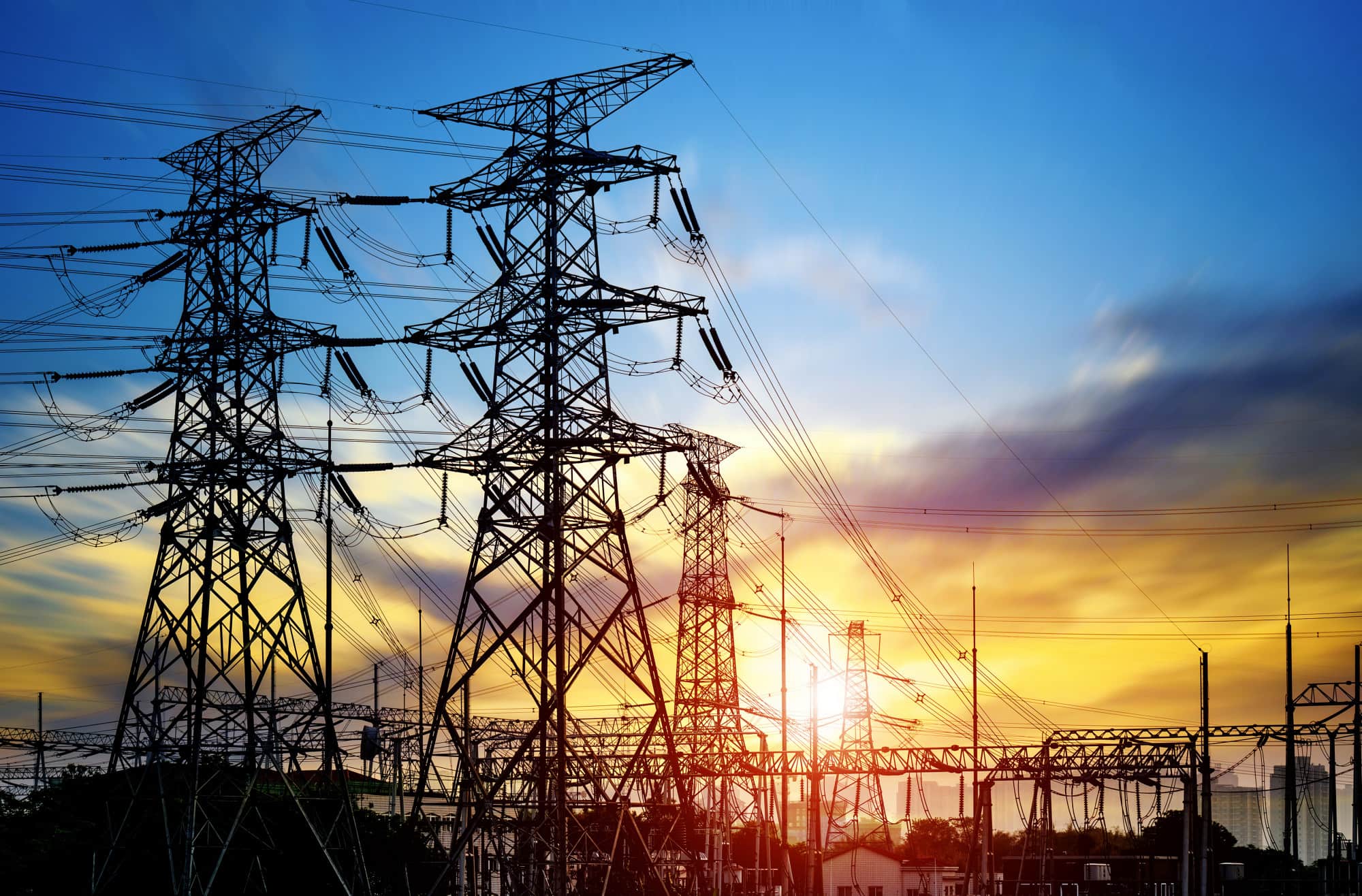
In the case of electricity networks, several major events reinforce this context. The Iberian blackout of April 28 this year immediately comes to mind — an event that brought Spain and Portugal to a standstill and highlighted the importance of investing in a more resilient electrical grid. Two years earlier, in 2023, European utilities estimated that investments would need to double by 2050 in order to meet ecological transition objectives. As renewable energy penetration increases, so too does the need for smarter grids. In addition, extreme weather events linked to climate change, such as heatwaves and severe storms, pose an increasing risk to the stability of electricity supply.
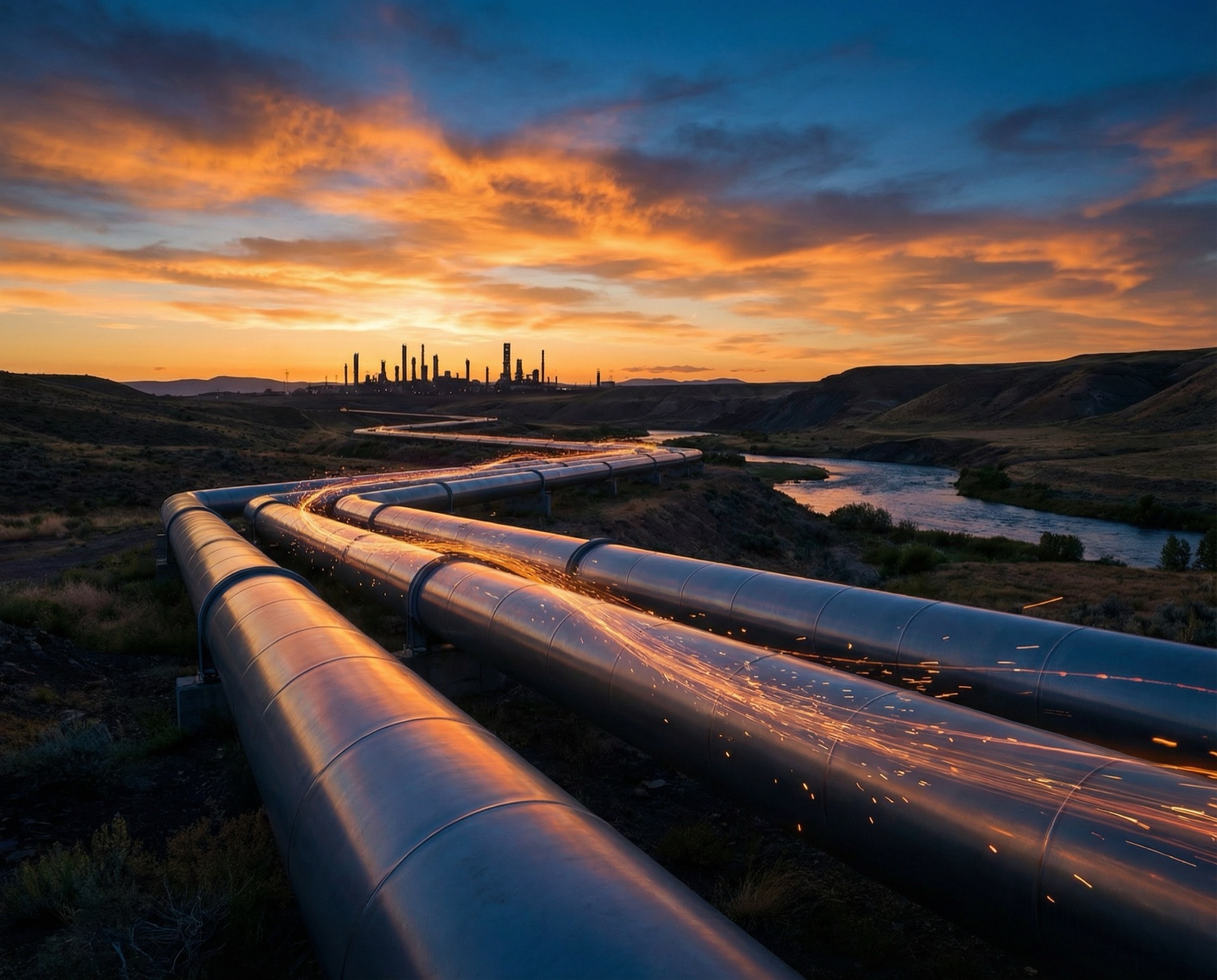
In the case of gas networks, recent geopolitical developments — such as the war in Ukraine and tariff policies imposed by the United States — have exposed the fragility of global supply infrastructures. According to Eurostat data, in 2022 more than 40% of the gas imported by Europe came from Russia, a dependency that forced a shift toward liquefied natural gas (LNG) imports from other regions, particularly North America. This situation has compelled operators to rethink long-term network design and coverage, focusing on strengthening resilience and preparing infrastructure for new regulatory and energy requirements, such as potential hydrogen integration and energy storage.
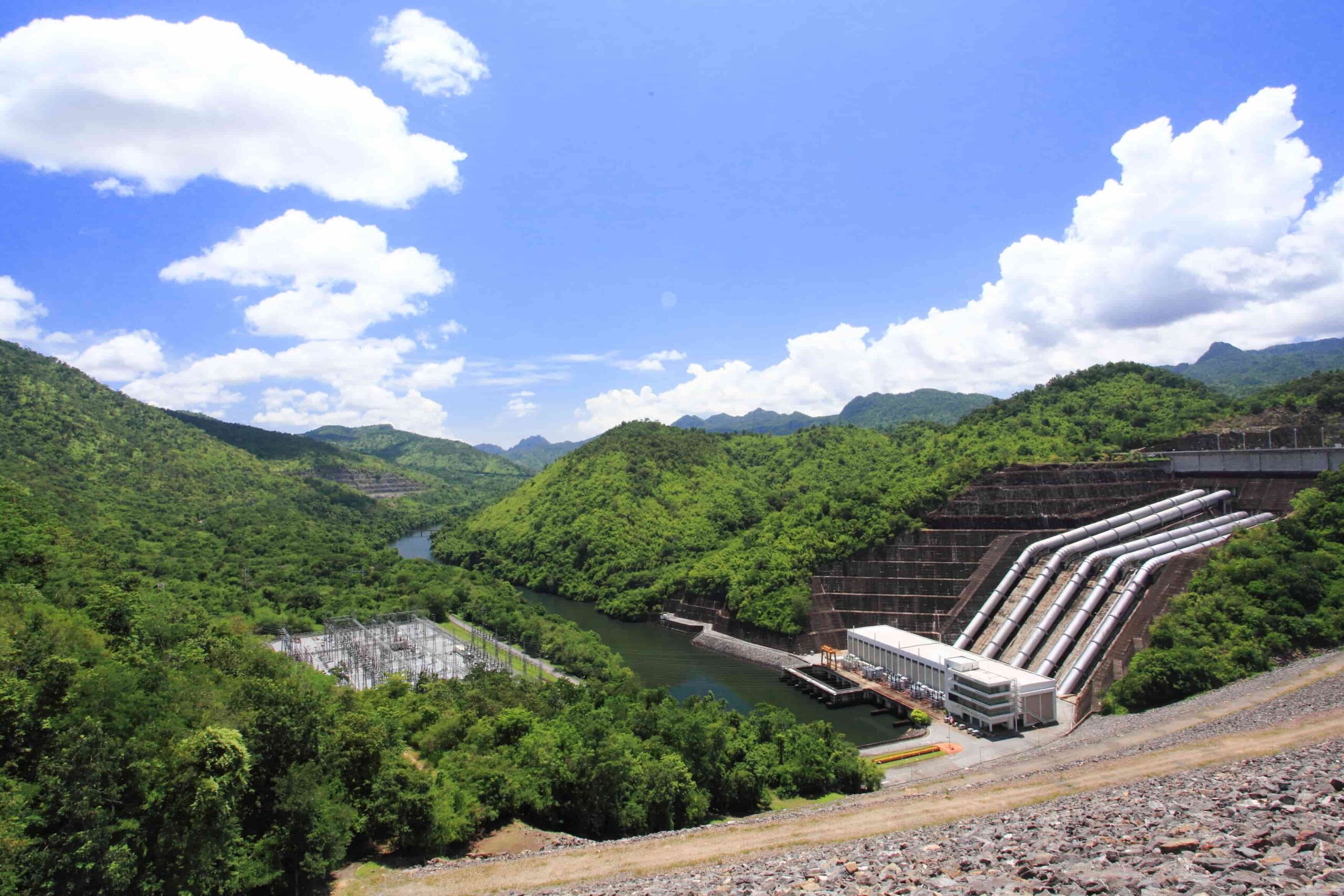
For water networks, the challenges are more closely tied to efficiency and sustainability. Spain, one of the European countries most affected by drought, is also experiencing progressive deterioration of its water supply infrastructure. It is estimated that in some regions, water losses due to leaks exceed 25% of the transported volume, compromising both water security and environmental objectives.

At NTT DATA, within the Digital Strategy and Business Analytics division, we have collaborated with various clients in this sector using both Analytical and Generative Artificial Intelligence, and we are convinced of its importance in accelerating the development of solutions capable of addressing transportation and distribution network challenges. From our perspective, it is essential to approach this journey through a structured methodology, starting with a clear value chain that enables the identification of the processes to be improved, and then tackling — through specific analytical methods and techniques, and in a differentiated manner — both network design and operational efficiency challenges.
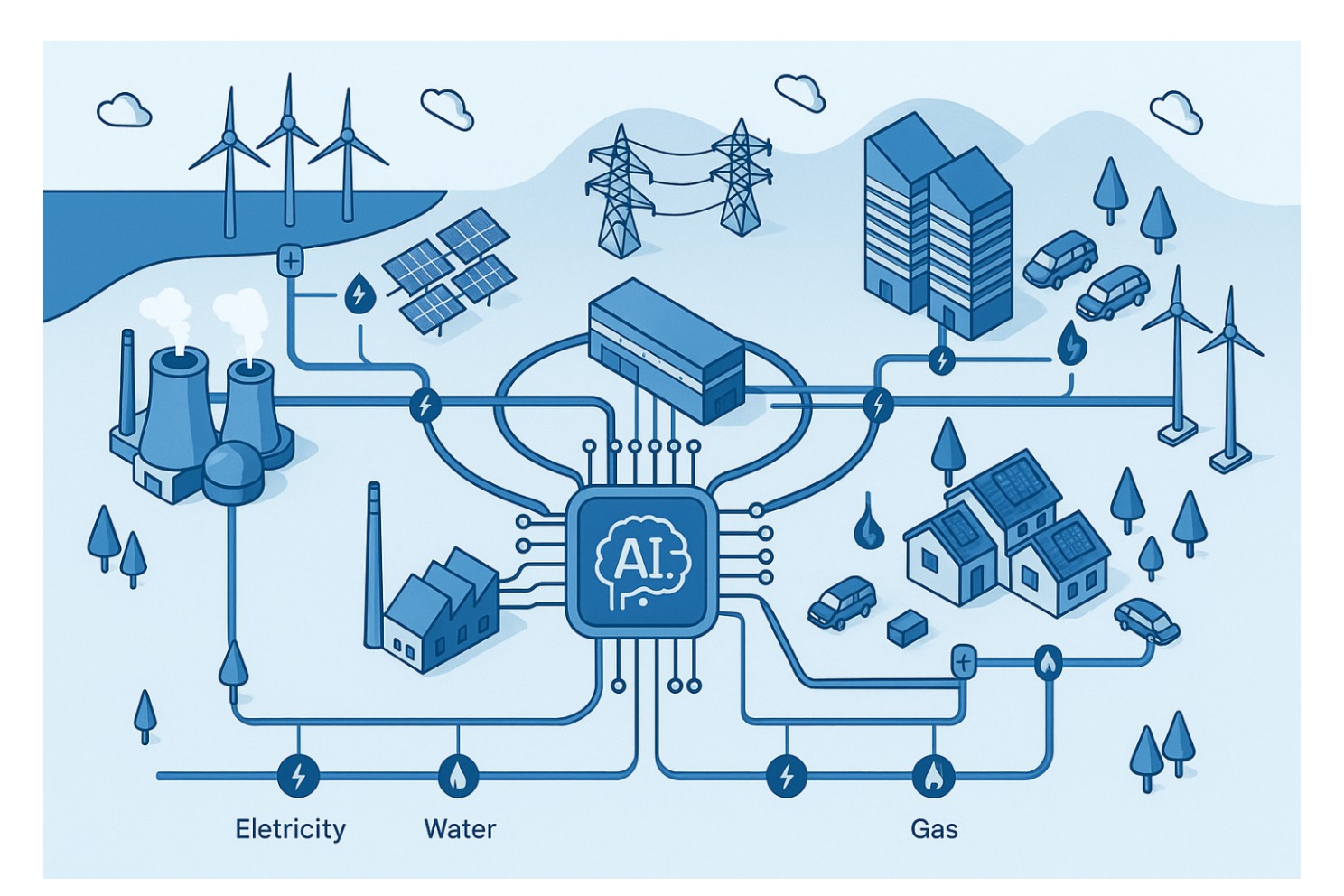
Thanks to the advancement of BIM platforms, which integrate a wide variety of data sources — such as geographical information (GIS), physical and technical infrastructure characteristics at different levels (2D/3D plans), information generated by smart sensors (IoT) monitoring asset behavior in real time, as well as exogenous data such as weather conditions — it is now possible to address the design and optimization of these networks through increasingly comprehensive and precise approaches.
The maturity reached by cloud platforms and the development of advanced AI capabilities are accelerating the creation of solutions adapted both to immediate operational challenges and long-term strategic objectives.
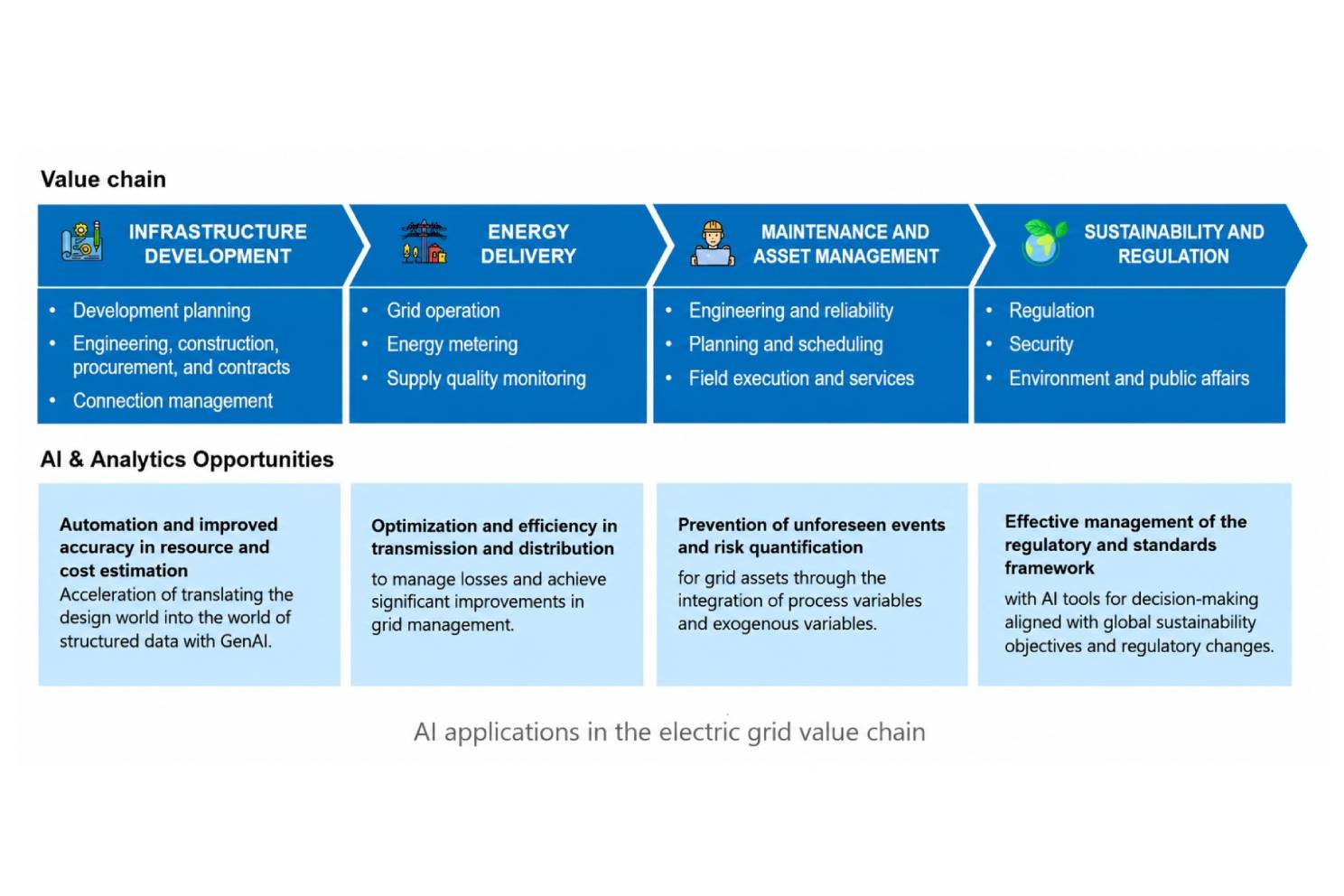
However, our experience shows that addressing these challenges without a clear vision can lead to poorly grounded or excessively complex initiatives. For this reason, one of the first steps we recommend to our clients is to precisely identify the project’s purpose and position the challenge within the organization’s value chain. This approach enables more effective prioritization, aligns efforts with business objectives, and helps build solutions that truly generate impact.
Below, we illustrate how we incorporate AI use-case applications within the electricity network value chain as part of the NTT DATA Business Analytics offering:

Marta Enesco Garrido
Lead Data Scientist at NTT DATA | Utilities Sector

Diego Gárate Arias
Business Advanced Analytics Manager at NTT DATA | Natural Resources
NTT DATA Insights