- All Foundries

- Commodity Management & Trading

- Customer & Marketing Strategy

- Digital Engineering

- Station Studio

- Supply Chain & Industry 5.0
- Sustainability

- Physical AI

- Next-Gen Infrastructure








AI-Powered Video Situational Awareness with Explainable Alerts
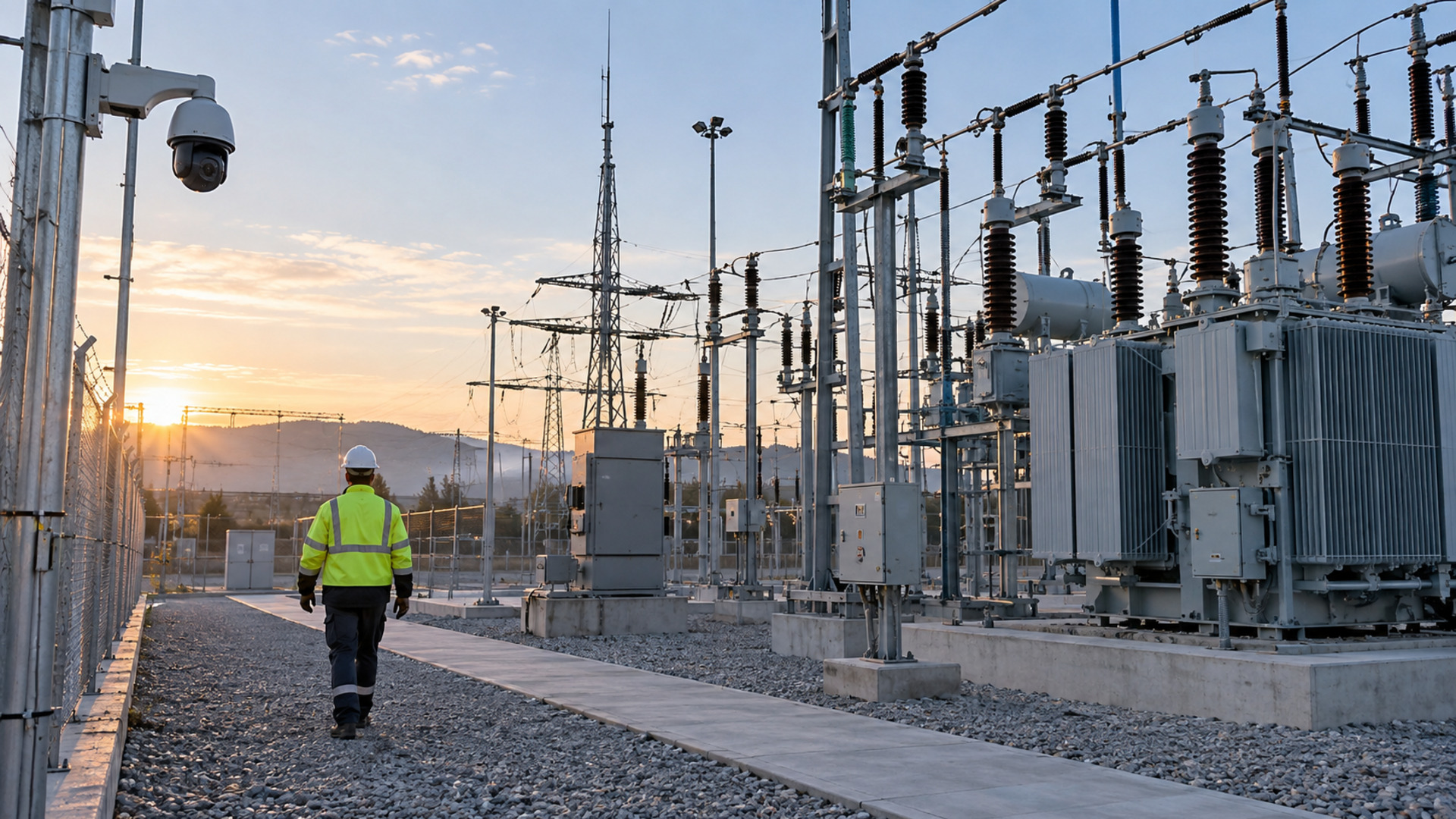
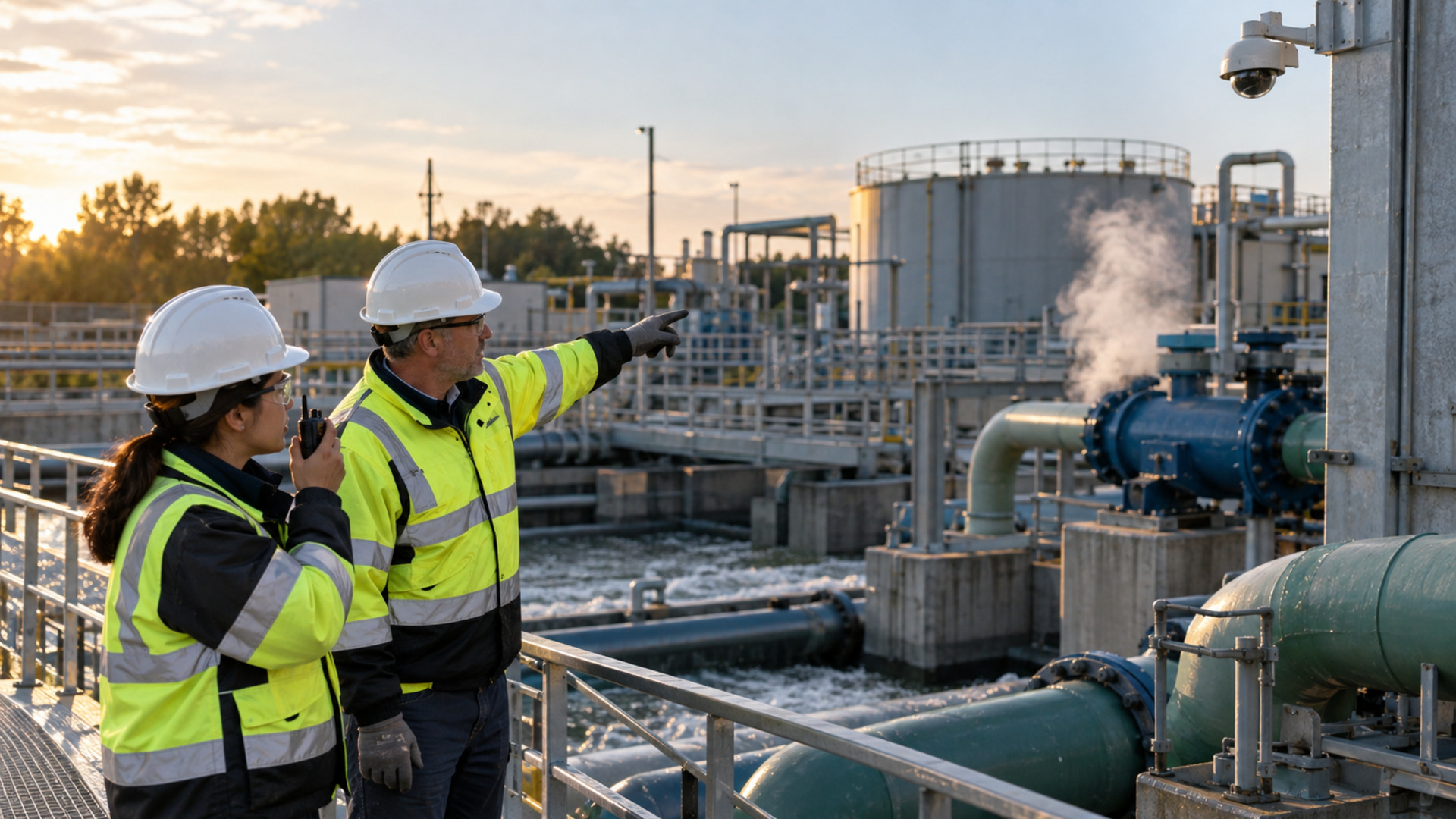
Natural-language monitoring rules and contextual video understanding bring explainable intelligence into critical physical operations.
The initiative needed to move beyond isolated detection and fit the way operations, engineering and maintenance teams review evidence, make decisions and follow through in the field.
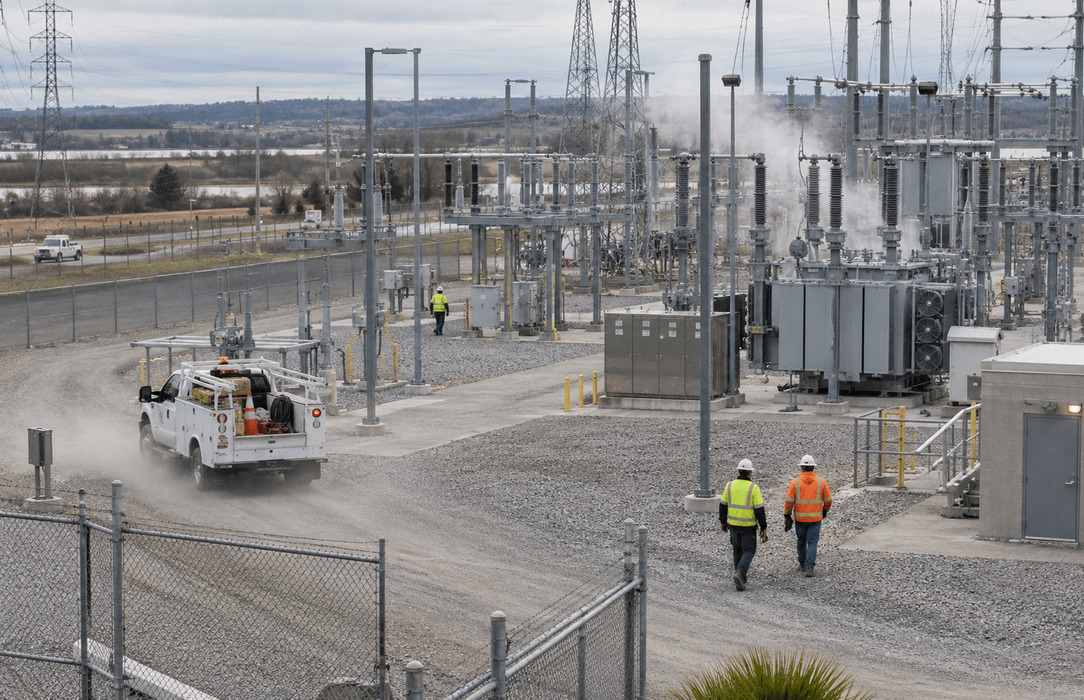
Traditional analytics could identify objects, but often struggled to distinguish the behaviors, interactions and circumstances that made an event operationally relevant.
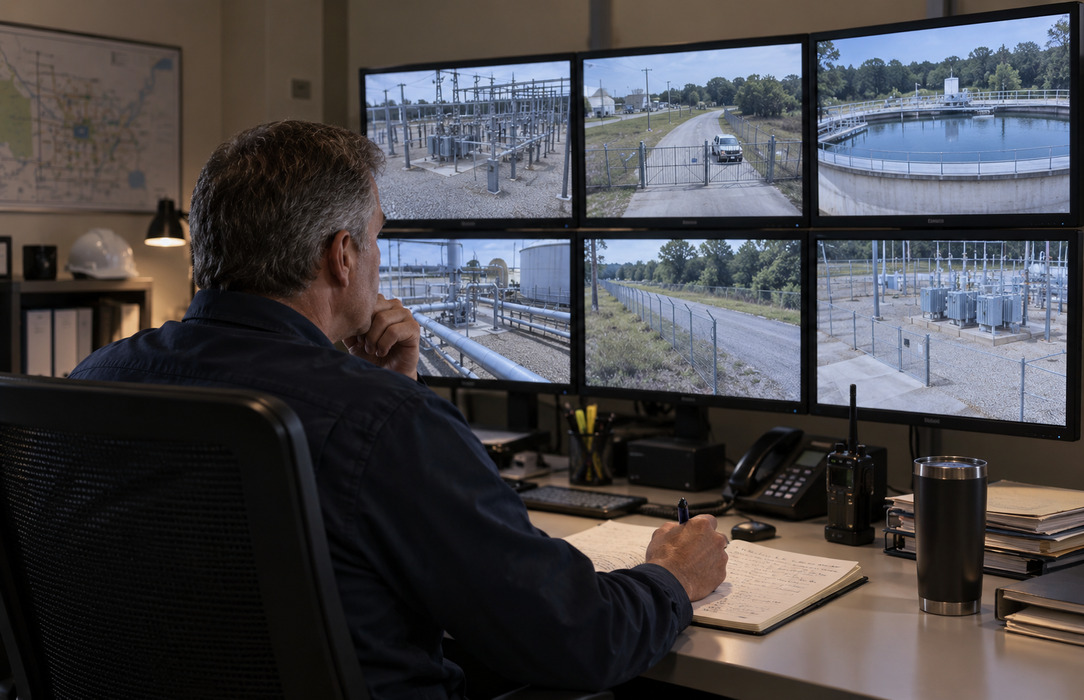
Large volumes of video still required operator attention, consuming effort and slowing the route from observation to response.
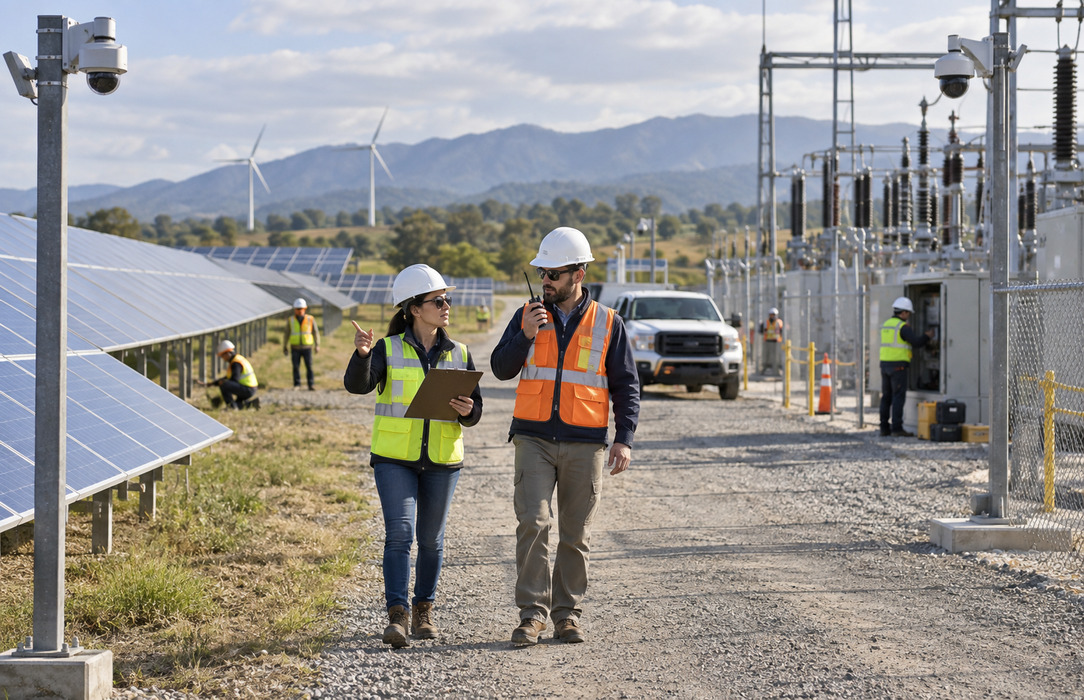
Different sites, regions and use cases required monitoring logic that could adapt without a new algorithm for every condition.
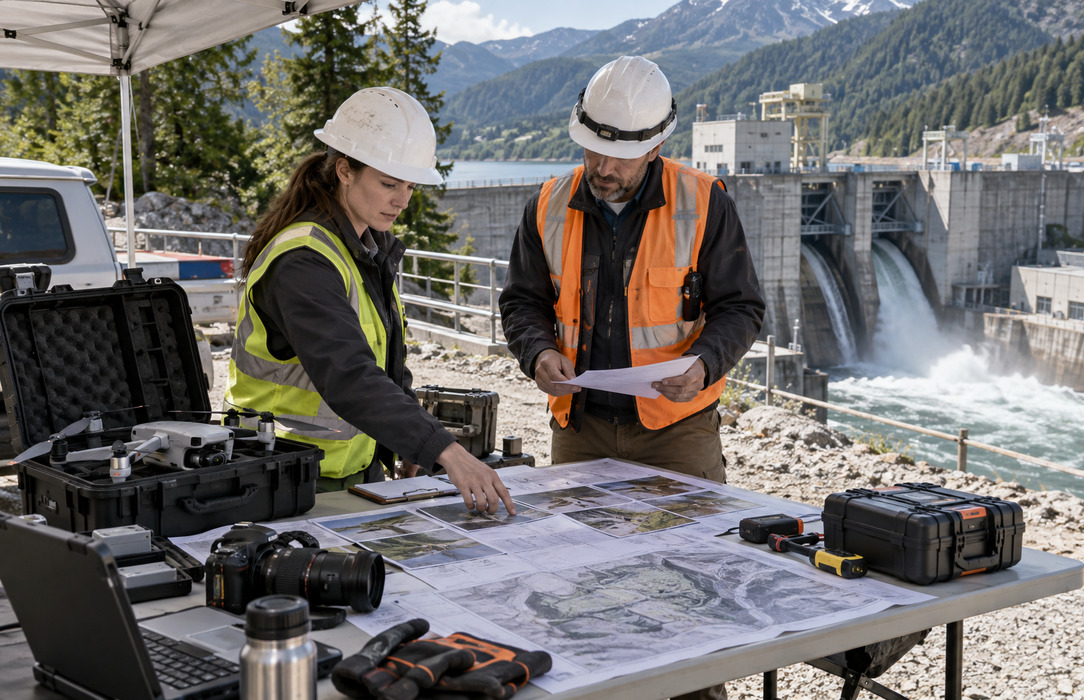
Captured footage needed to become traceable information that engineering, operations and maintenance teams could review and act on consistently.
The delivery connected field evidence, vision-language interpretation, user-defined rules and operational follow-up in one repeatable chain, designed to support scalable use beyond isolated demonstrations.

Vision-language models interpreted scenes, objects, actions and interactions, providing the contextual layer required to assess whether defined conditions were present.
The platform generated alerts when contextual conditions were met and explained why each alert was triggered, reducing reliance on continuous manual review.
Users could define and adjust monitoring logic in plain language, with support for region-specific conditions and multiple safety and security scenarios.
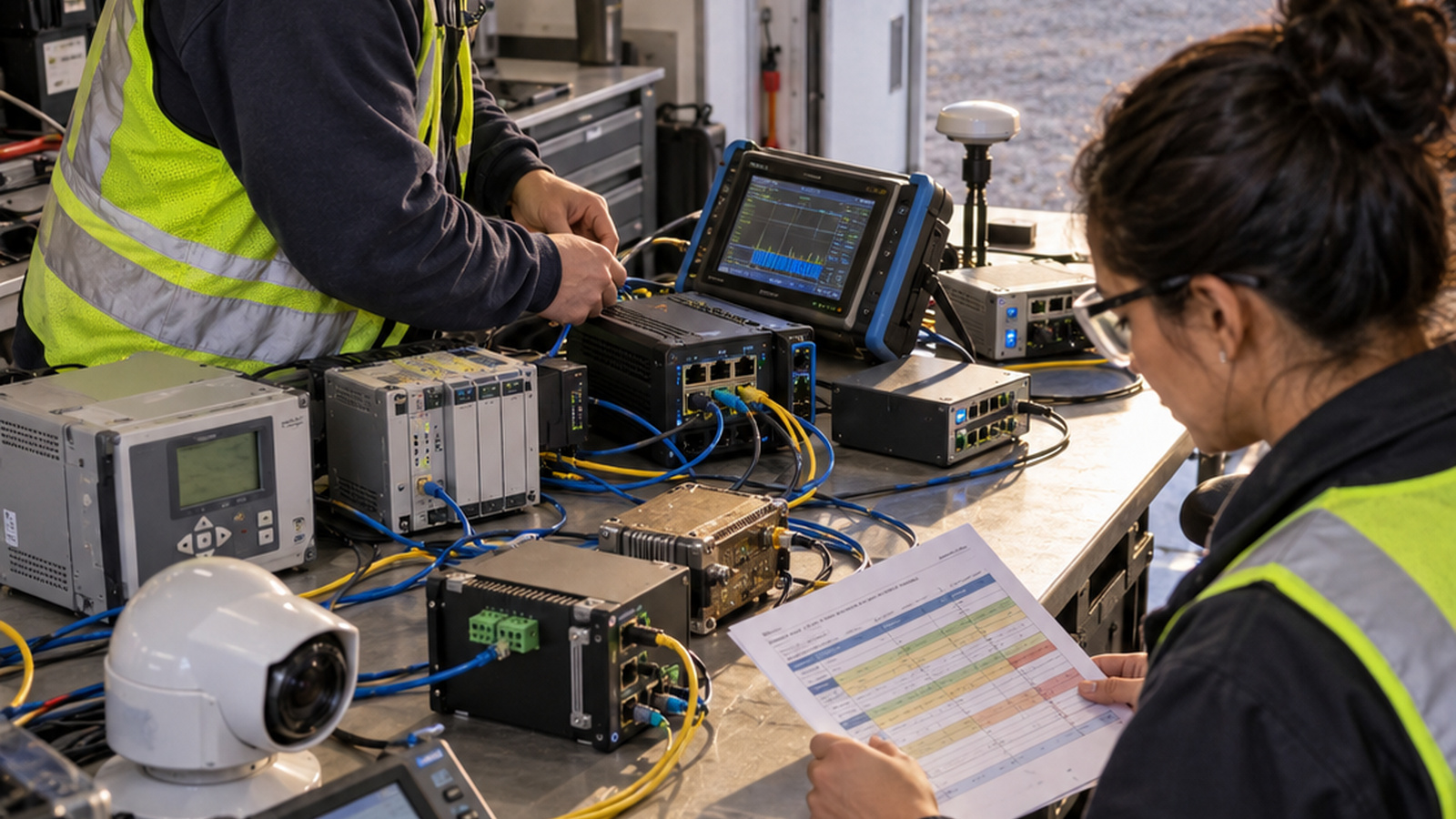
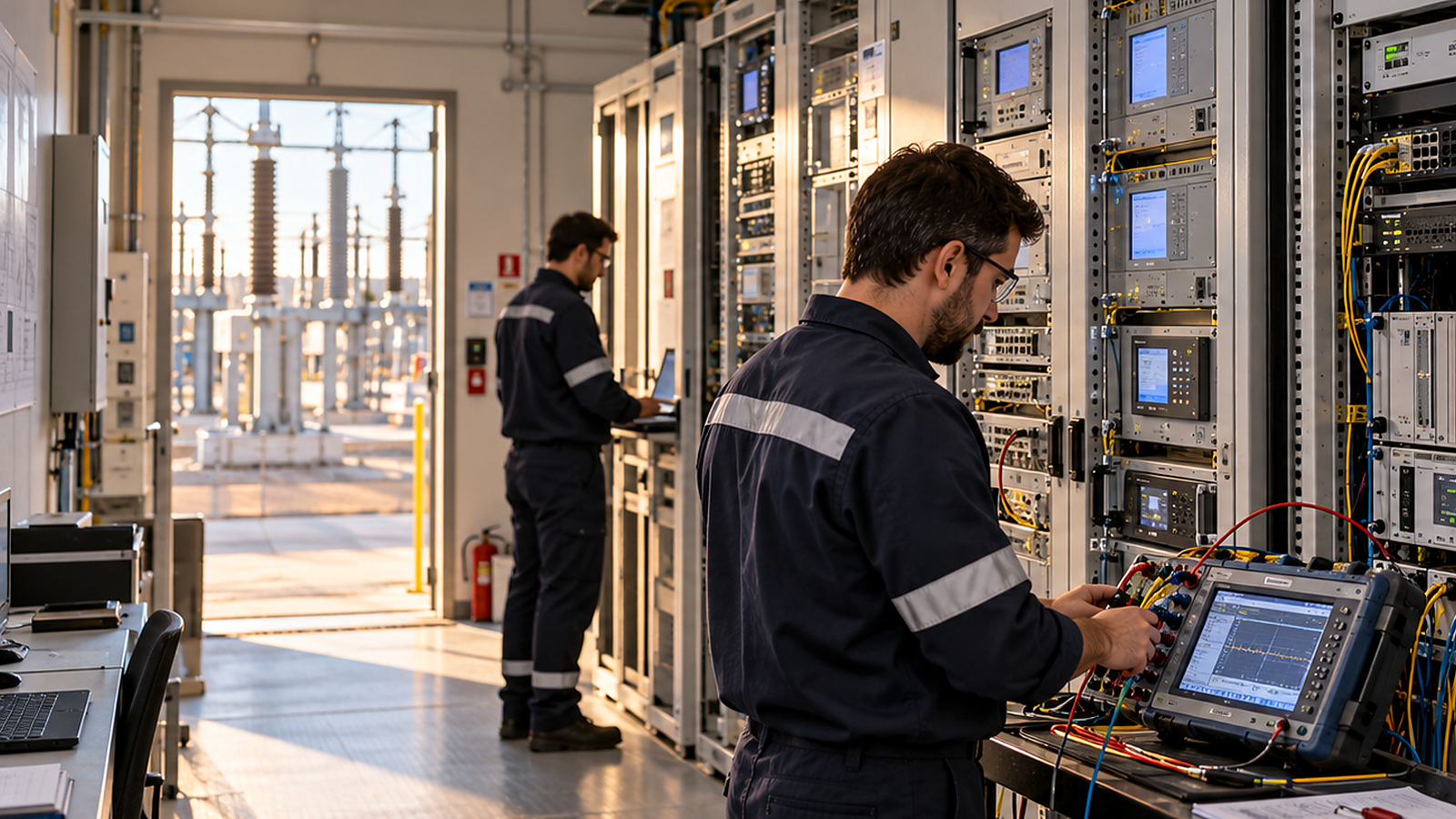
Field capture and digital processing were linked with review and operational follow-up, supporting repeatable missions and procedures across physical environments.
By interpreting context rather than objects alone, the platform supports more accurate identification of critical events and reduces the effort tied to continuous manual monitoring. Natural-language rules allow the same capability to extend across use cases without retraining for each scenario, while explainable alerts give teams a clearer basis for review and follow-up. Together, these capabilities strengthen safety, risk mitigation and traceability across physical operations.
success stories