- All Foundries

- Commodity Management & Trading

- Customer & Marketing Strategy

- Digital Engineering

- Station Studio

- Supply Chain & Industry 5.0
- Sustainability

- Physical AI

- Next-Generation Infrastructure










OT Firewall Validation for Digital Substations
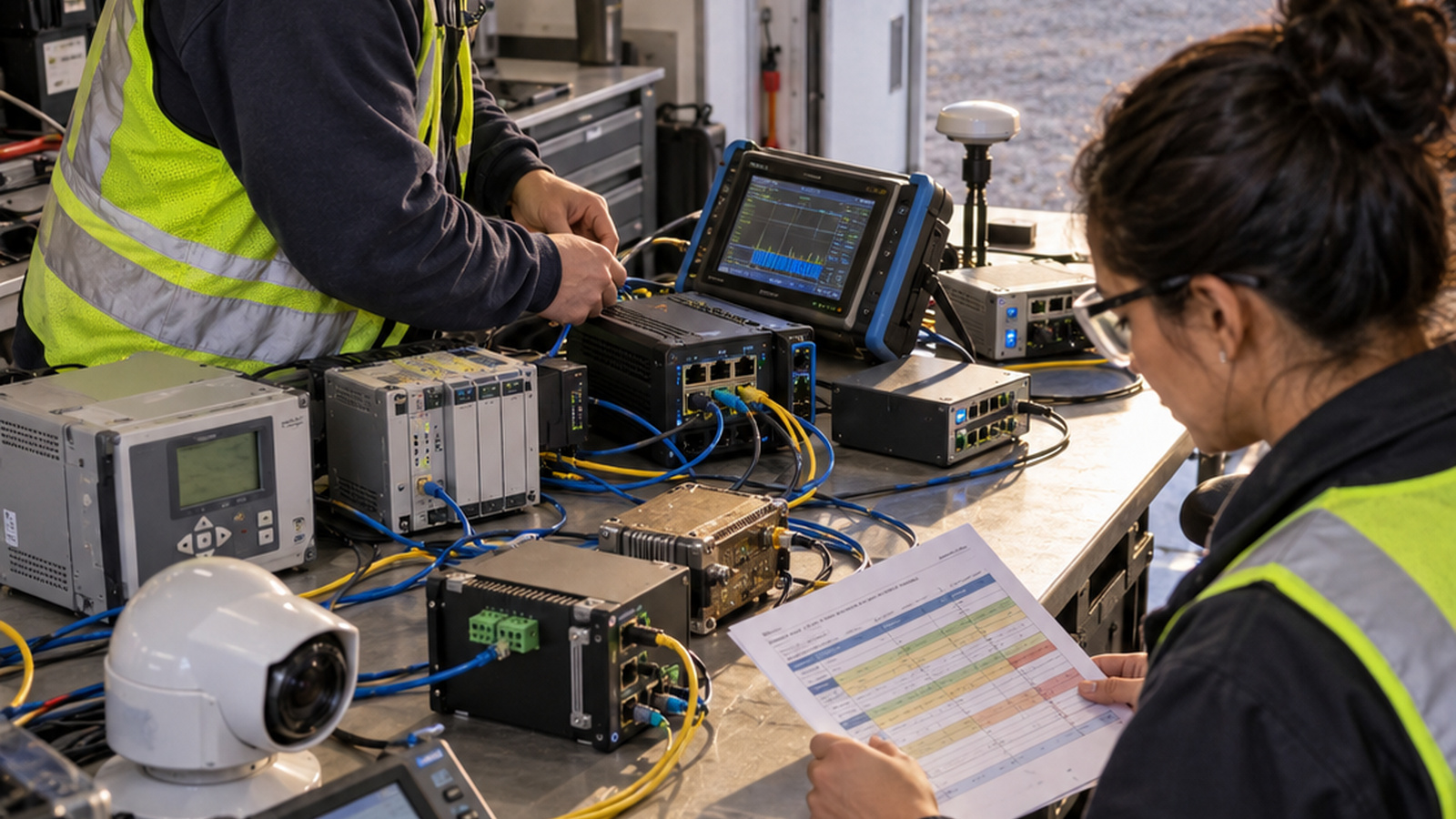
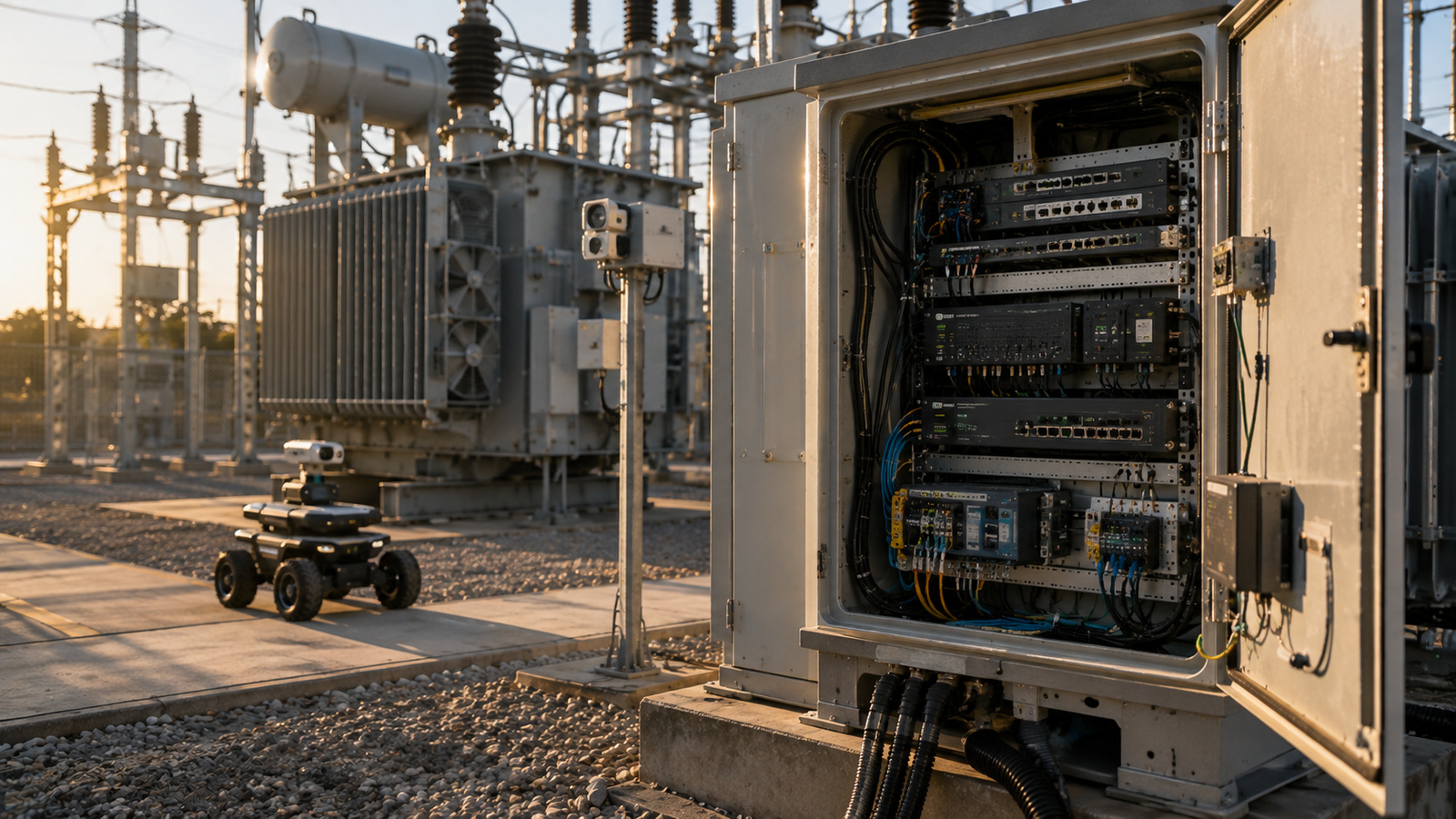
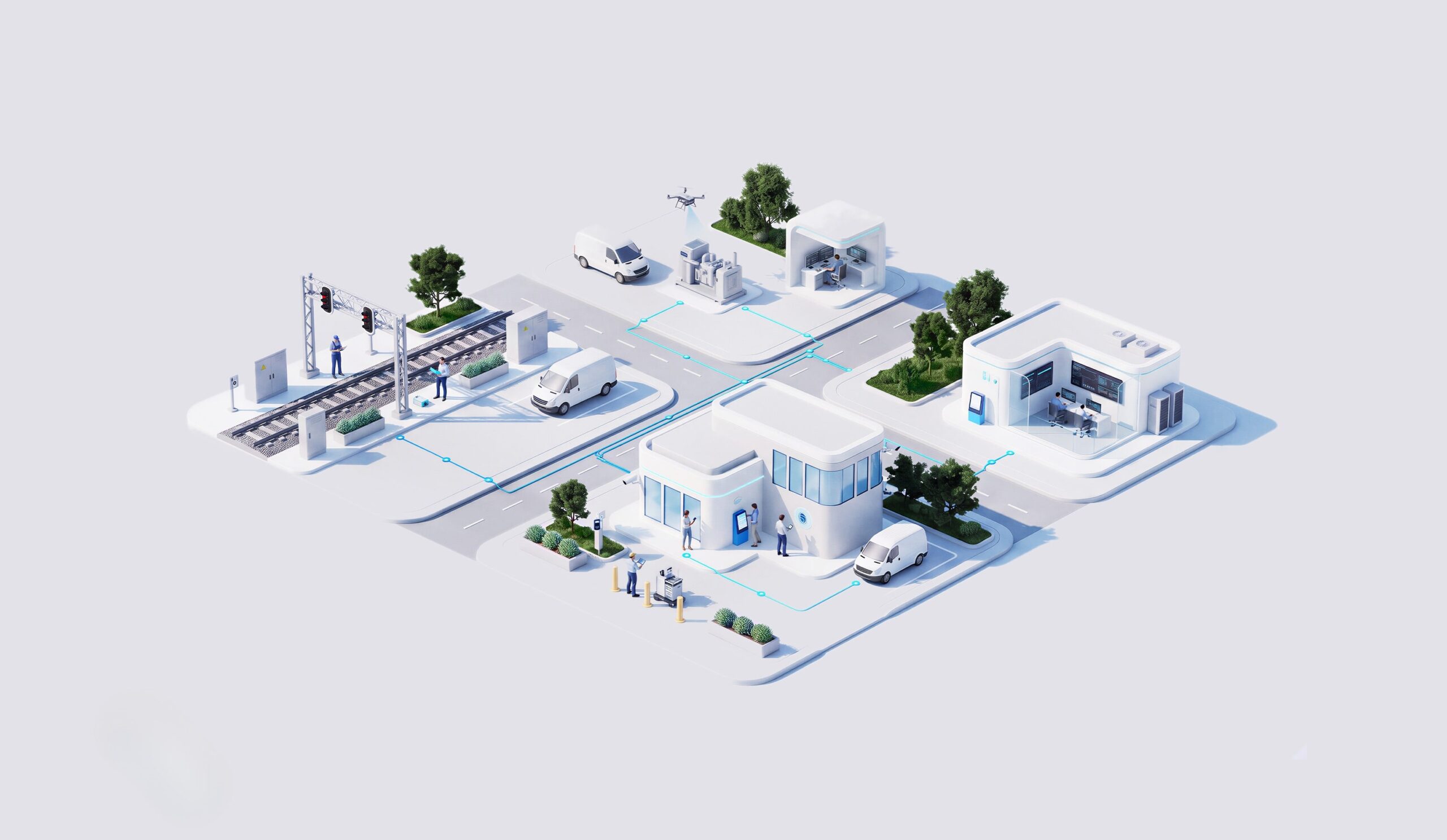
OT firewall validation connects cybersecurity intent with the communications that keep a digital substation operating. By reviewing rule sets, mapping required industrial traffic and testing permitted and blocked paths under controlled conditions, the approach creates stronger assurance before security changes move into operation.
The challenge was to prove that segmentation protected the OT environment while preserving the communication paths on which safe grid operation depends. This required technical validation at the level of rules, flows and evidence, not simply a review of firewall configuration in isolation.

Digital substations depend on tightly controlled communication between protection, control, engineering and supervisory systems. A security change that blocks required traffic can become an operational issue, not only a cyber issue.
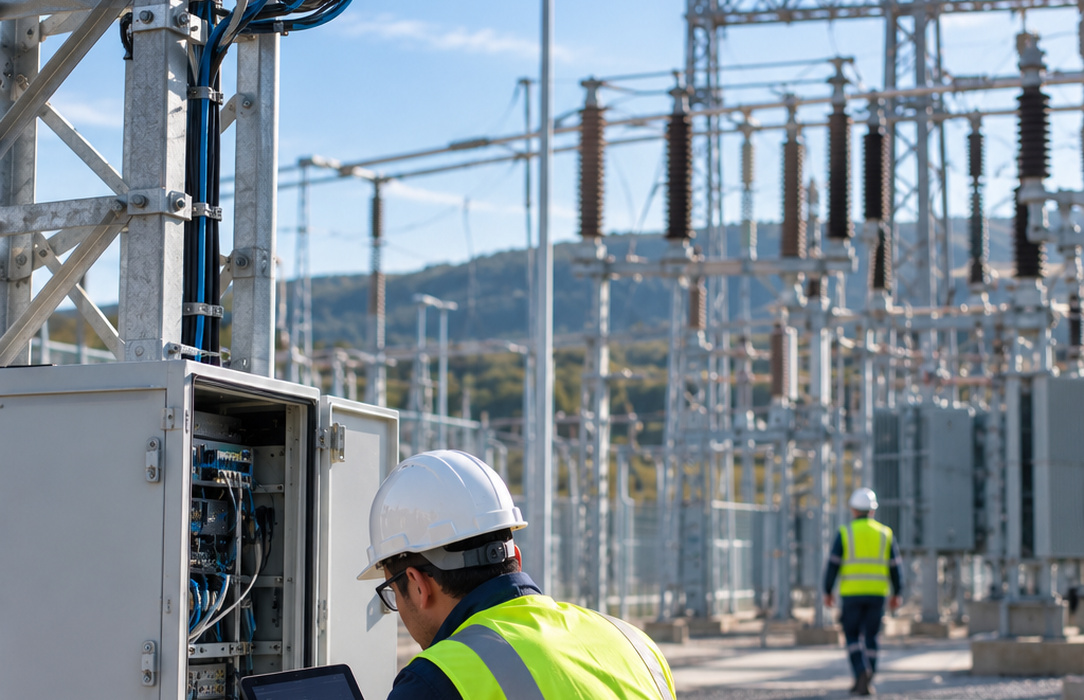
Required OT flows must be understood and mapped before rules can be judged correctly. Without that context, permitted and blocked traffic can diverge from the intended operating architecture.

Firewall rule changes or segmentation errors can create unnecessary communication paths or expose OT assets. Validation must identify excessive permissions and configuration issues before they are accepted in operation.
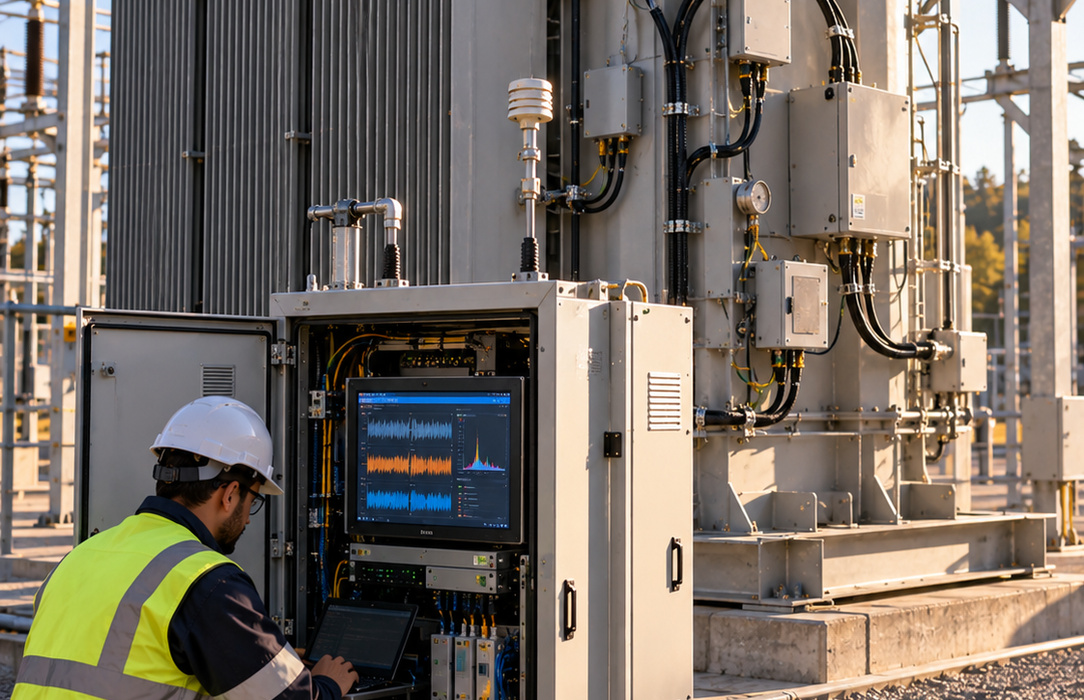
Security changes need defensible technical evidence. Without structured test results and traceability, auditability weakens and remediation priorities are harder to govern consistently.
The delivery approach treated firewall validation as an operational assurance process. Policy intent was connected to required communications, then challenged through controlled scenarios so teams could verify both availability and restriction before approving changes.

Description: Reviewed OT firewall policy, rule sets and the intended network segmentation to establish the expected security posture before testing.
Mapped the communication flows required by protection, control, engineering and supervisory systems, then checked those needs against permitted and blocked traffic.
Executed controlled validation scenarios to verify that required OT communications remained available while unauthorized paths were restricted.
Captured technical evidence for audit and change control, and prioritized remediation of misconfigurations or excessive rules before operational acceptance.
The validation approach strengthened confidence that network segmentation aligned with the intended OT security architecture while preserving required industrial communications. It reduced exposure to firewall misconfiguration and unnecessary paths, improved auditability of rule changes and test evidence, and created a safer basis for managing cybersecurity changes in operational substations. No project-specific quantified business improvement is published in the source, so the impact is intentionally expressed as qualitative, documented outcomes.
success stories