- All Foundries

- Commodity Management & Trading

- Customer & Marketing Strategy

- Digital Engineering

- Station Studio

- Supply Chain & Industry 5.0
- Sustainability

- Physical AI

- Next-Gen Infrastructure







Ecosystem Business Models for Utilities
Utilities are being asked to coordinate more participants, data flows and services across the value chain. When every connection is built separately, change slows, effort multiplies and distributed-energy interactions become harder to govern. The priority is a shared platform model that keeps operational accountability clear.
A reusable platform layer can help utilities launch services faster, simplify participation and turn authorised data into better coordinated decisions.

Reusable APIs, data products and event-driven connections reduce the need to rebuild every interaction from the ground up.
Consistent access, identity and integration patterns support a growing network of customers, partners and distributed assets.
Connected workflows give customers and partners clearer interactions while helping utility teams work with better context.
A modular ecosystem can support new service and monetisation models without locking critical operations into one technology path.
How NTT DATA helps
We identify the participants, value exchanges and operational moments where better connectivity can improve service, resilience or productivity.
We connect authorised utility, asset and enterprise data through cloud platforms, APIs, data products and event streaming.

We define permissions, validation, fallback and oversight mechanisms appropriate to critical infrastructure and operational risk.

We place analytics or automation where decisions happen, integrating outputs with enterprise and OT systems rather than creating another silo.
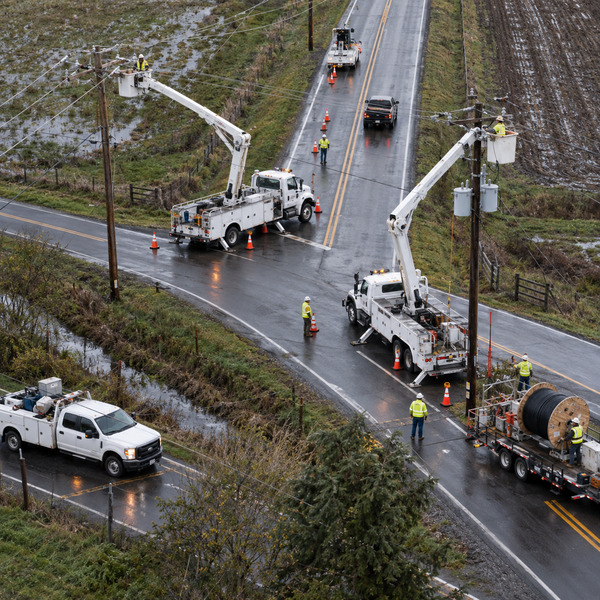
We establish a staged path across business units, sites and asset classes, using operational KPIs to guide maturity and investment.
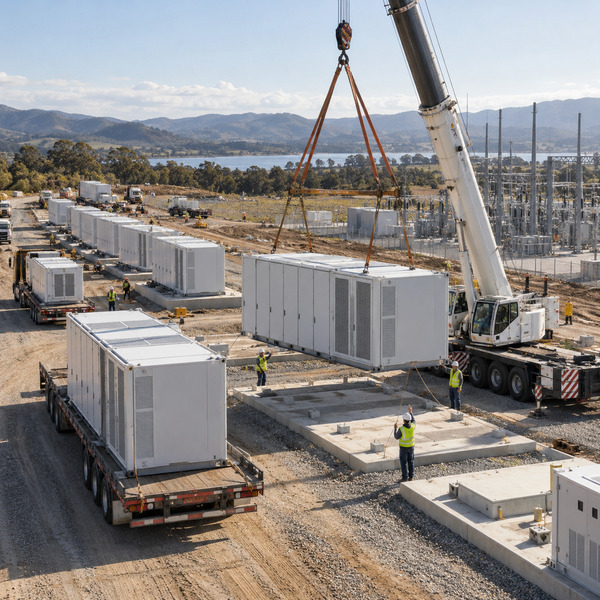

The platform approach creates a reusable capability that utilities can test in customer and distributed-energy ecosystems, then extend across services and operations. Progress can be tracked through cycle time, manual workload, decision speed and operational visibility.
The value comes from reducing friction between participants and placing trusted information closer to operational and commercial decisions.
Reusable platform capabilities help teams introduce new offers and interactions with less bespoke integration.
Common data, API and identity patterns reduce fragmentation across customers, partners and distributed assets.
Near real-time events and contextual information help teams act earlier while preserving appropriate human accountability.
Interoperable, cyber-conscious architecture allows capabilities to expand without creating a single rigid technology path.
Explore where a trusted ecosystem approach can simplify interaction, unlock new services and strengthen utility operations.