- All Foundries

- Commodity Management & Trading

- Customer & Marketing Strategy

- Digital Engineering

- Station Studio

- Supply Chain & Industry 5.0
- Sustainability

- Physical AI

- Next-Gen Infrastructure



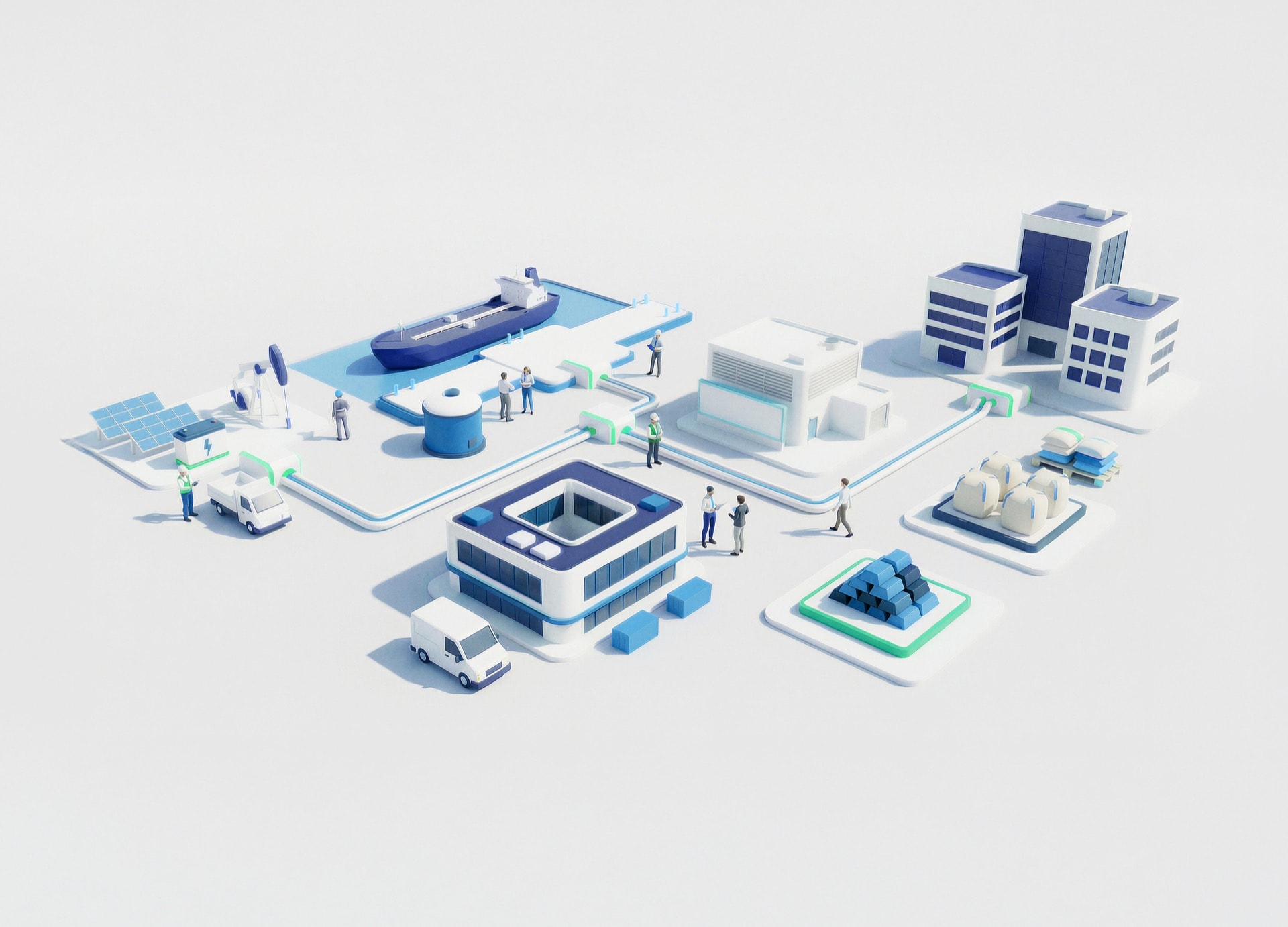







Infrastructure as-a-service for Utilities
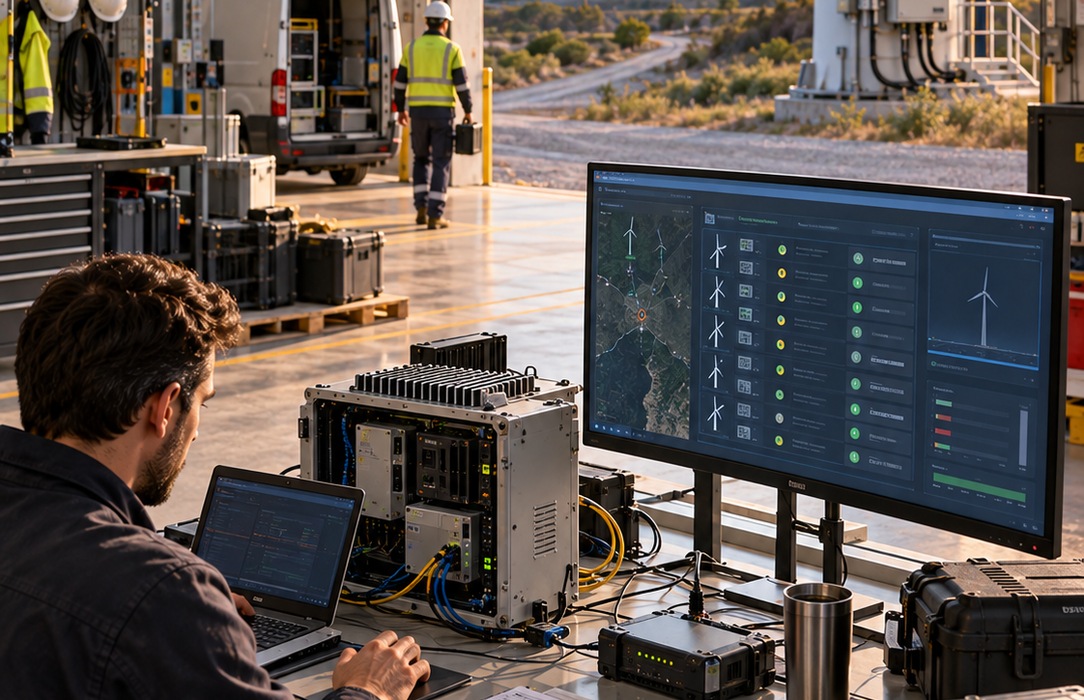
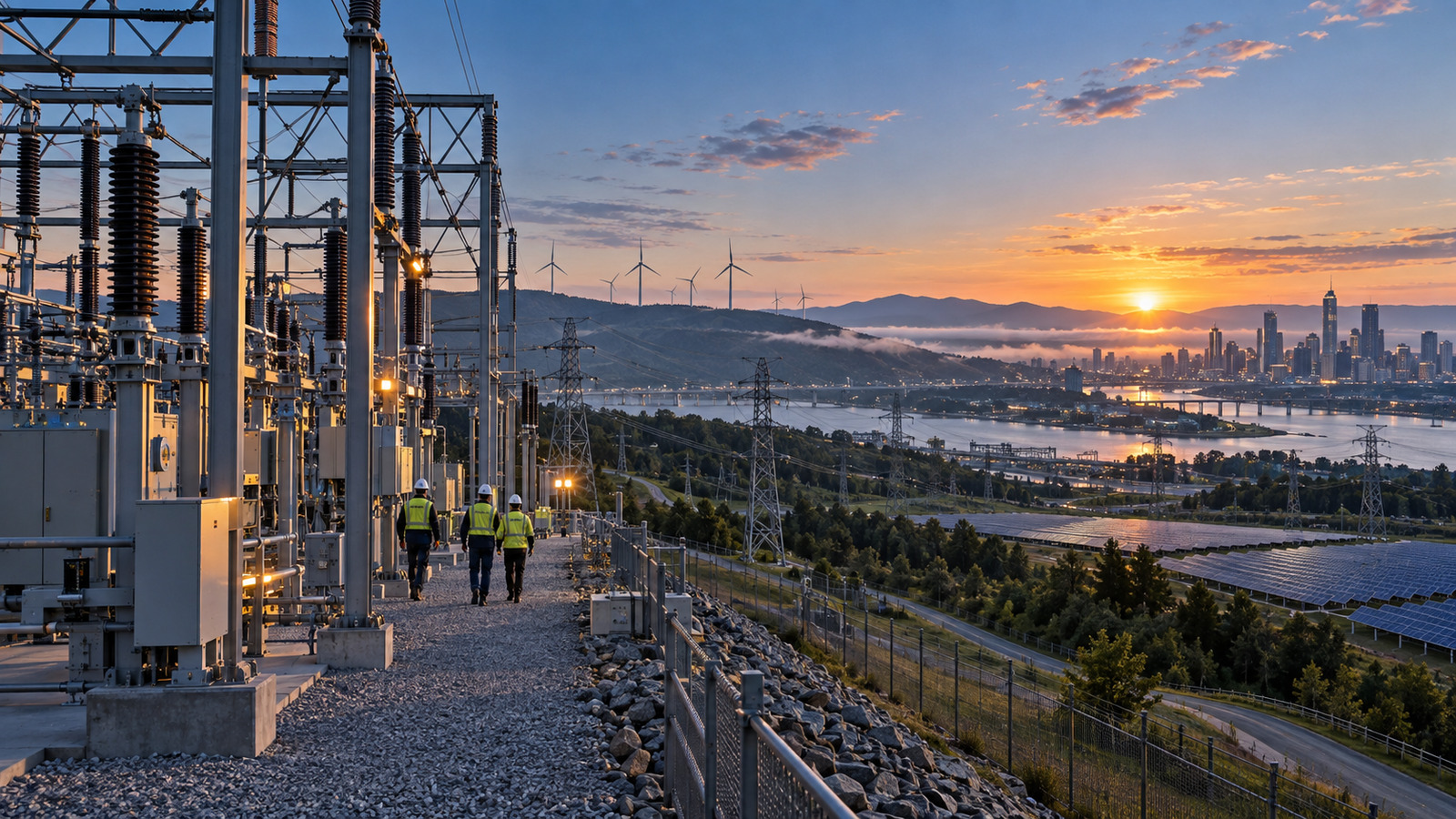
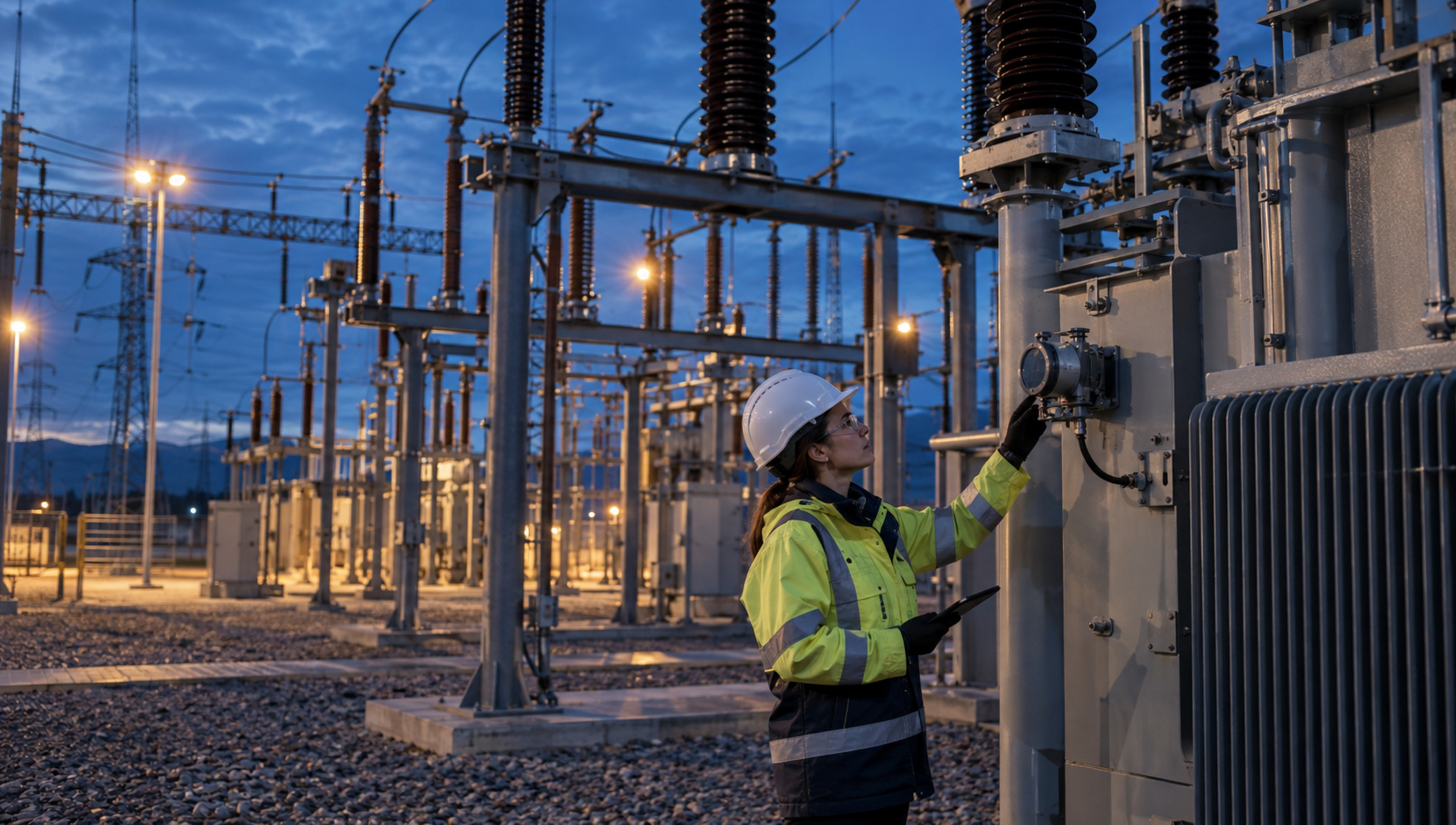
As customers, partners, distributed energy resources and digital services multiply, traditional point-to-point processes become harder to scale. The challenge is not collecting more data. It is creating a dependable foundation that connects authorised information, physical assets and existing enterprise and operational technology workflows, while preserving the controls critical infrastructure demands.
Infrastructure-as-a-service can help utilities place the right capability where a decision is made, improving context without creating another isolated technology layer.

Connect operational, asset and enterprise signals so teams can respond with a more complete view of current conditions.
Use contextual analytics and intelligence to surface anomalies sooner and support timely, accountable action.
Reduce manual coordination and fragmentation across data, communications, platforms and frontline workflows.
Create reusable patterns that can mature across sites, asset classes and business units without locking critical operations into one technology path.
How NTT DATA helps
Prioritise business and operational use cases across transmission, distribution and supply, linking each one to risk, value and measurable operational indicators.
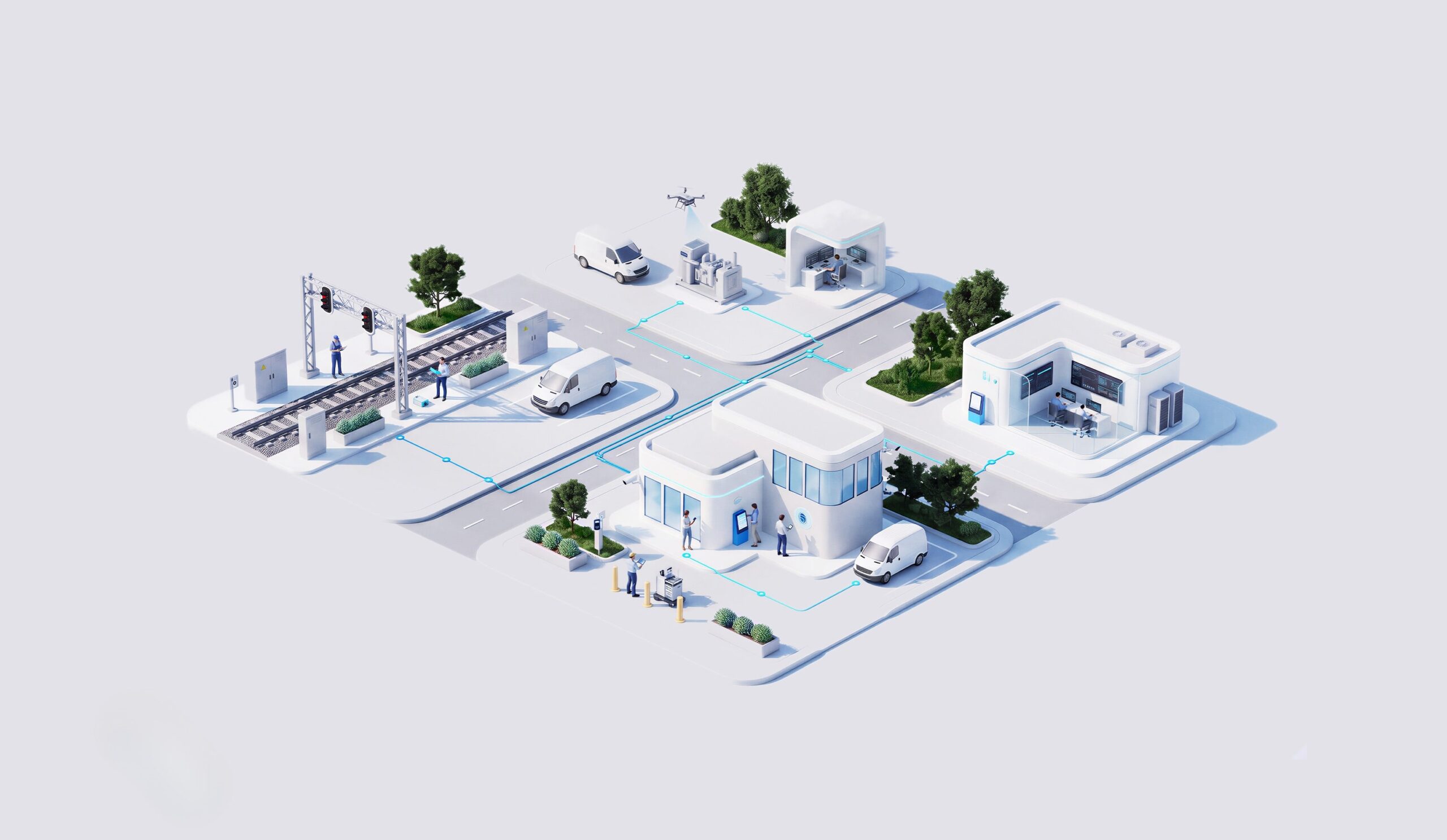
Bring authorised utility data together with IoT, communications, enterprise systems and operational technology, then integrate outputs into the workflows teams already use.
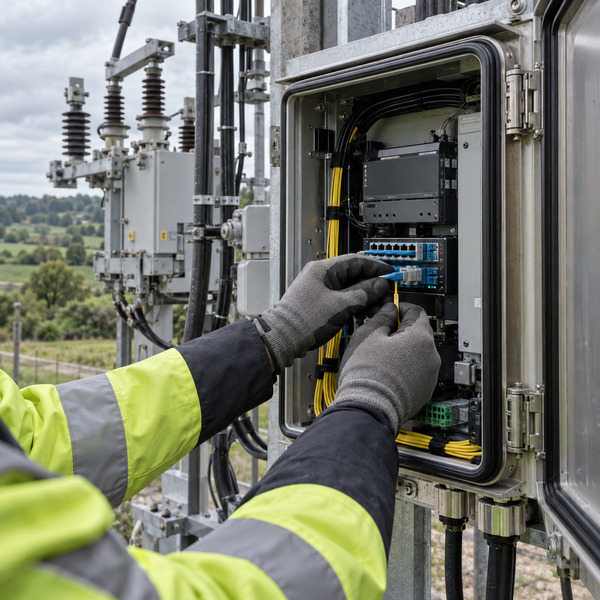
Apply analytics, automation and cloud or edge computing at the appropriate point in the architecture, balancing speed, connectivity and operational criticality.
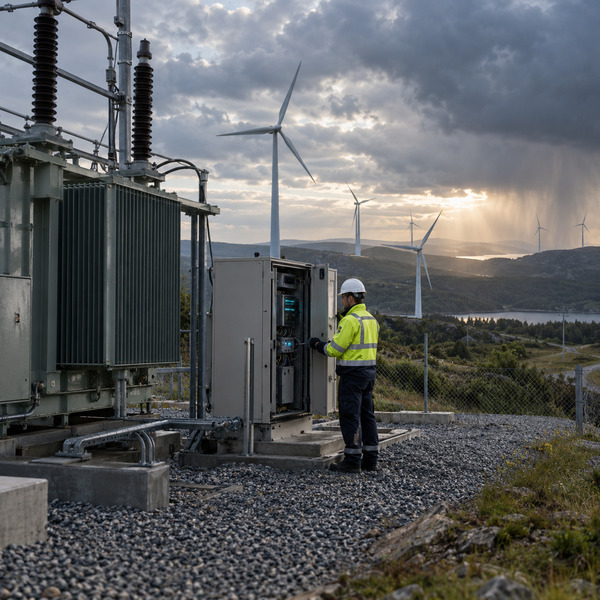
Define permissions, cyber controls, validation, fallback mechanisms and human accountability in line with the risk of each utility process.

Move from focused use cases to reusable capabilities, using agreed KPIs to guide expansion across locations, asset types and operating units.

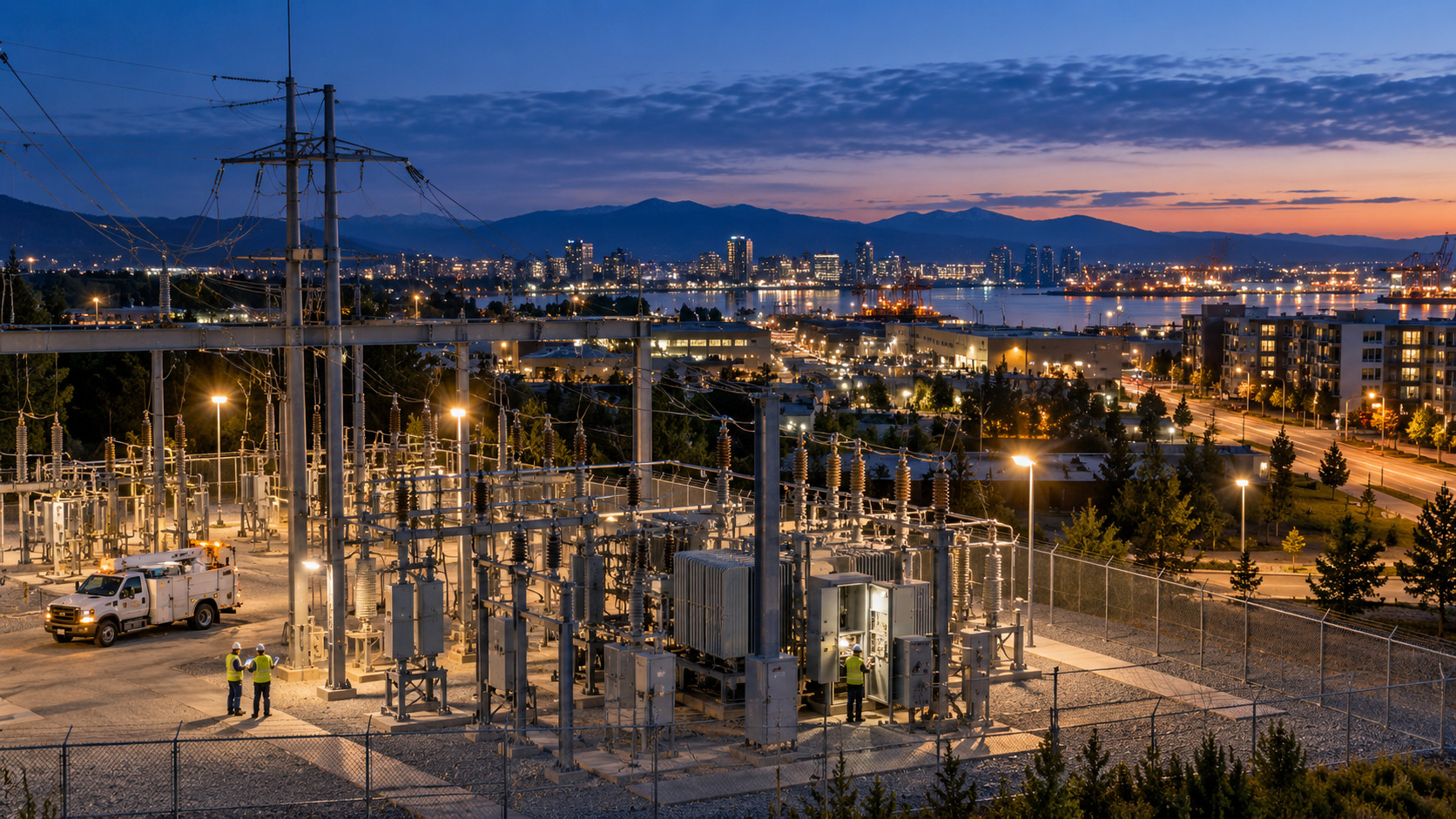
A connected, governed service model creates a more continuous link between physical and market conditions and the decisions that keep utility operations moving. It gives organisations a practical way to improve visibility, strengthen resilience and introduce automation progressively, while retaining the oversight required for critical infrastructure.
The value becomes visible when infrastructure supports the work itself, helping utility teams act earlier, coordinate more effectively and extend proven patterns across the enterprise.
Reduce avoidable manual coordination by connecting information and actions within existing operational workflows.
Give teams earlier signals and richer context to assess emerging issues and select the right response.
Support more informed operational decisions around physical infrastructure and changing network conditions.
Reuse governed data, architecture and control patterns across sites and business units while preserving local accountability.
Explore where a shared, service-based foundation can remove fragmentation, strengthen critical operations and create room for the utility ecosystem to evolve.