- All Foundries

- Commodity Management & Trading

- Customer & Marketing Strategy

- Digital Engineering

- Station Studio

- Supply Chain & Industry 5.0
- Sustainability

- Physical AI

- Next-Gen Infrastructure





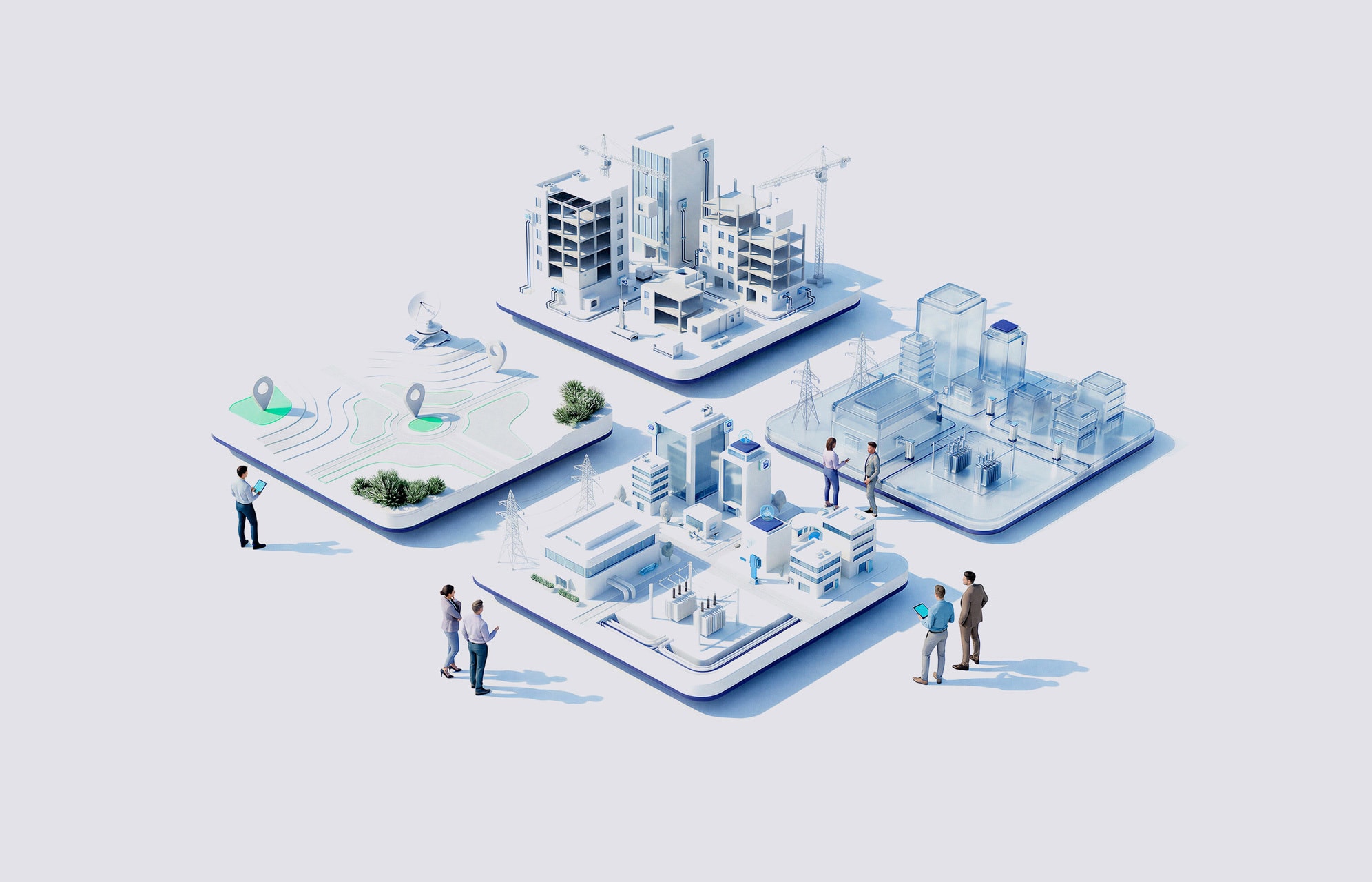




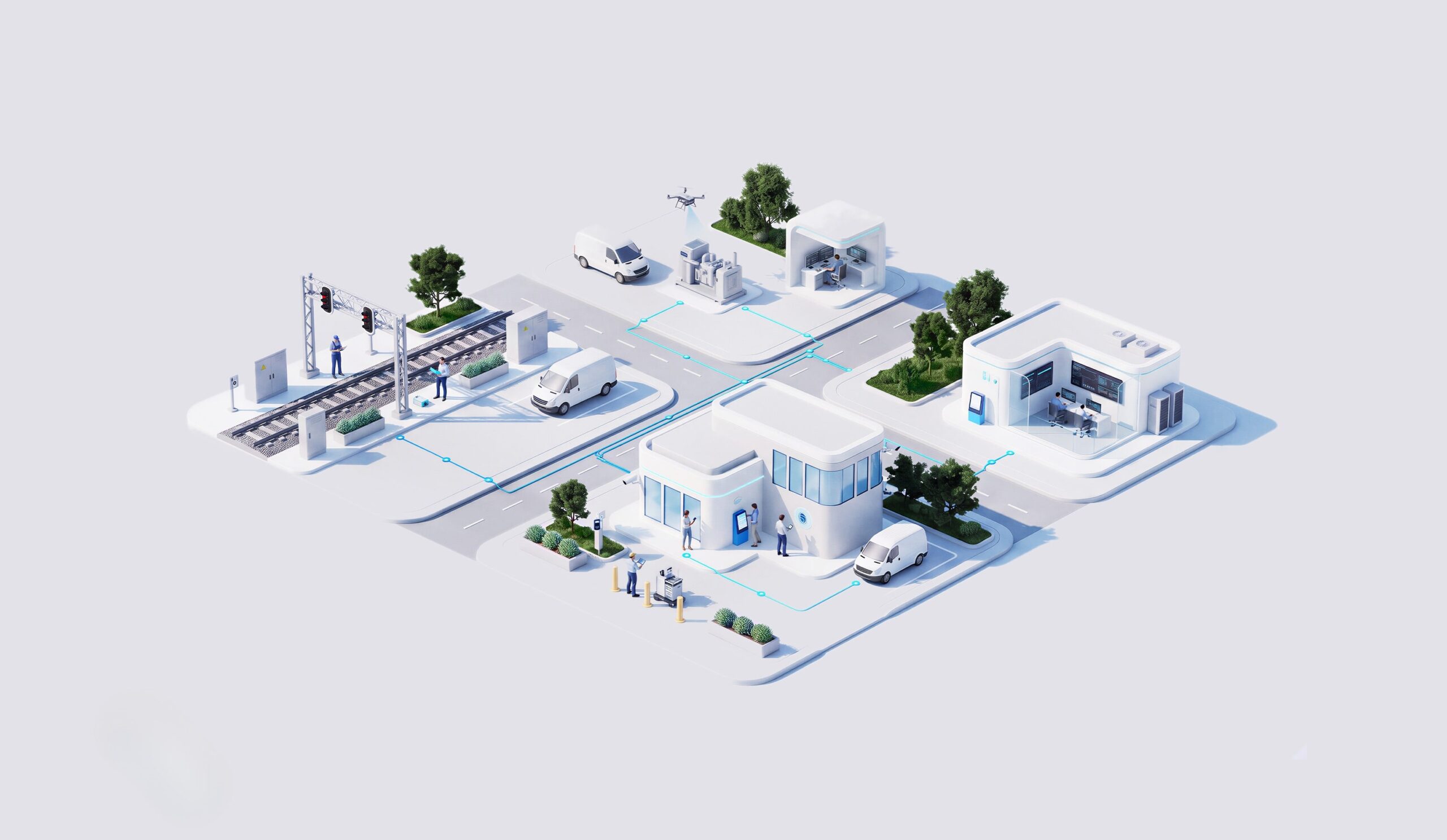


Digital Utility Ecosystems
Utilities increasingly coordinate customers, partners, distributed energy resources and digital services across the value chain. Point-to-point processes make each new interaction harder to scale, while critical operations still demand reliability, resilience, security and clear accountability.
Interoperability creates value when it changes how quickly and confidently the business can launch, coordinate and respond.

Reusable platform and API capabilities reduce reliance on bespoke point-to-point connections as new services are introduced.
Shared access, identity and event patterns support more consistent interactions across a growing energy ecosystem.
Connected information helps teams understand changing physical and market conditions before they become isolated decisions.
A reusable digital foundation can support flexibility services, ecosystem propositions and future monetisation opportunities.
How NTT DATA helps
Connects authorised operational, asset and enterprise sources so information can move reliably across business and operational technology environments.

Applies cloud platforms, APIs, data products, identity and event streaming to the interactions that matter across customers, partners and distributed resources.

Introduces analytics, automation or intelligence at the right point in the architecture, helping teams act earlier with a clearer view of assets and processes.
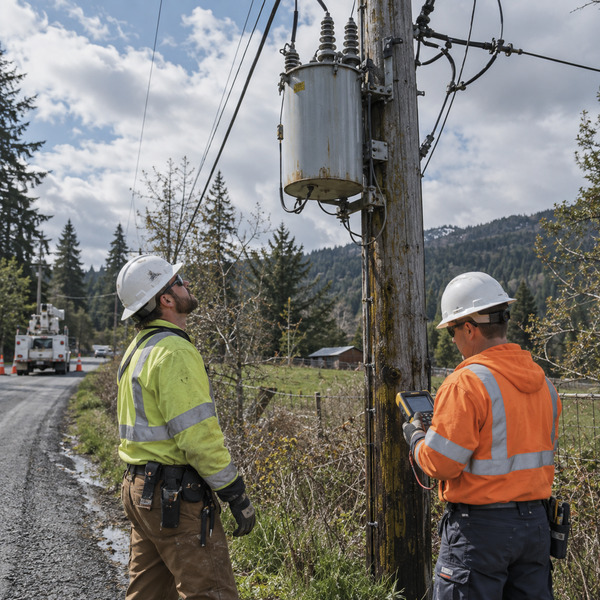
Integrates outputs into operational and commercial processes so the ecosystem strengthens day-to-day decisions instead of becoming a separate technology layer.

Defines permissions, cyber controls, validation, fallback mechanisms and human oversight in line with the risk of each use case, then scales through measurable operational KPIs.

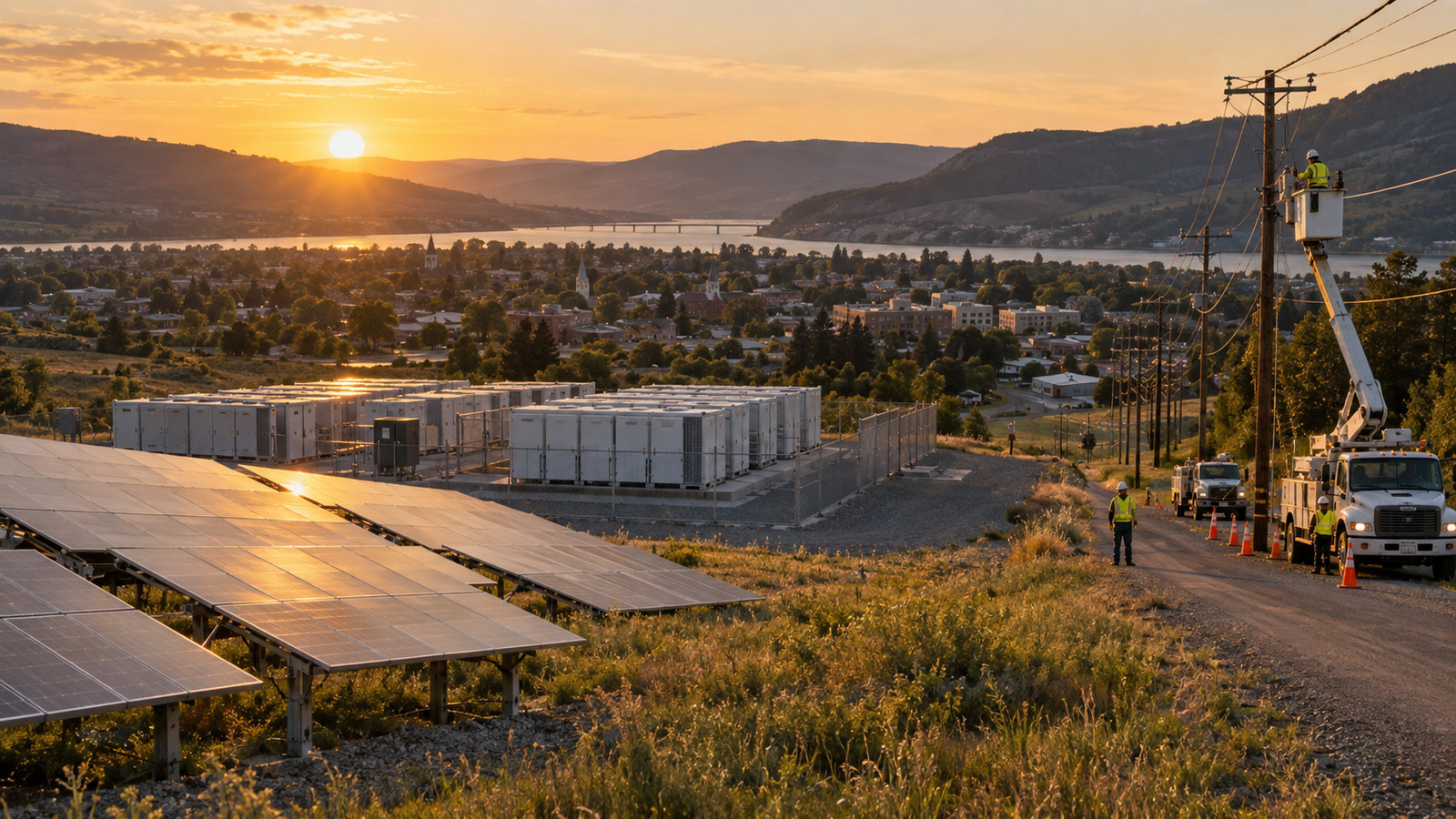
A reusable ecosystem layer can reduce fragmentation between data, communications, platforms and frontline workflows. Introduced through controlled use cases, it creates a practical route to broader coordination without locking critical operations into a single technology path.
The value is not a larger technology estate. It is a more responsive operating model that can grow with the ecosystem.
Reusable connections and platform capabilities make it easier to introduce and evolve services across ecosystem participants.
Shared patterns reduce fragmentation across data, communications and workflows as interactions multiply.
More consistent information and access help interactions move with less friction across organisational boundaries.
A modular foundation supports growing volumes of assets, participants and use cases while preserving appropriate oversight.
Explore where a trusted digital ecosystem can remove friction, strengthen operational decisions and create scalable value across your utility value chain.