- All Foundries

- Commodity Management & Trading

- Customer & Marketing Strategy

- Digital Engineering

- Station Studio

- Supply Chain & Industry 5.0
- Sustainability

- Physical AI

- Next-Gen Infrastructure








Managed Connected Infrastructure for Utilities
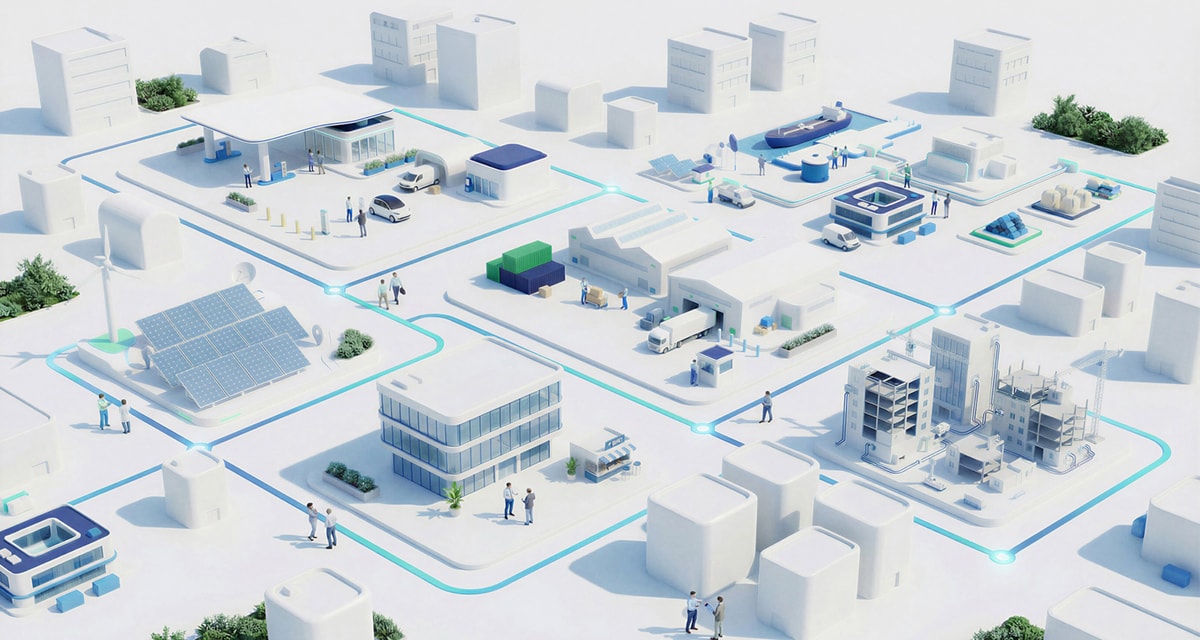
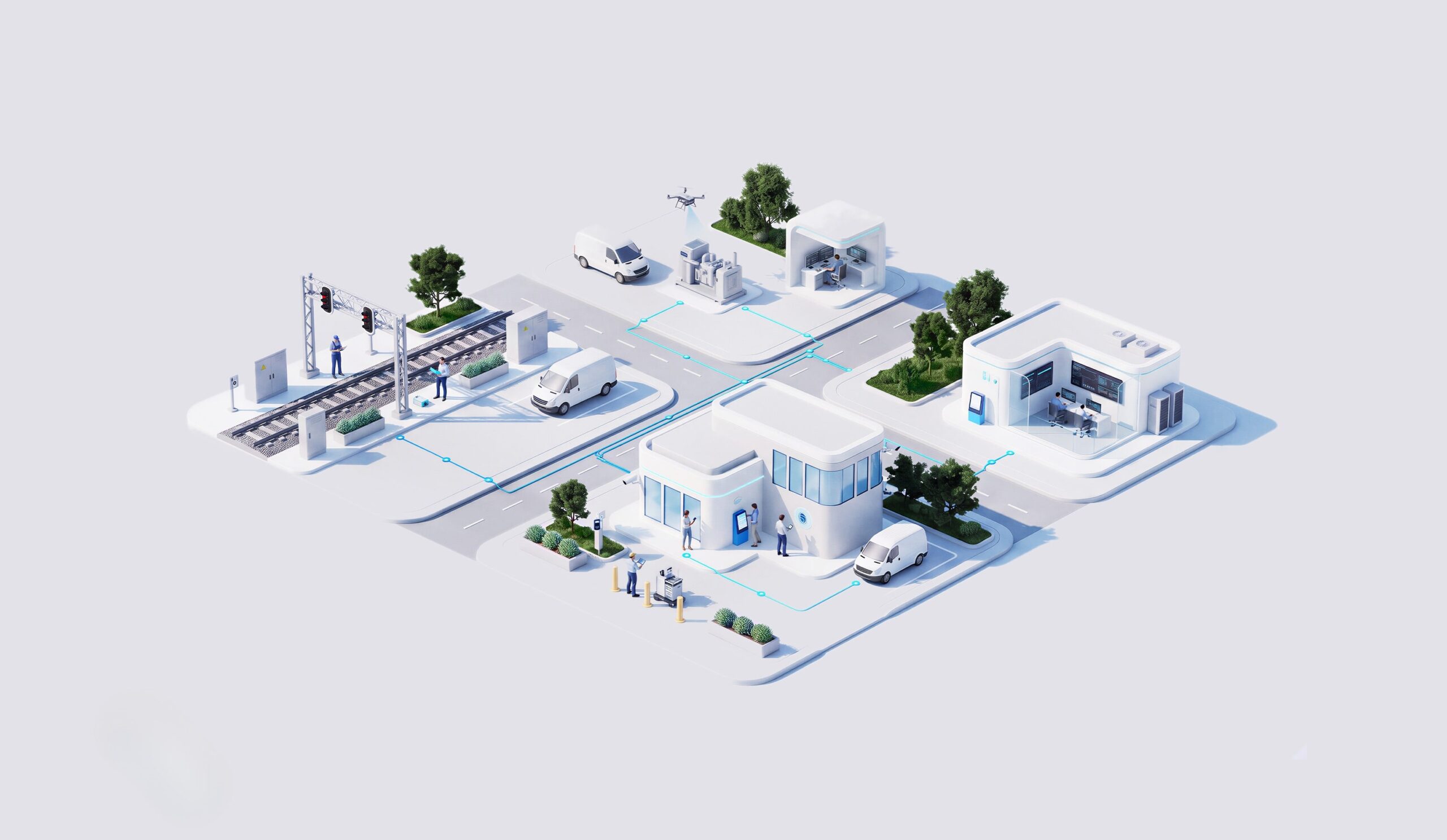
The operating model can span monitoring, incident response, lifecycle coordination, capacity management and continuous improvement across network and edge technologies. As complexity moves from deployment to day-to-day operation, observability, assurance, inventory, automation and orchestration become critical to manage the infrastructure as a service estate
Turning connectivity and network capabilities into concrete utility operating outcomes with stronger resilience, integration, security and lifecycle management

Faster detection, better topology awareness and coordinated response can reduce the time between a network problem and an effective resolution.
Controlled automation and workflow industrialization reduce manual effort while improving consistency across monitoring, incident and lifecycle activities.
Trustworthy inventory, telemetry and topology help teams distinguish symptoms from root causes and understand the impact of technical events on real utility services
A managed model consolidates lifecycle, monitoring, security and vendor coordination under business-aligned SLAs, helping scale heterogeneous estates without equivalent growth in complexity.
How NTT DATA helps
Defines service scope across network, edge and devices, establishing SLA, NOC/service desk and lifecycle responsibilities.

Builds the foundation with reliable inventory and telemetry, then adds cross-domain observability and service-level assurance.

Industrializes monitoring, security, automation and operational workflows across multiple technologies and vendors.

Applies analytics and AI to correlate events and support diagnosis, while more advanced closed-loop or agentic capabilities are introduced as data, policies and responsibilities mature.

Establishes governance and continuous improvement mechanisms focused on service outcomes, performance and progressive operational maturity.
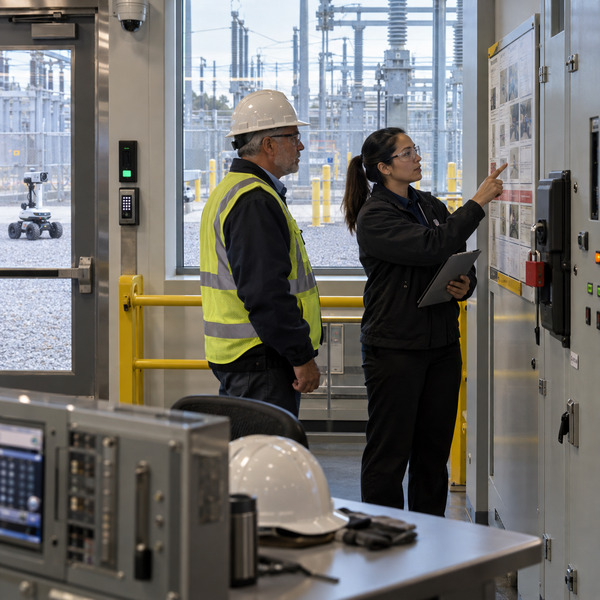

NTT DATA helps utilities evolve toward an intelligent operating model combining observability, assurance, inventory, automation, orchestration and managed operations to shorten incident resolution, improve consistency and strengthen service accountability.
Strengthening operational resilience by shortening the path from network issues to effective response, improving evidence of service levels and exposing recurring weaknesses.
Better topology awareness and service context reduce the time between a network problem and an effective response.
Clearer evidence of service levels helps protect critical utility processes that increasingly depend on digital infrastructure.
Cross-domain observability and service assurance make recurring performance issues easier to identify, understand and address.
Automation and coordinated workflows reduce manual effort and improve consistency across a heterogeneous multi-technology estate.
Improve service levels, resilience and automation across complex network, edge and device estates