- All Foundries

- Commodity Management & Trading

- Customer & Marketing Strategy

- Digital Engineering

- Station Studio

- Supply Chain & Industry 5.0
- Sustainability

- Physical AI

- Next-Gen Infrastructure











Digital Engineering for Midstream
When engineering records, operational signals and maintenance histories remain disconnected, teams spend more time reconciling information and less time acting on it. This limits visibility, slows project execution and makes asset decisions harder to standardize.

Give teams a more consistent view of assets, documents and operational context.
Use condition and maintenance information to prioritize critical equipment.
Improve the continuity of information between design, construction and operations.
Provide teams with timely information across distributed facilities.
How NTT Data helps
We connect operational and engineering data to provide a more consistent view of pipeline flows, equipment condition and facility performance. Cloud platforms, IoT data and analytics help teams detect changes earlier, investigate operational events and make decisions using information shared across control, engineering and field functions.
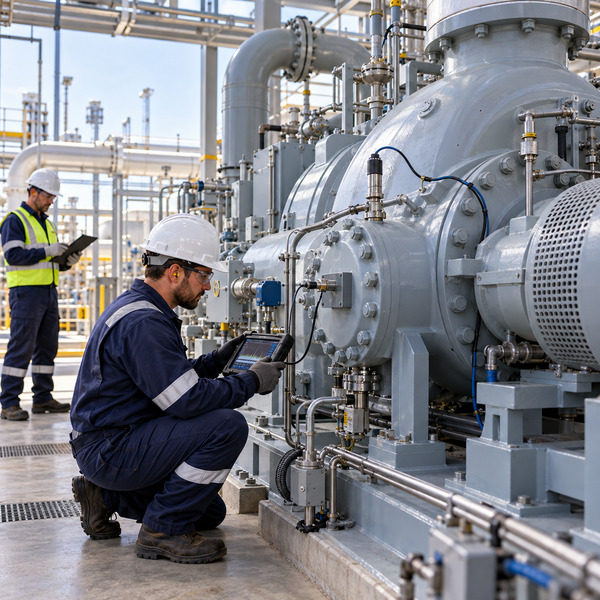
We combine equipment history, condition data and maintenance information to support risk-based planning for compressors, pumps, valves and other critical assets. Digital twins and predictive analytics can help teams identify deterioration patterns, prioritize interventions and coordinate maintenance around operational requirements.
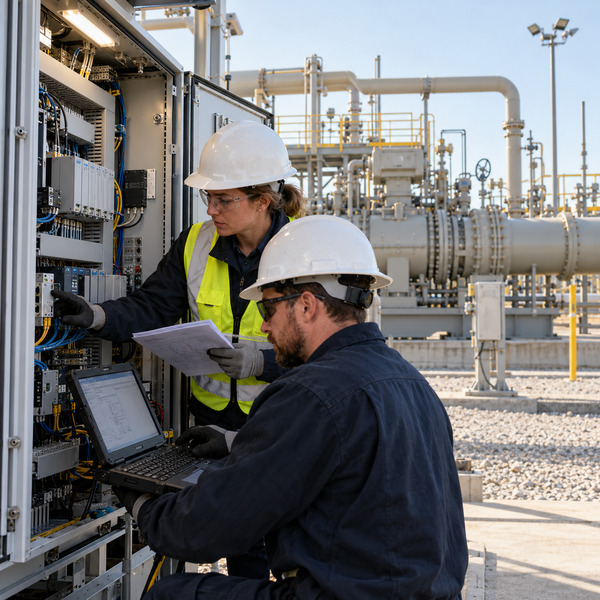
We connect PLM, BIM and ERP environments so that engineering information can move more consistently from design and construction into operations. This improves access to current asset records, supports change control and reduces the effort required to reconcile information during upgrades and capital projects.
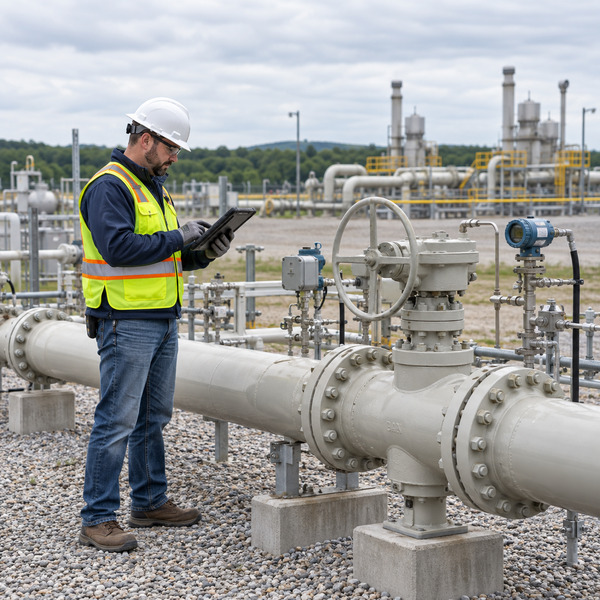
We consolidate fragmented engineering information into governed, interoperable platforms that can support both legacy assets and new digital capabilities. Standardized data models and integration services improve information quality while allowing modernization to progress in controlled phases rather than through disruptive replacement programs.
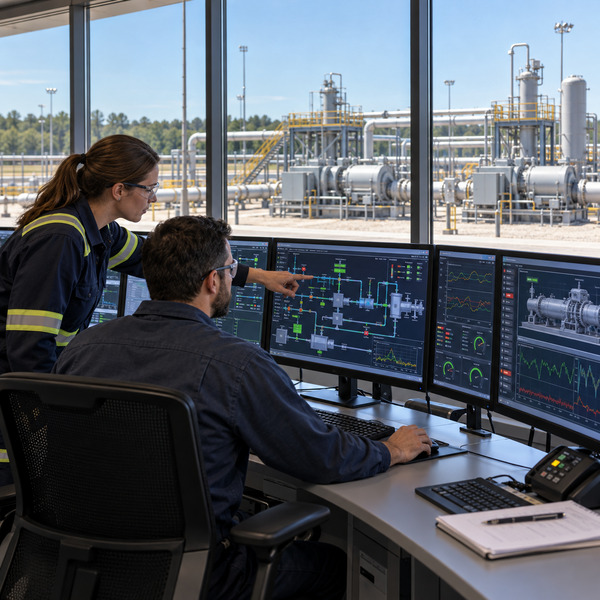
We incorporate cybersecurity, access control and data governance into the integration of operational and engineering environments. This helps organizations connect assets and platforms while maintaining appropriate separation, traceability and control across critical OT processes.
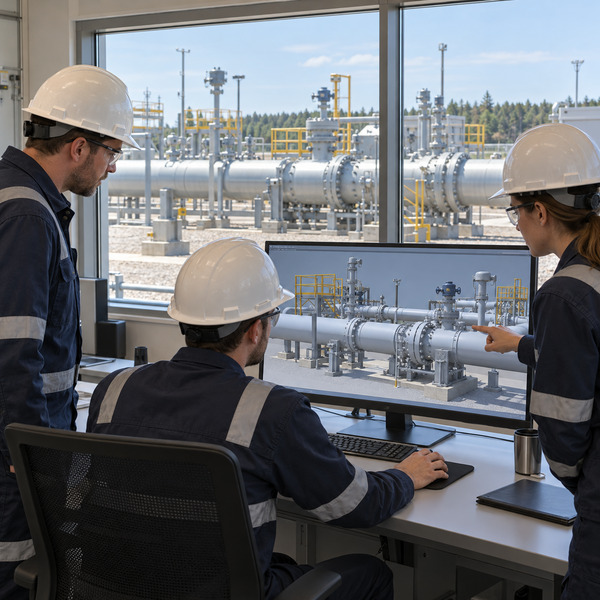
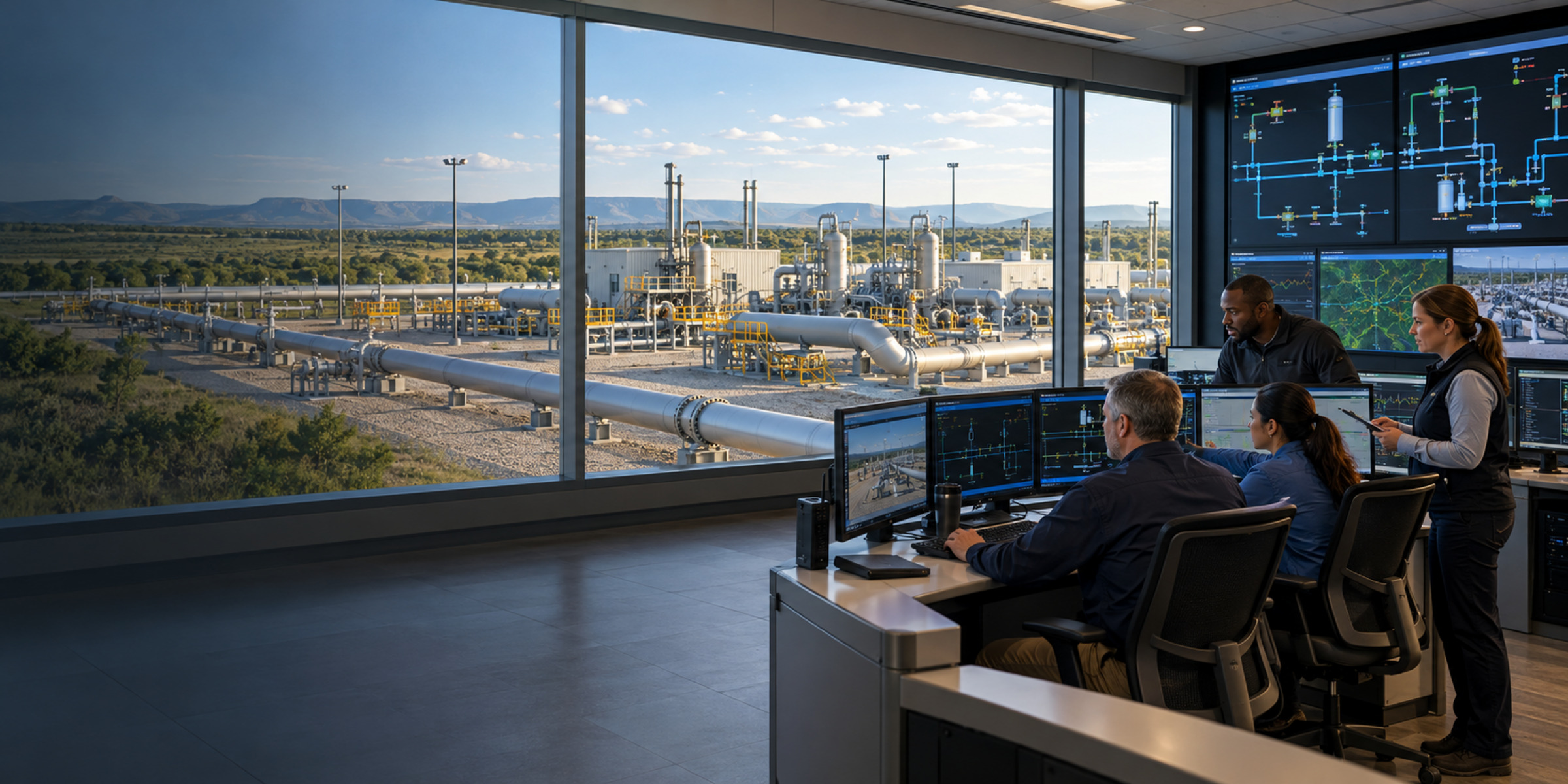
A connected engineering environment gives operations, maintenance and project teams access to more consistent asset information. This supports earlier identification of equipment issues, better maintenance prioritization and stronger coordination between field and engineering teams. It also creates a more reliable foundation for modernization by reducing isolated data sources and improving traceability across the asset lifecycle.
Organizations with rationalized OT architectures achieve measurable improvements.
Common decision criteria based on a shared view of assets and dependencies.
Lifecycle priorities coordinated with turnarounds and operational constraints.
Upgrade initiatives align operations, engineering, finance and cybersecurity teams.
Obsolete and unsupported assets addressed through planned lifecycle actions.
Talk to our midstream specialists about connecting engineering, asset and operational data across your infrastructure.