- All Foundries

- Commodity Management & Trading

- Customer & Marketing Strategy

- Digital Engineering

- Station Studio

- Supply Chain & Industry 5.0
- Sustainability

- Physical AI

- Next-Gen Infrastructure











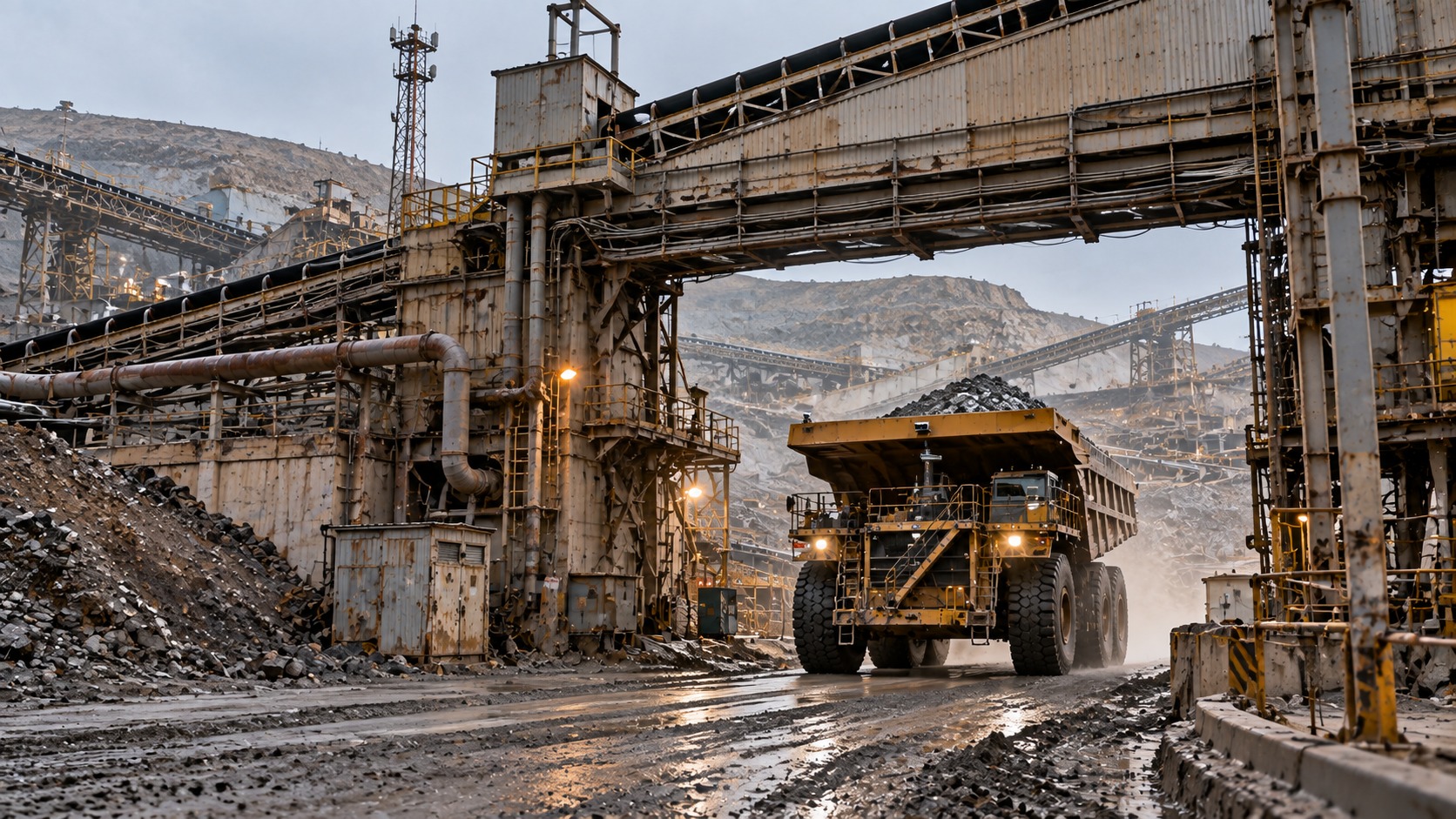
Brownfield mining autonomy across legacy OT architecture
The question is not simply how much can we automate. It is how much of the existing environment the autonomous system can understand, negotiate and recover from safely.
Treating autonomy as coexistence changes the implementation target.

The goal is to expand the situations the mine can resolve when autonomous and conventional equipment, legacy systems and people interact.
The mine identifies where haulage can operate autonomously, where extra coordination is needed and where authority returns to a person.
An exception can deliberately return authority to a person or a degraded operating mode, instead of stopping the circuit by surprise.
Autonomy grows by mastering interfaces and exceptions rather than waiting for the mine to become architecturally clean first.
How NTT DATA helps
Start with the haulage circuit as it is: equipment generations, communications, control systems, roads, workshops, procedures and human roles.
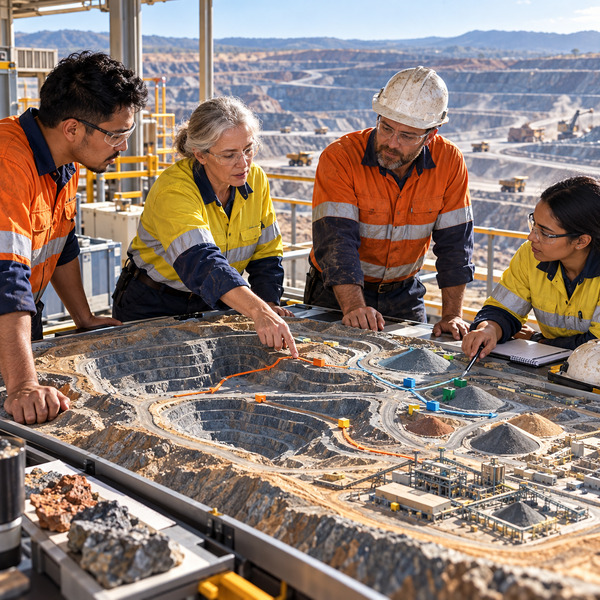
Make explicit what happens when an autonomous truck meets a legacy shovel, enters a shared zone, loses connectivity or meets unknown logic.
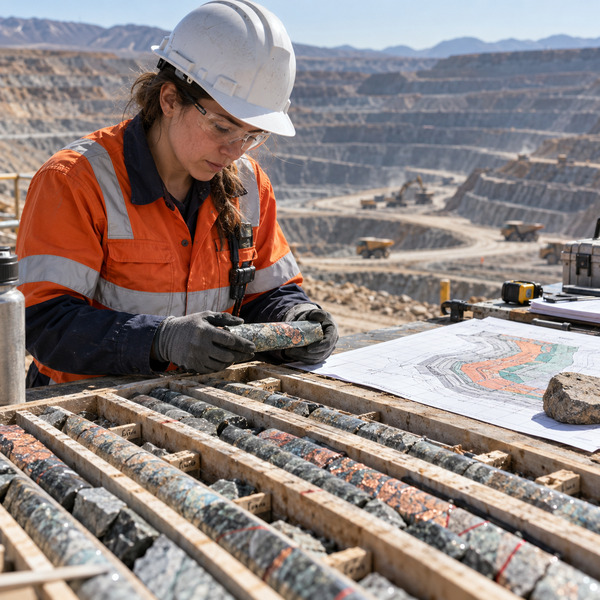
Use integration, data and workflow layers so information moves across technology generations while preserving each system’s meaning and limits.
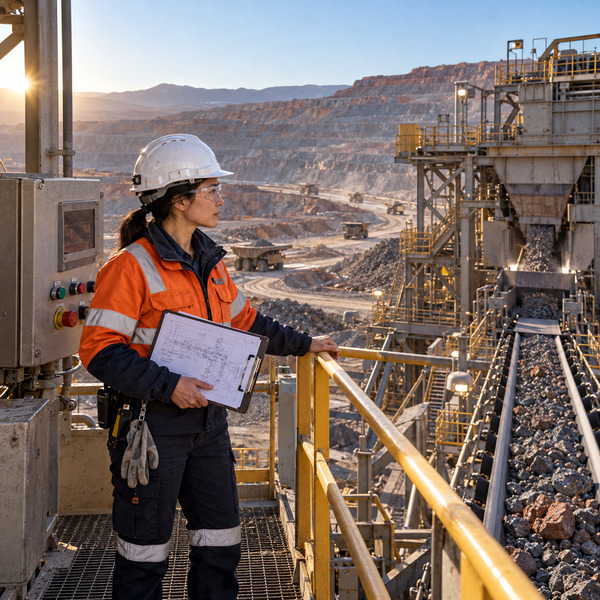
Define which conditions remain automated, which require recommendation or supervision, and when control must move to a human or degraded mode.

Track where handoffs, delays, mismatched states or recurring exceptions are constraining the operating envelope.

Use operating evidence to improve rules, interfaces and responsibilities so more situations can be resolved reliably in the next iteration.
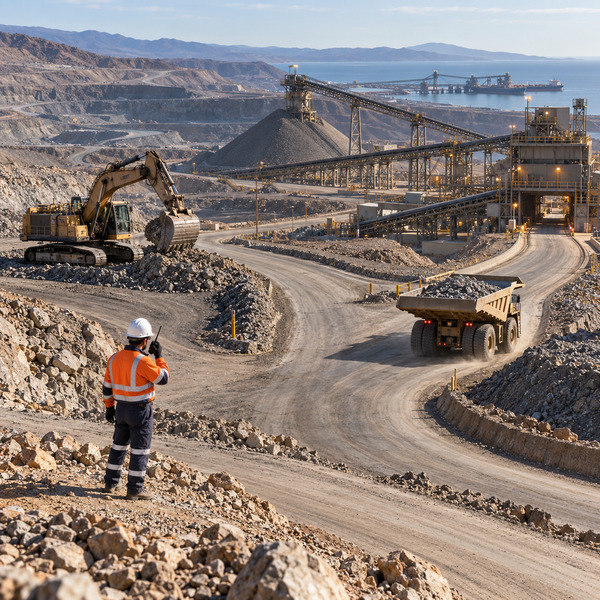
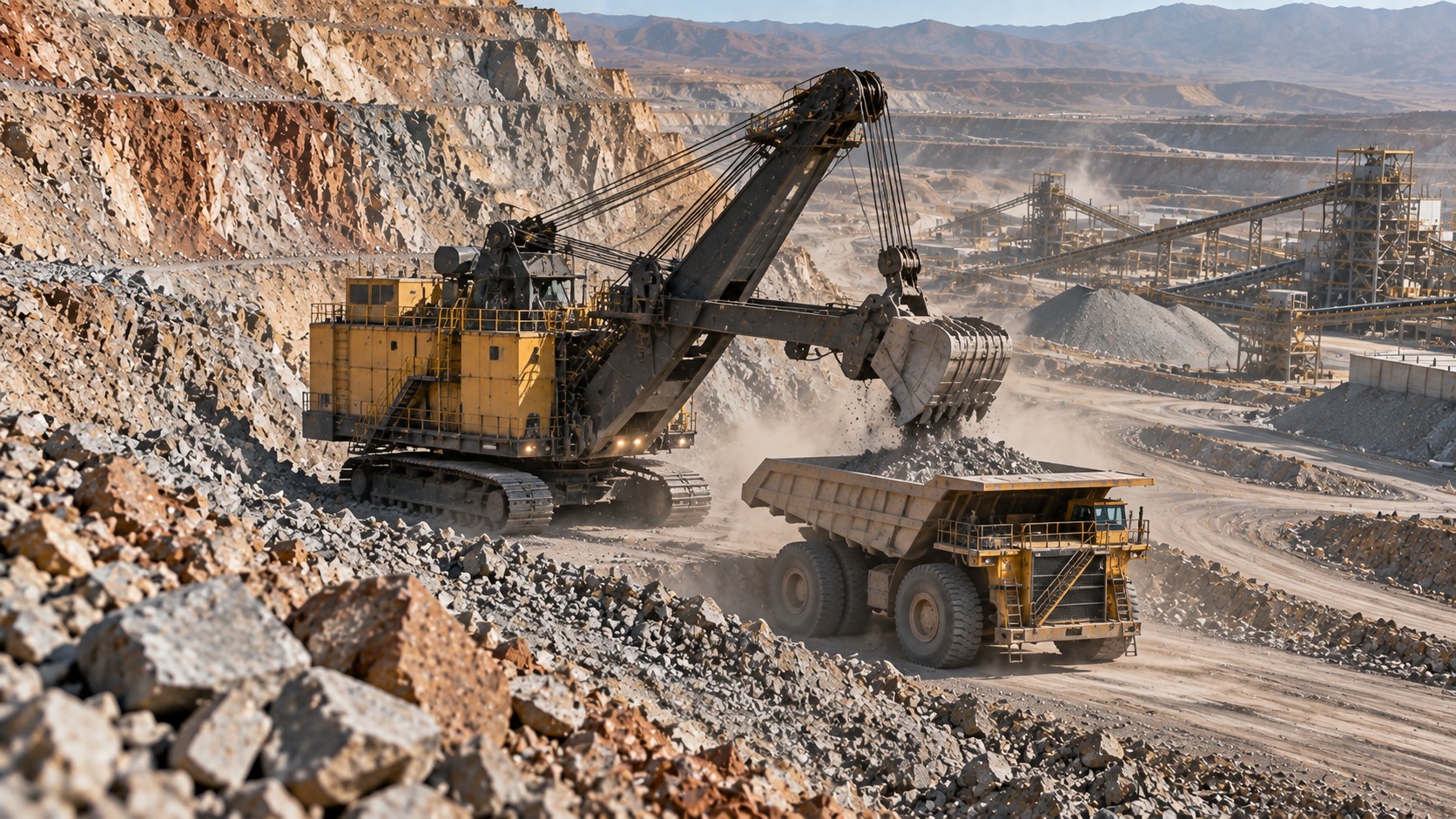
Its practical operating envelope depends not only on the autonomous equipment, but on how well those interfaces can be coordinated and how safely exceptions are handled.
The mature brownfield mine will not look autonomous because every legacy system has disappeared.
New capability can operate through yesterday’s architecture – shovels, radios, dispatch rules, workshops – without being trapped by it.
When autonomous and conventional systems disagree, the mine knows what to do, who has authority and which degraded mode applies.
Progress depends on making the boundaries between old and new explicit rather than pretending yesterday’s architecture can disappear.
Operating evidence improves rules and responsibilities, so each iteration resolves more situations reliably than the one before.
Explore how mastering interfaces and exceptions can expand autonomous haulage across legacy OT in brownfield mining operations.