- All Foundries

- Commodity Management & Trading

- Customer & Marketing Strategy

- Digital Engineering

- Station Studio

- Supply Chain & Industry 5.0
- Sustainability

- Physical AI

- Next-Gen Infrastructure












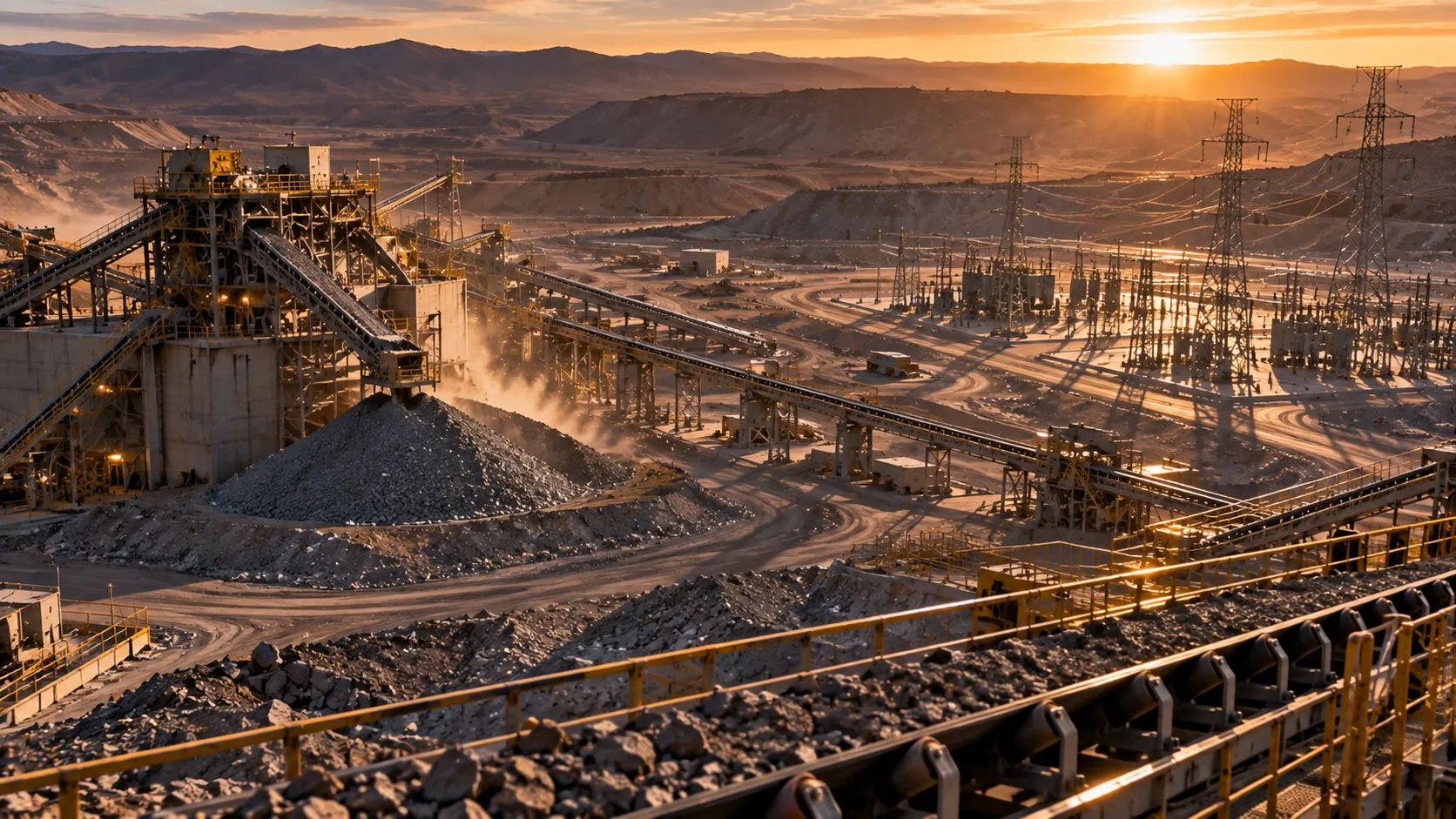
Electricity Constraints as a Real-Time Mining Decision
That event was exceptional. The implication is not: which production action should receive the next available megawatt when not every commitment can be powered at once?
The mine can see electrical headroom as production capacity.

Treating electricity as an operating constraint lets the mine see the remaining electrical headroom as production capacity.
The operation anticipates when throughput, pumping or high-load activities become incompatible with the available electrical envelope.
The operation can compare which loads preserve the most chain value when not every commitment can be powered at the same time.
Curtailment, resequencing or recovery are coordinated before protection systems or outages make the decision automatically.
How NTT DATA helps
Relate major electrical loads, substations and feeders to the physical processes, production commitments and restart dependencies they enable.
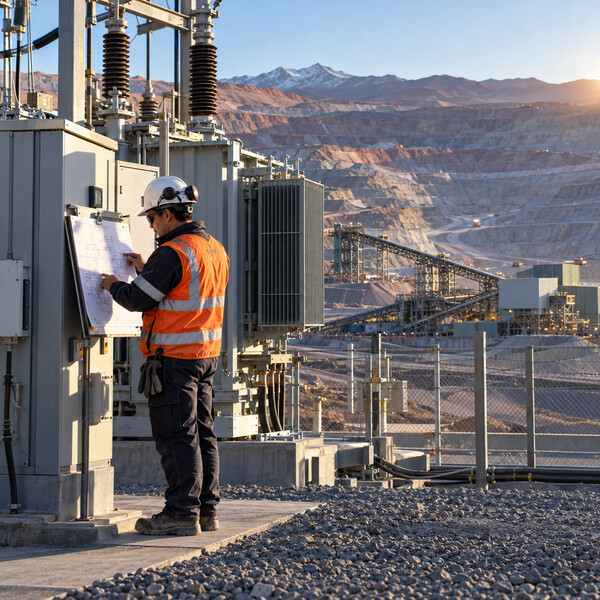
Combine grid import, site generation, network limits, equipment availability, power quality and production demand into one view of headroom.
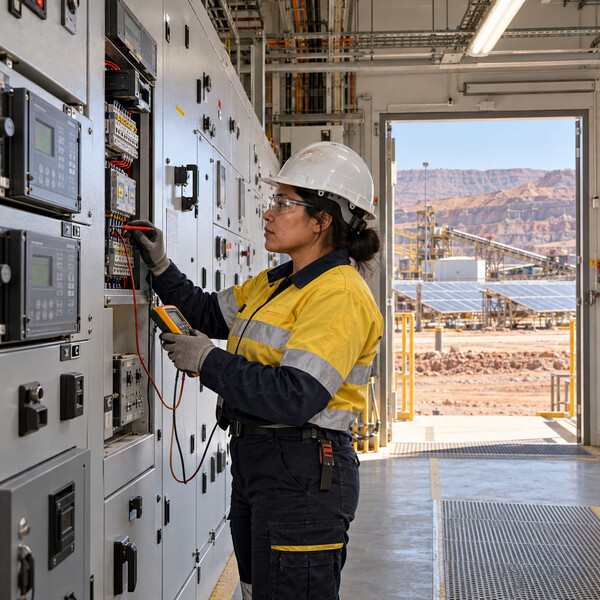
Use load forecasting and operational models to see when the plan approaches a power constraint before it becomes a trip or forced curtailment.
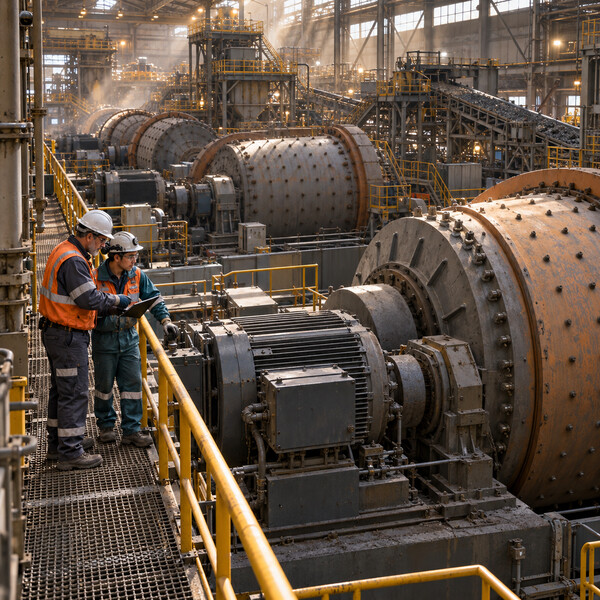
Simulation and optimization can evaluate which loads to shift, sequence, protect or reduce, considering throughput, water and recovery.
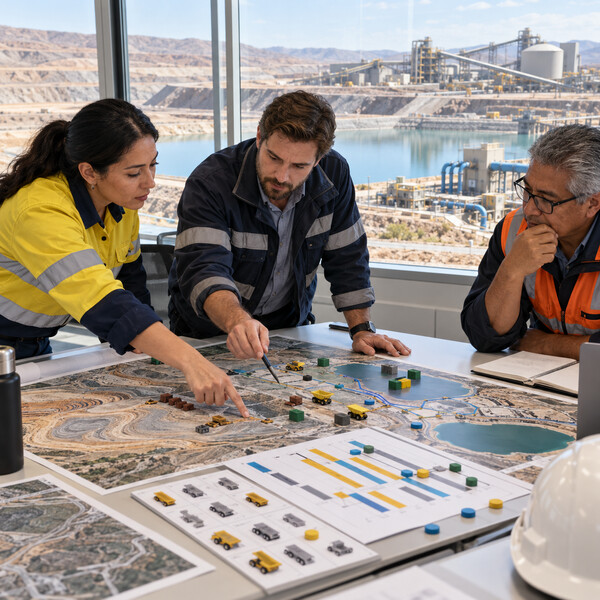
Define how Energy, Concentrator, Water, Maintenance and Planning recognize the event, compare alternatives and commit one response in time.
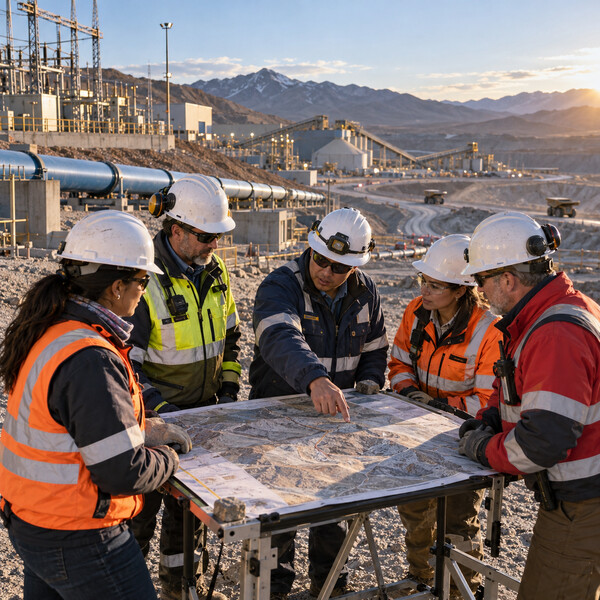
Use observability and event histories to verify curtailment and restoration, improve restart logic and automate repeatable responses.
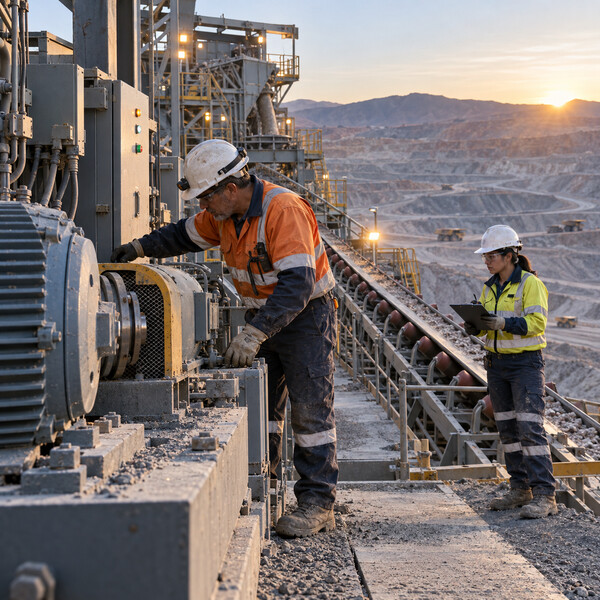
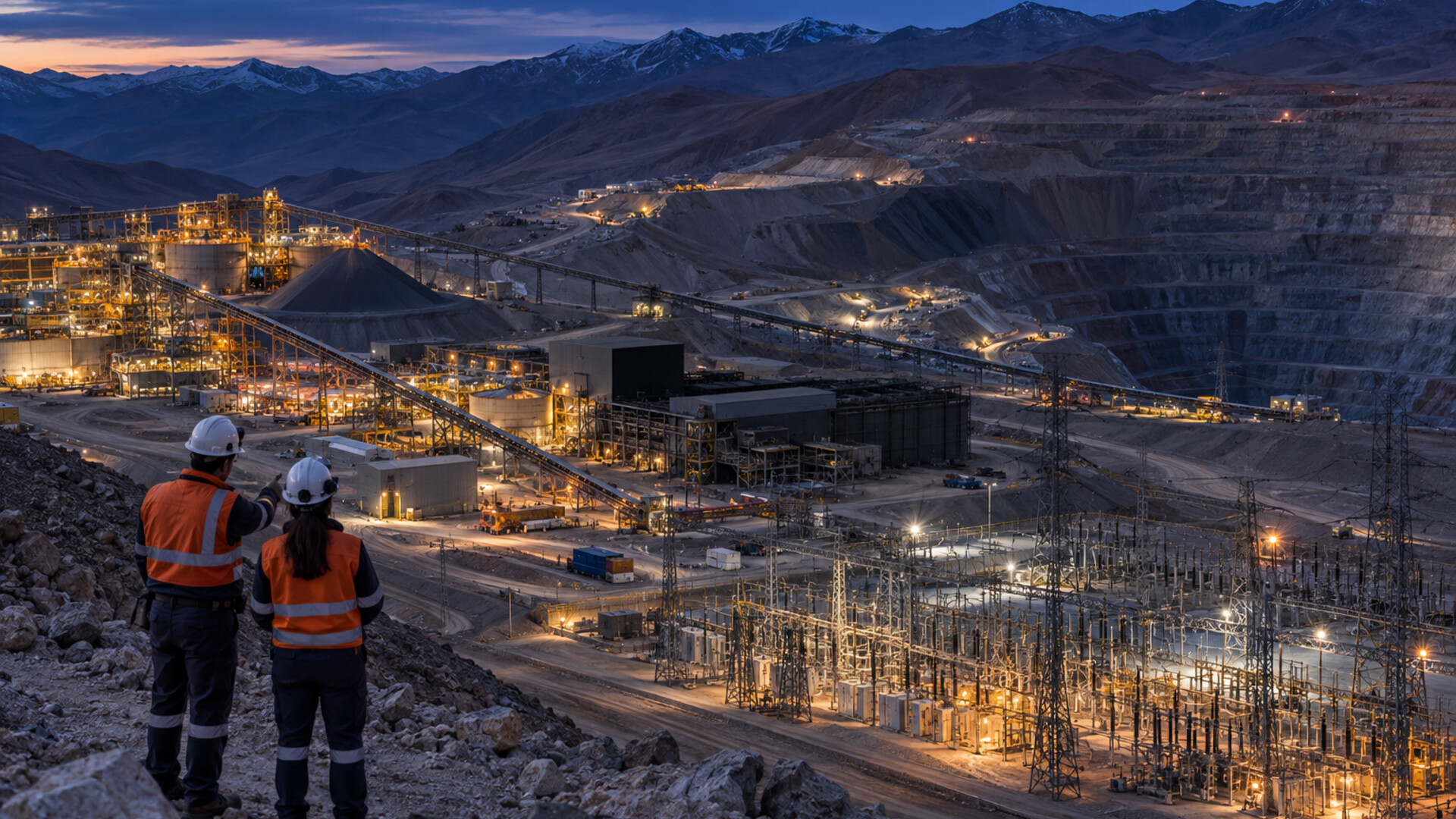
Cochilco projects copper-mining electricity use rising from 27.6 TWh in 2025 to 33.2 TWh in 2034, with concentration at 55%. Electrical capacity increasingly belongs in the production conversation.
The value is not simply lower energy cost. It is preserving safe, deliberate production choices when power is constrained.
The modern mine knows when electricity has become the active mining constraint, not only what electricity costs per megawatt-hour.
The operation knows which physical commitments depend on the remaining capacity and who is authorized to change them in an event.
Grinding, pumping and other large loads are prioritized together within the electrical envelope rather than competing by default.
Each curtailment and restoration event improves restart logic, and repeatable responses can be automated within known limits.
Explore how connecting the electrical system to production decisions can protect mining operations when power becomes constrained.