Smart Robotics for Data Center Automation
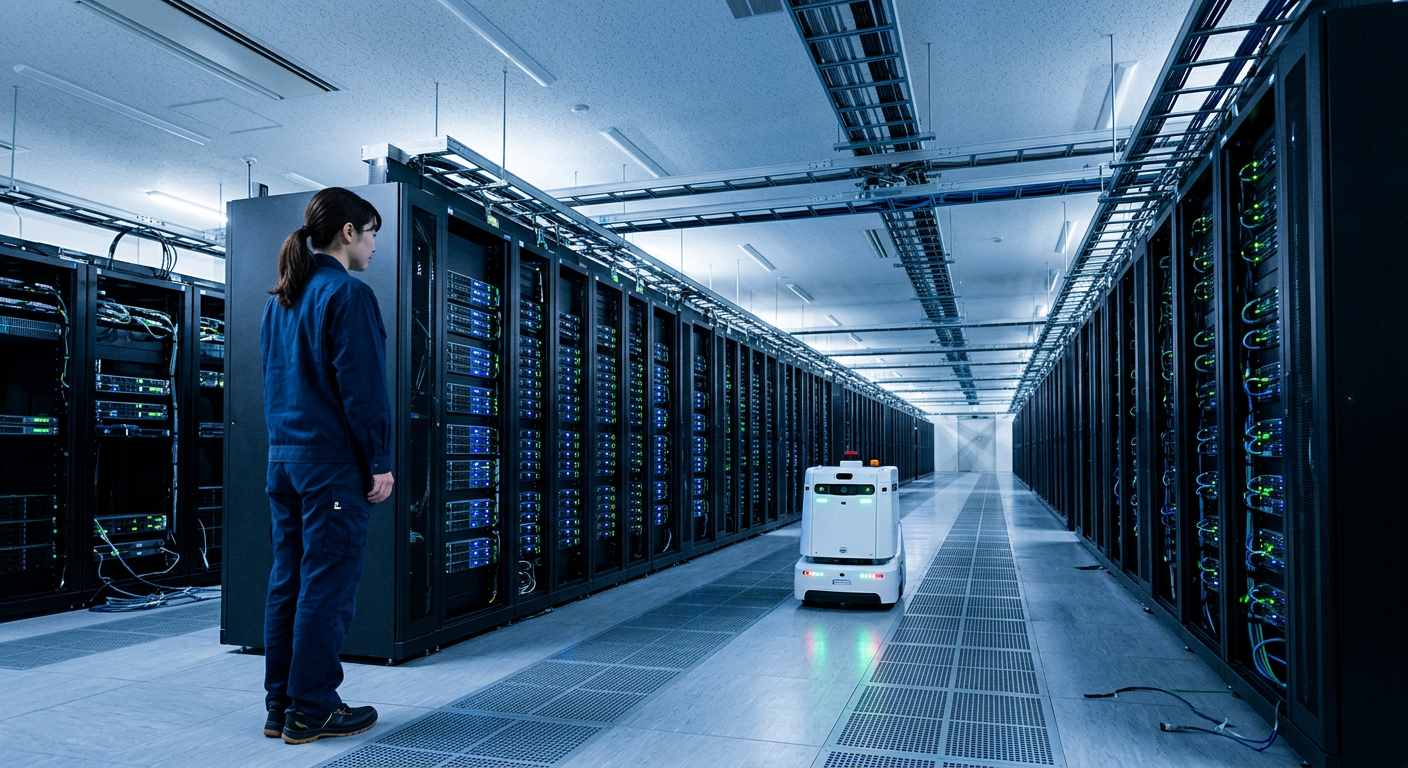
Data centers depend on skilled staff to read meters, check lamps and notice odd appearances or strange odors, and those people are getting harder to find. NTT DATA put autonomous patrol robots with cameras and sensors on these routine rounds, which used to take skilled workers 1 to 2 hours every day.
Daily inspection time: 1-2 hours
Routine rounds moved from skilled workers to robots.
Inspection scope: Meters, lamps and anomalies
Cameras and sensors cover the daily checklist.
Work style: Remote
Specialists follow inspection results away from the site.
Expert know-how: Turned into data
Experience from the field becomes information the team visualizes.
Smart Robotics for Data Center Automation
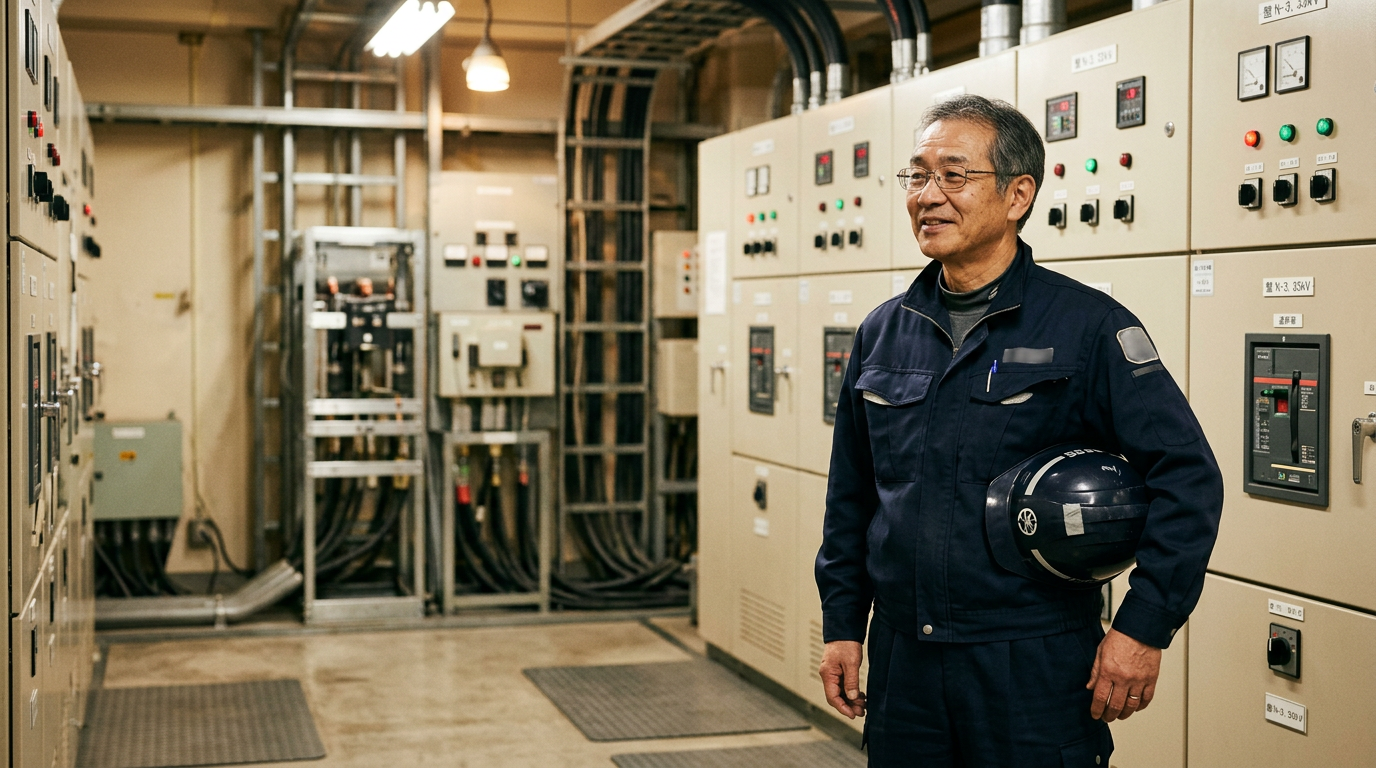
Stable data center operations with fewer skilled hands on routine checks
Objectives
Save labor in equipment management and run inspections more efficiently with digital technology.
Opportunity
Robots take over the repetitive rounds, and expert knowledge becomes data the whole team uses.
A purchasing cycle built on manual work

Invoices passed through many hands. The team spent hours on tasks a system completes in minutes, and managers lacked a clear trail for each purchase.

Key Challenges
1: Labor shortage. Building management struggles to staff routine operations.
3: Daily manual rounds. Meter readings, lamp checks and visual inspections took 1 to 2 hours every day.
3: An organization built for manual work. Roles and responsibilities were not designed for automation.
4: Knowledge held by individuals. Expert know-how stayed with each worker and was hard to pass on.
Solution
Autonomous patrol robots with cameras and sensors

NTT DATA targeted routine equipment inspection and moved the work to autonomous patrol robots. The work draws on NTT DATA’s operation of one of the three largest data center platforms in the world outside China, and appears in NTT DATA public announcements from 2022 and 2023.

check icon
Meter reading

The robot’s cameras read the meters along each inspection route.

check icon
Lamp checks

The robot verifies status lamps on equipment panels during the patrol.

check icon
Anomaly detection

Cameras and sensors flag abnormal appearances and strange odors.

check icon
Data for remote work

Inspection results arrive as data, so specialists review them without walking the floor.

Impact
Skilled hours back and expertise on record

Robots reduce the 1 to 2 hours of daily inspection work, and specialists move to higher-value tasks. Remote checks over secure networks prepare the operation for IOWN, and fewer site visits support the energy goals of next-generation data centers. The know-how of skilled workers becomes visible through data.

Drag