- All Foundries

- Commodity Management & Trading

- Customer & Marketing Strategy

- Digital Engineering

- Station Studio

- Supply Chain & Industry 5.0
- Sustainability

- Physical AI

- Next-Gen Infrastructure


All Foundries
Commodity Management & Trading
Transforming trading ecosystems through data-driven insights and secure, agile platforms that empower global commerce.

Customer & Marketing Strategy
Reimagining customer engagement with personalized, connected experiences that build trust and long-term value.
Digital Engineering
Turning ideas into scalable digital solutions—accelerating transformation through design, technology, and engineering excellence.
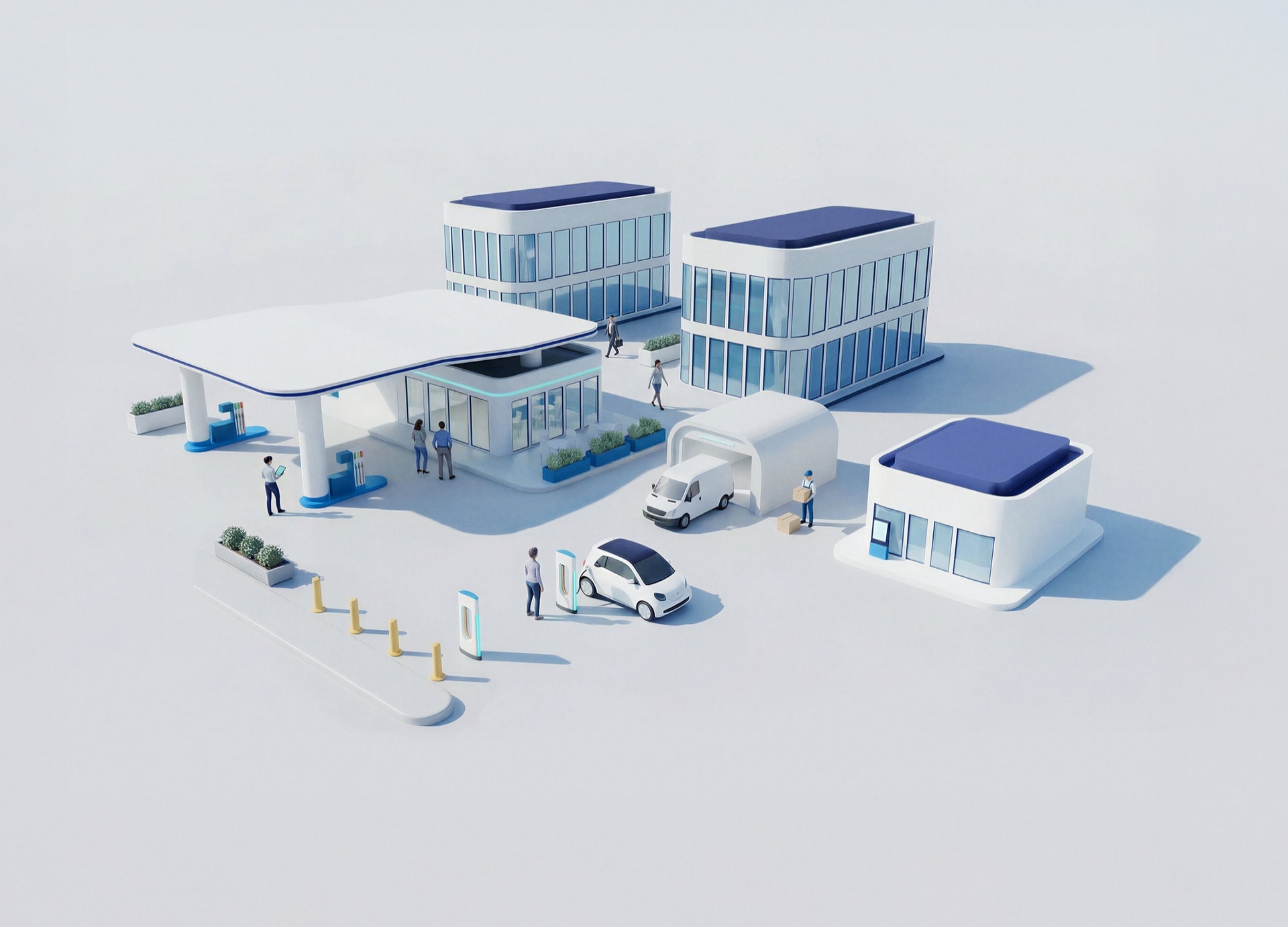
Station Studio
Redefining mobility hubs with digital innovation to create smarter, sustainable experiences for people and businesses on the move.
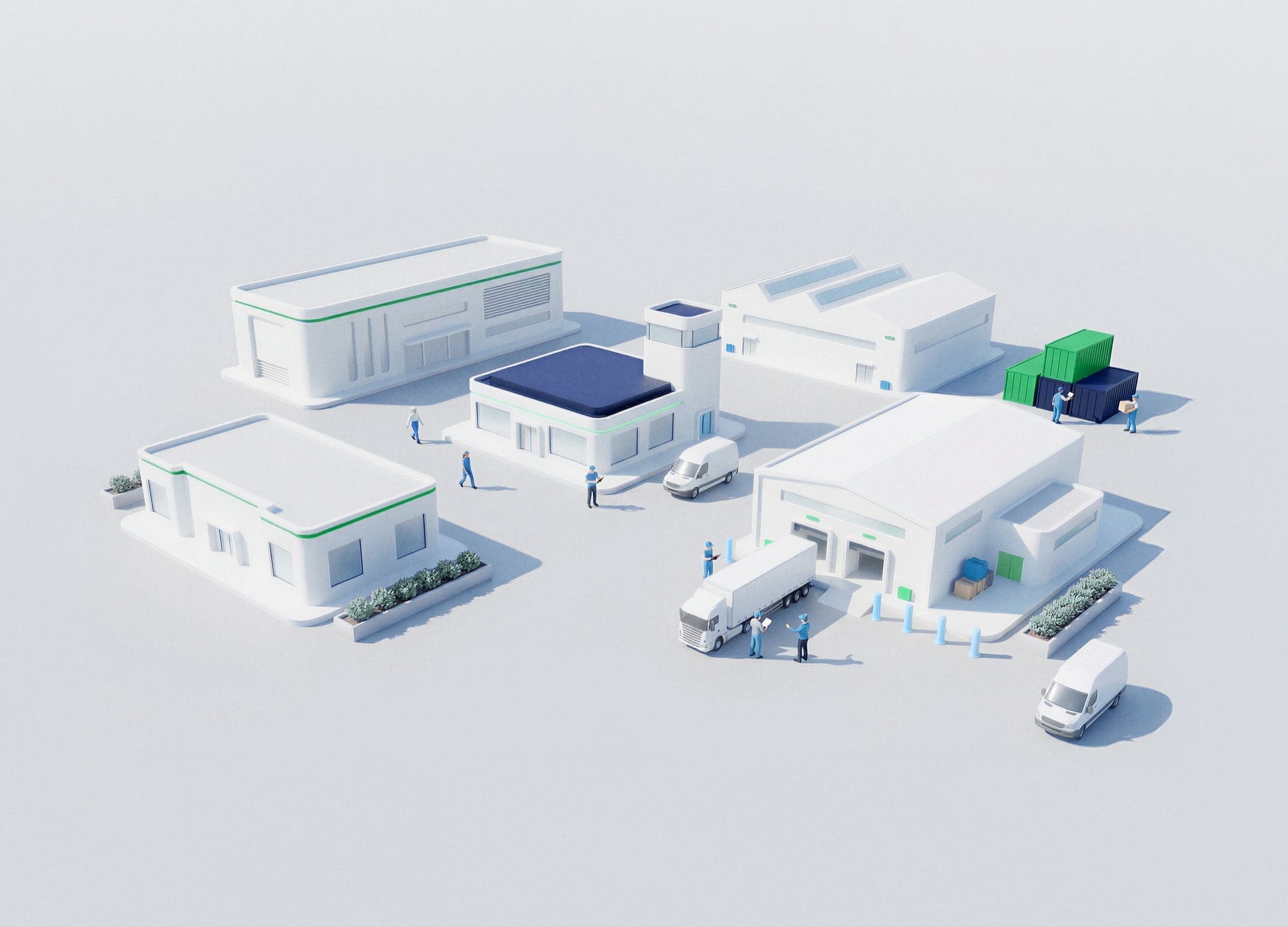
Supply Chain & Industry 5.0
Building resilient, intelligent supply networks that anticipate change and deliver efficiency with purpose.
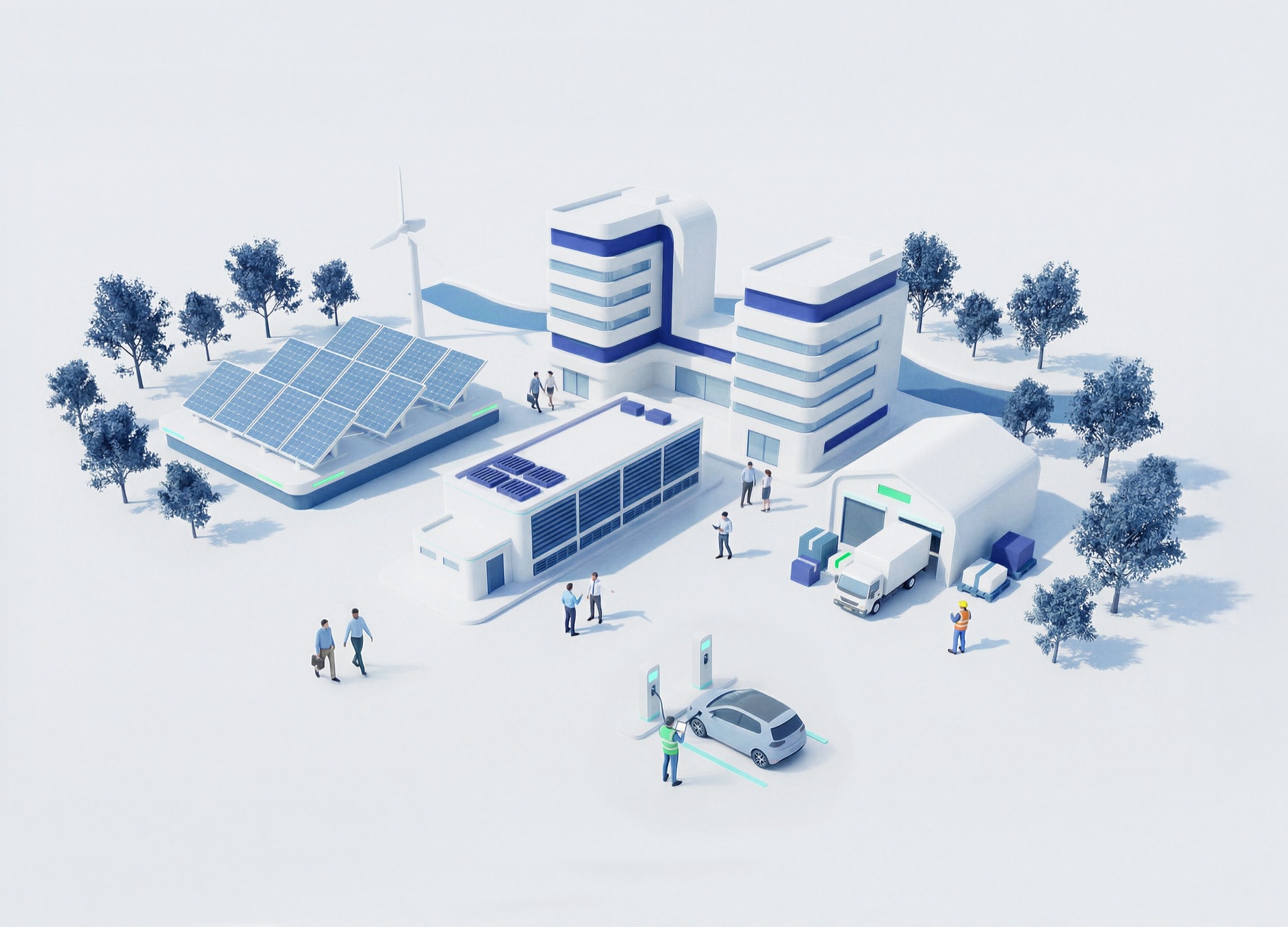
Sustainability
Driving responsible innovation to help organizations achieve net-zero goals and create a positive impact for future generations.
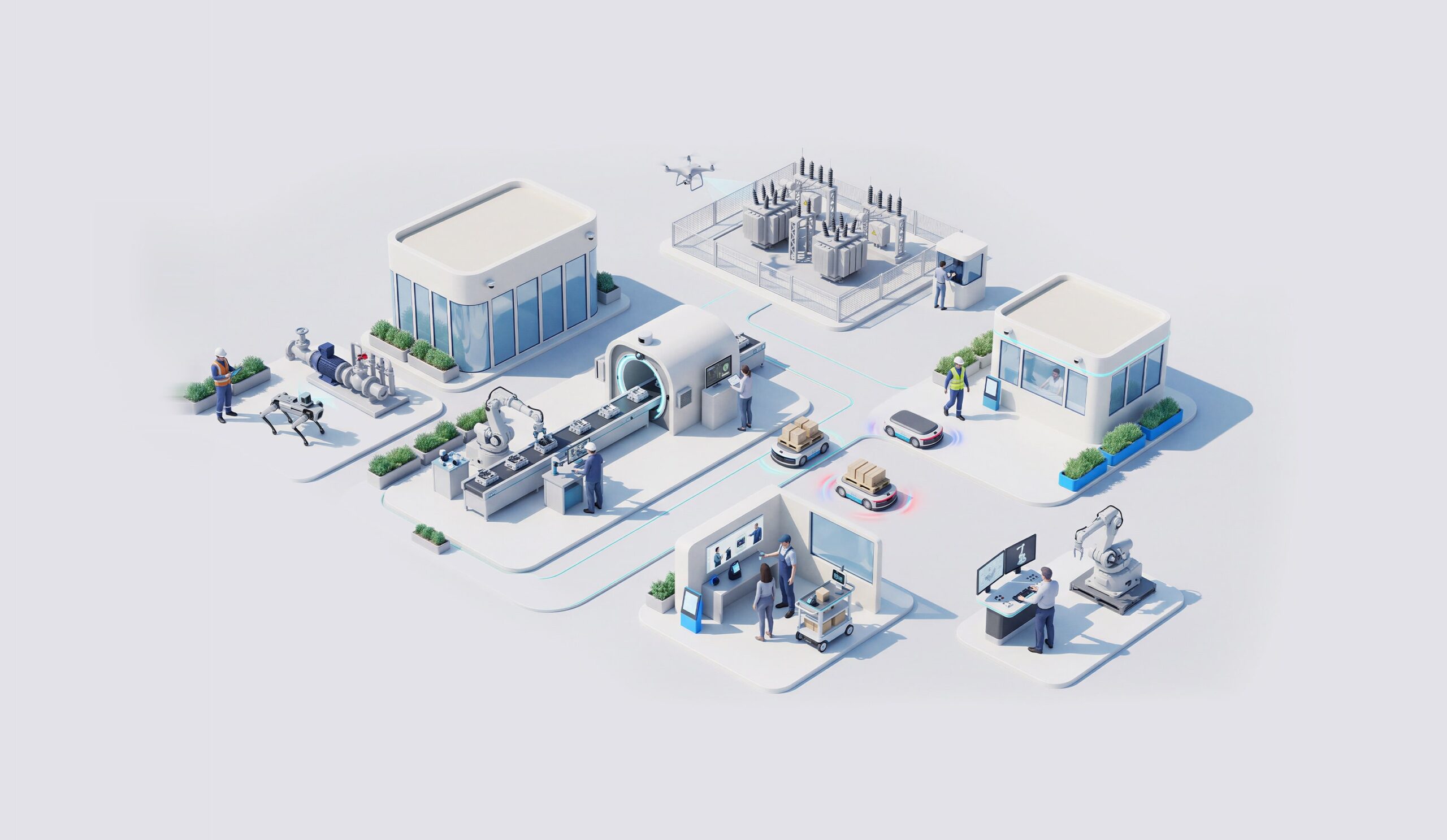
Physical AI
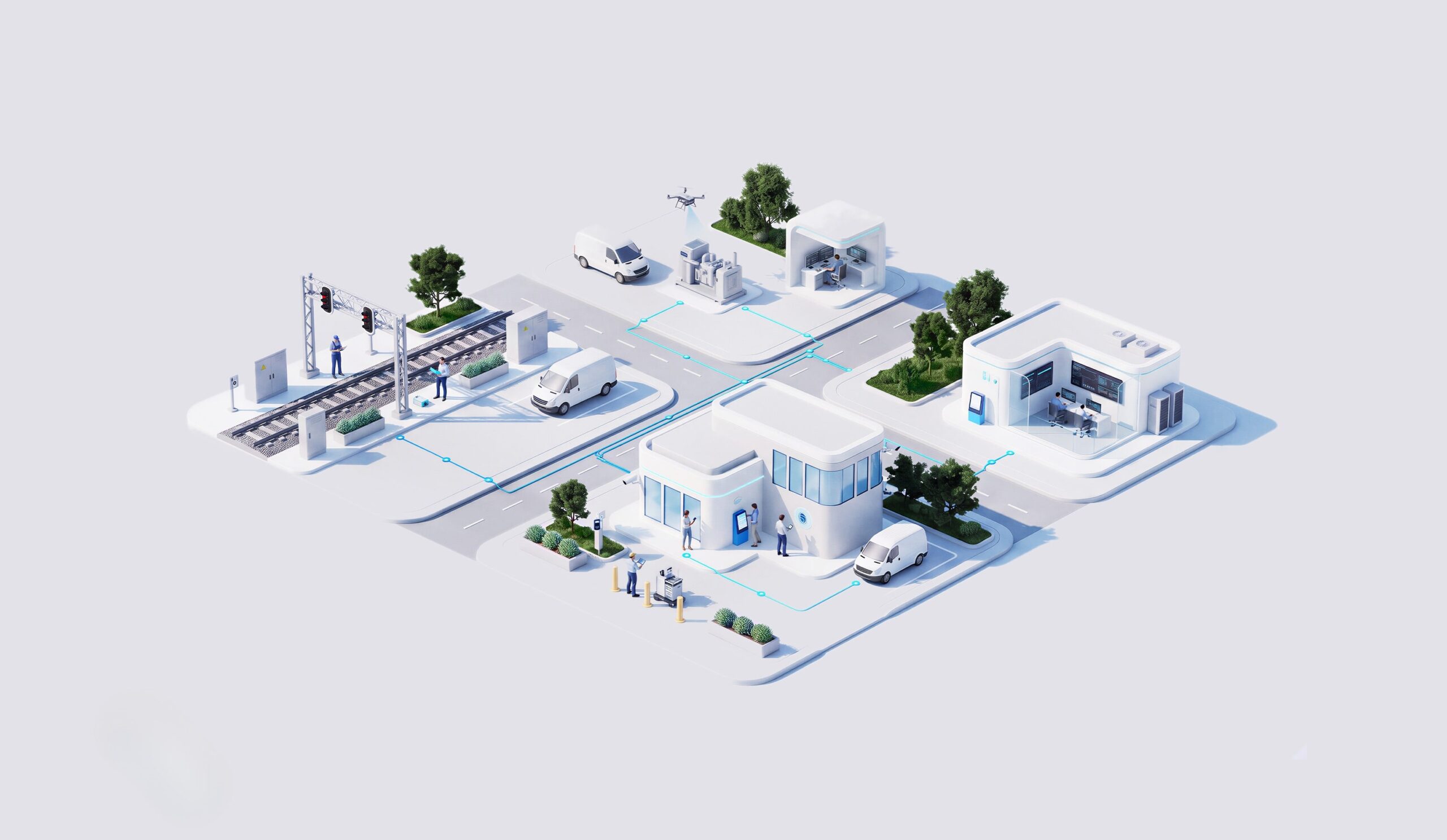
Physical AI gives machines, robots and physical operations the ability to perceive their environment, decide what matters and act in real time. Factories, plants, stores and infrastructure become systems able to sense conditions, learn from them and improve on their own, closing the gap between the physical and the digital world.
Next-Gen Infrastructure
From networks as infrastructure to connected platforms that enable critical, autonomous and intelligent operations.


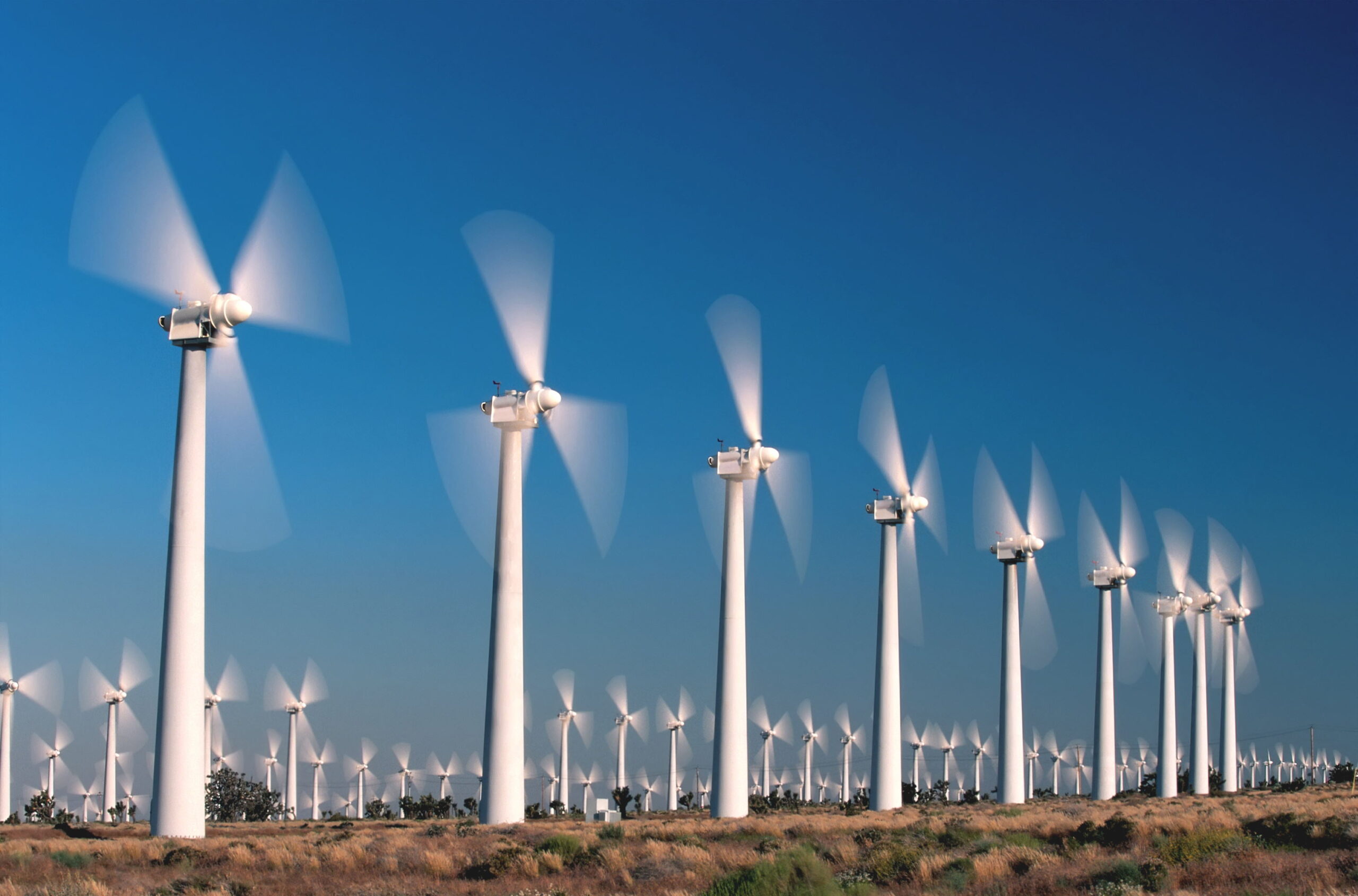
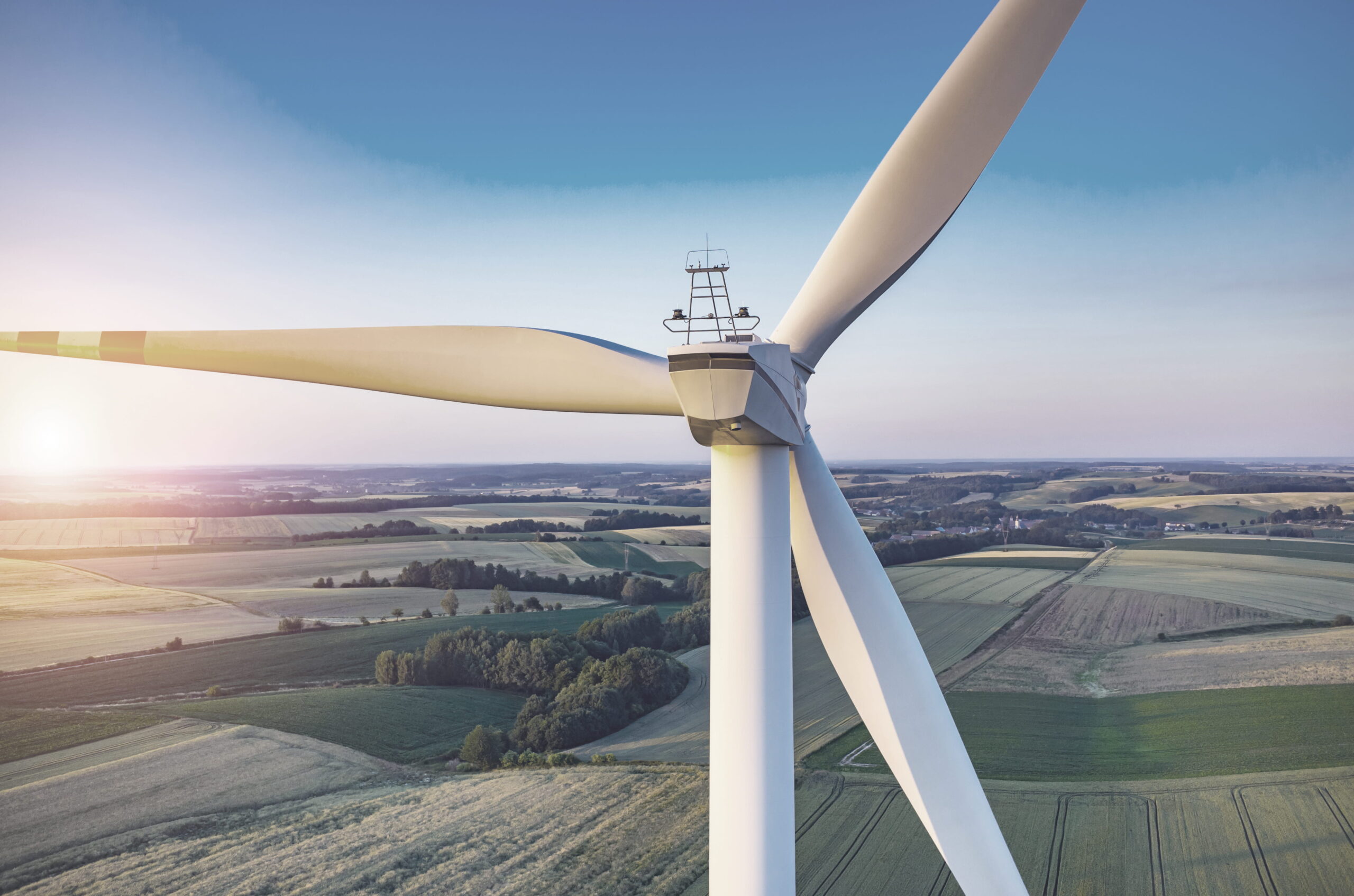
Artificial intelligence for the prevention of collisions between birds and wind turbines
AI-driven flight prediction enables real-time decisions to reduce bird collisions while improving wind farm availability and minimizing unnecessary operational stops
Bird protection
Reduced collision risk through predictive flight models
Real-time decisions
Autonomous, data-driven operational control
Higher availability
Fewer unnecessary turbine stops
Energy efficiency
Reduced losses through optimized stop control
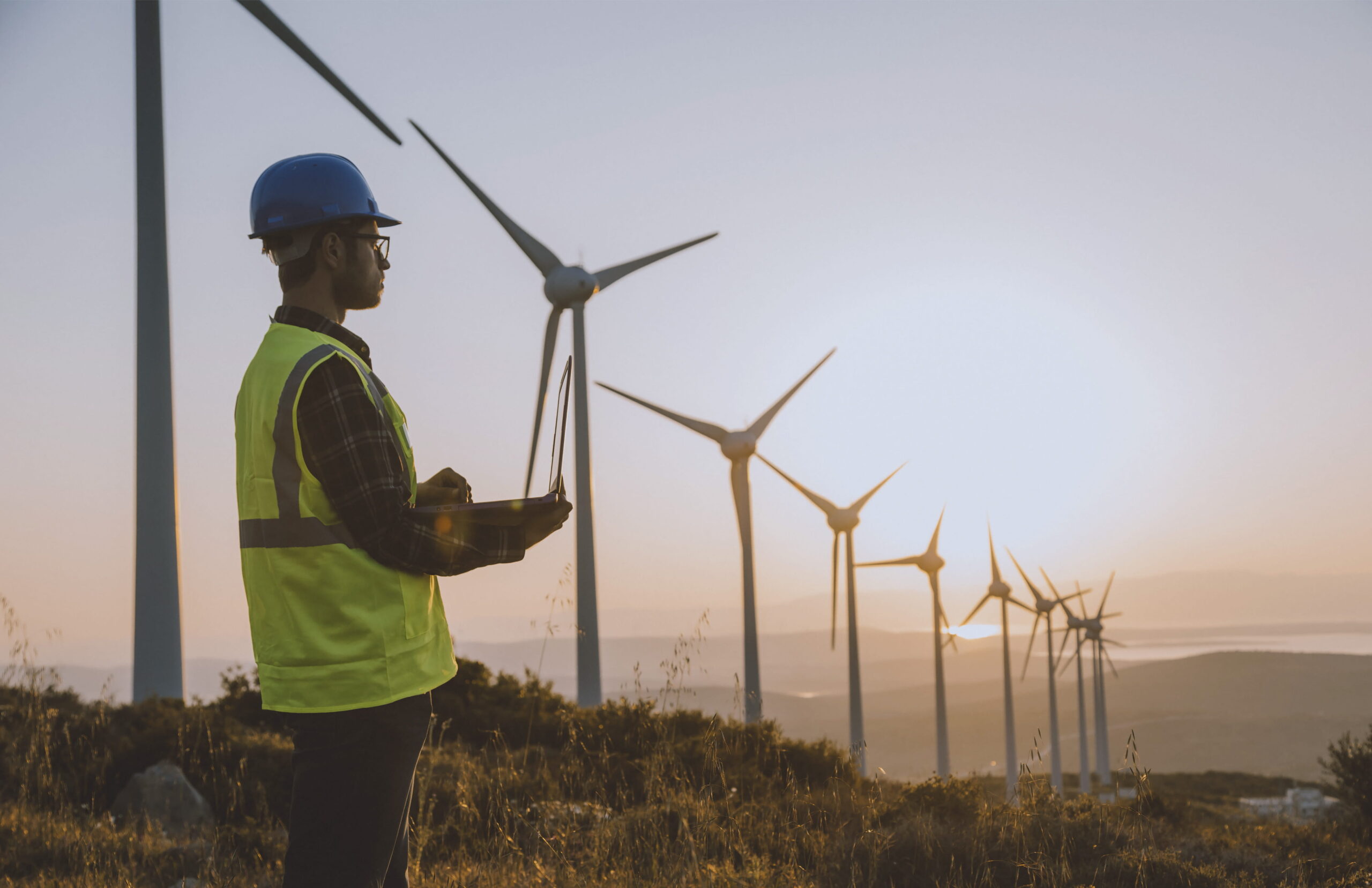
AI enables safer wind operations with smarter, real-time decisions
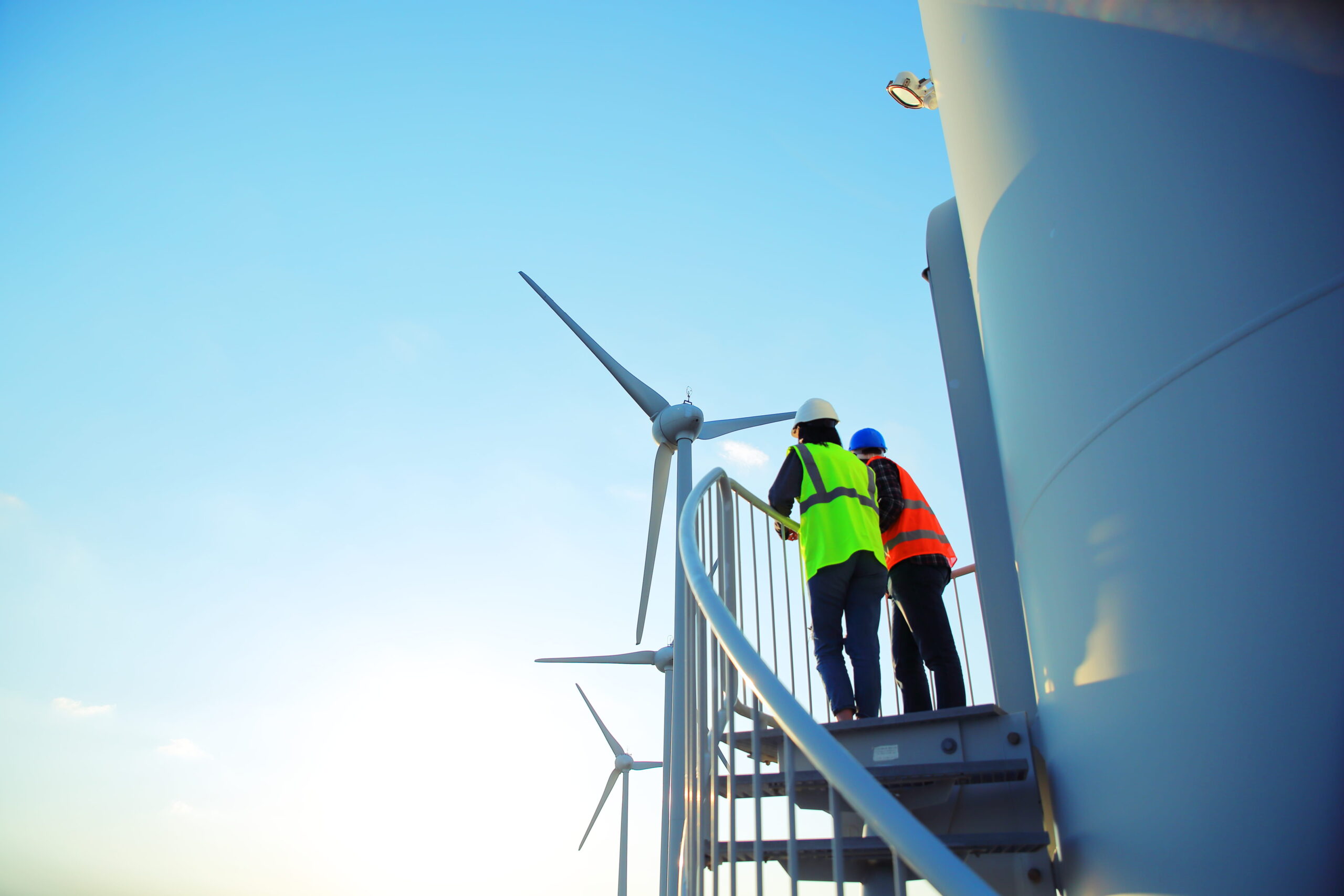
Environmental Risk Management and Operational Efficiency in Wind Farms
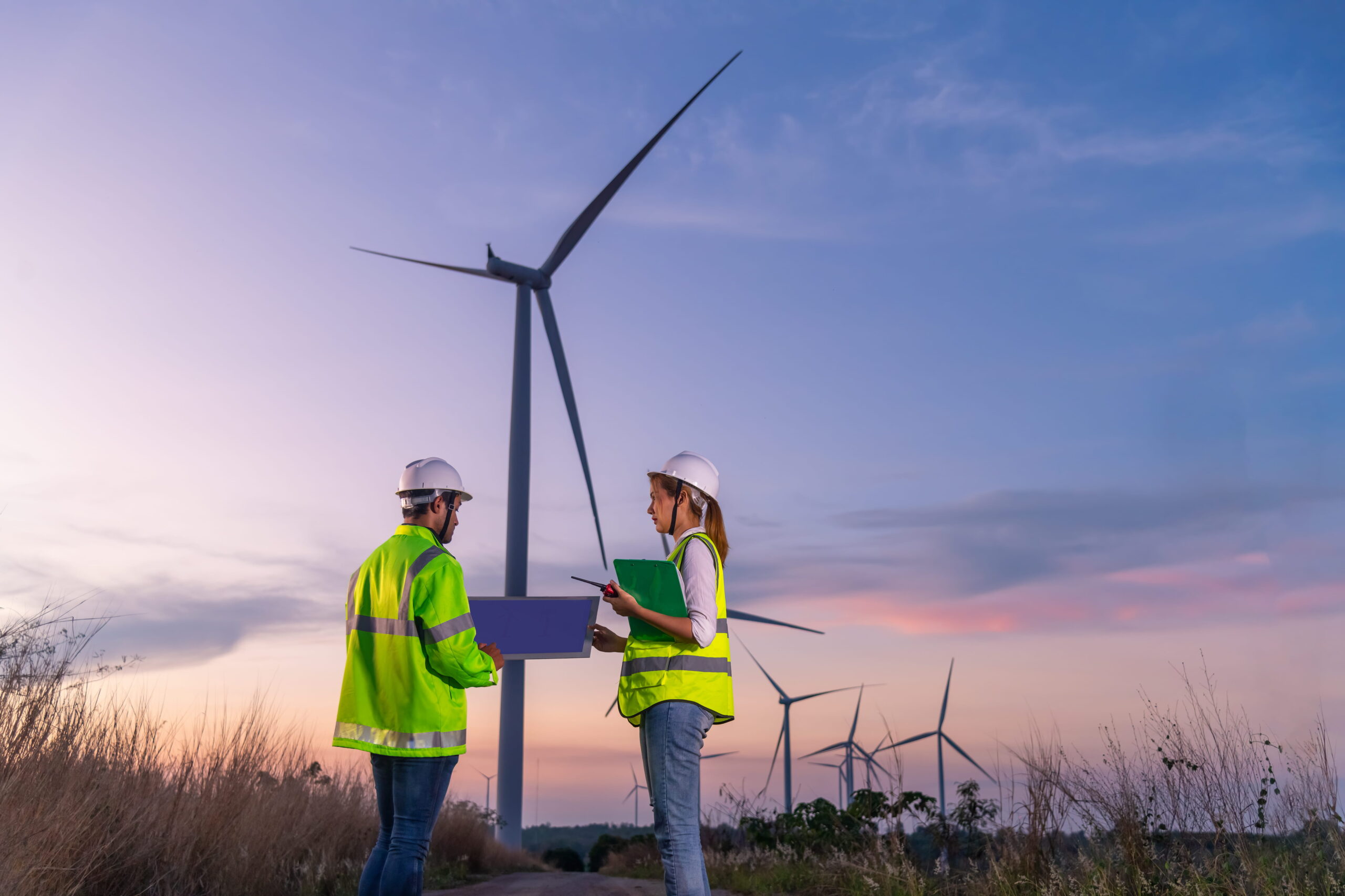
Risk of collisions with protected bird species and regulatory exposure due to incidents, in a context of reactive operations and manual decision-making. This leads to inefficiencies and unnecessary turbine shutdowns, increasing the risk of penalties.
Key Challenges
Environmental risk
Collisions with protected bird species
Collisions with protected bird species
Reactive operations
Manual, observation-based decision-making
Manual, observation-based decision-making
Operational inefficiency
Unnecessary turbine shutdowns
Unnecessary turbine shutdowns

Regulatory exposure
Risk of sanctions due to incidents
Risk of sanctions due to incidents
Solution
AI-powered flight prediction and automated decision-making

Prediction models
Tool to forecast bird flight presence
Real-time analytics
Continuous monitoring for instant decisions
Selective stop control
Targeted turbine shutdowns
Operational optimization
Improved uptime and efficiency
Impact
Safer operations with improved performance
Reduced environmental impact and increased availability through predictive, automated decisions
Featured
success stories
success stories
Empowering field operations through digitalized service management and improving safety conditions trough connected worker technologies
View all success stories