- All Foundries

- Commodity Management & Trading

- Customer & Marketing Strategy

- Digital Engineering

- Station Studio

- Supply Chain & Industry 5.0
- Sustainability

- Physical AI

- Next-Gen Infrastructure


All Foundries
Commodity Management & Trading
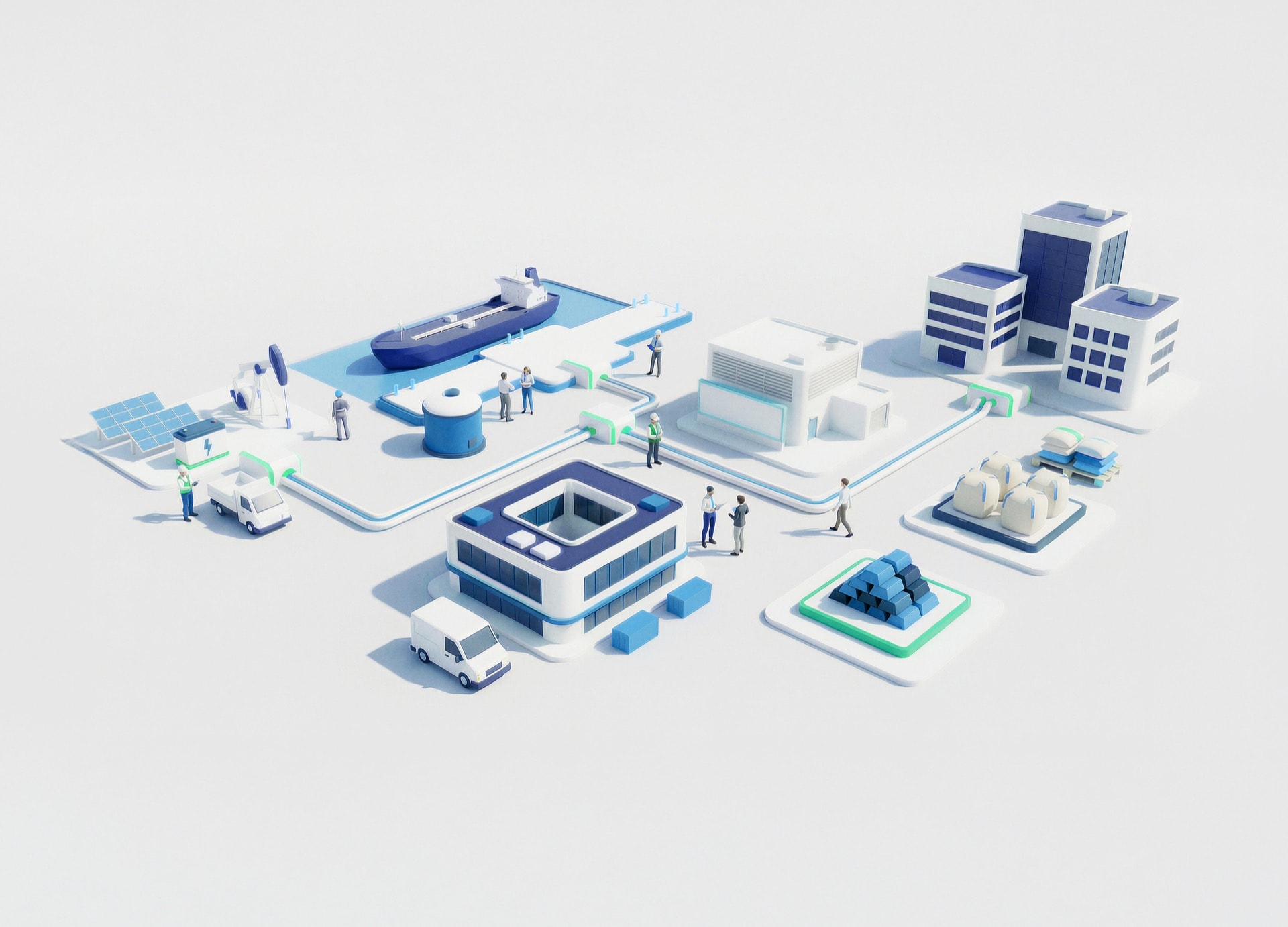
Transforming trading ecosystems through data-driven insights and secure, agile platforms that empower global commerce.
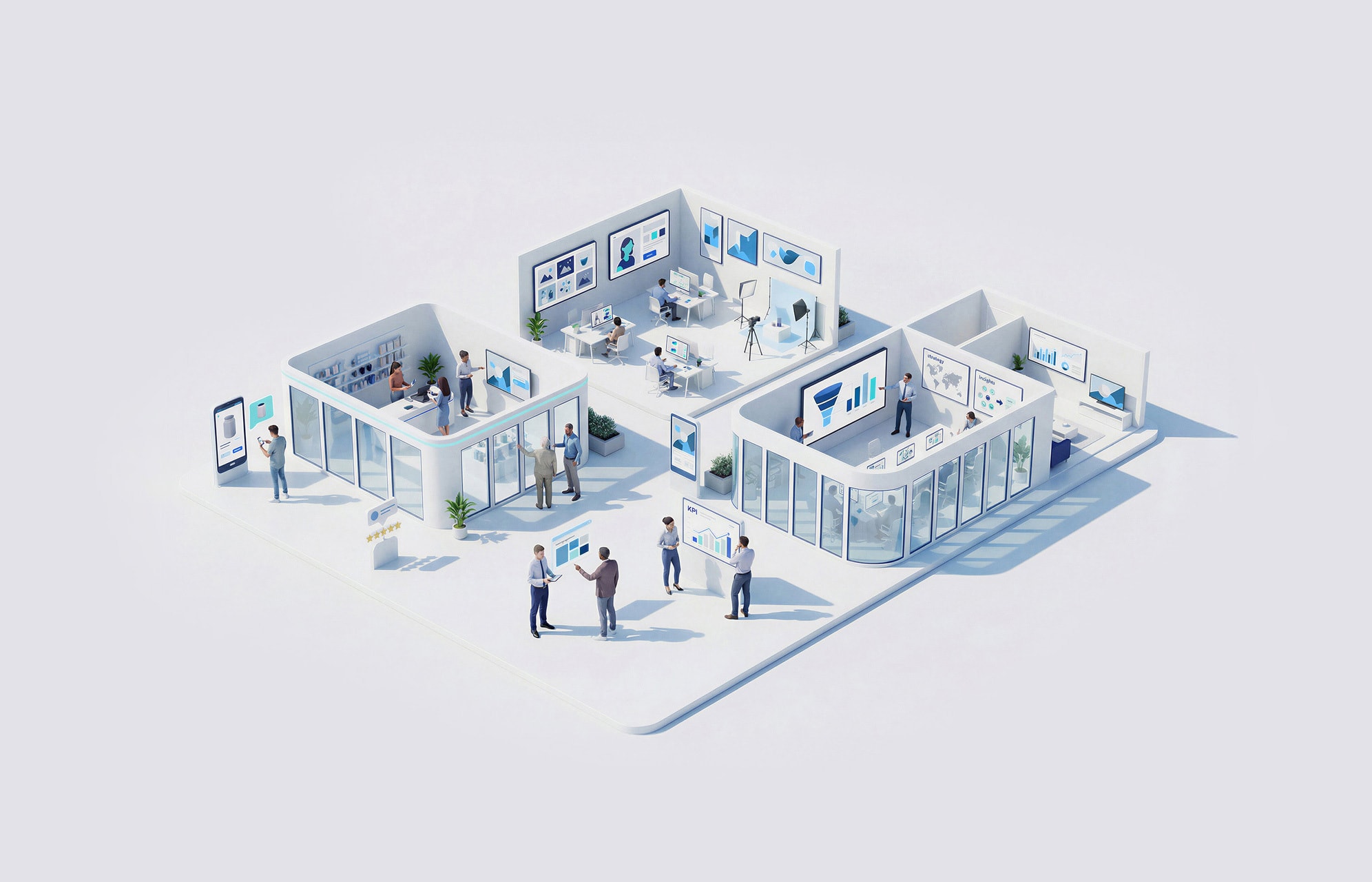
Customer & Marketing Strategy
Reimagining customer engagement with personalized, connected experiences that build trust and long-term value.
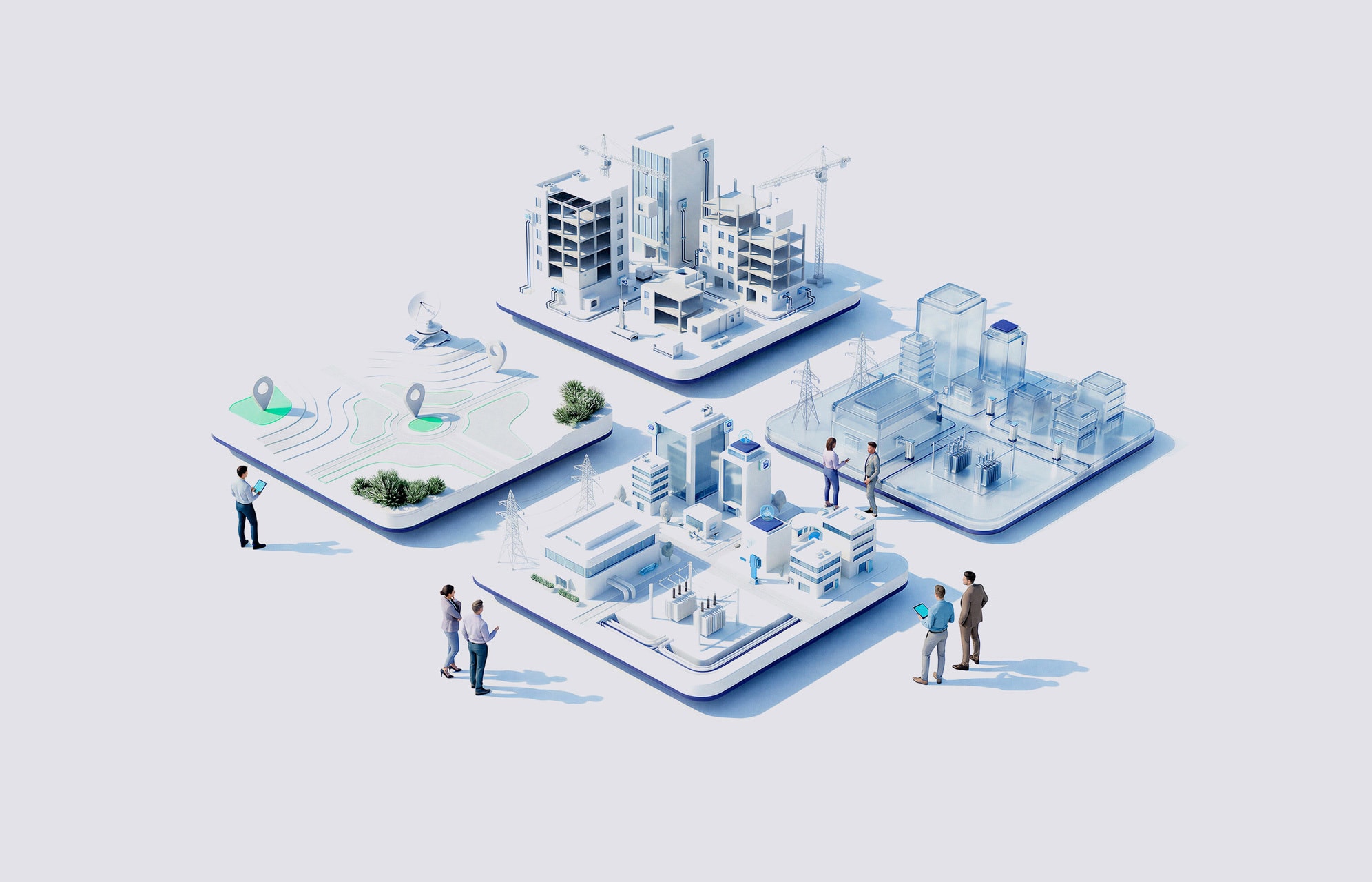
Digital Engineering
Turning ideas into scalable digital solutions—accelerating transformation through design, technology, and engineering excellence.
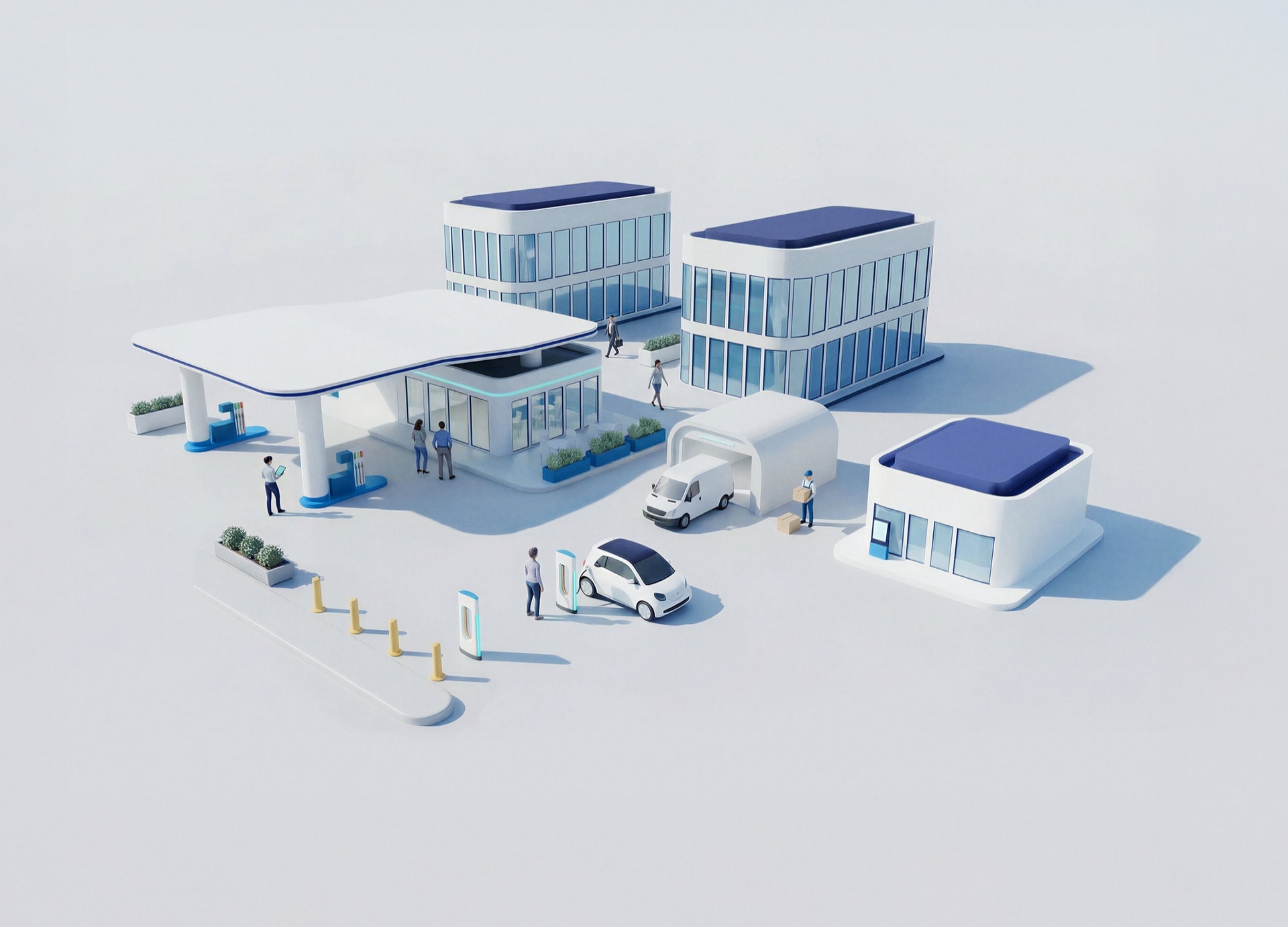
Station Studio
Redefining mobility hubs with digital innovation to create smarter, sustainable experiences for people and businesses on the move.
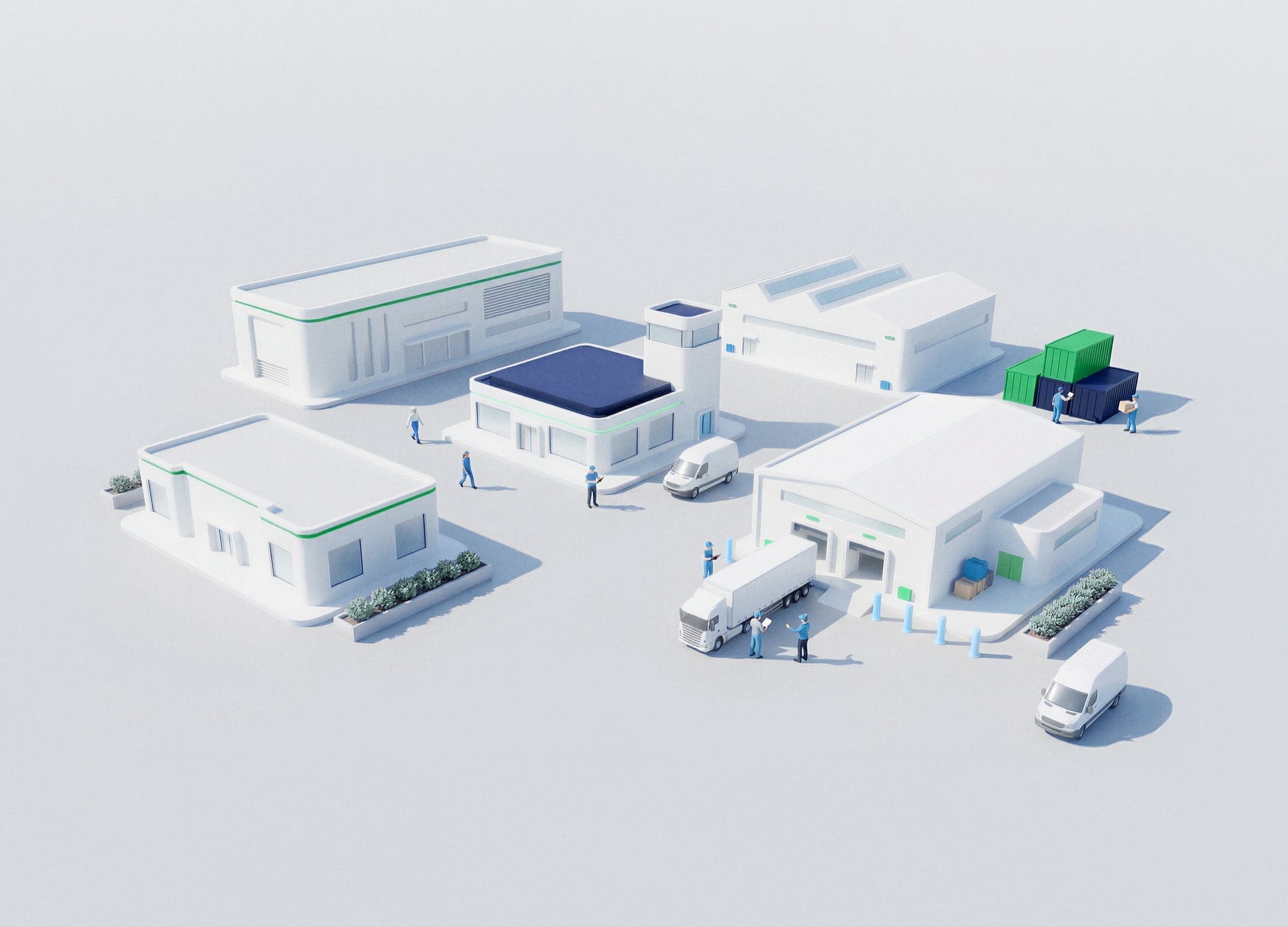
Supply Chain & Industry 5.0
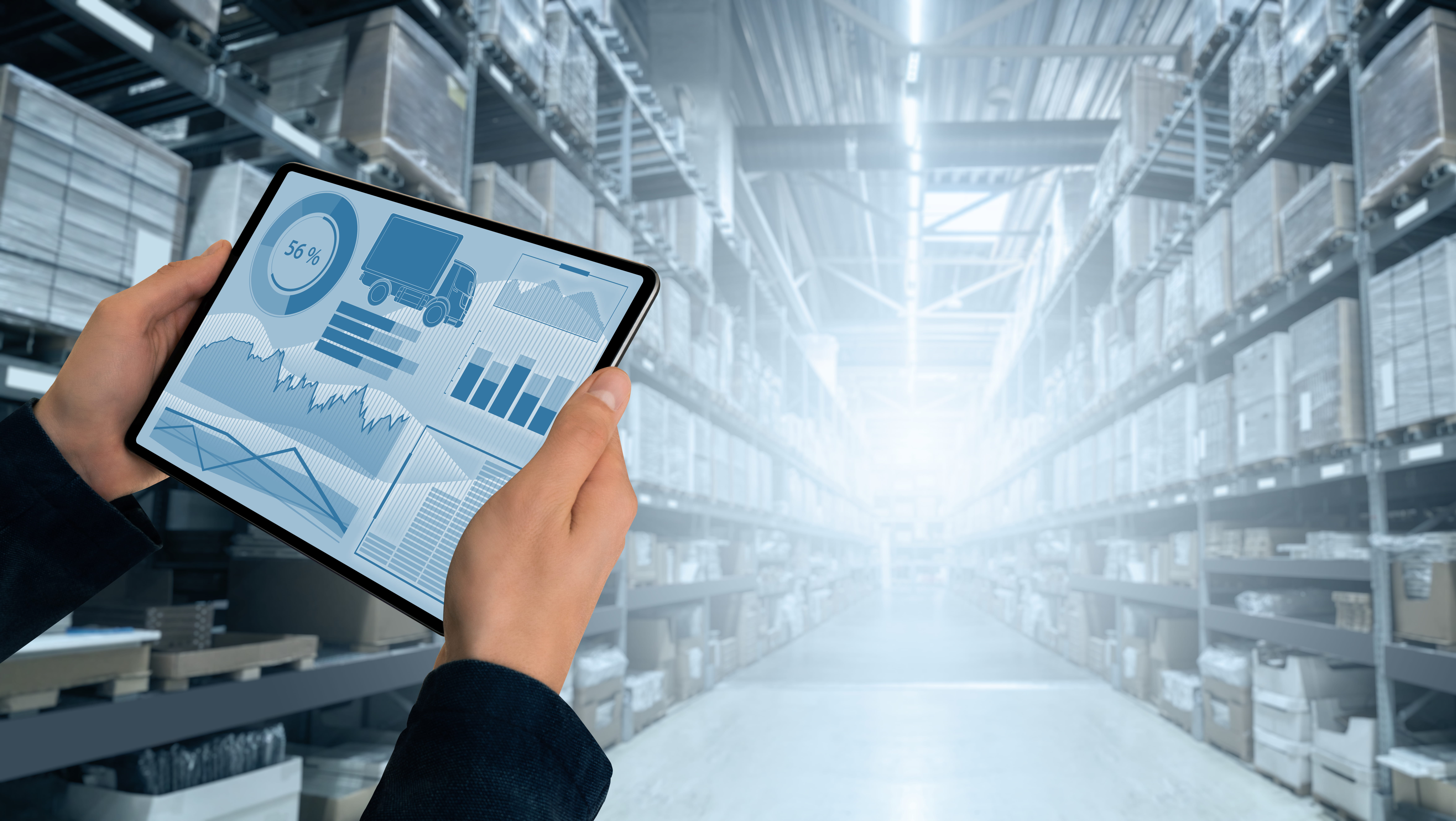
Building resilient, intelligent supply networks that anticipate change and deliver efficiency with purpose.
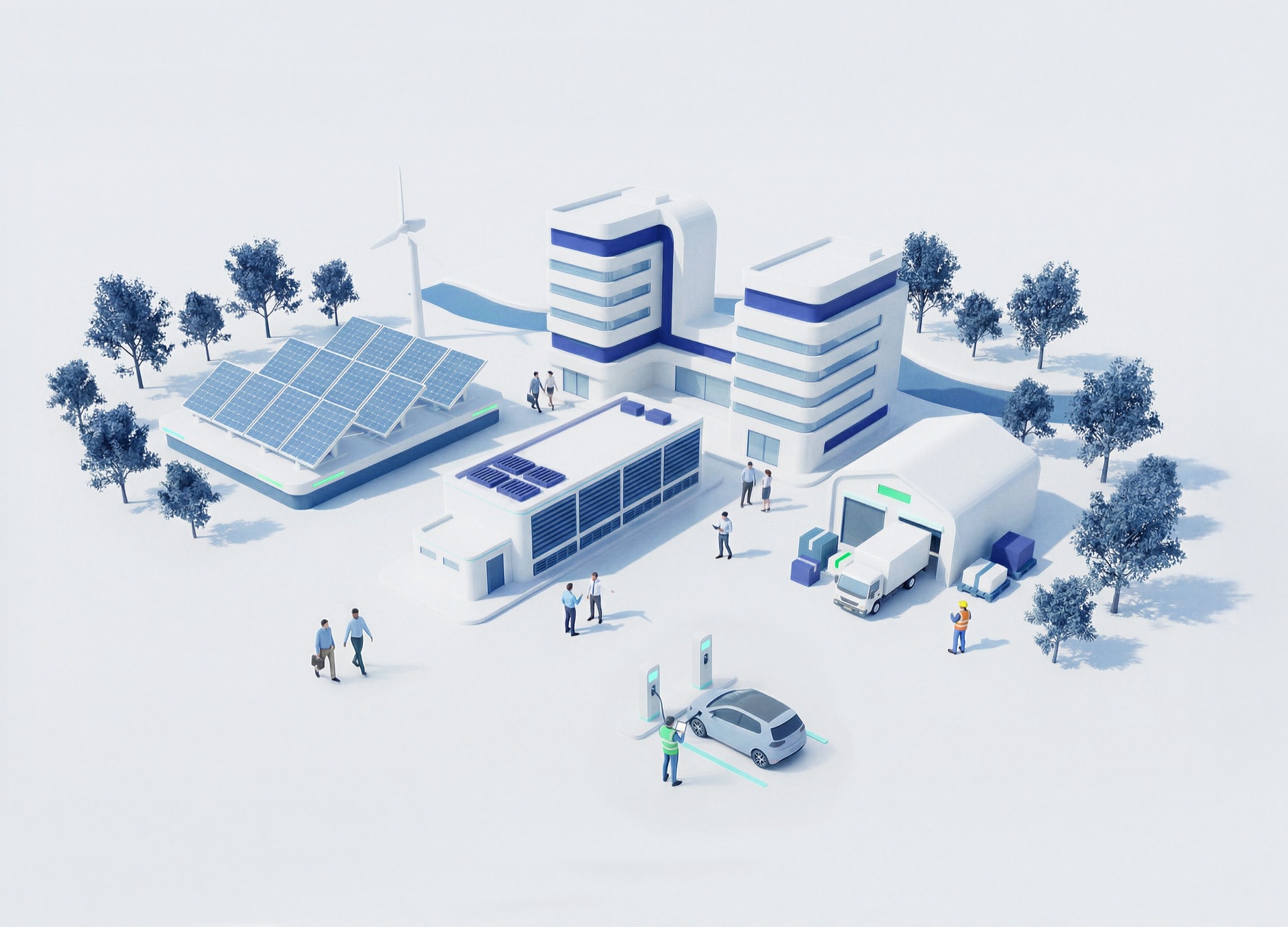
Sustainability
Driving responsible innovation to help organizations achieve net-zero goals and create a positive impact for future generations.
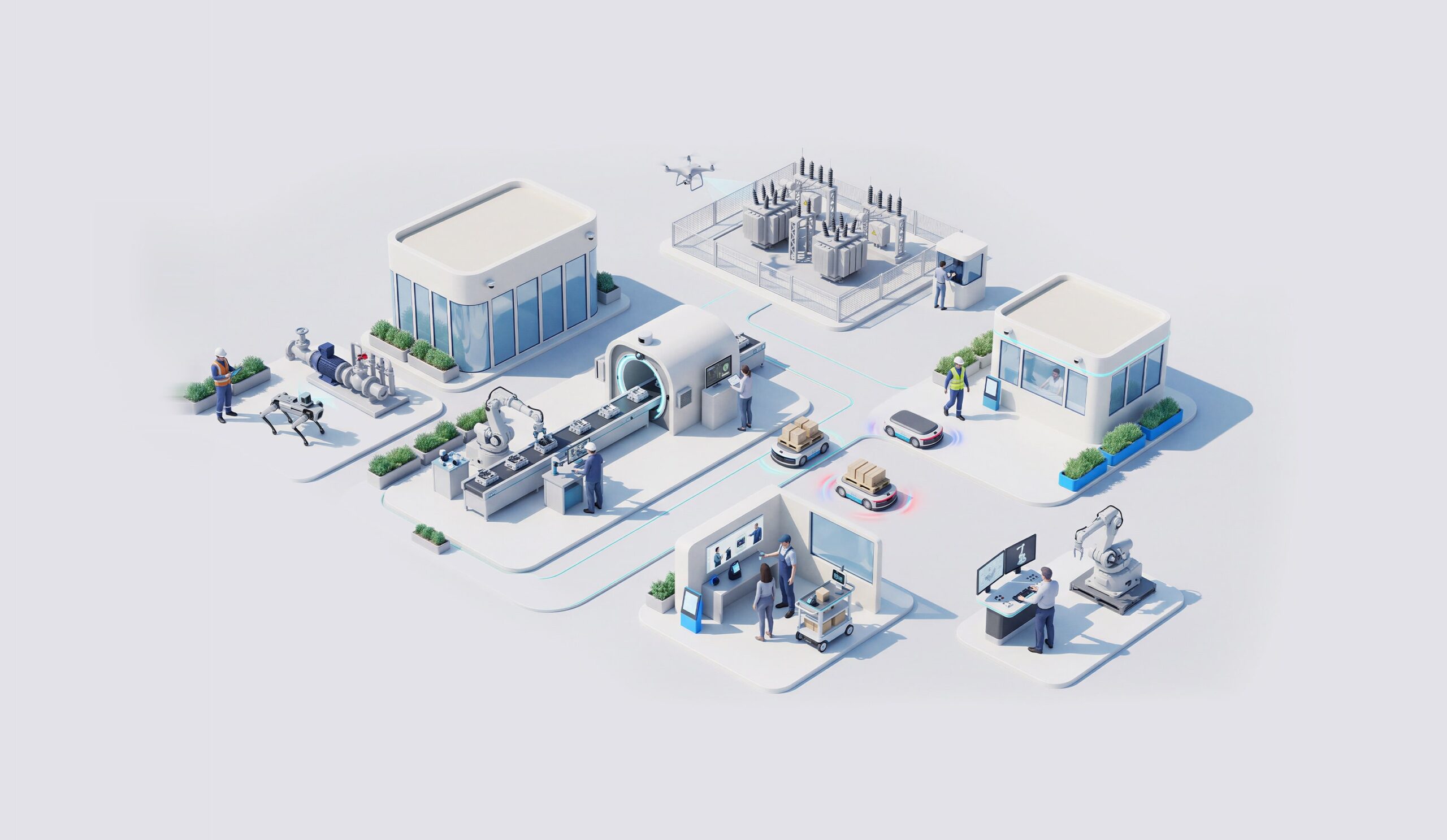
Physical AI
Physical AI gives machines, robots and physical operations the ability to perceive their environment, decide what matters and act in real time. Factories, plants, stores and infrastructure become systems able to sense conditions, learn from them and improve on their own, closing the gap between the physical and the digital world.
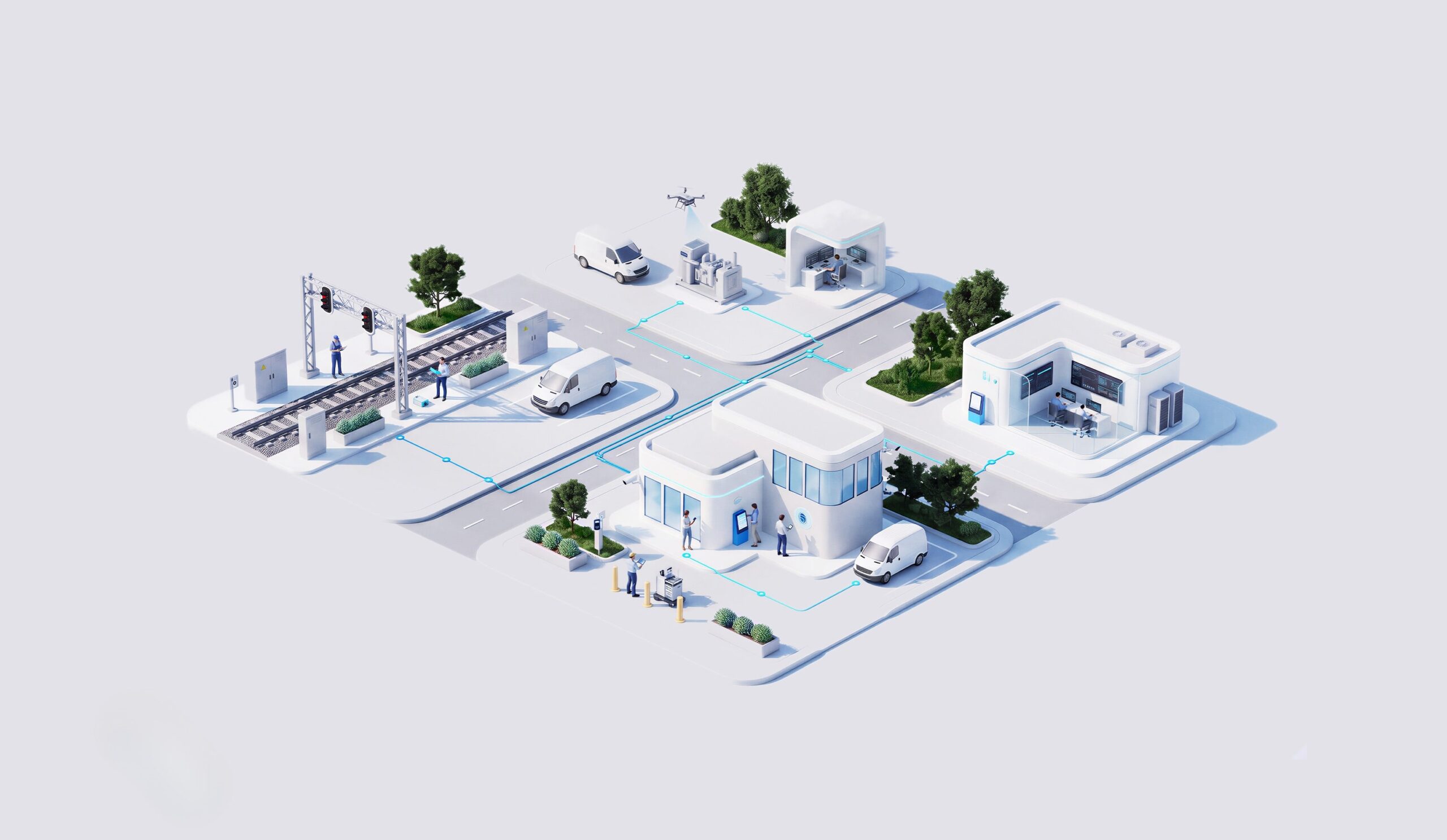
Next-Gen Infrastructure
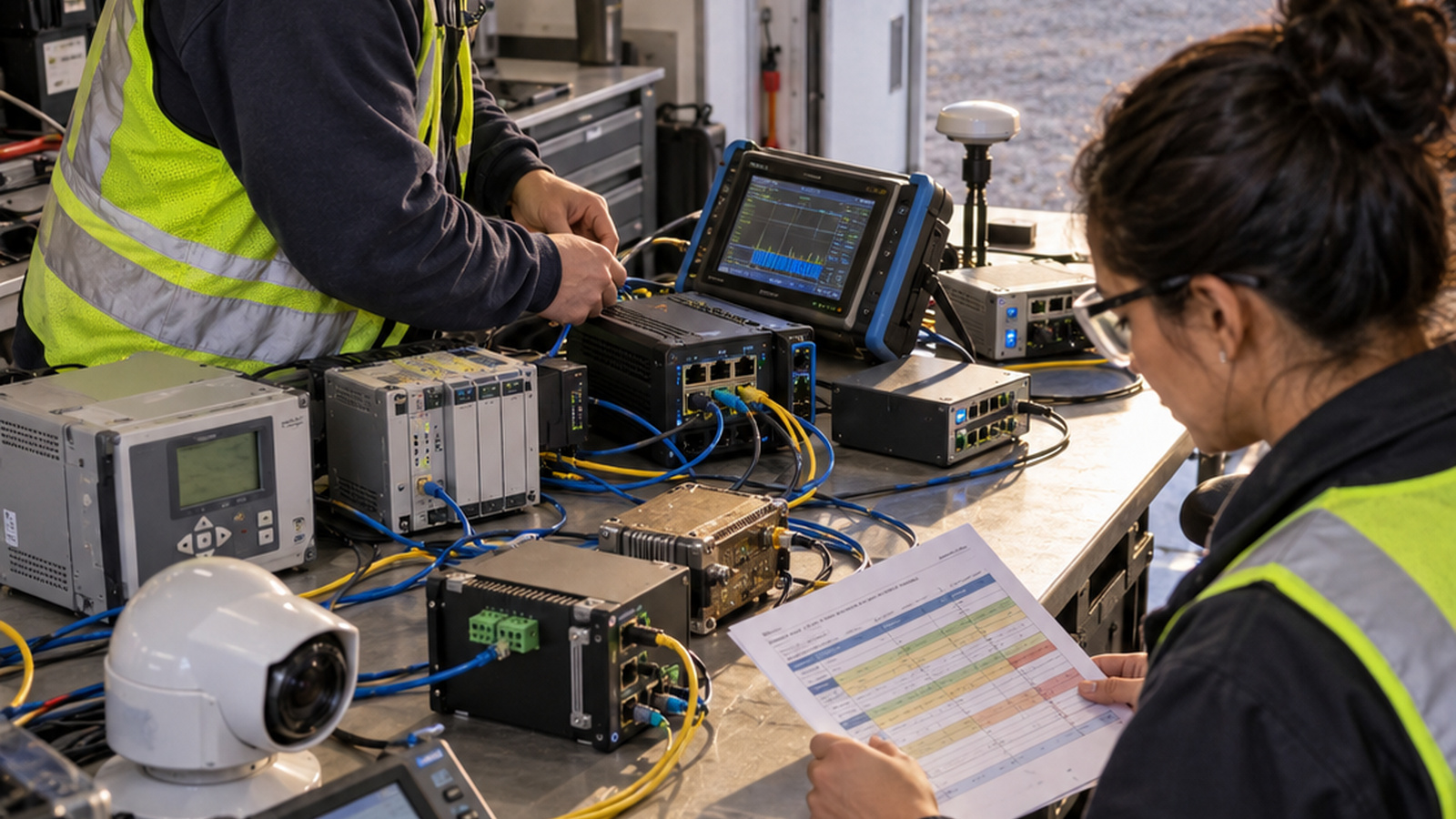
From networks as infrastructure to connected platforms that enable critical, autonomous and intelligent operations.


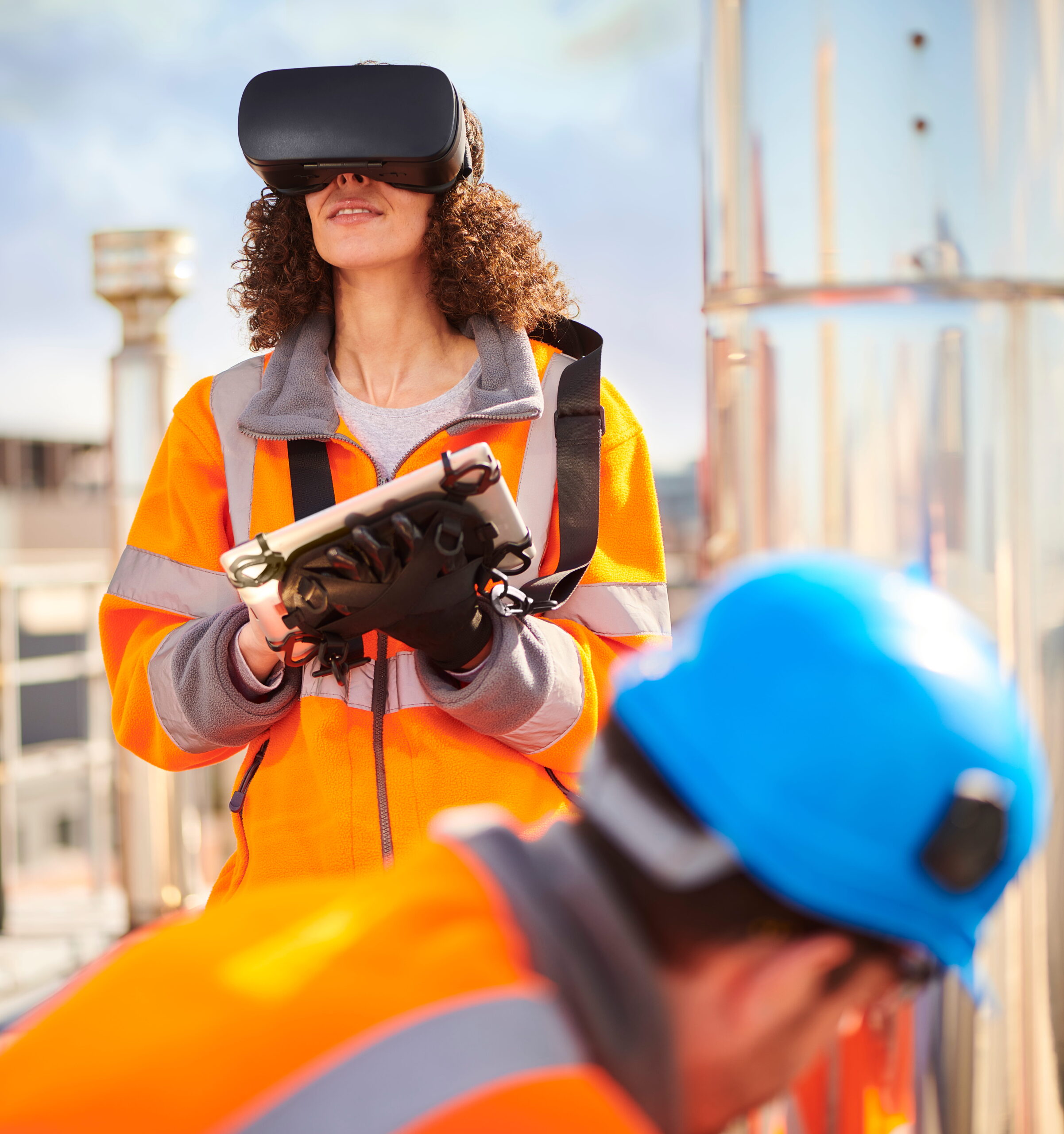
Self-rescue and teammate rescue training
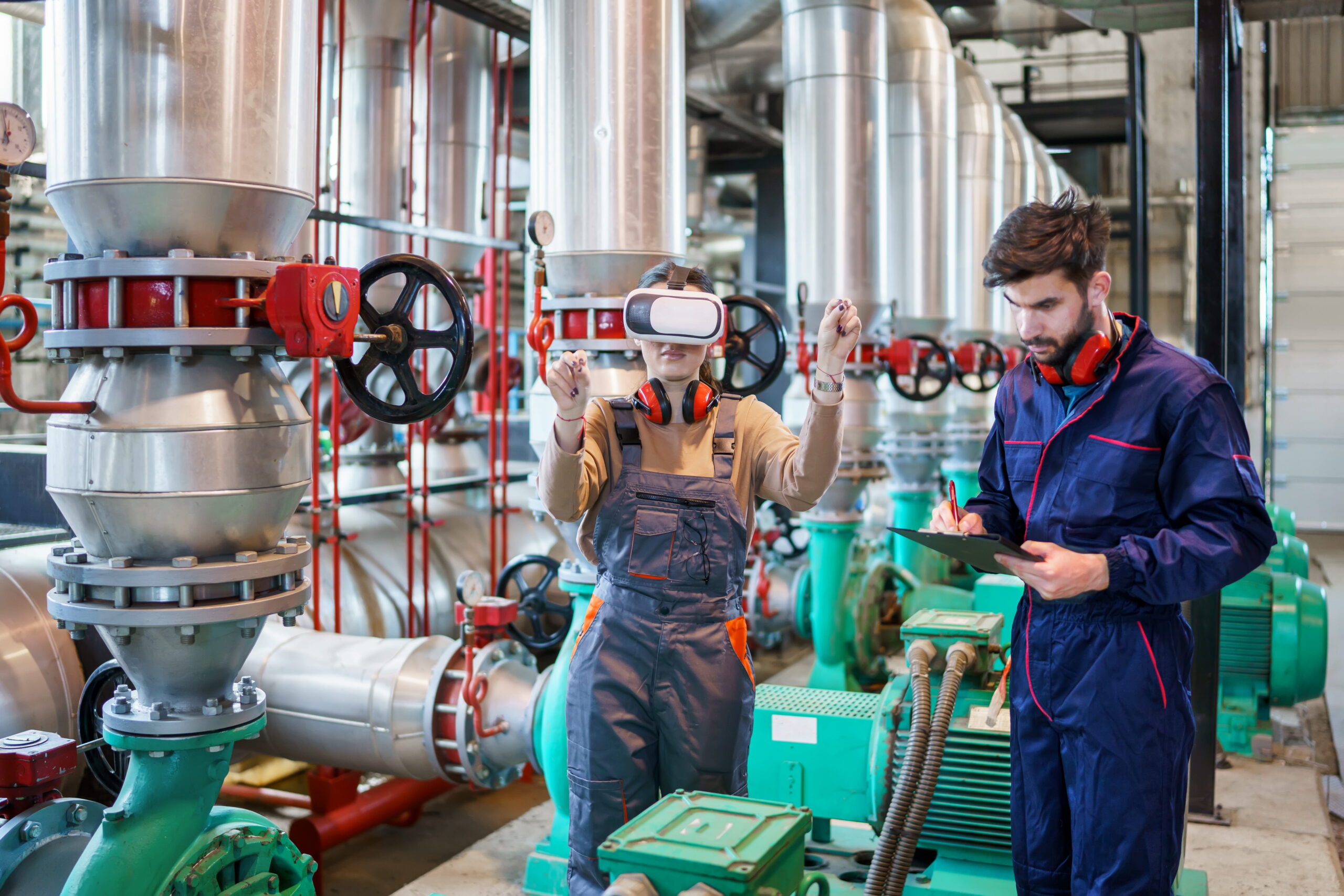
A realistic, controlled training approach enables wind farm O&M teams to master rescue descender use, improving safety, standardization, and procedural assimilation through repeatable, hands-on experience
Self-training adoption
Internalization of mandatory procedures
Reduced training risk
Reduced training risk
Procedure assimilation
Learning by doing improves retention
Training consistency
Standardized delivery aligned with procedures
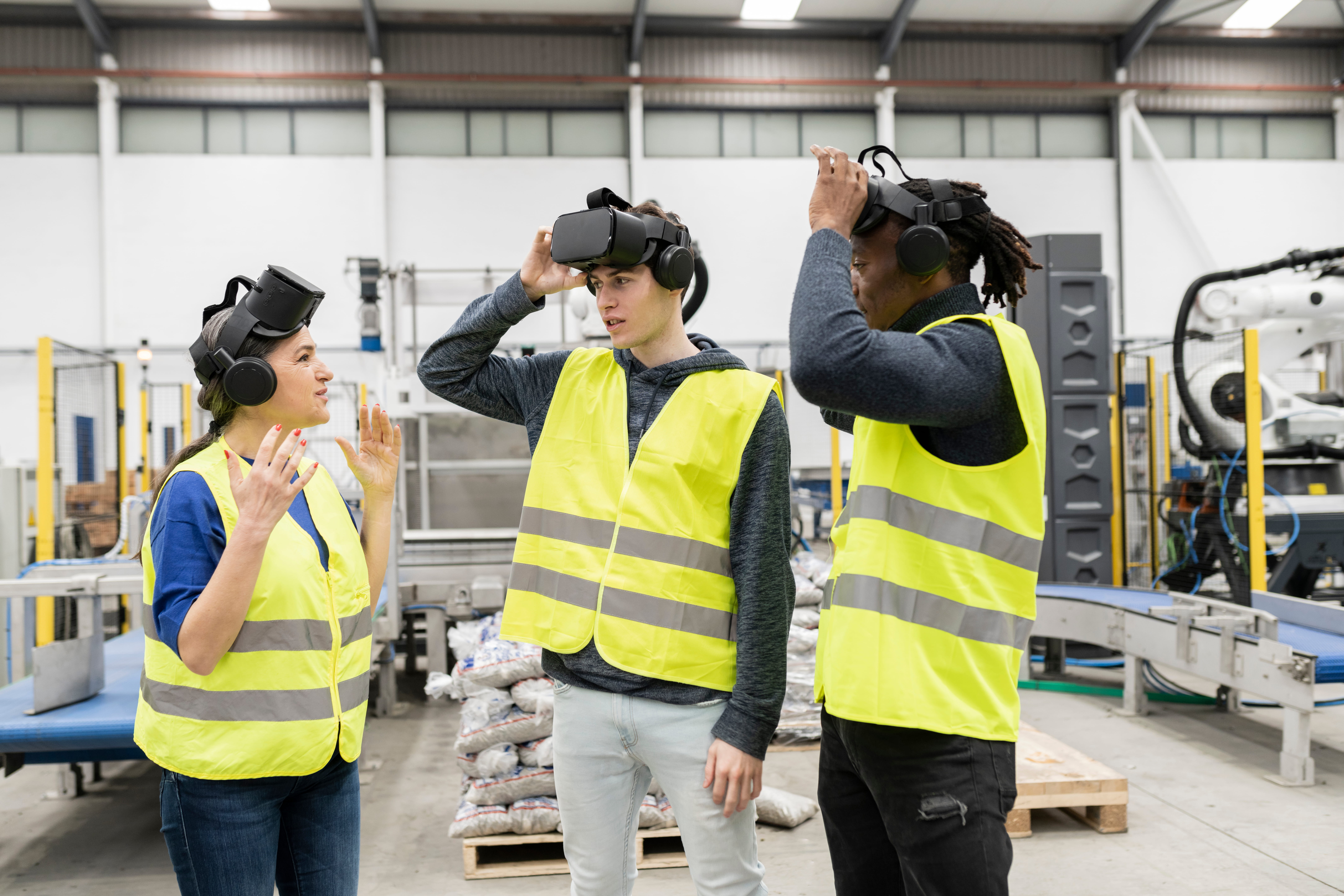
Realistic simulation transforms how rescue skills are learned and retained.
Bridging safety and realism in training
Traditional training limits realism and repeatability
Key Challenges
Balancing safety with hands-on experience
Ensuring consistent procedural adoption
Reducing physical risk during practice
Improving long-term skill retention
Solution
Realistic, controlled simulation for rescue descender training

Simulation-based training
Controlled environment for safe practice
Self-training enablement
Encourages internalization of procedures
Repeatable scenarios
Consistent, hands-on learning experience
Active learning approach
“Learning by doing” improves assimilation
Impact
Safer, standardized, and more effective training
Teams achieve stronger procedural adherence, reduced training risk, and improved skill retention through realistic, repeatable simulation environments
Featured
success stories
success stories
Empowering field operations through digitalized service management and improving safety conditions trough connected worker technologies
View all success stories