- All Foundries

- Commodity Management & Trading

- Customer & Marketing Strategy

- Digital Engineering

- Station Studio

- Supply Chain & Industry 5.0
- Sustainability

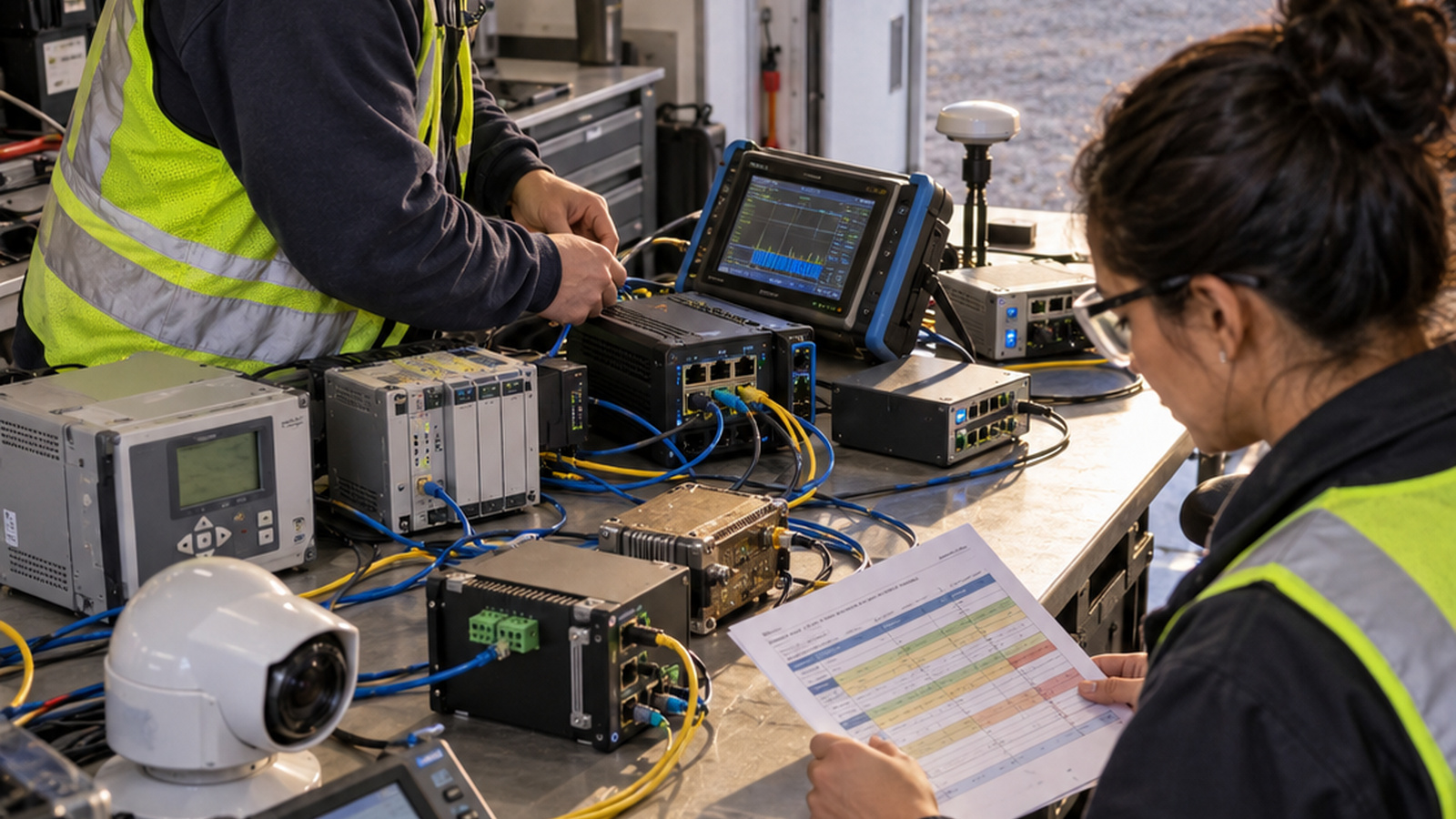
- Physical AI

- Next-Gen Infrastructure


All Foundries
Commodity Management & Trading
Transforming trading ecosystems through data-driven insights and secure, agile platforms that empower global commerce.

Customer & Marketing Strategy
Reimagining customer engagement with personalized, connected experiences that build trust and long-term value.
Digital Engineering
Turning ideas into scalable digital solutions—accelerating transformation through design, technology, and engineering excellence.
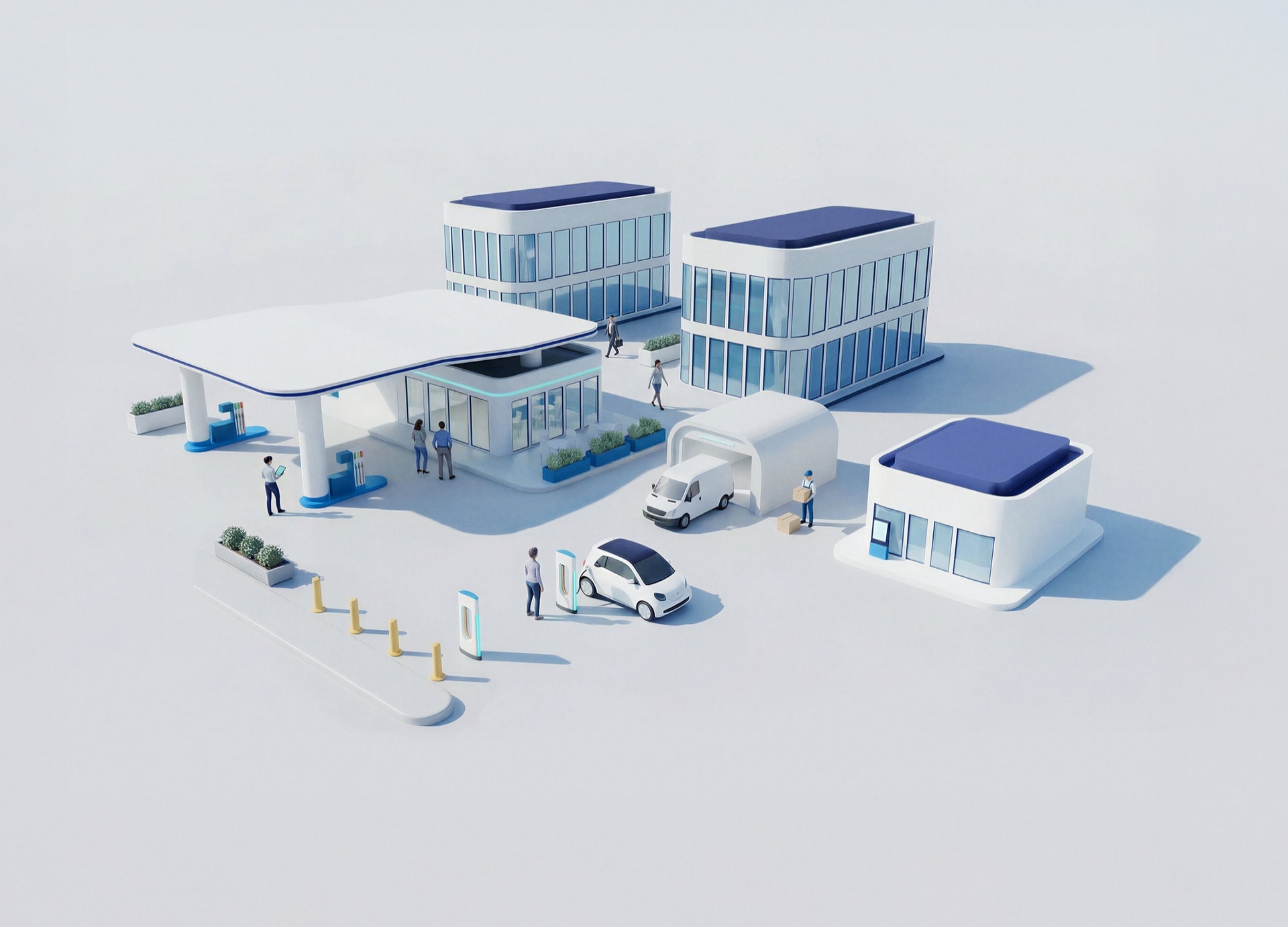
Station Studio
Redefining mobility hubs with digital innovation to create smarter, sustainable experiences for people and businesses on the move.
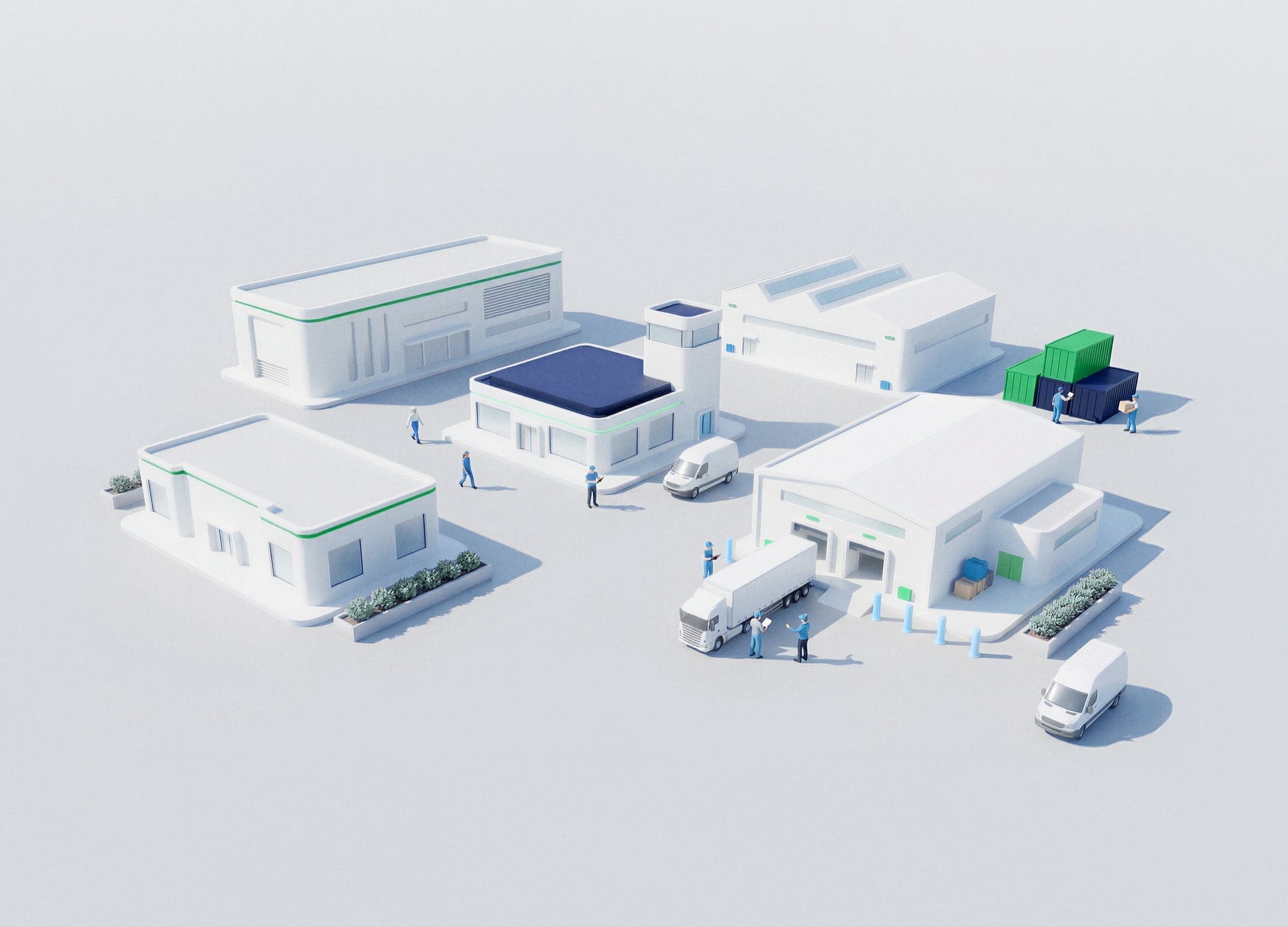
Supply Chain & Industry 5.0
Building resilient, intelligent supply networks that anticipate change and deliver efficiency with purpose.
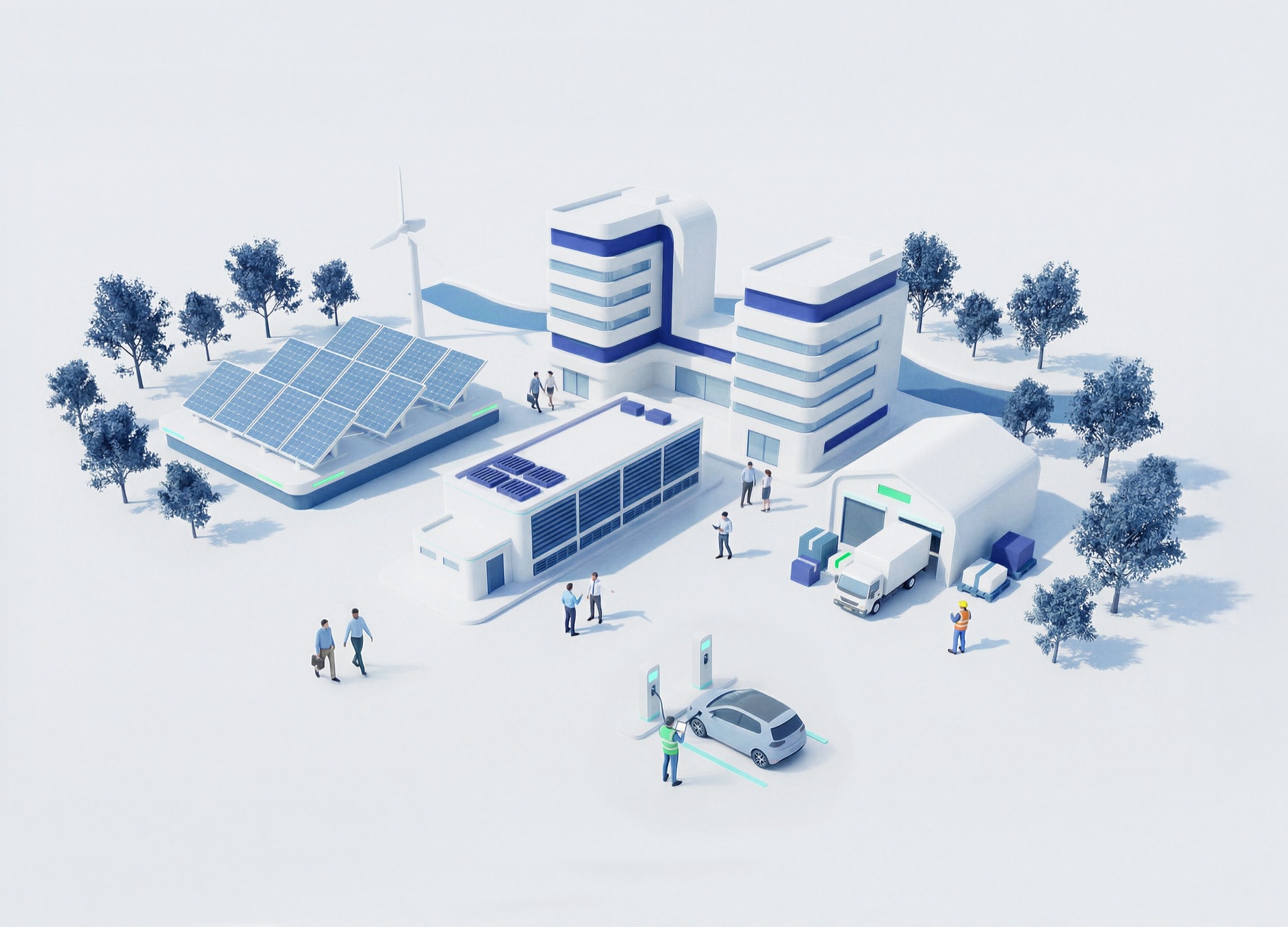
Sustainability
Driving responsible innovation to help organizations achieve net-zero goals and create a positive impact for future generations.
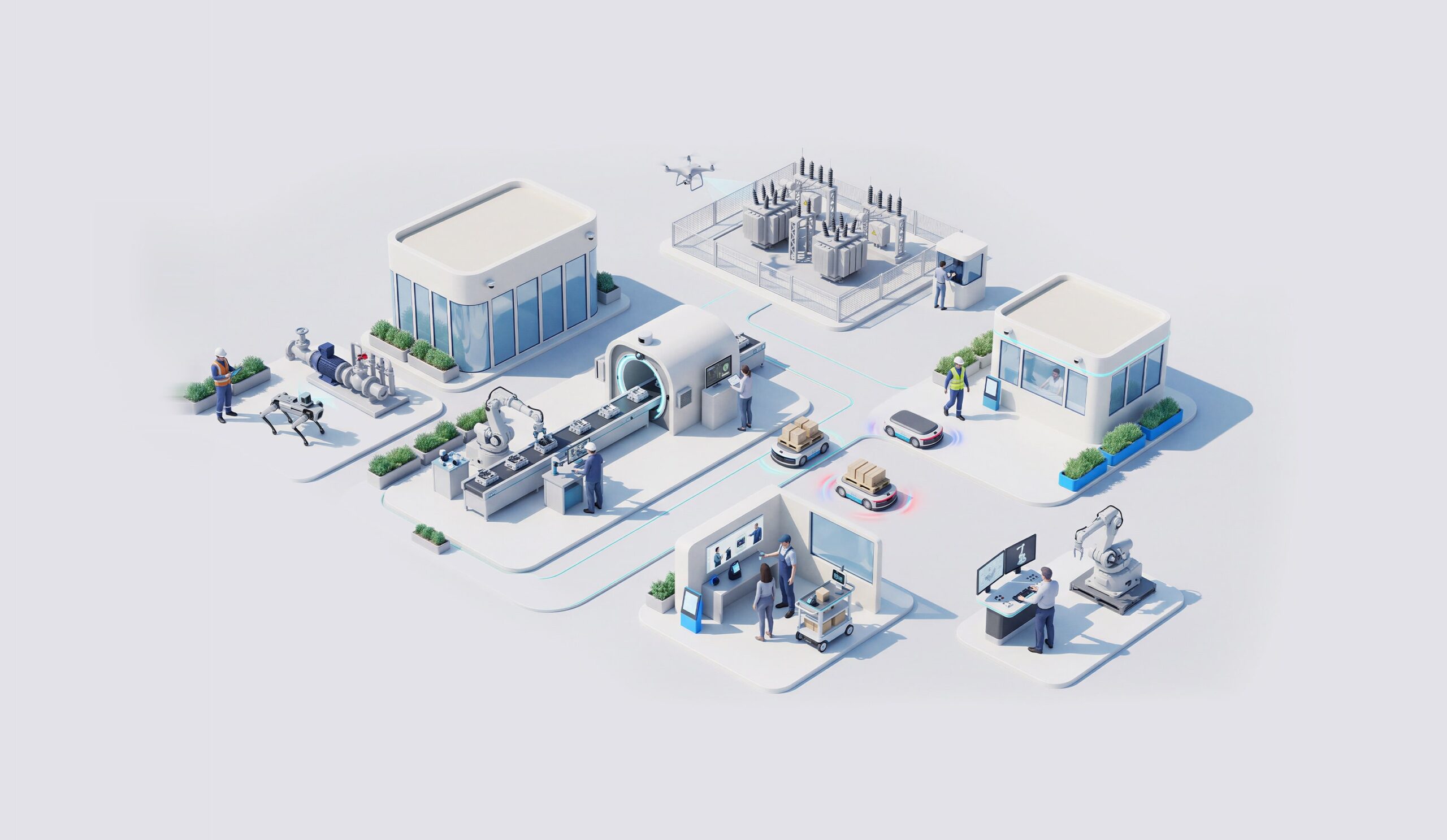
Physical AI
Physical AI gives machines, robots and physical operations the ability to perceive their environment, decide what matters and act in real time. Factories, plants, stores and infrastructure become systems able to sense conditions, learn from them and improve on their own, closing the gap between the physical and the digital world.
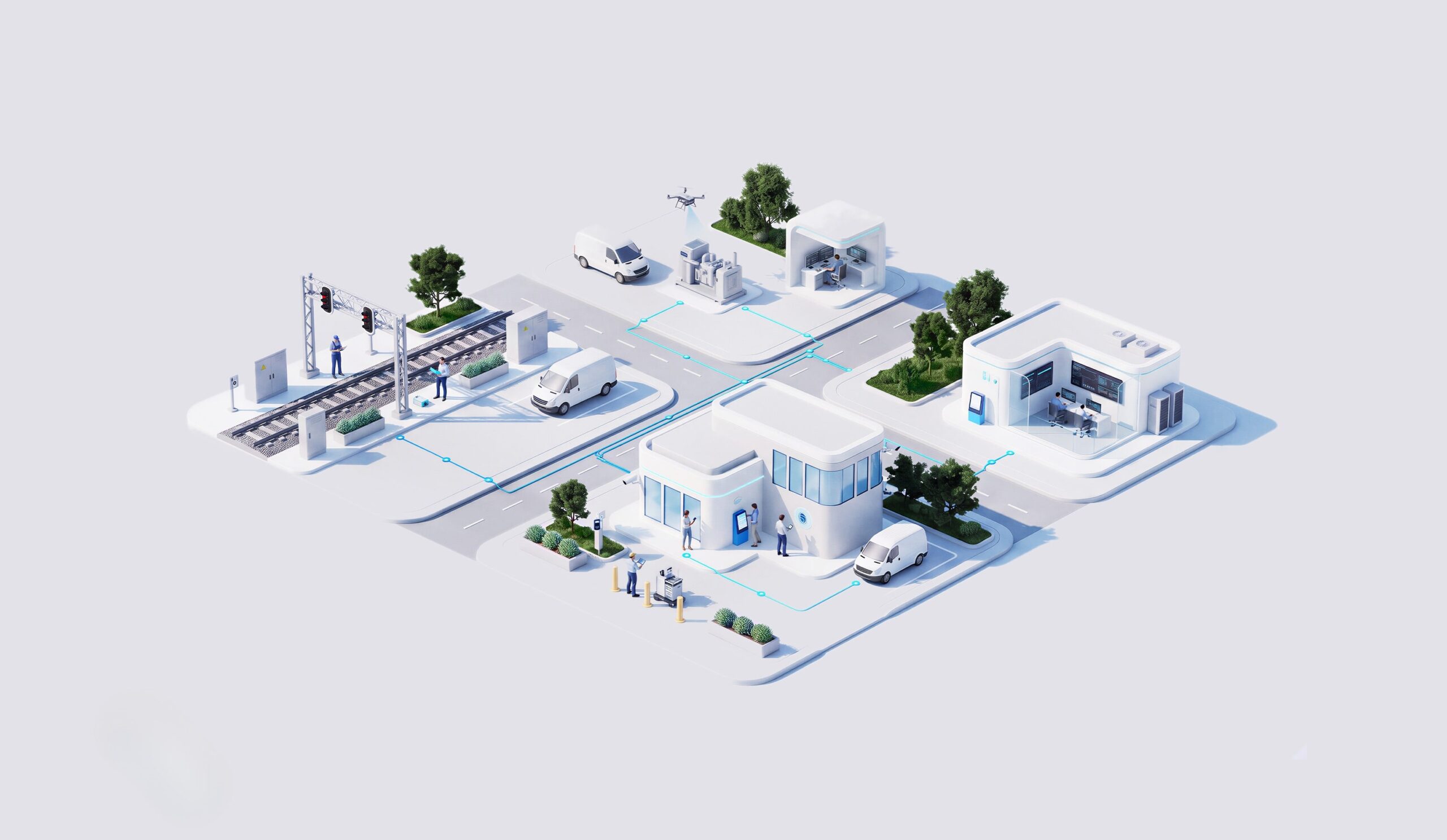
Next-Gen Infrastructure
From networks as infrastructure to connected platforms that enable critical, autonomous and intelligent operations.


Energy Customer App
A utility company replat formed its customer app to a native mobile architecture, improving stability, resilience and release flexibility across operating companies

Improved App Stability
Native implementation reduced crashes and navigation issues
Real-Time Feature Control
Configuration changes can be managed without full app releases
Resilient Customer Journeys
Fallback and error-handling protect critical interactions
Scalable Operating Model
A shared core supports multiple operating companies

A native mobile platform for more resilient customer journeys
Moving beyond hybrid limitations
The previous app model limited stability, scale and flexibility
Key Challenges

Performance constraints
The hybrid framework limited app performance
The hybrid framework limited app performance

Compatibility gaps
The app needed to keep pace with evolving mobile systems
The app needed to keep pace with evolving mobile systems

Release dependency
Feature changes relied on rigid release cycles
Feature changes relied on rigid release cycles

Multi-company complexity
Each operating company needed configurable behavior
Each operating company needed configurable behavior
Solution
A native mobile replat forming with modular architecture and dynamic configuration

Native architecture
Built apps for major mobile operating systems
Modular design
Combined native features, embedded web journeys and backend services
Dynamic configuration
Enabled runtime control of content, features and behavior
Resilience strategy
Added fallbacks, release governance and real-device testing
Impact
Stronger mobile service
The platform improved stability, protected key journeys and scaled across companies
Featured
success stories
success stories
Empowering field operations through digitalized service management and improving safety conditions trough connected worker technologies
View all success stories