A connected finance model built for scale

A company transformed fragmented financial operations by aligning core corporate processes with SAP S/4HANA. An end-to-end process model, a hybrid organization and a renewed service and governance approach connected network, procurement and billing processes while automating 65% of transactional areas.
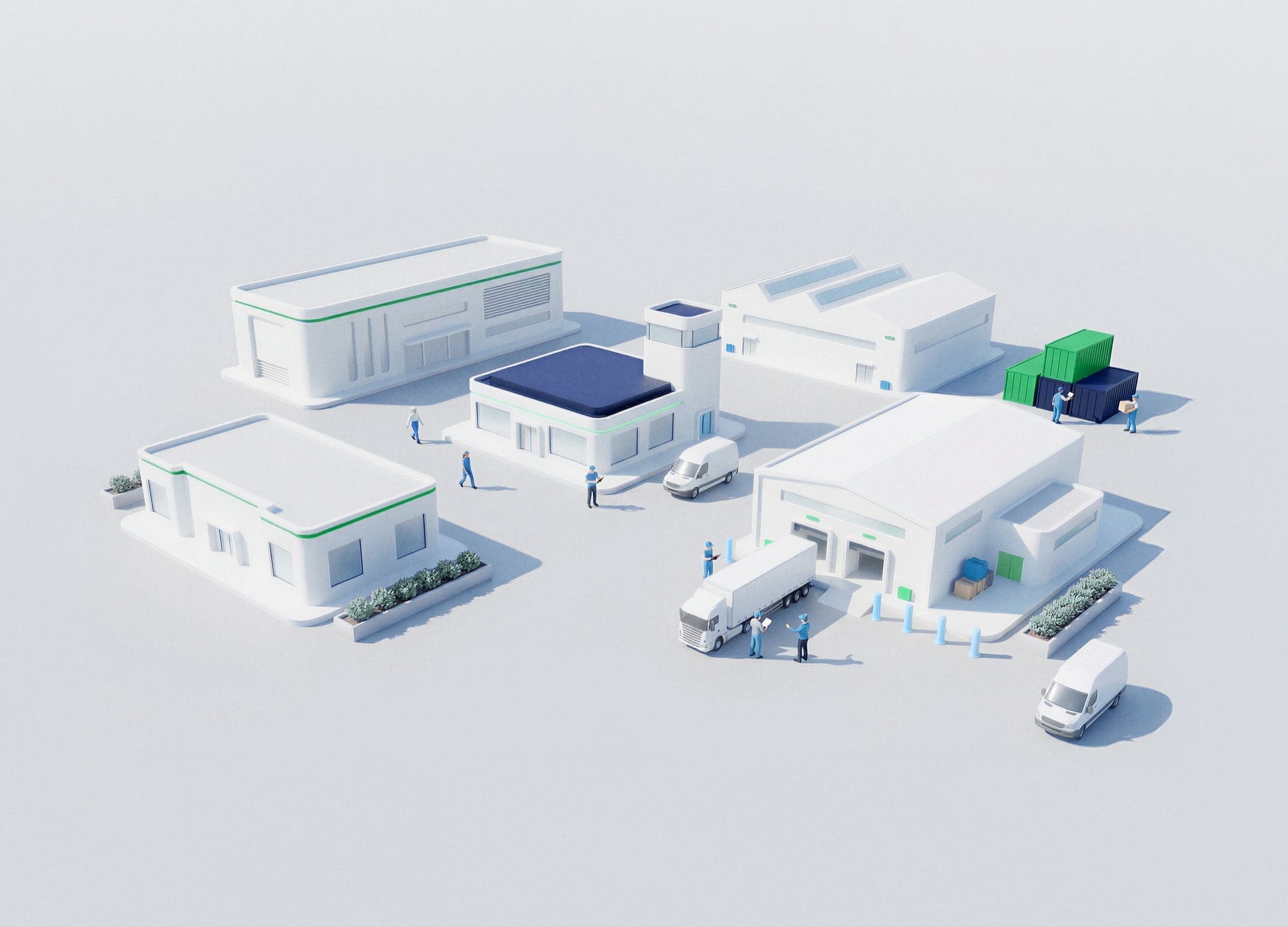
Establishes the transformation context through a wide, human-centered view of corporate finance operations.
65% automated
Transactional areas automated
First mover
First corporate area aligned with SAP S/4HANA
Three domains
Network, procurement and billing integrated
European benchmark
Reference model for efficiency and best practices
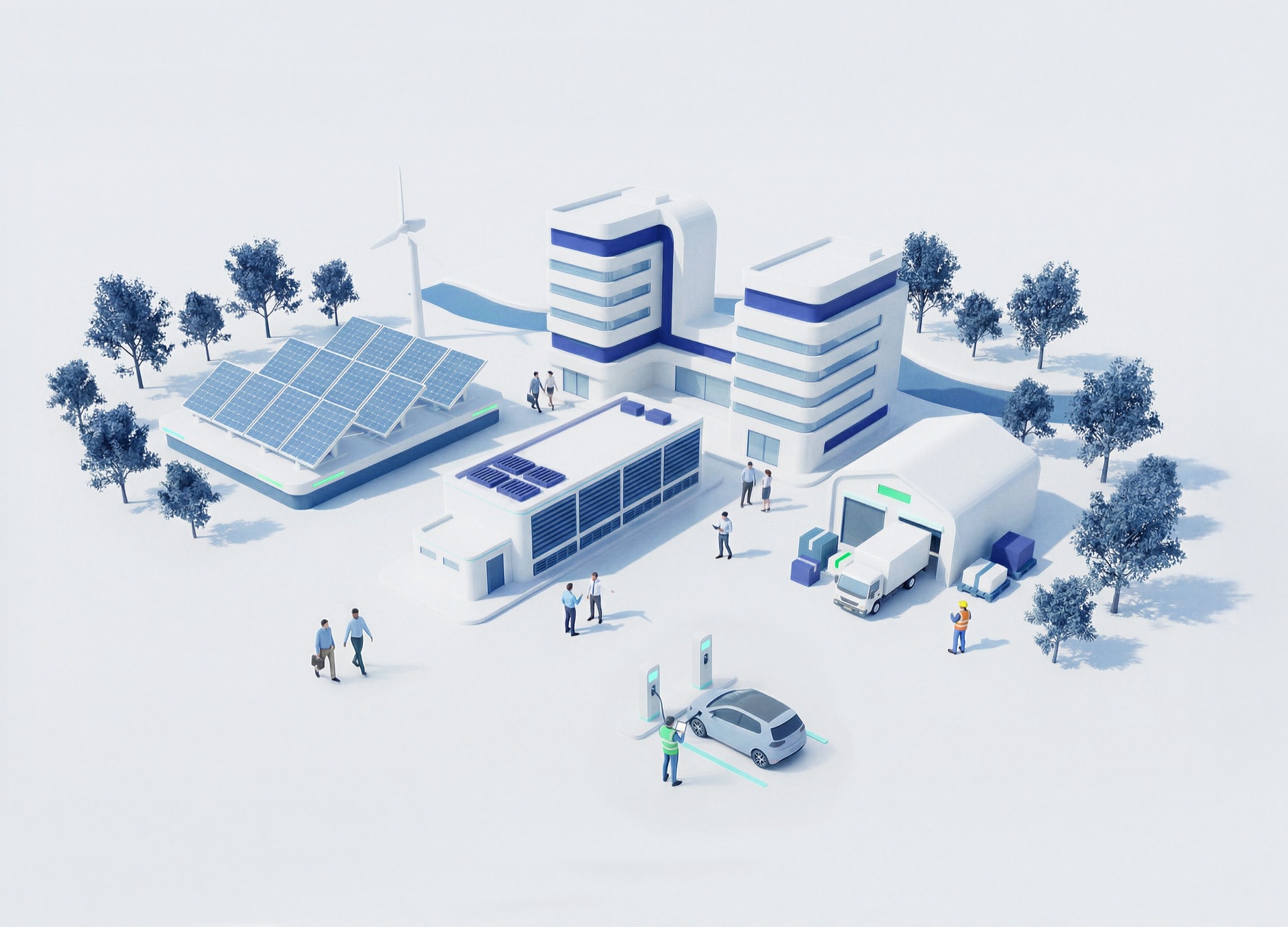
Uses scale, architecture and connected work zones to convey a repeatable operating model without implying an unsupported industry or client location.
From silos to a European benchmark in financial process efficiency
The company needed to replace fragmented financial processes and manual transactional work with a more efficient, scalable and robust operating model.
目的
Improve the efficiency, scalability and robustness of financial processes by removing organizational silos, automating transactional areas and establishing a service and governance model designed to support performance, quality and innovation.
機会
Use the end-to-end SAP S/4HANA process model to set a new standard for the group, building on the experience of the first corporate area to align its processes with the platform.
Moving finance beyond fragmented processes

The transformation had to connect core financial processes, reduce manual transactional activity and introduce an operating and governance model capable of supporting the company’s ambitions for efficiency and scale.

主な課題
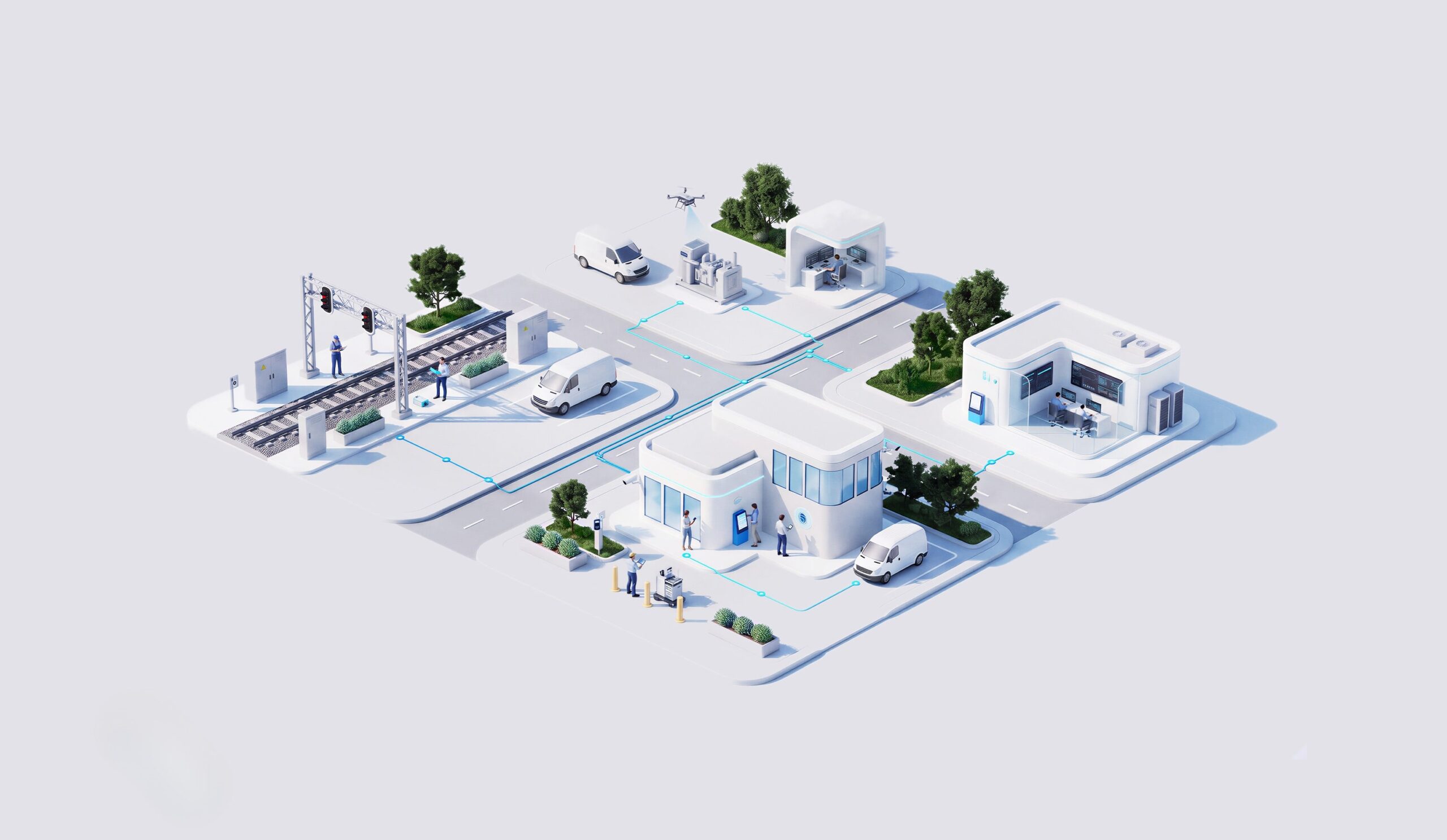
Uses physical document streams to represent the integration of network, procurement and billing processes without artificial overlays.
1: Disconnected process domains
Network, procurement and billing processes needed to be integrated through an end-to-end model.

Focuses on talent development and cross-role collaboration rather than technology alone.
2: A new organizational balance
The initiative required a hybrid organization model that could balance efficiency with talent development.

Makes governance tangible through shared review, traceability and human accountability.
3: Service and governance gap
The company needed a defined service and governance model for more transparent and consistent management.

Shows automation as a grounded operational process with human quality oversight.
4: Manual transactional activity
Transactional areas required automation to reduce their dependence on manual work.
解決策
An end-to-end model combining process, organization and technology

NTT DATA optimized the financial process model, renewed the supporting technology infrastructure and introduced a more transparent approach to service governance. The response addressed process integration, organizational design, governance and automation as connected parts of the same transformation.

チェックアイコン
End-to-end process integration

Integrated network, procurement and billing processes within the SAP S/4HANA-aligned model.

チェックアイコン
Hybrid organization model

Introduced an organizational model designed to balance operating efficiency and talent development.

チェックアイコン
Evolved service governance

Established a service and governance model with a more transparent management approach.

チェックアイコン
Transactional automation

Automated 65% of transactional areas as part of the financial process transformation.

影響
Finance became a benchmark rather than a back office

The transformation automated 65% of transactional areas and made Finance the first corporate area to align its processes with SAP S/4HANA. The resulting model is presented as a European benchmark for efficiency and best practices, with financial processes described as more scalable and robust.

ドラッグ