- All Foundries

- Commodity Management & Trading

- Customer & Marketing Strategy

- Digital Engineering

- Station Studio

- Supply Chain & Industry 5.0
- Sustainability

- Physical AI

- Next-Gen Infrastructure

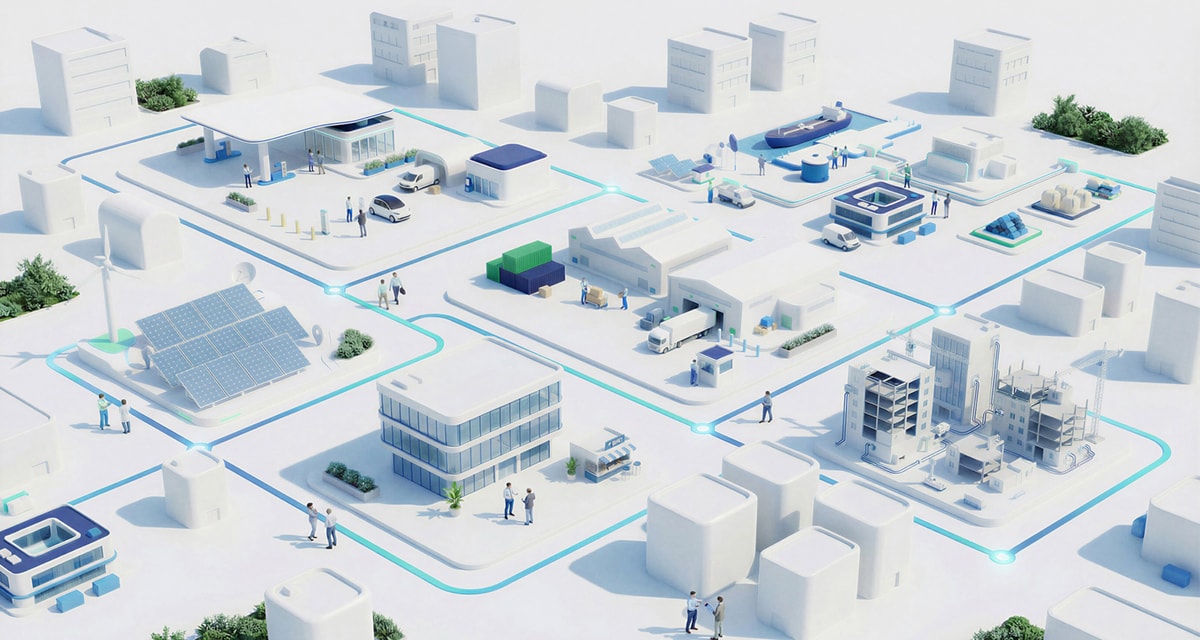




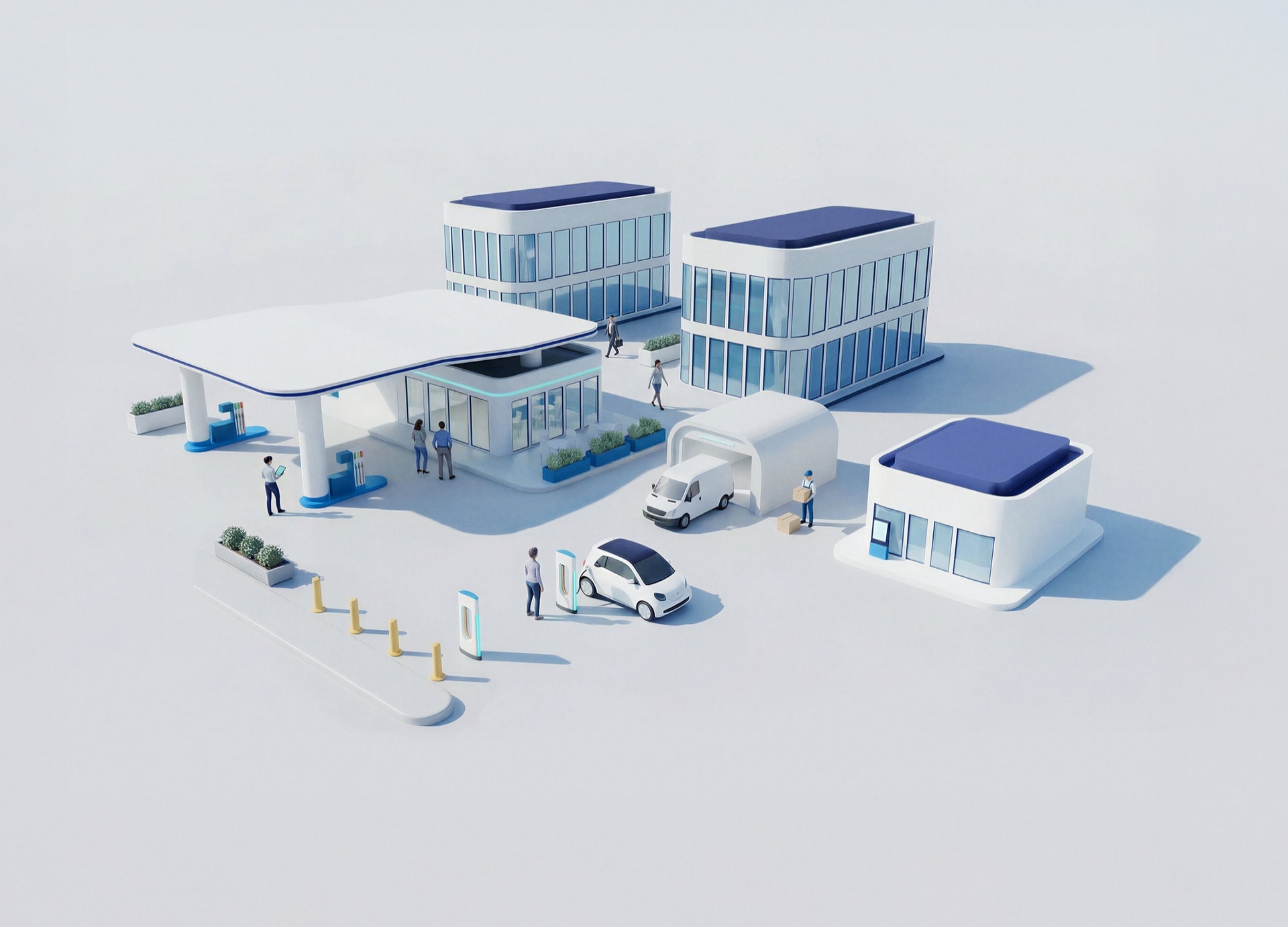



Japan’s service stations are becoming a coverage portfolio
Registered stations fell from 29,005 at FY2020-end to 27,009 at FY2024-end, while the longer-term network has declined by about 55% from its
The operating issue is increasingly uneven. Some sites face declining commercial demand; others remain important for local access or emergency continuity despite limited direct contribution. The management question is therefore no longer how to apply one station model across the network, but which economic role each site should play and what the portfolio must preserve

Japan had 27,009 registered service stations at FY2024-end, down 6.9% in four years and approximately 55% from the FY1994 peak
At FY2025-end, 615 municipalities had three or fewer stations or residents at least 15 kilometres by road from the nearest station.
Japan listed 14,215 resident-base service stations with emergency generation as of March 2026, giving some locations a continuity role that fuel throughput alone does not capture.
Japan’s revised fire-safety framework permits qualified automated monitoring at self-service stations under defined safety, escalation and human-control requirements. This can support different labour models by site without implying fully unmanned operation.
Classify each station by commercial potential and strategic coverage criticality, then define the service model, staffing, investment logic and operator economics appropriate to that role. Test propositions as portfolio pilots with comparable sites before scaling them across the network.