- All Foundries

- Commodity Management & Trading

- Customer & Marketing Strategy

- Digital Engineering

- Station Studio

- Supply Chain & Industry 5.0
- Sustainability

- Physical AI

- Next-Gen Infrastructure






AI & Drone Inspection for Transmission Networks
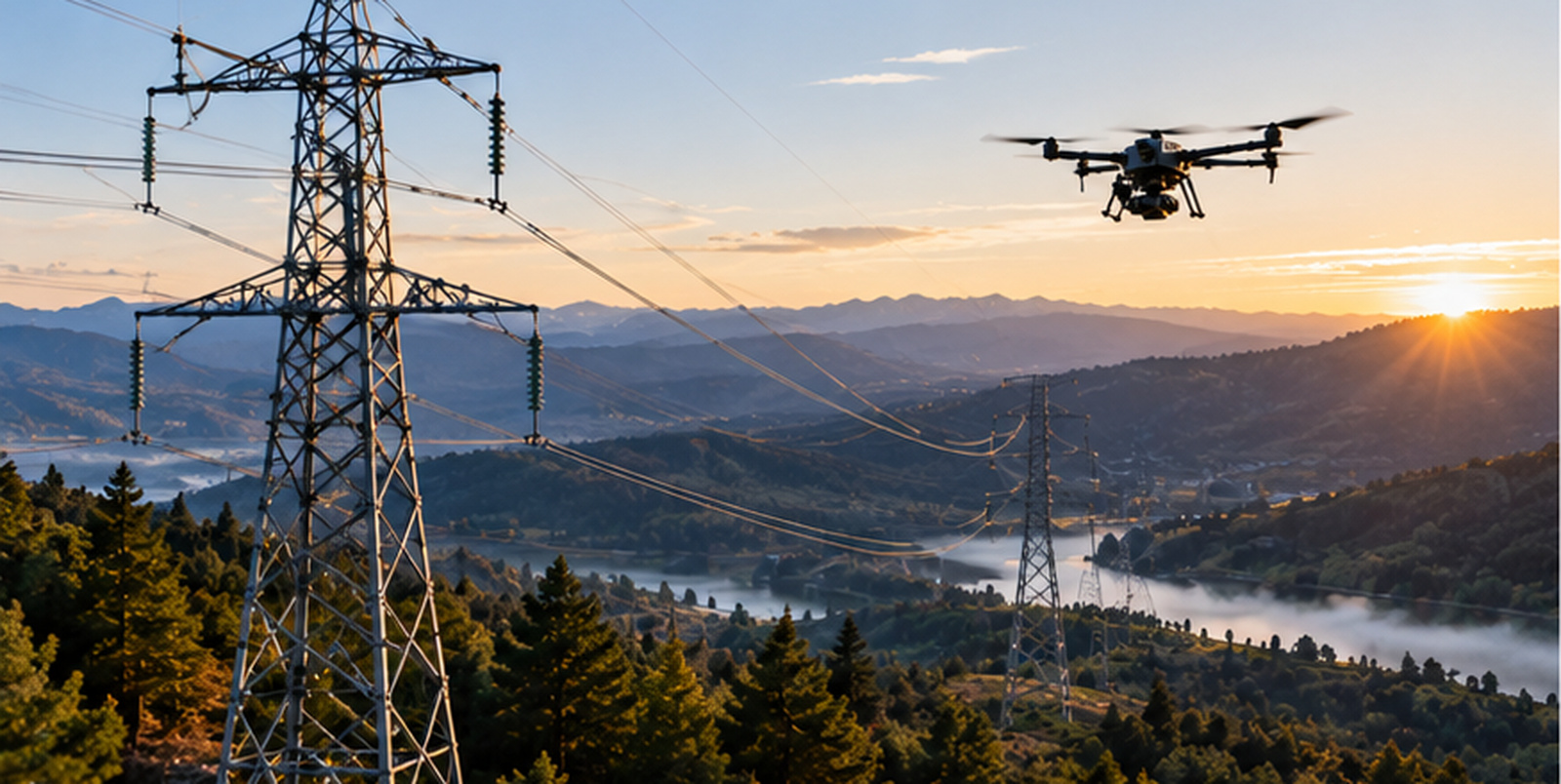
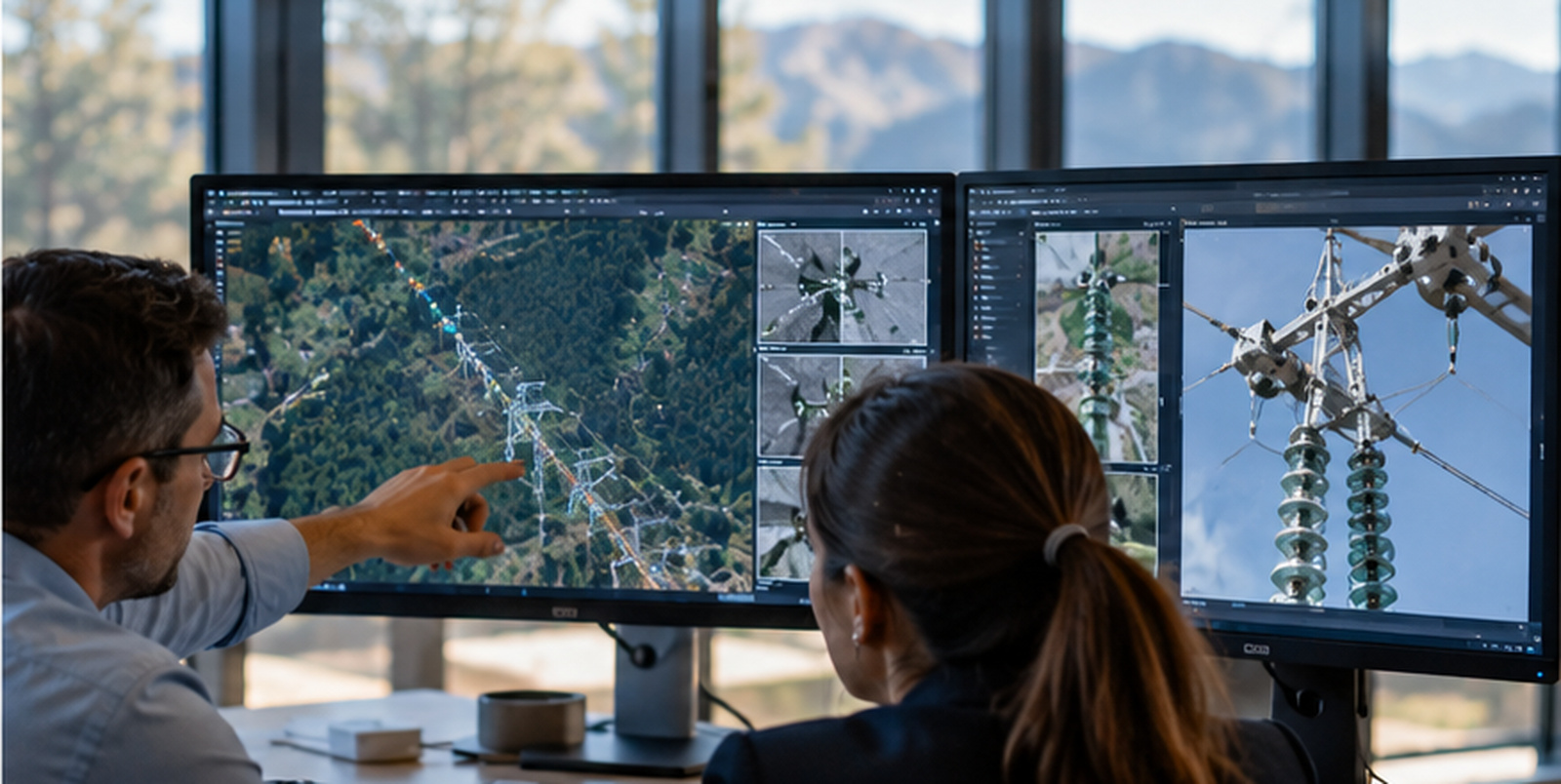
A transmission and distribution network operator assessed the business and operational viability of more autonomous UAV inspection for high-voltage overhead lines before scaled deployment. The work connected value-proposition and minimum-viable-product definition with market, risk, barrier and partner analysis, while framing how captured field evidence could move through a digital workflow for review and operational follow-up.
The challenge was not simply technical. The capability had to fit the client operating context, address the constraints of geographically dispersed and safety-sensitive inspection work, and turn large volumes of field evidence into outputs that relevant teams could trust and reuse. At the same time, the utility needed a clear view of market conditions, adoption barriers, partner options and practical implementation considerations before moving toward a more autonomous operating model.
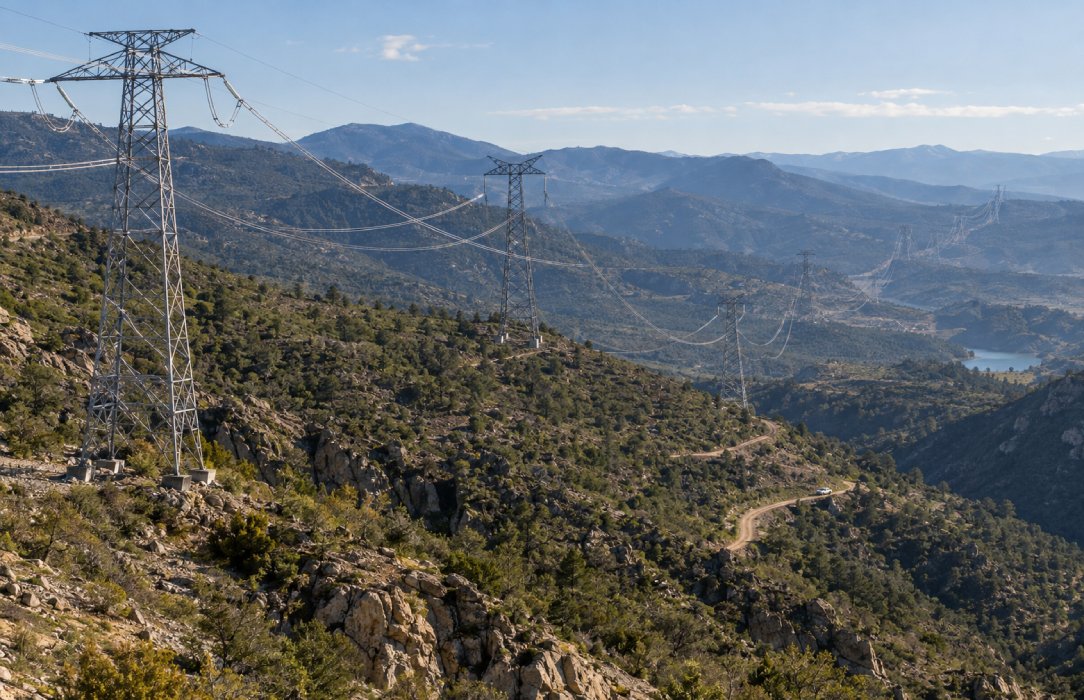
High-voltage overhead lines are geographically dispersed, making conventional field inspection expensive to scale and difficult to standardize across remote or difficult-access network routes.
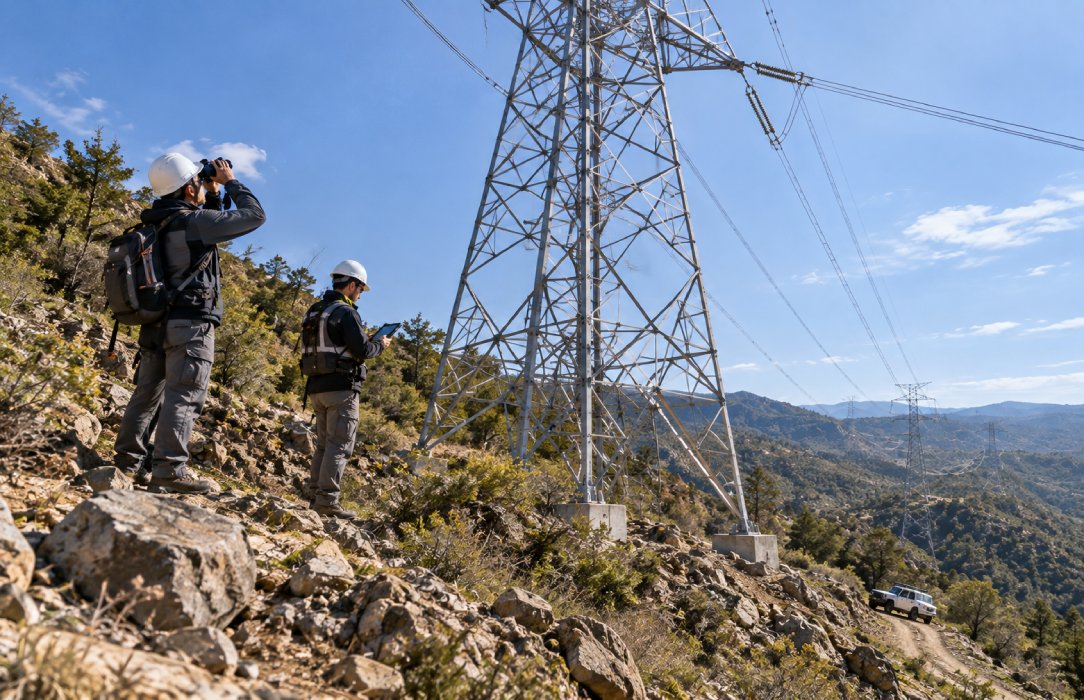
Manual inspection or intervention can be slow and can expose personnel to operational constraints and safety risk, increasing the need to understand where remote inspection can realistically change the operating model.
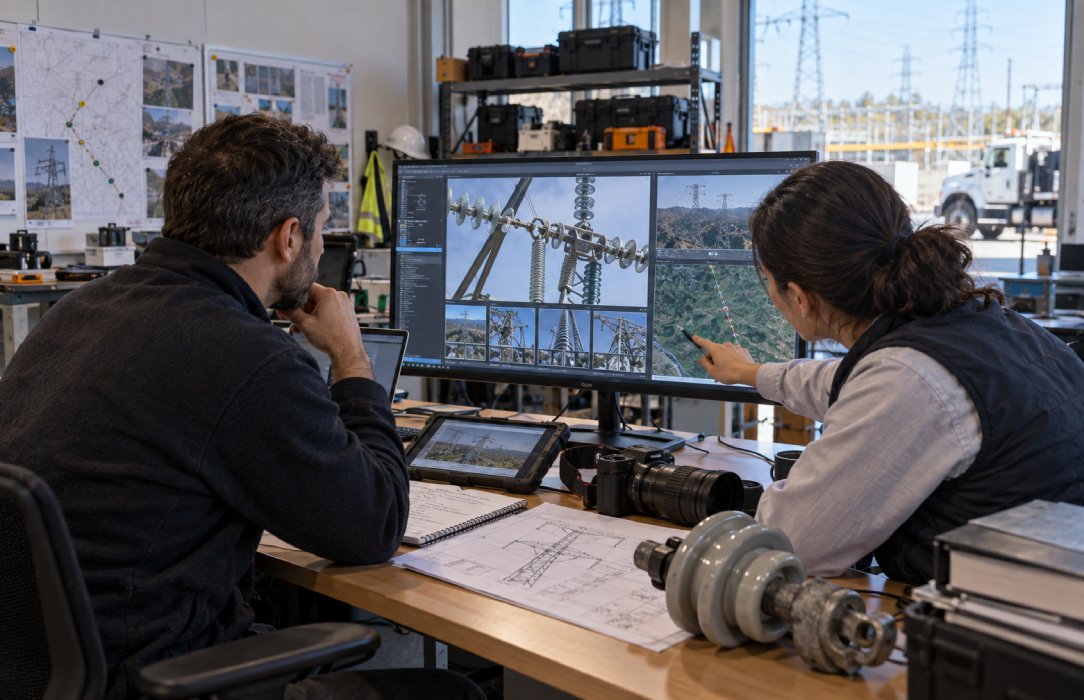
Large volumes of physical-world evidence need to be processed, reviewed, traced and converted into information that engineering, operations and maintenance teams can act on.
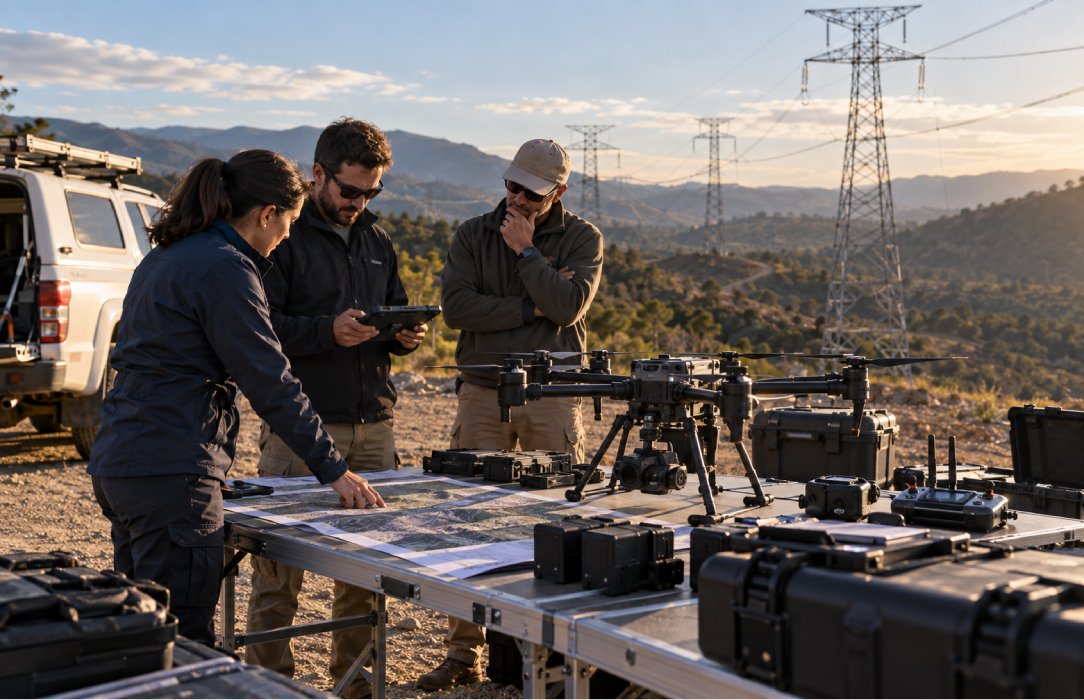
The utility needed to understand the value proposition, barriers, market risks, substitutes, technology trends and partner ecosystem before committing to a more autonomous inspection model.
The delivery approach combined business-design analysis with the field technology, digital workflow and implementation logic needed to evaluate a scalable inspection model. The work linked viability and minimum-viable-product definition with market and ecosystem analysis, then framed how repeatable missions could capture evidence, move it through processing and review, and support operational follow-up.

The team assessed the business viability of highly robotized or autonomous UAV inspection and maintenance for high-voltage overhead lines, defining the value proposition and a potential minimum viable product.
The assessment analysed the accessible market, risks, barriers, substitutes, value chain, technology trends and potential partners to clarify the conditions surrounding adoption.
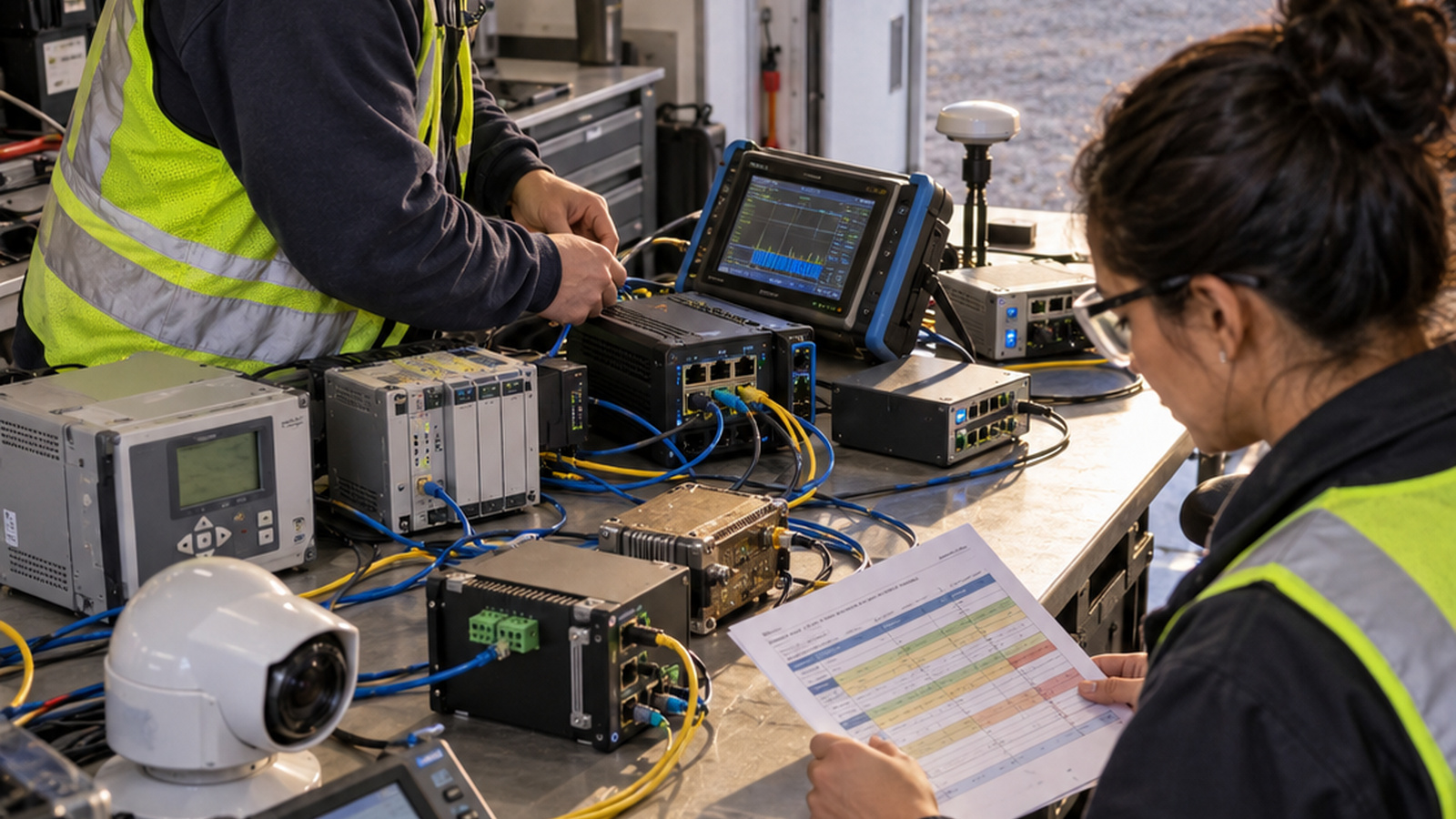
Field technology was combined with a digital workflow for evidence capture, processing, review and operational follow-up so inspection outputs could move into the work of engineering, operations and maintenance teams.
The solution was framed around repeatable missions or procedures and a path to short-term market adoption, identifying practical implementation considerations so the capability could move beyond isolated demonstrations.
The assessment delivered a clearer business case for UAV-based network inspection and defined a route from technology capability toward a viable operating model. It identified adoption barriers, potential partners and market risks while creating a foundation for later automation and computer-vision inspection use cases. By connecting field technology with repeatable missions and a digital evidence workflow, the work gave the utility a more structured basis for evaluating how autonomous inspection could support future high-voltage line operations.
success stories