


- All Foundries

- Commodity Management & Trading

- Customer & Marketing Strategy

- Digital Engineering

- Station Studio

- Supply Chain & Industry 5.0
- Sustainability

- Physical AI

- Next-Gen Infrastructure







Cooperative networked UAVs for 5G coverage extension


A 5G network reaches as far as its fixed stations. When users leave the range, or when a site needs connectivity for a few days, the network has no way to follow them.

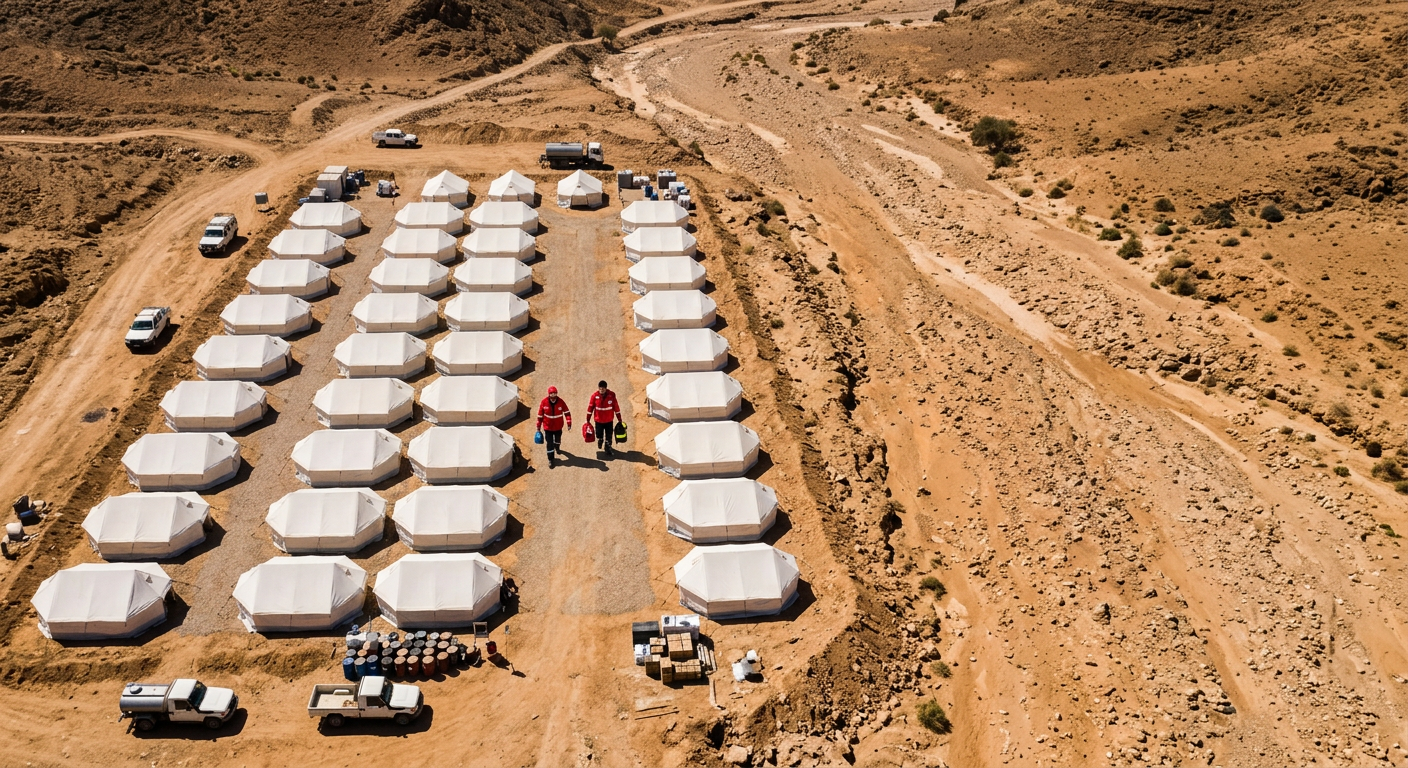


NTT DATA developed a platform to manage drone fleets as mobile IAB nodes within a 5G network, built with Python, ROS and Docker. A ground-based donor station provides the main signal, and the drones extend coverage dynamically as users move around.

A ground-based 5G donor station feeds the network, and each drone works as an IAB node with its own radio and computing unit.
Operators plug their own optimization policies into the platform and stay in charge of where drones fly and how they behave.
The platform tracks signal quality across every coverage area without pause.
Drones move on their own to maximize signal strength and throughput for users in motion.
Operators extend 5G quickly beyond fixed infrastructure, and coverage adapts as the drones follow mobile users. The same setup serves industrial campuses, emergencies and temporary events. The platform also sets the base for AI-driven optimization and more autonomous network management, in line with NTT’s work on IOWN, a next-generation network designed for minimal latency.
success stories
