- All Foundries

- Commodity Management & Trading

- Customer & Marketing Strategy

- Digital Engineering

- Station Studio

- Supply Chain & Industry 5.0
- Sustainability

- Physical AI

- Next-Gen Infrastructure







Biofuels Production at Scale
The industrial challenge is translating a pathway that works at pilot scale into a stable, continuous process. Feedstock variability, pretreatment performance, conversion yield, utility consumption, product quality and traceability all affect production economics.

Process simulation and digital twins allow teams to compare operating scenarios before changing physical assets. This supports evidence-based choices about capacity, equipment and investment priorities.
Analytics reveal relationships between feedstock characteristics, pretreatment conditions and conversion performance. Operators can identify bottlenecks earlier and stabilize production at the required rate.
Integrated monitoring tracks utilities alongside production conditions and output quality. This gives teams a stronger basis for reducing avoidable consumption without compromising process stability.
Automation and contextualized data help operators adjust conditions as feedstocks and product requirements change. Facilities can respond more consistently without relying on isolated manual interventions.
How NTT Data helps
NTT DATA helps teams structure and compare scale-up scenarios for pathways such as cellulosic ethanol, biogas and synthetic fuels. Process models and techno-economic inputs connect technical assumptions with capacity, utility, cost and investment decisions.
Digital twins combine design assumptions with plant data to test operating conditions, identify bottlenecks and evaluate changes before deployment. AI-driven analytics can support yield improvement, waste reduction and more stable ramp-up across pretreatment and conversion stages.

Automation, control systems and contextualized production data give operators earlier visibility into deviations. Integration with plant historians, manufacturing execution systems, laboratory systems and maintenance data can support consistent production, faster troubleshooting and informed intervention.

Feedstock data connects origin, characteristics, logistics and storage conditions with plant performance. Traceability platforms and lifecycle information help producers manage variability, support RED III evidence and strengthen the integrity of sustainability reporting.
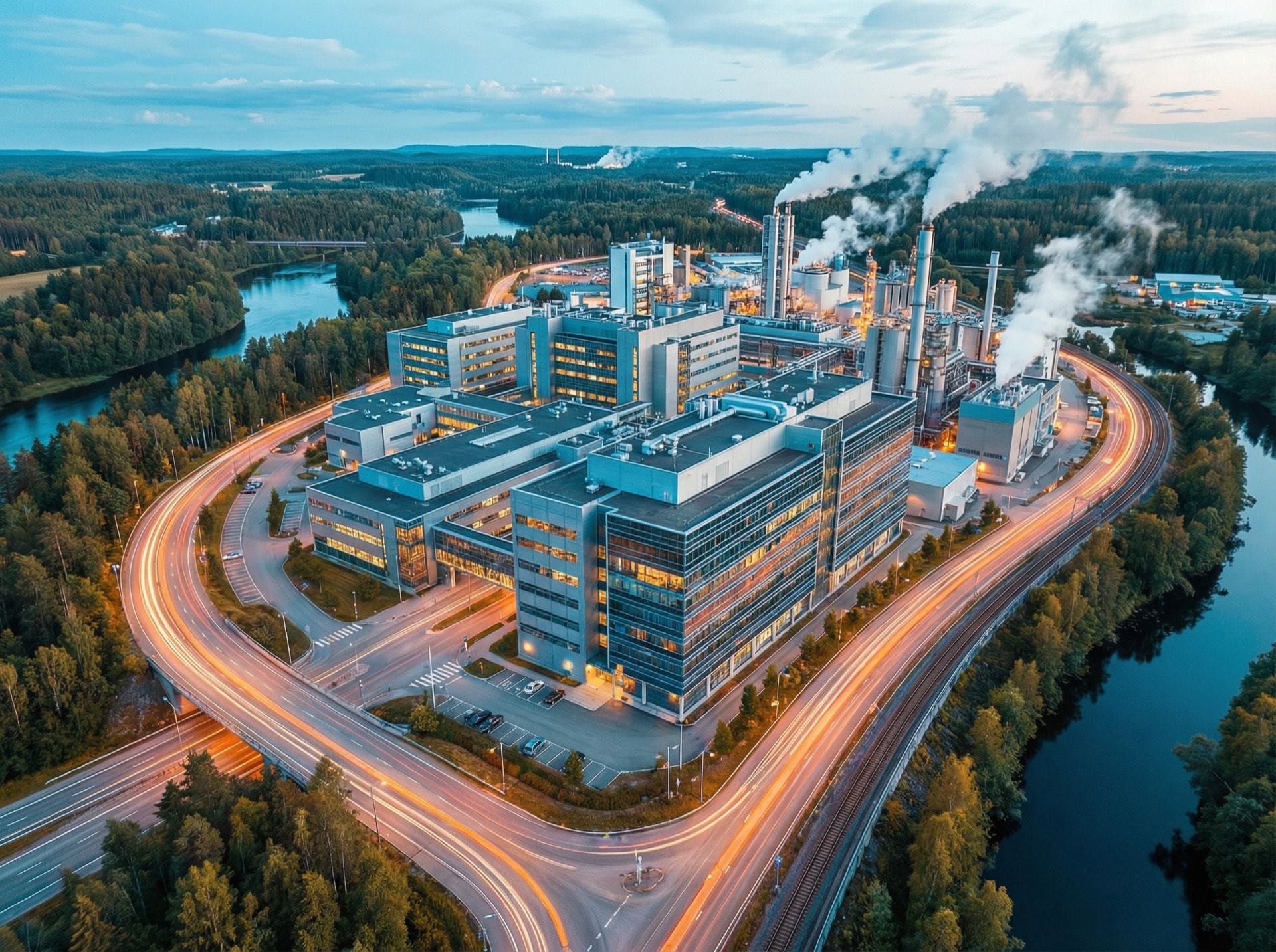
Market intelligence and scenario analysis connect technology choices with demand, policy changes, feedstock availability and investment timing. This helps decision-makers compare pathways, sequence capacity expansion and identify the conditions required for commercially viable production.

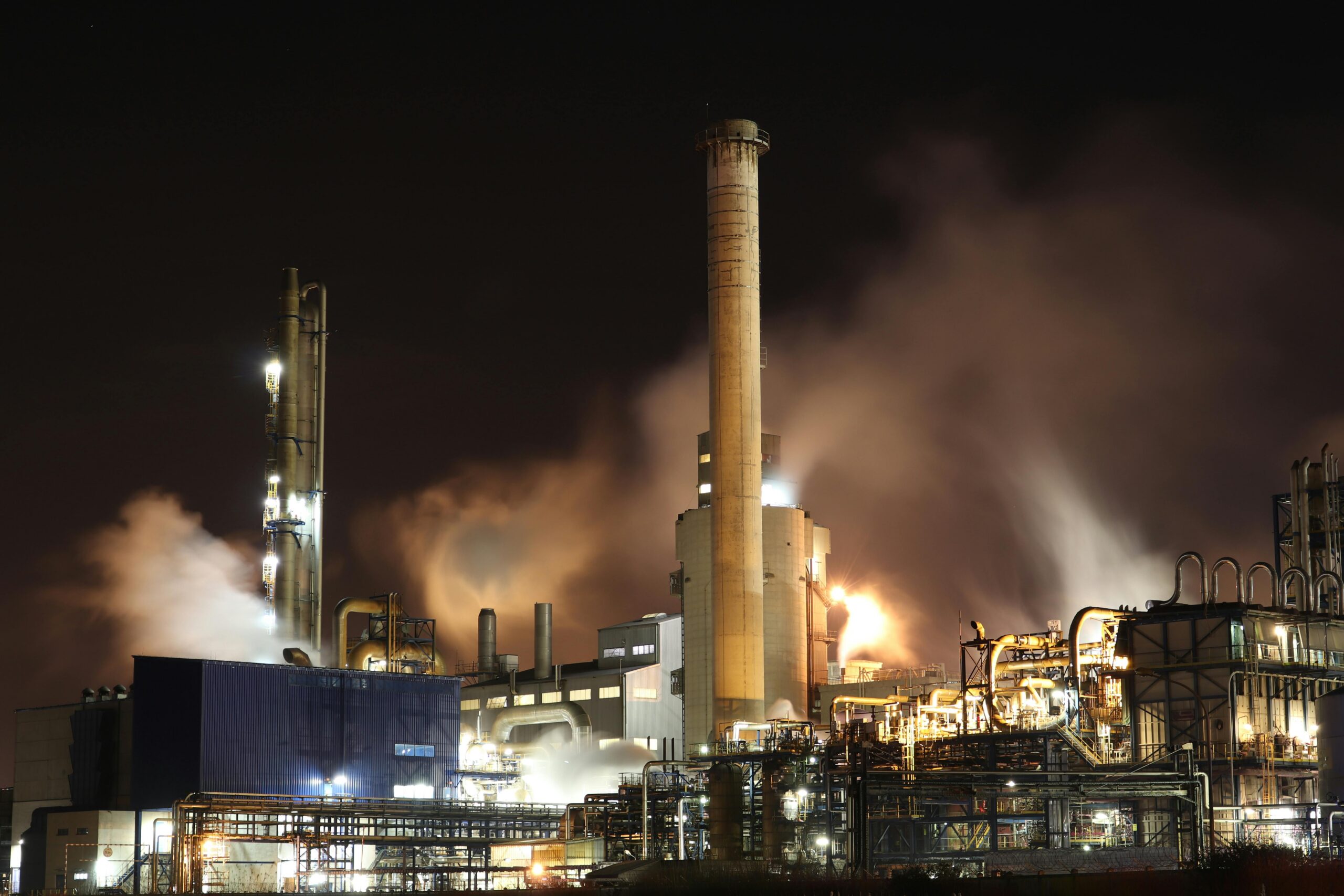
Biofuel production at scale requires stable processes, reliable feedstock supply and evidence that each pathway is technically, economically and environmentally viable. NTT DATA connects process data, AI-driven analytics, digital twins, automation and traceability to support decisions from scale-up design through industrial operations. This integrated approach helps producers understand variability, test operating scenarios, improve production performance and align capacity investments with sustainability and market requirements.
Biofuel producers can use these capabilities to pursue measurable improvements across scale-up and industrial operations.
Comparable technical and operating scenarios give teams a clearer basis for moving from pilot evidence to investment decisions.
Earlier detection of feedstock and process variability supports more consistent conversion performance and output specifications.
Integrated utility and production data helps teams identify avoidable consumption while protecting throughput and product quality.
Structured feedstock, production and lifecycle records improve the evidence available for certification, reporting and audits.
Industrial-scale biofuel production turns decarbonization ambition into dependable supply when process performance, feedstock strategy and sustainability data operate as one system.