- All Foundries

- Commodity Management & Trading

- Customer & Marketing Strategy

- Digital Engineering

- Station Studio

- Supply Chain & Industry 5.0

- Sustainability

- Physical AI

- Next-Gen Infrastructure










Data Governance & AI at Scale in Retail Networks
Service station networks generate data across forecourts, stores, loyalty, digital channels, EV charging and supply operations. When ownership, definitions and platforms remain fragmented, forecasts become unreliable and AI stays trapped in isolated pilots. Governed, connected data helps teams align planning, improve inventory visibility, identify demand shifts earlier and embed responsible AI into daily operational decisions.
Governed, connected data gives service station teams consistent inputs for forecasting, inventory, supply and customer decisions while creating a controlled foundation for AI adoption.

Connected and governed datasets align information from forecourts, stores, digital channels and supply operations. Teams gain a more consistent view of demand, stock and customer activity.
Ownership rules, shared definitions and quality controls reduce competing interpretations of key retail data. Forecasting and planning teams can work from the same trusted foundation.
Traceable data and responsible AI controls make the inputs, ownership and approval path behind decisions clearer. This supports more consistent AI adoption across retail functions.
Governance and adoption workflows connect analytics with recurring planning and execution processes. Approved AI use cases can move beyond isolated pilots and dashboards.
How NTT DATA helps
An enterprise governance operating model defines data ownership, decision rights, policies and shared definitions across forecourts, stores, loyalty, digital channels and supply functions. Data catalogs and business glossaries make critical datasets easier to discover and interpret, while stewardship workflows keep responsibilities visible across the retail network.

Data quality controls standardize, clean, catalog and trace demand, inventory, supply and customer information. Data lineage records show how information moves from source systems into reports and AI use cases, helping teams identify inconsistencies before they affect forecasts or operational decisions.

Cloud-based data platforms and integrated data layers connect information across stores, channels and enterprise systems. Shared data products provide consistent inputs for demand forecasting, inventory optimization and customer engagement. This reduces dependence on isolated spreadsheets, duplicated data pipelines and disconnected platforms.
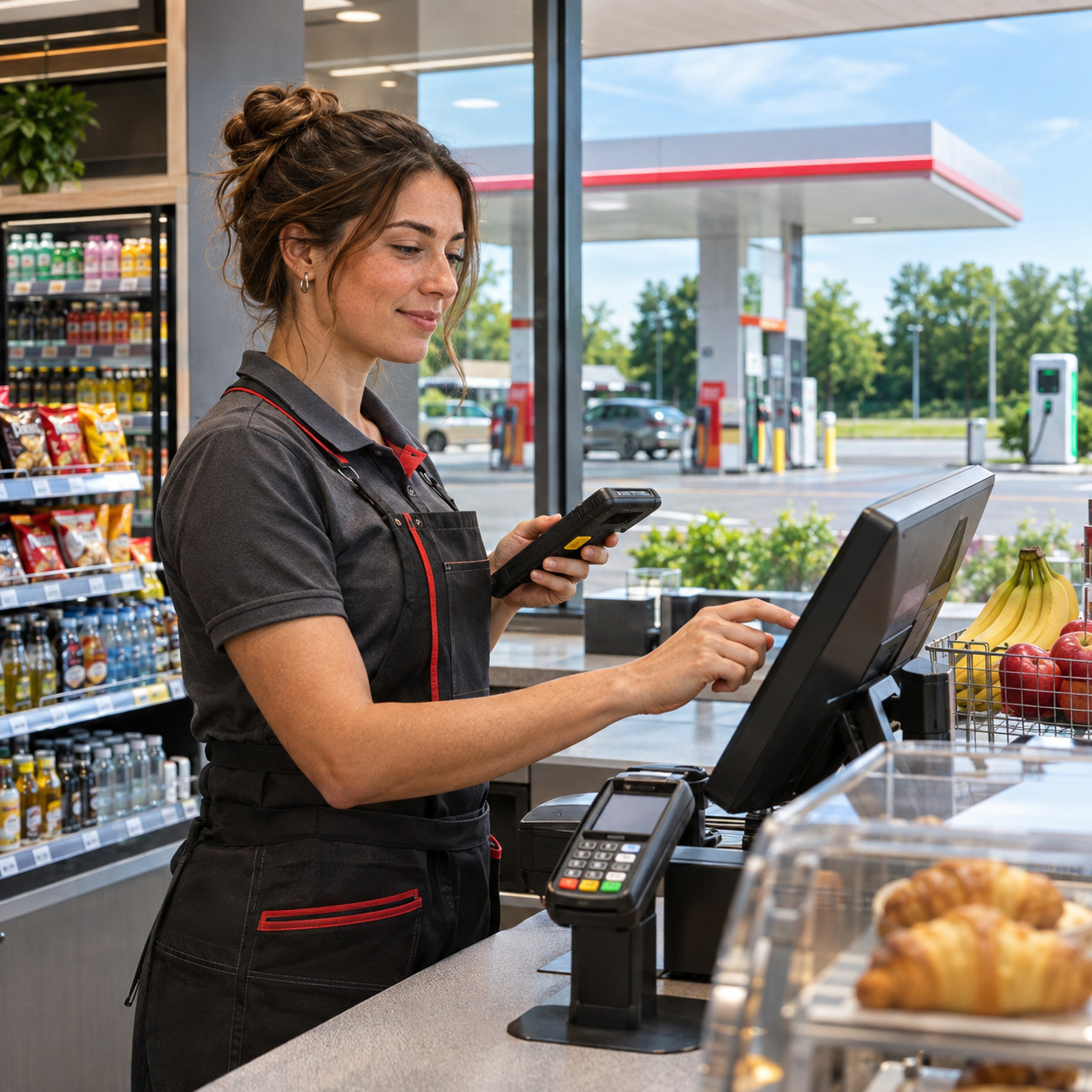
AI governance controls define approval, transparency, accountability and adoption requirements from the start. Model governance records and operational workflows make decisions traceable and embed approved AI outputs into planning and execution, rather than leaving intelligence inside dashboards or isolated pilots.

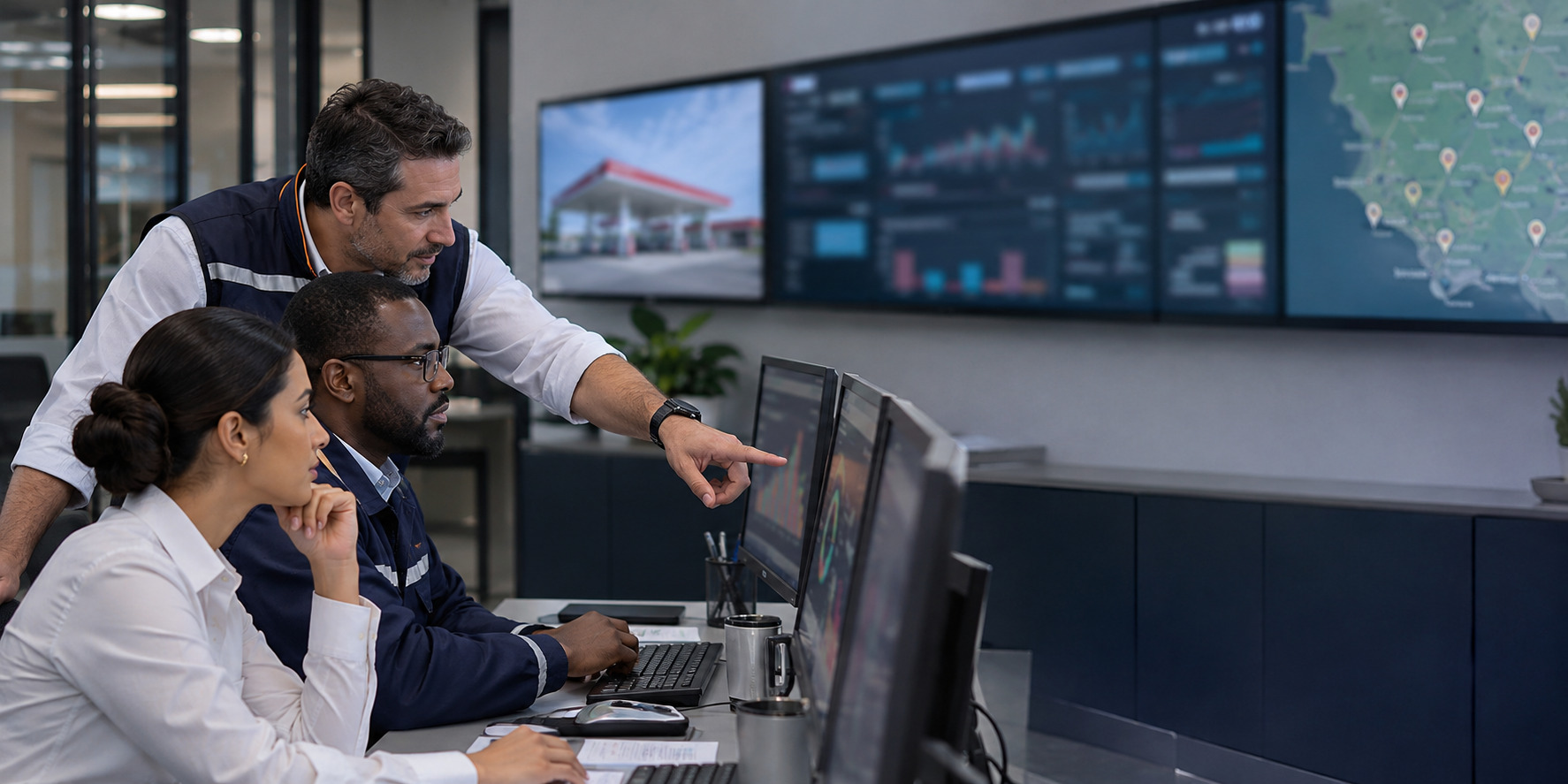
When governance and AI scale together, service station retailers make more consistent decisions across demand, inventory, supply and customer operations.
Consistent governed inputs across demand, stock and supply planning.
Shared definitions expose stockouts and excess inventory earlier.
Governance controls move approved use cases beyond isolated pilots.
Governed customer data supports more relevant decisions across loyalty, digital and in-store channels.
Retail network data governance is becoming a core operating capability for service station businesses that intend to scale trusted AI.