Digital Asset Management for Advanced O&M
Talks that move

Digital Asset Management for Advanced O&M

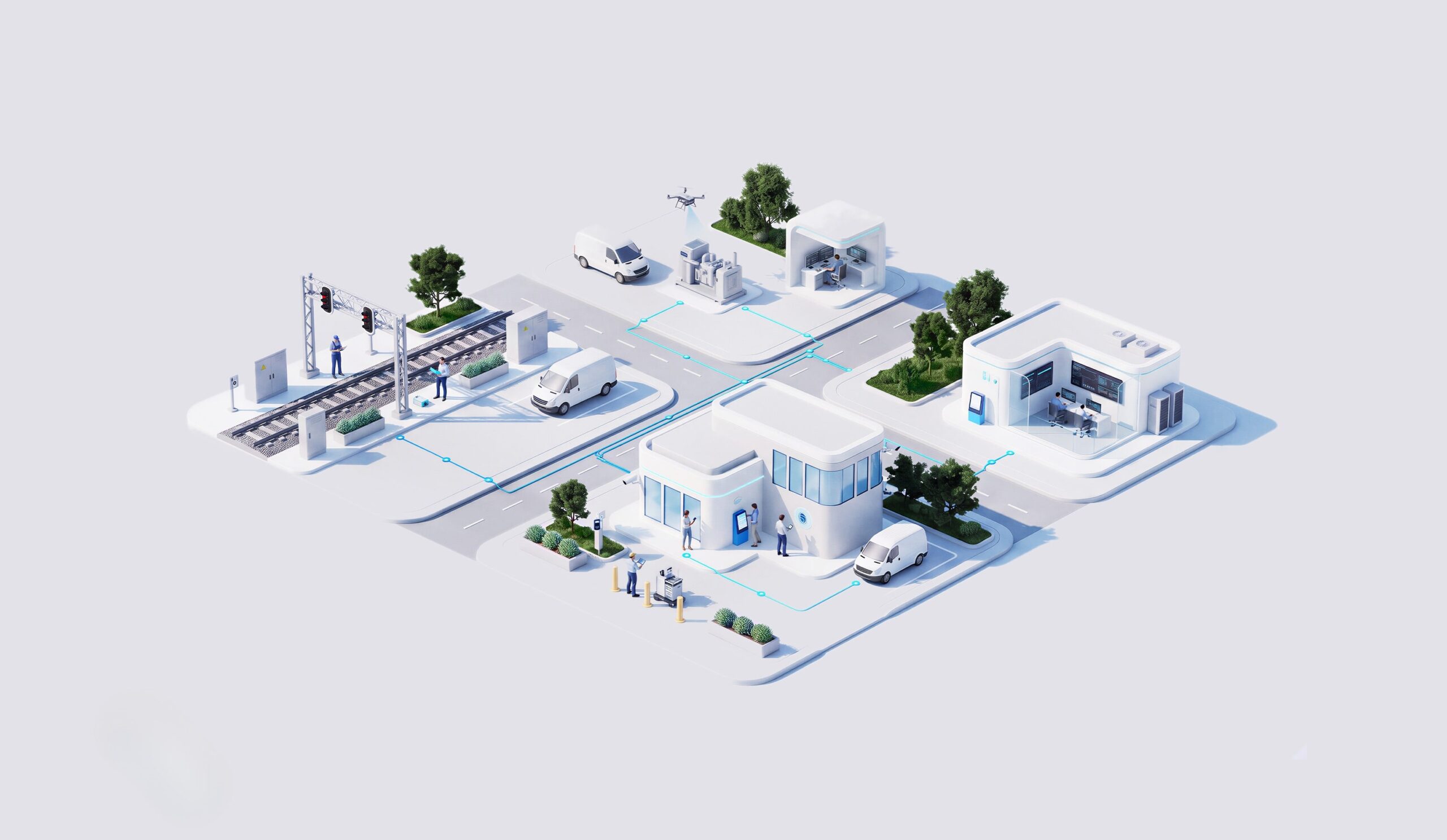
Integrate BIM, GIS, and real-world asset data into a unified digital environment to improve visibility, decision-making, and operational efficiency across the asset lifecycle
Schedule a meeting
Listen podcast
-15
+15
0:00
/
0:00
Industrial asset information is often dispersed across multiple systems, formats, and teams, making it difficult to access reliable, contextualized data when planning, operating, or maintaining complex facilities
WHY THIS “DIGITAL ASSET MANAGEMENT FOR ADVANCED O&M” CHALLENGE?
Operational decisions are slowed down when information cannot be accessed in context

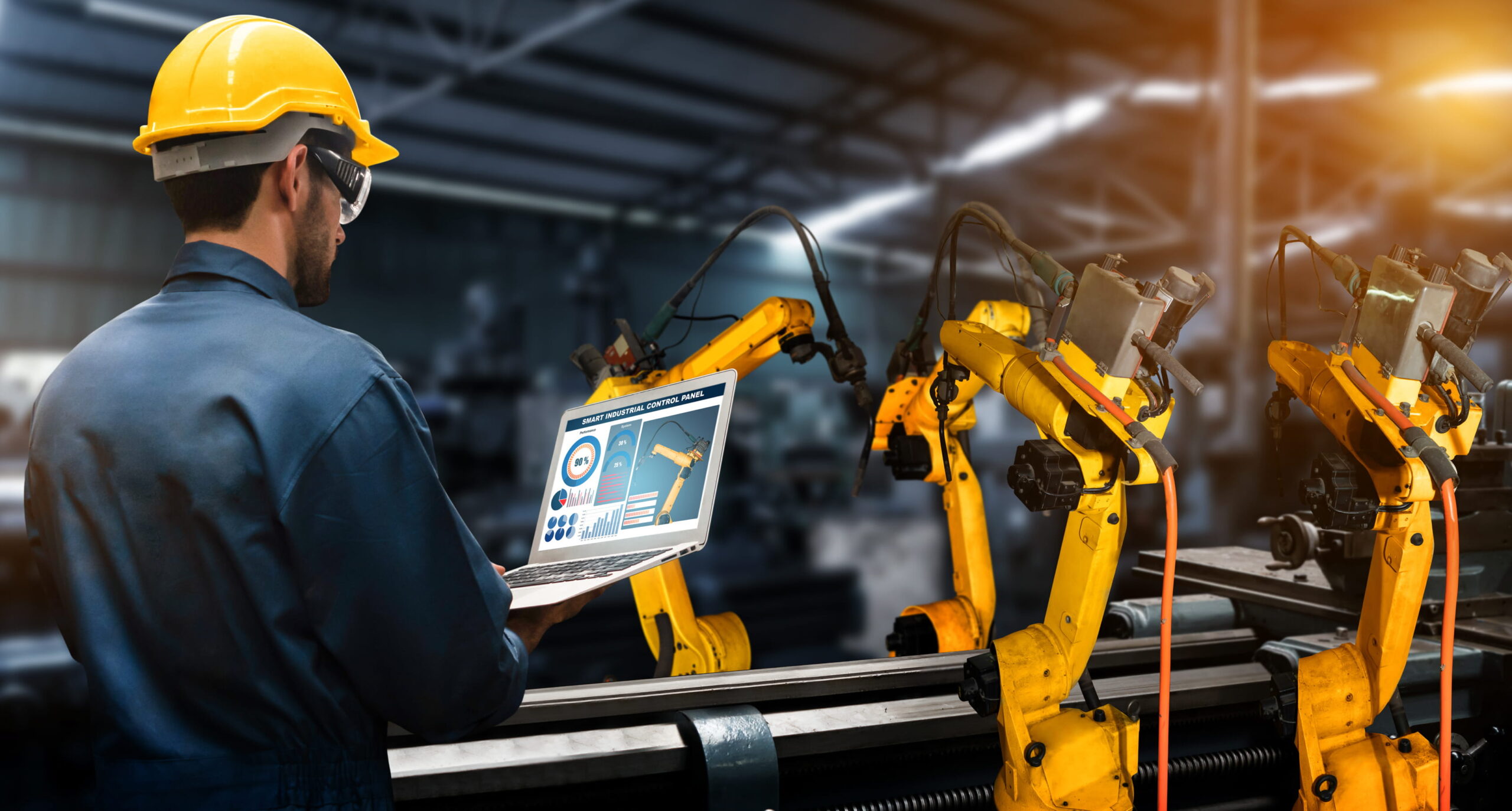
Engineering models, operational data, documentation, and real-world conditions are rarely connected, forcing teams to switch between tools, rely on outdated information, or physically visit assets to validate decisions

Key benefits
Connecting asset data to enable better operational decisions

Context, accessibility, and operational efficiency

check icon
Single point of access to asset information

Consolidate BIM models, GIS data, and operational systems into a unified environment

check icon
Improved decision-making through contextual data

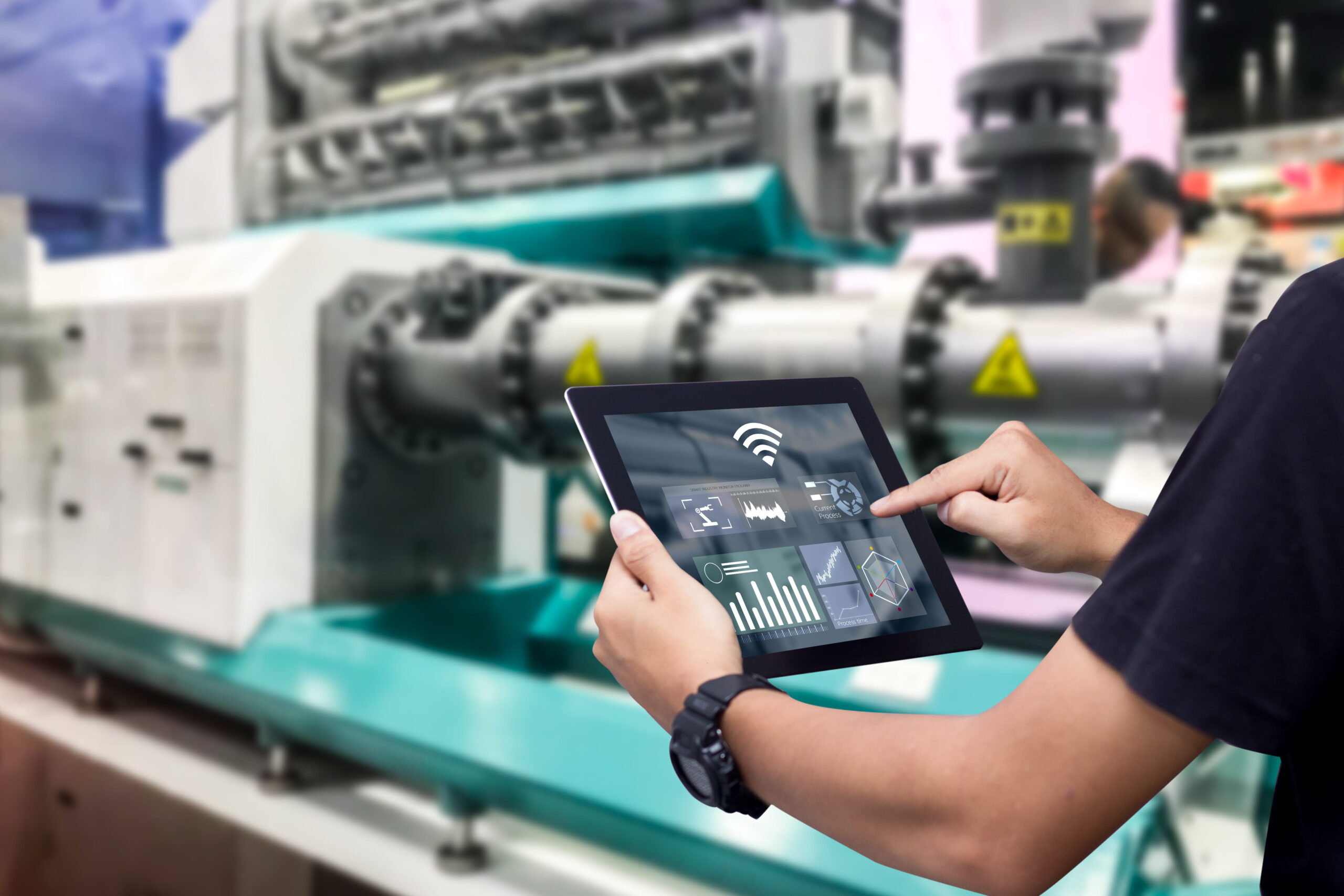
Access technical, spatial, and operational information in a single view

check icon
Reduced need for field visits

Enable remote analysis and planning through realistic 3D environments and asset visualization

check icon
Stronger coordination across teams and disciplines

Align engineering, operations, and maintenance through shared, consistent information

How NTT DATA helps

01
Designing and structuring the BIM ecosystem

Define standards, data models, and integration frameworks across systems

Designing and structuring the BIM ecosystem
02
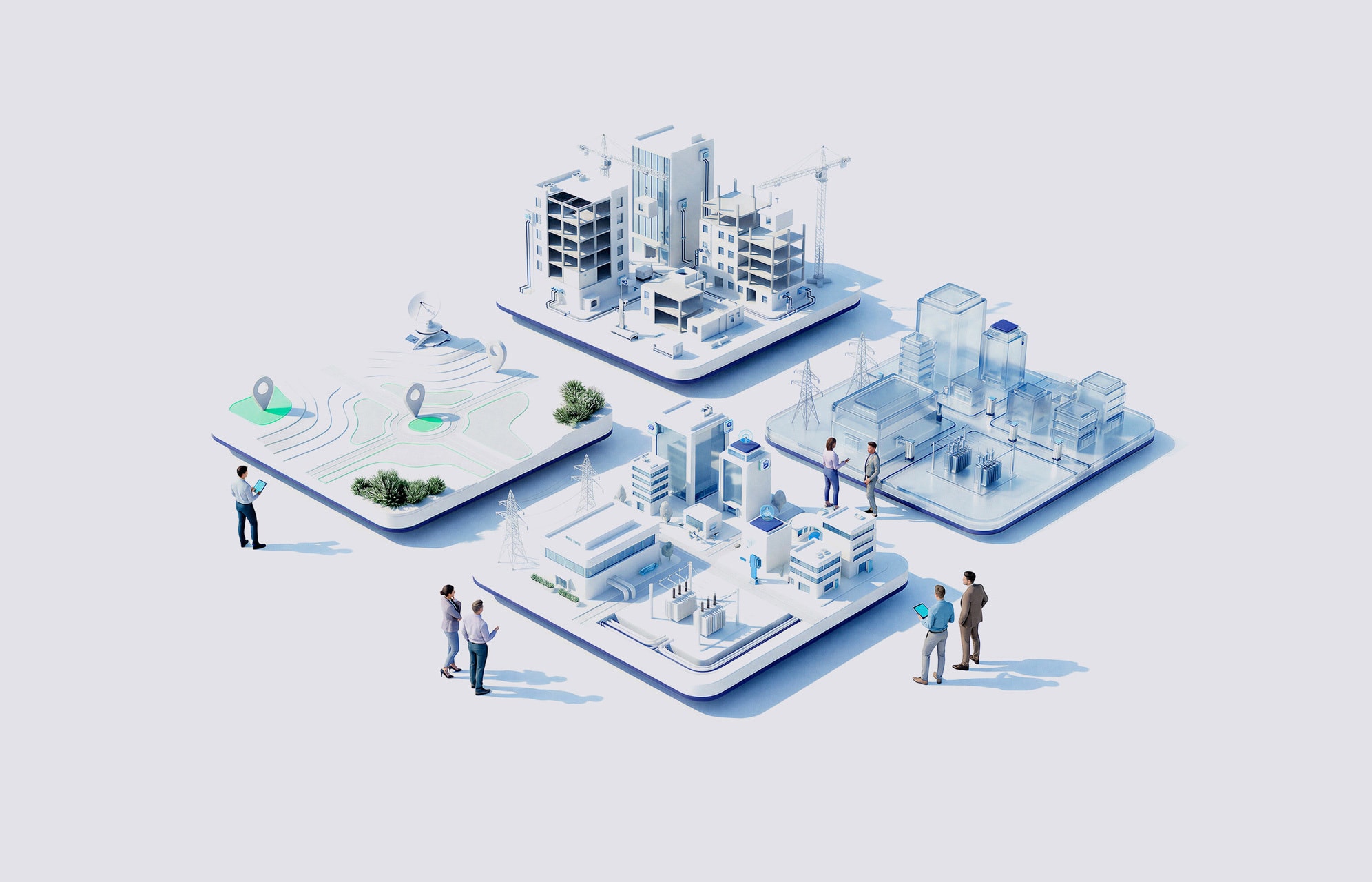
Integrating BIM, GIS, and reality capture technologies

Connect 3D models, geospatial data, and photogrammetry into a unified platform

Integrating BIM, GIS, and reality capture technologies
03
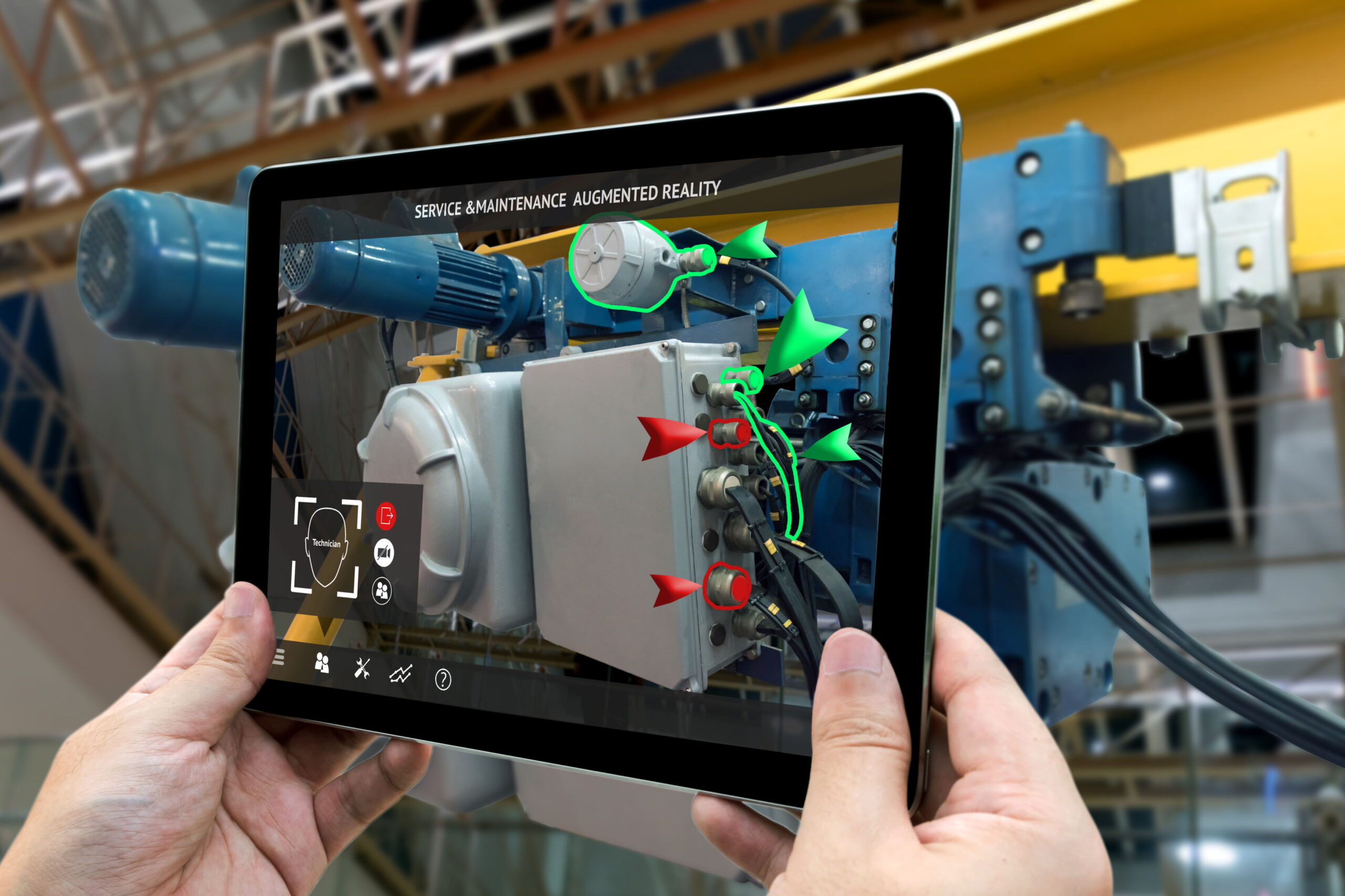
Developing asset visualization platforms (2D/3D)

Enable intuitive navigation and contextual access to asset information
Developing asset visualization platforms (2D/3D)
04
Defining governance, roles, and operating models

Ensure consistency, ownership, and long-term sustainability of the ecosystem

Defining governance, roles, and operating models
05
Supporting end-to-end implementation and scaling

From pilot use cases to full deployment across industrial complexes

Supporting end-to-end implementation and scaling
Enabling industrial teams to access, understand
Proven impact
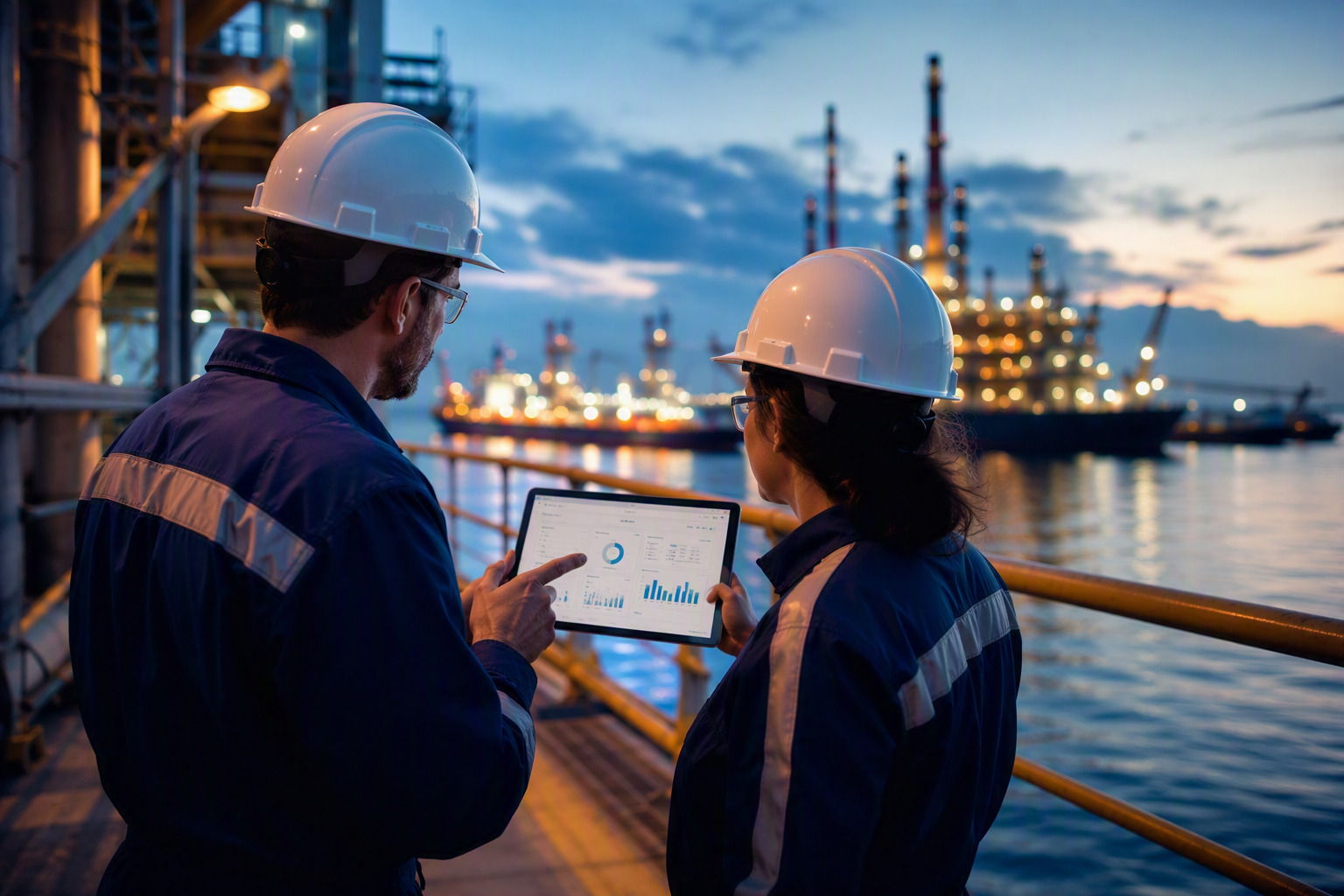
Enabling industrial teams to access, understand, and act on asset information faster by connecting models, data, and real-world context
Results that matter
Improvements in access, efficiency, and operational decision-making:
check icon
Faster access to critical asset information

Centralized platforms reduce time spent searching across systems

check icon
Reduced field interventions for planning and validation

Remote visualization minimizes the need for on-site visits

check icon
Improved coordination across engineering and operations

Shared environments reduce misalignment and rework

check icon
Foundation for digital twin evolution

Integrated data enables future capabilities such as predictive maintenance and simulation

Connect asset data to improve visibility and operational decision-making

Enable integrated and efficient asset management
Drag