- Commodity Management & Trading

- Customer & Marketing Strategy

- Digital Engineering

- Station Studio

- Supply Chain & Industry 5.0
- Sustainability

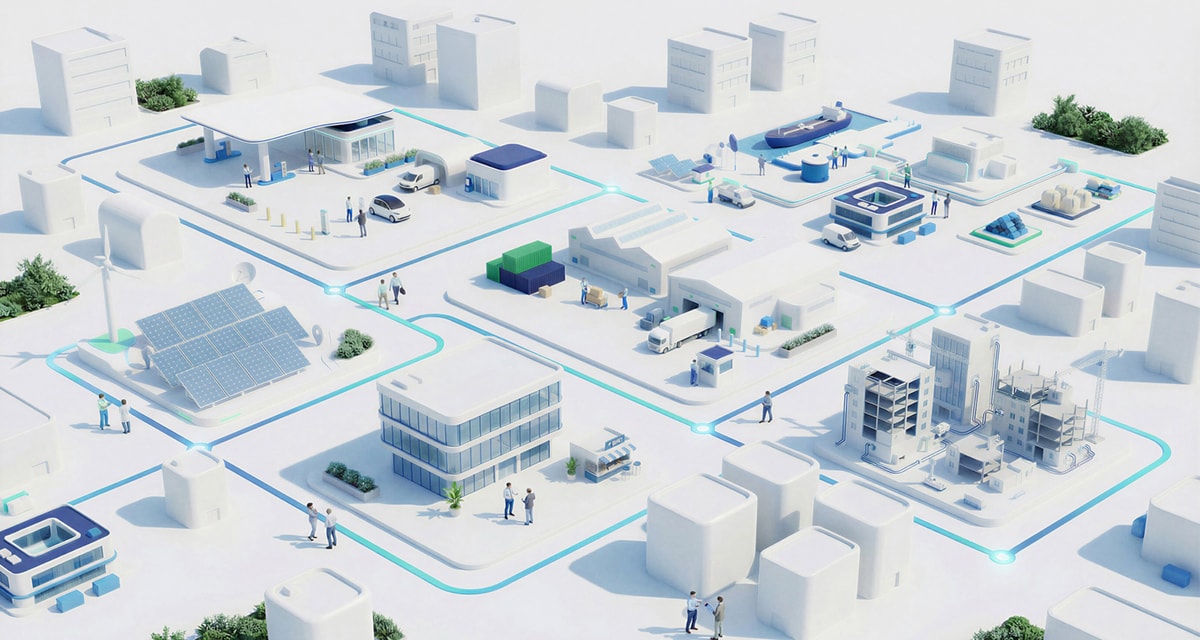

Commodity Management & Trading
Transforming trading ecosystems through data-driven insights and secure, agile platforms that empower global commerce.

Customer & Marketing Strategy
Reimagining customer engagement with personalized, connected experiences that build trust and long-term value.

Digital Engineering
Turning ideas into scalable digital solutions—accelerating transformation through design, technology, and engineering excellence.
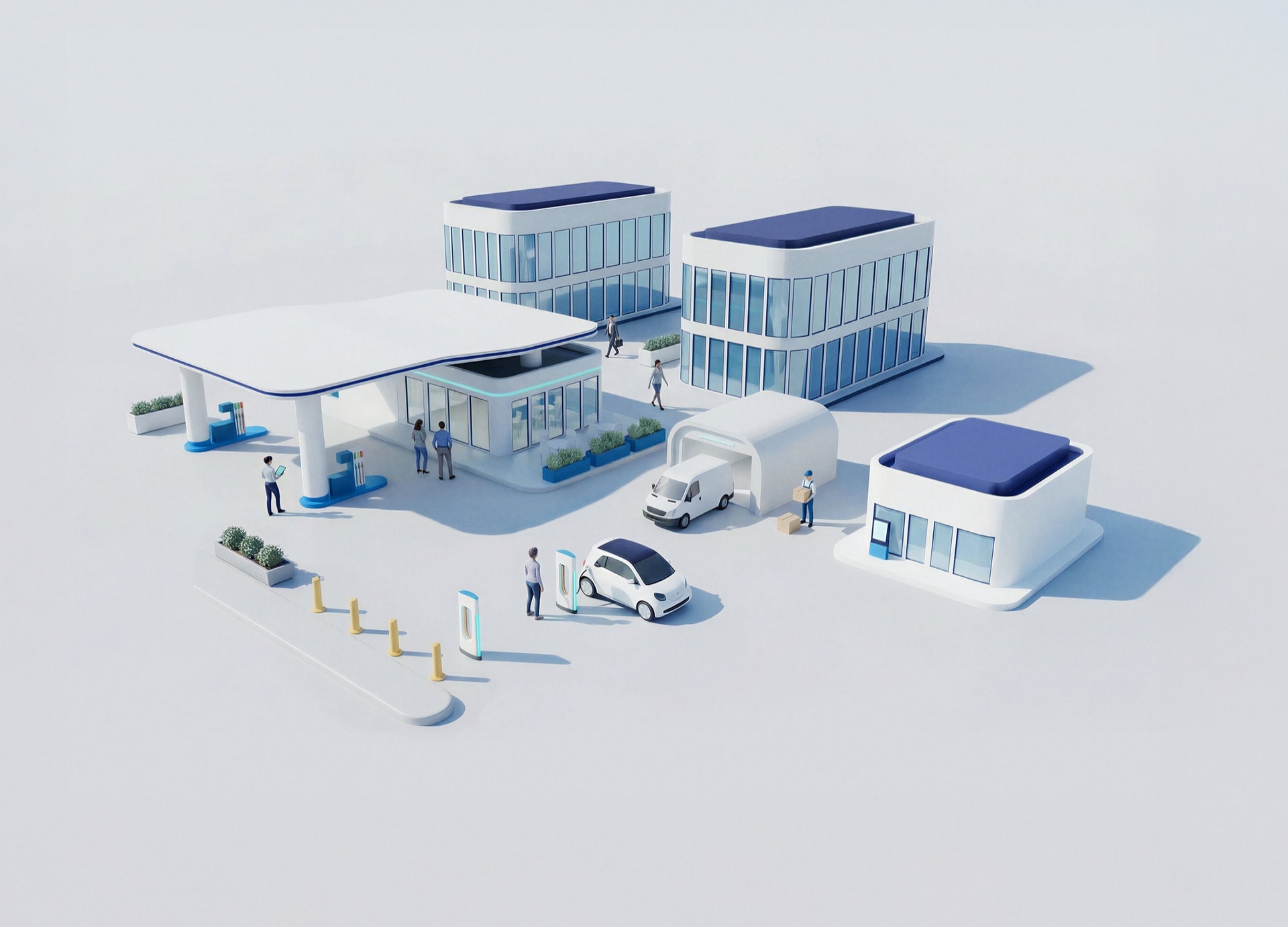
Station Studio
Redefining mobility hubs with digital innovation to create smarter, sustainable experiences for people and businesses on the move.
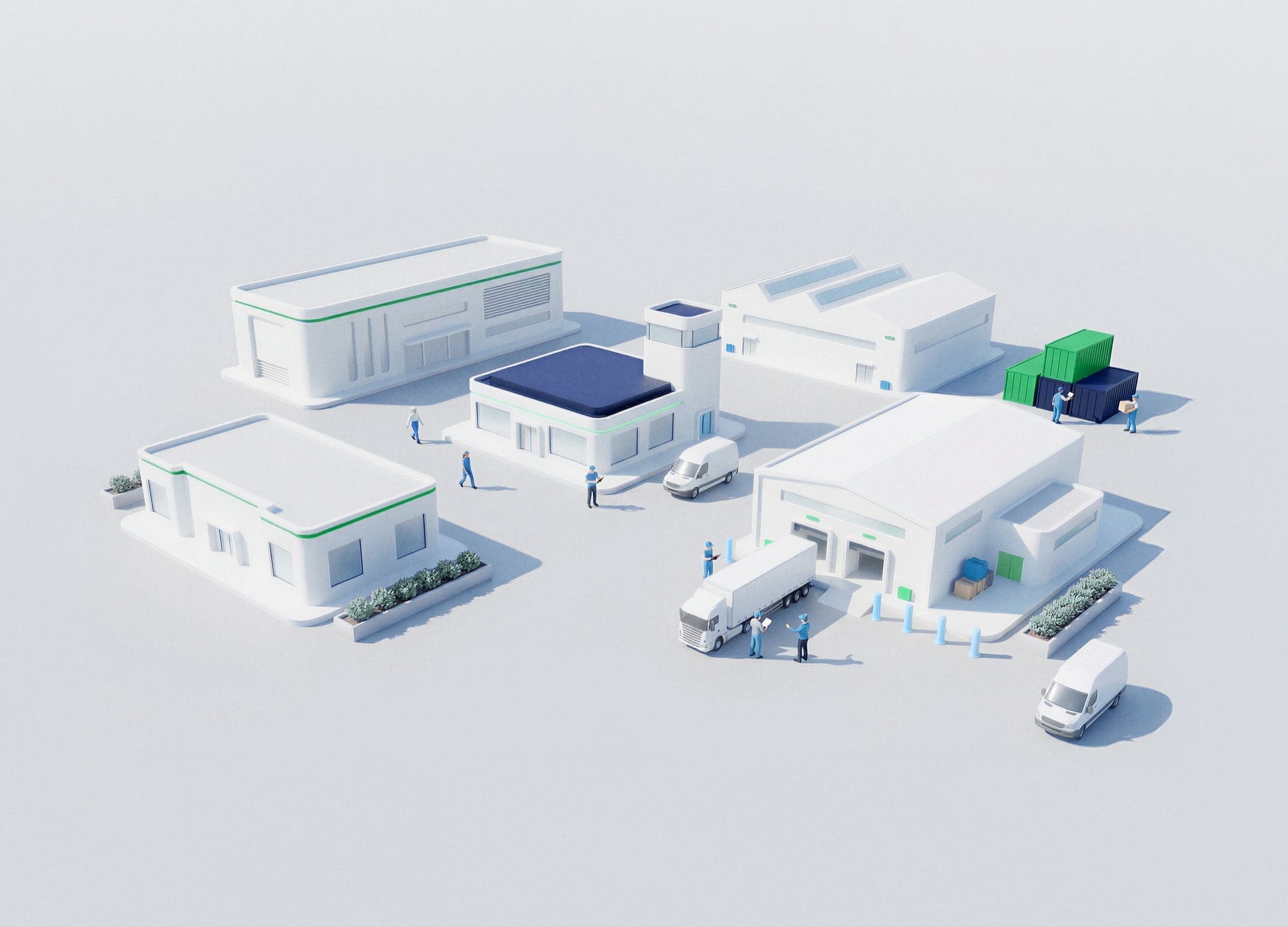
Supply Chain & Industry 5.0
Building resilient, intelligent supply networks that anticipate change and deliver efficiency with purpose.
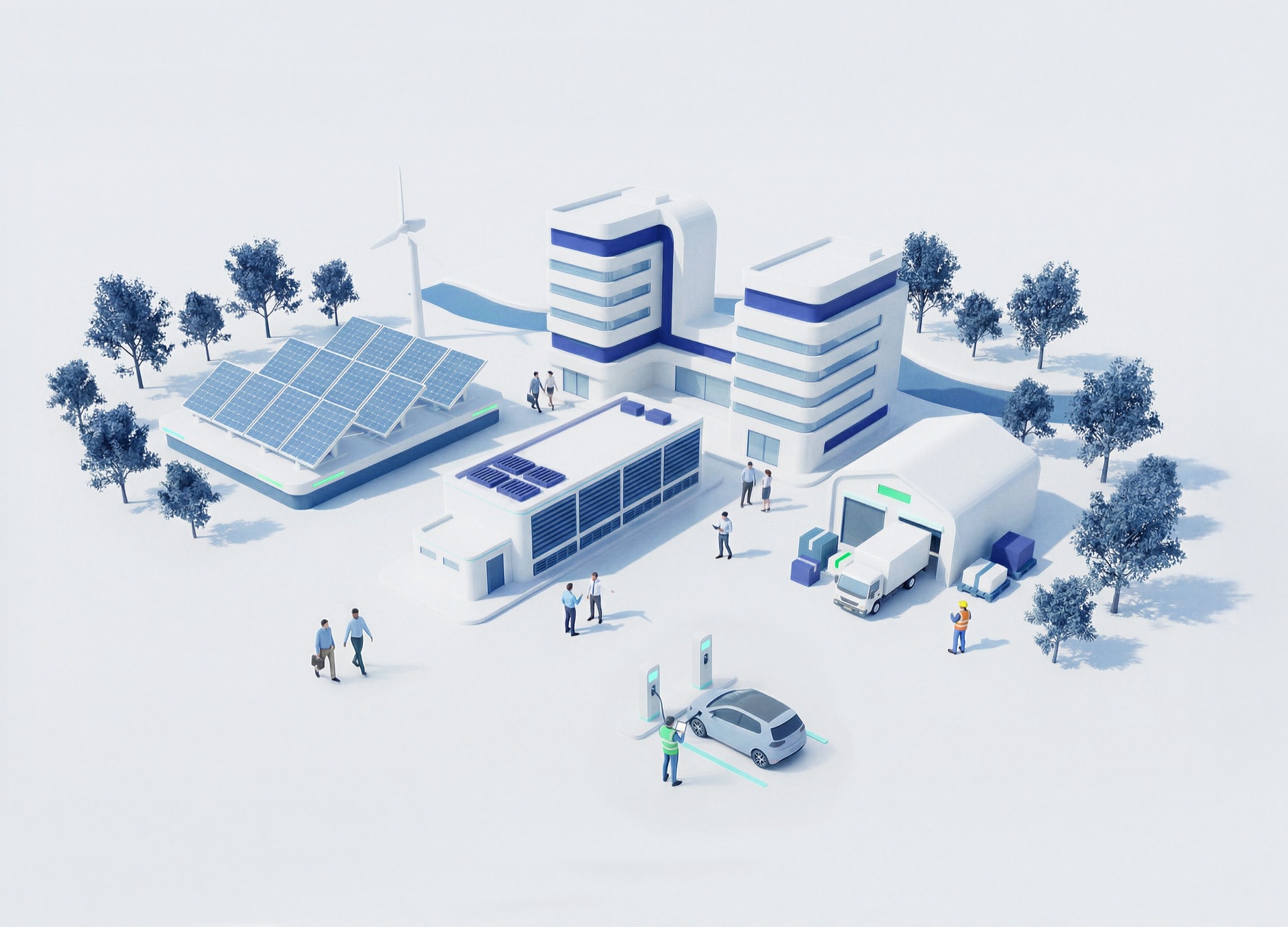
Sustainability
Driving responsible innovation to help organizations achieve net-zero goals and create a positive impact for future generations.
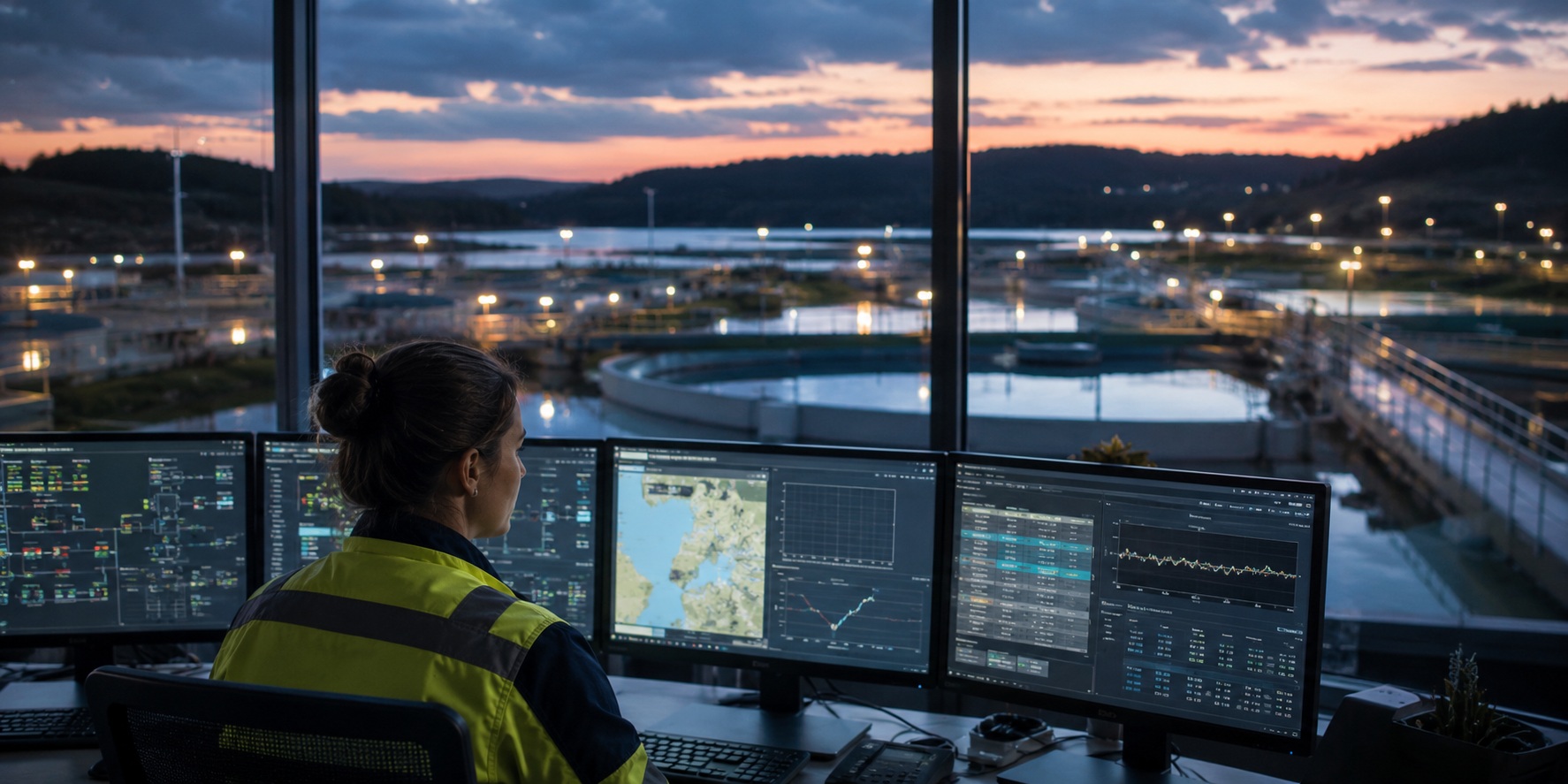


Talks that move
Digitalized Automotive Factories
Elevating OT data into real-time intelligence for flexible, efficient plants
Schedule a meeting
Listen podcast
-15
+15
0:00
/0:00
OT data remains siloed and underutilized.
WHY DIGITALIZED AUTOMOTIVE FACTORIES?
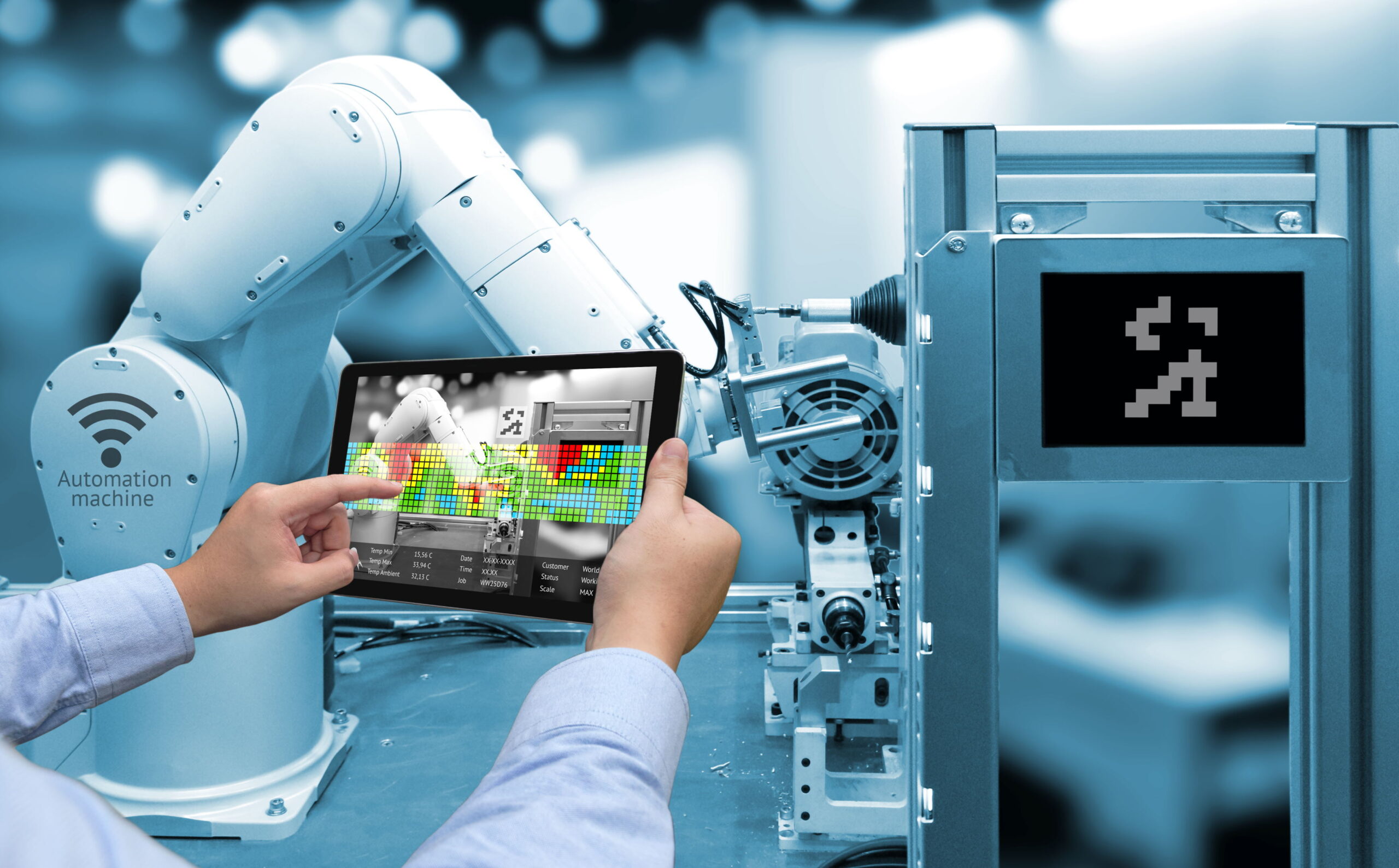
Digitalized factories integrate OT, MES, and analytics to create real-time visibility and predictive control—improving efficiency, quality, and sustainability
This delivers factories that think—OT data, turned into intelligence.
How NTT DATA helps
01
Smart factory assessments

02
OT/IT integration and UNS
03
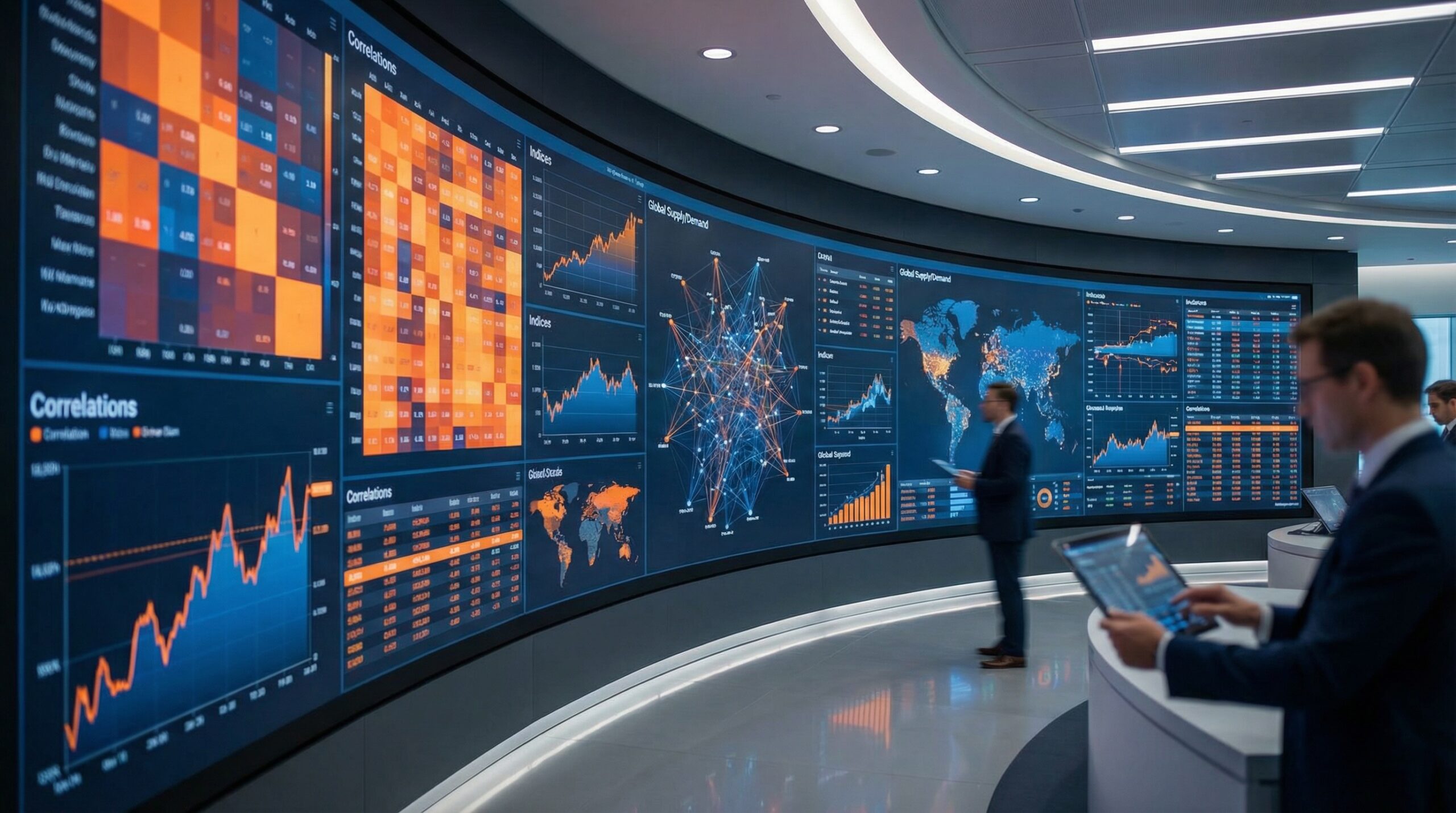
Digital twins and analytics

04
Change enablement

Key benefits

Improved OEE
Predictive maintenance
Legacy integration
Skills evolution
Proven impact
Factory performance improved
Results that matter
Automotive organizations achieve measurable improvements:
OEE
Increased
Downtime
Reduced failures
Energy use
Optimized
Elevate OT data into real-time factory intelligence. Transform plant performance →
Talk about building resilient operations