- All Foundries

- Commodity Management & Trading

- Customer & Marketing Strategy

- Digital Engineering

- Station Studio

- Supply Chain & Industry 5.0
- Sustainability

- Physical AI

- Next-Gen Infrastructure












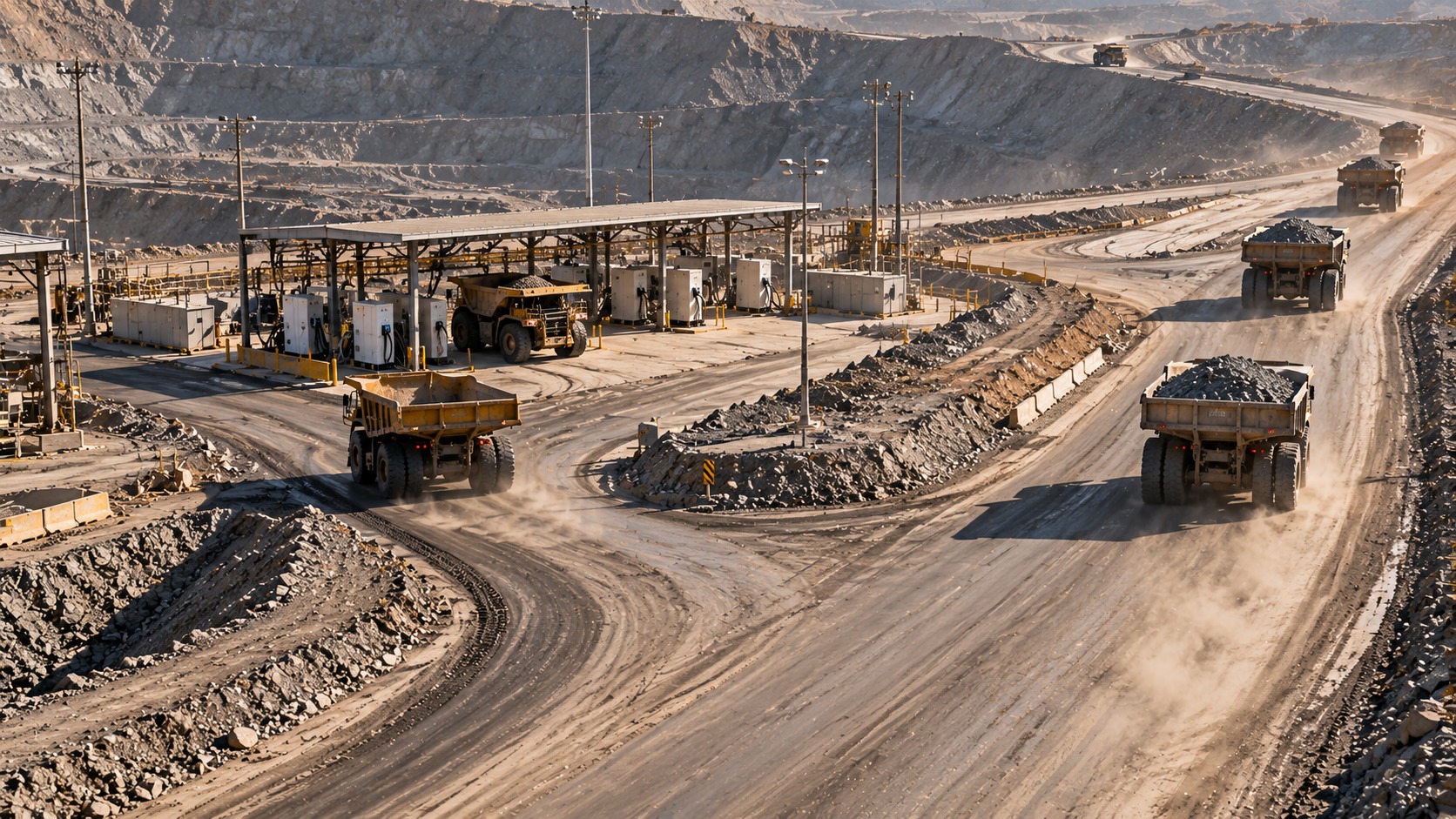
Electric haulage changes mine dispatch and energy planning
The question becomes which truck can move this tonne, complete the energy-intensive part of the cycle and still reach the next viable energy opportunity without creating a queue.
The value is not simply lower emissions. It is maintaining tonnes moved inside a new physical constraint.

Making energy state part of haulage decisions lets the mine protect material movement instead of managing charging separately.
Dispatch can choose shorter cycles, reserve battery for a loaded climb or redirect trucks toward charging at the right moment.
Equipment can be sequenced to avoid charger congestion, or use dynamic energy transfer where the infrastructure permits it.
Truck assignments, charging windows and routes are evaluated against production targets rather than optimizing charging alone.
How NTT DATA helps
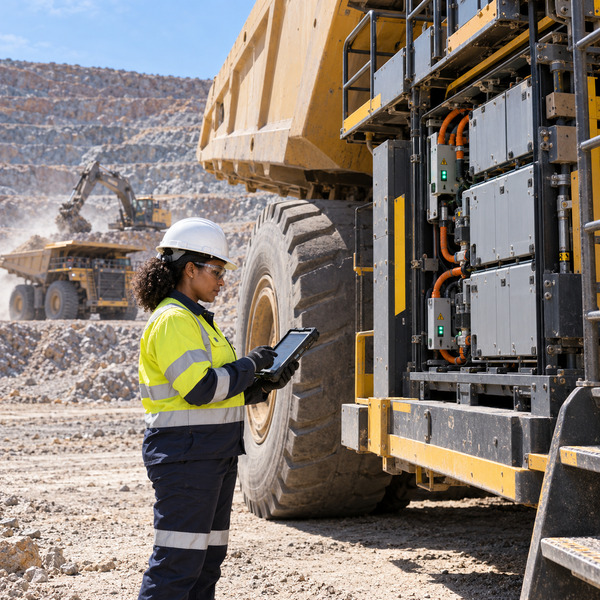
Represent battery state, expected consumption, charging status and remaining range alongside payload, location, queue and availability.
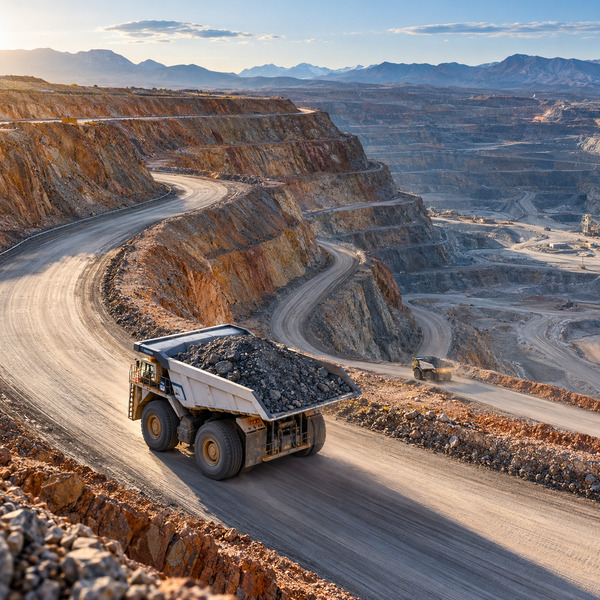
Use route, grade, payload, congestion and operating conditions to estimate whether an assignment preserves enough energy for the sequence.
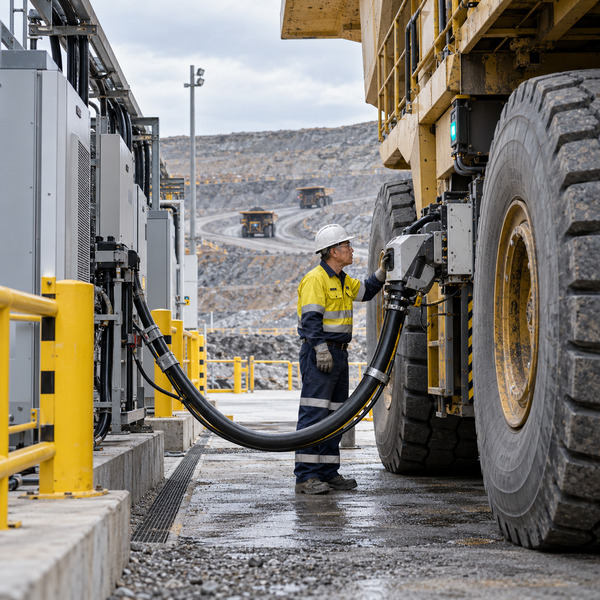
Represent charger availability, charging power, queues, dynamic charging sections and electrical limits as constraints Dispatch can consume.
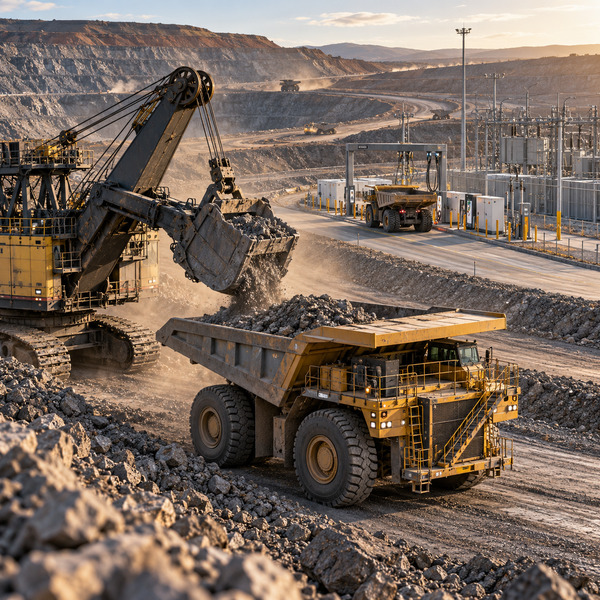
Optimization and simulation can evaluate truck assignments, charging windows and route alternatives against production targets rather than optimizing charging independently.
Connect Dispatch, mine operations and energy management when trucks compete for charging capacity or electrical headroom changes.
Use operational histories to improve estimates of battery consumption, charging duration, route suitability and reliable dispatch patterns.
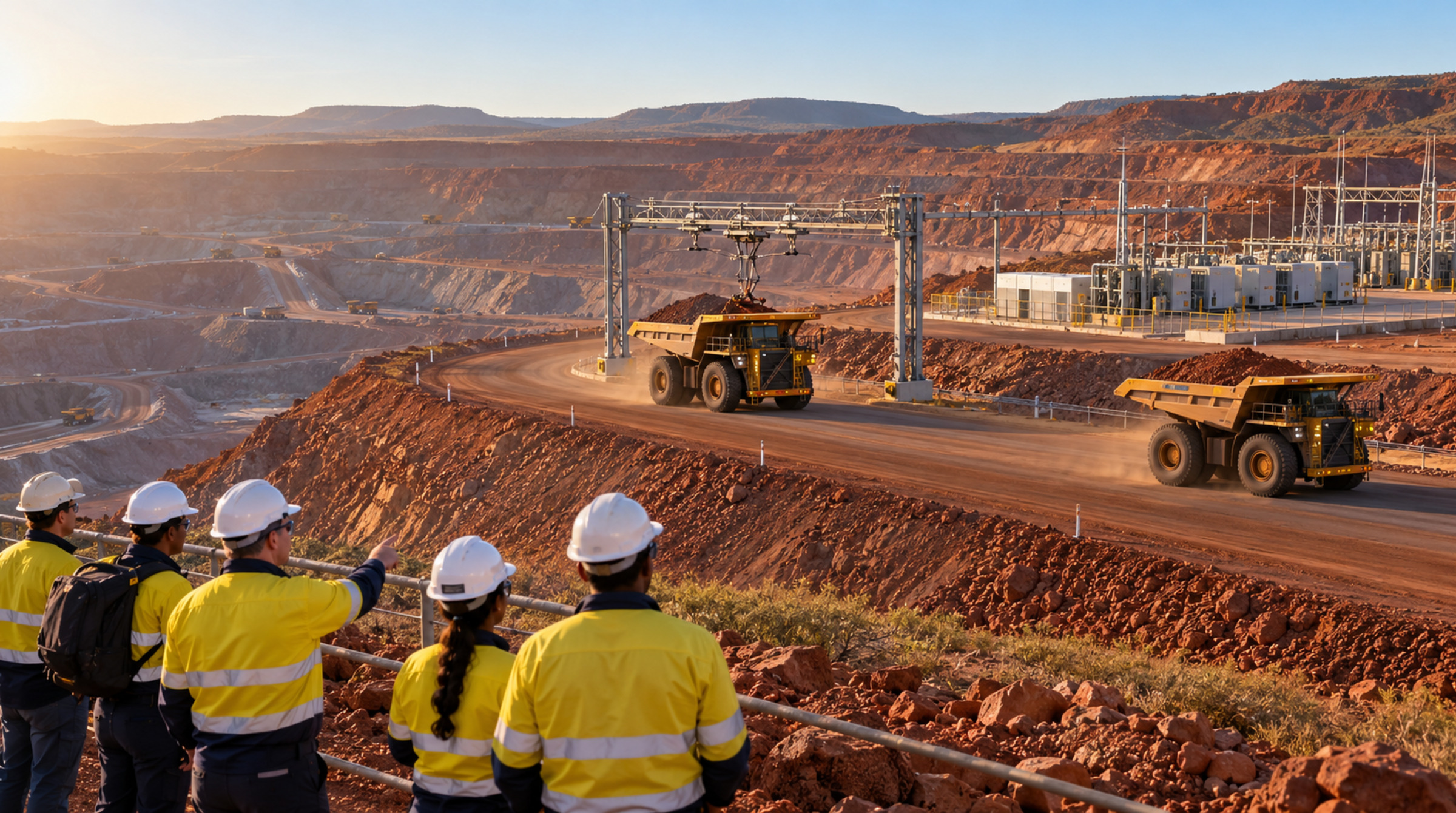
Codelco announced a dynamic energy transfer pilot at Radomiro Tomic. These programs do not establish a universal productivity result, but haulage must be designed together with charging infrastructure.
That is not an ESG overlay on Dispatch. It is a new dispatch problem.
In an electric mine, availability acquires another dimension: battery state and the next viable energy opportunity, not only mechanics.
Route gradient, payload, charging location, charger capacity and battery state influence which truck should take the next load.
Assignments are chosen so that one truck’s charging need does not create a future queue or production constraint for the fleet.
Operational history shows the conditions under which specific dispatch patterns remain reliable as the fleet electrifies.
Explore how connecting fleet dispatch, charging infrastructure and power can keep tonnes moving as haulage electrifies.