- All Foundries

- Commodity Management & Trading

- Customer & Marketing Strategy

- Digital Engineering

- Station Studio

- Supply Chain & Industry 5.0
- Sustainability

- Physical AI

- Next-Gen Infrastructure

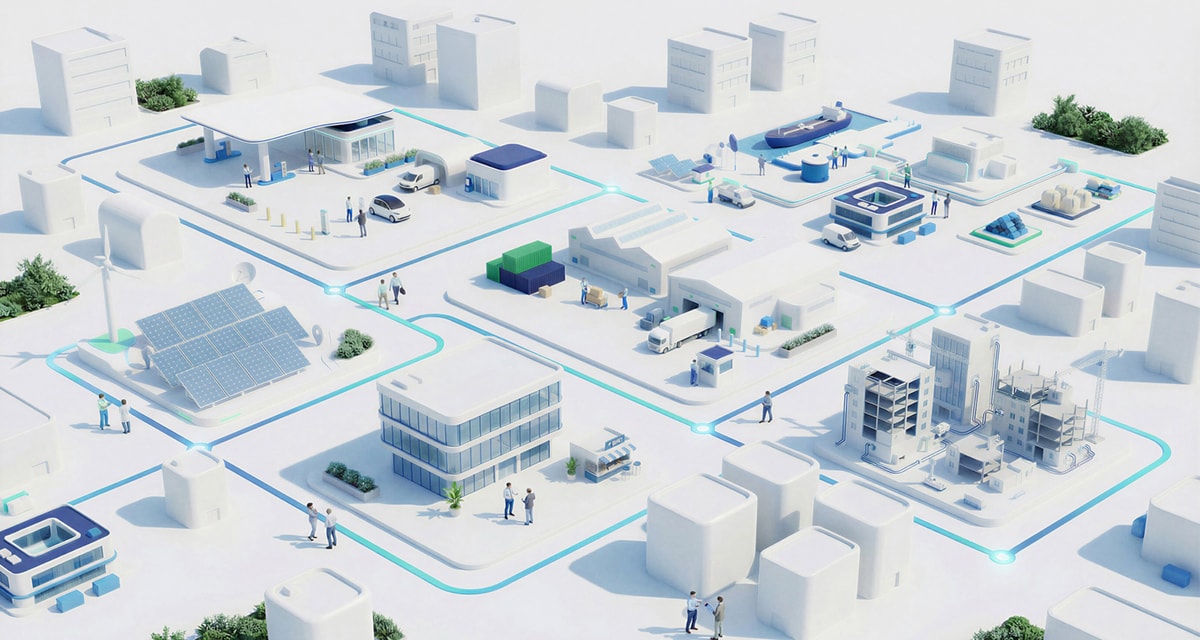








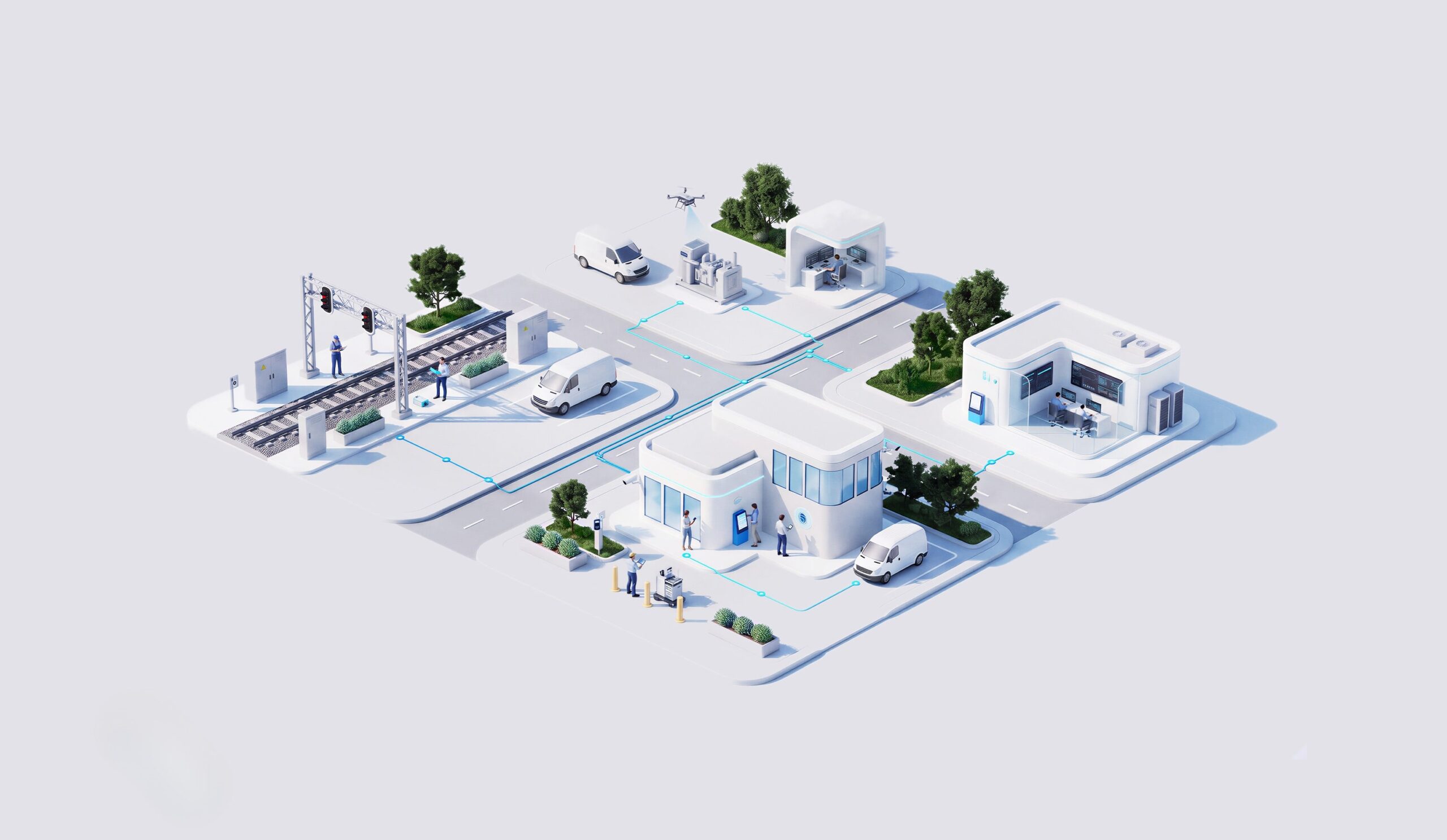


Industrial Data Marketplaces
Customers, partners, distributed energy resources and digital services now shape utility operations. Yet fragmented integrations slow every interaction. The challenge is to exchange authorised data at scale without weakening reliability, safety or control.
A marketplace approach creates a reusable path for data to serve operational and commercial decisions across generation, networks and supply.

Reusable APIs and data products reduce the effort needed to connect new customer, partner and flexibility services.
Shared exchange patterns replace repeated point-to-point work across utility and external participants.
Better-connected data gives customers and partners clearer, more consistent experiences across channels and processes.
Governed access supports new service and monetisation opportunities while distributed-energy participation scales.
How NTT DATA helps
Connect operational, asset and enterprise sources through cloud platforms, APIs and reusable data products, while respecting existing IT and OT environments.

Define identity, access, permissions, cyber controls and validation so each participant can use authorised data within clear operating boundaries.
Use event streaming to move timely signals into the systems and processes teams already rely on, avoiding another isolated technology layer.

Contextualise data around assets and processes, then introduce analytics or automation where it adds value, retaining human accountability when risk demands it.

Begin with controlled customer, DER, flexibility or digital-service scenarios, track operational KPIs and reuse proven capabilities across assets and business units.


A governed exchange layer creates a more continuous connection between physical and market conditions, operational decisions and customer-facing services, helping teams act earlier with better context.
The value is not more data. It is a repeatable way to turn authorised information into better-connected operations and services.
Reduce handoffs and repeated integration work so information reaches the point of action sooner.
Connect data and workflows so teams spend less time reconciling fragmented inputs across participants.
Bring physical, market and customer signals together to support earlier, better-informed decisions.
Reuse governed capabilities across customers, partners, assets and sites without locking critical operations into one path.
Bring the right data, controls and workflows together to shape more connected utility services and operations.