




End-to-End Visibility
Gain real-time visibility across transportation operations, enabling proactive exception management and better operational control throughout the logistics network.












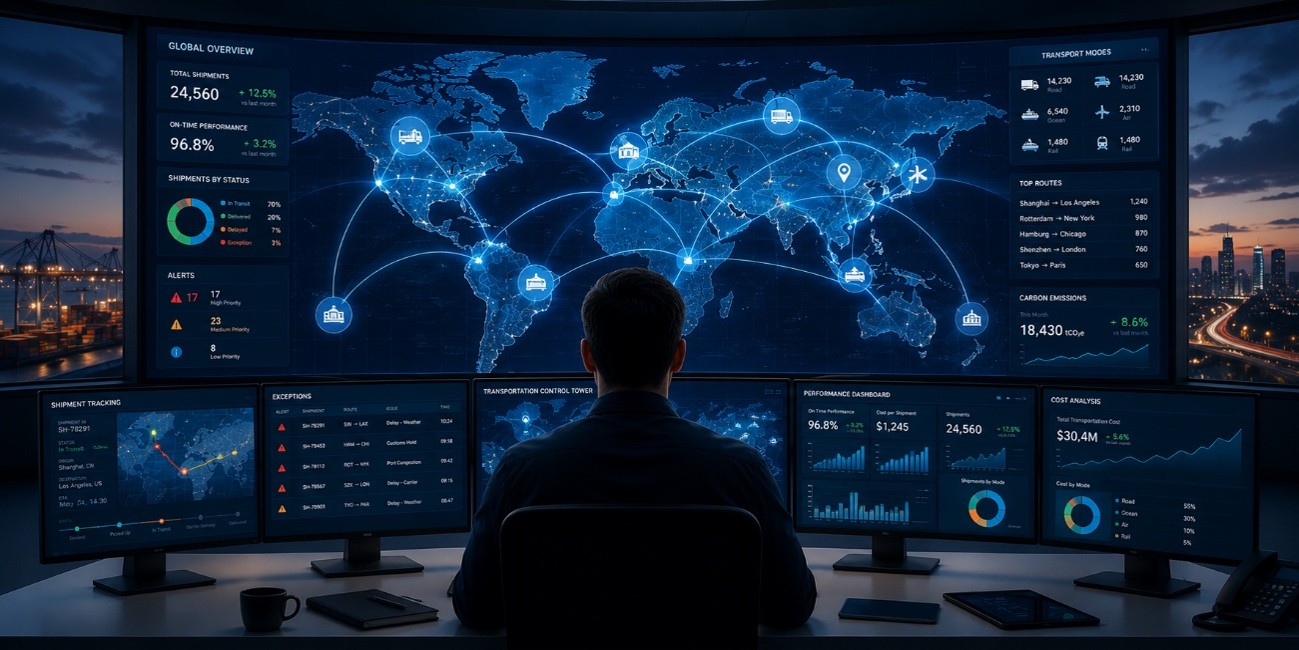
Transportation is no longer just about moving goods it is about orchestrating complex logistics networks while balancing service, cost, efficiency and sustainability.
As supply chains become more interconnected, organizations need greater visibility, coordination and control to make smarter transportation decisions.


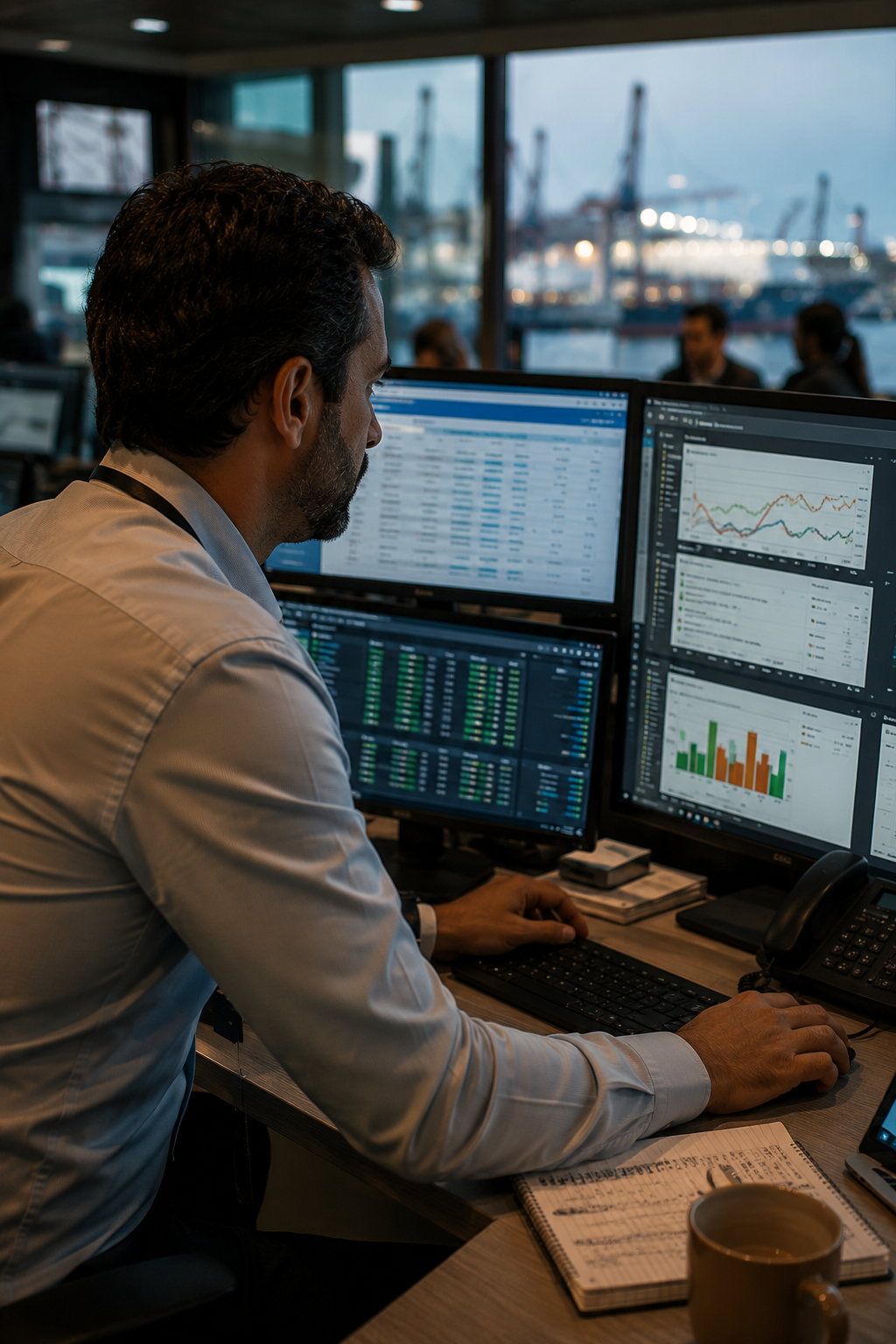
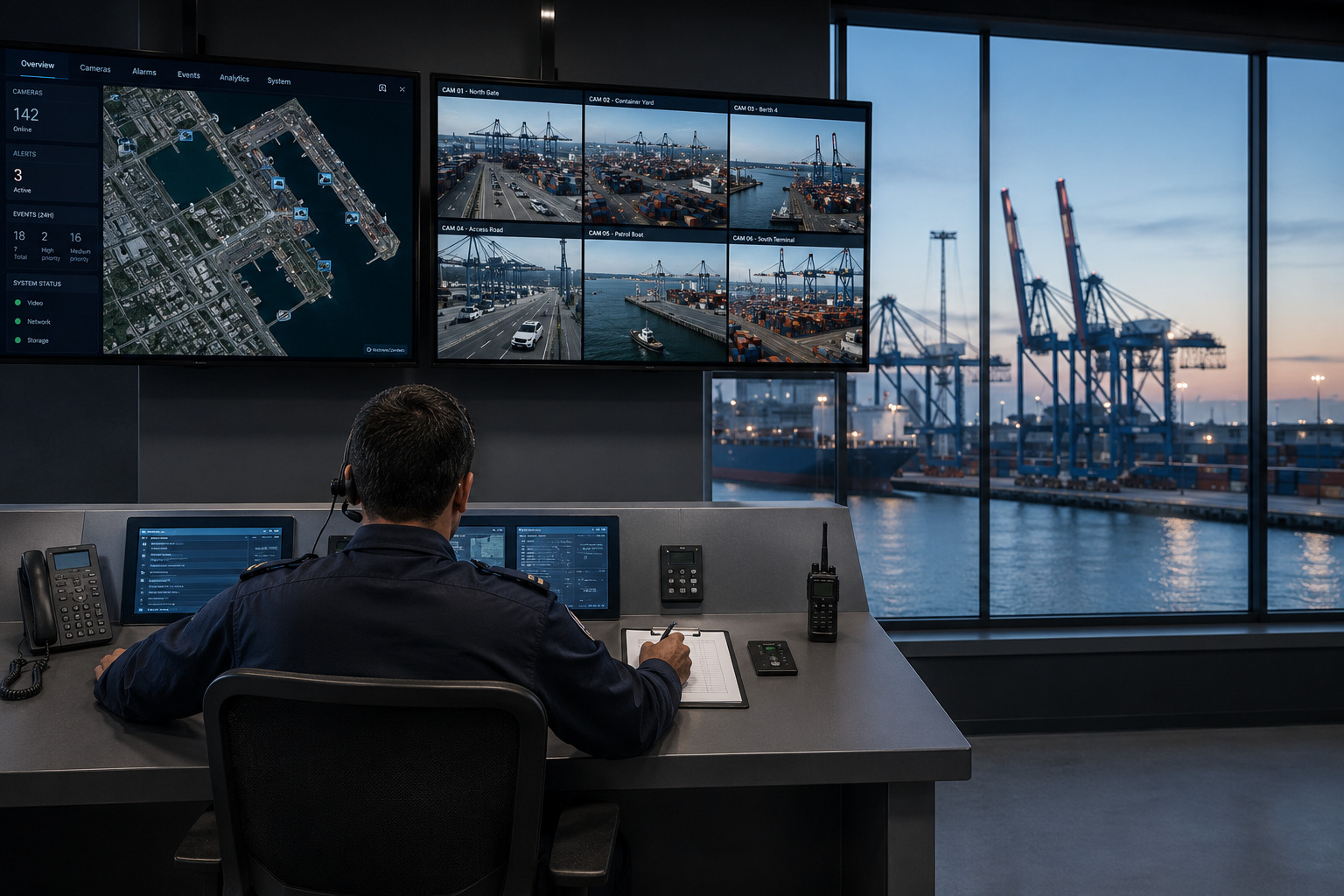
Transportation Management Systems enable organizations to transform fragmented transportation operations into connected, visible and coordinated logistics networks.
By bringing together planning, execution, collaboration and operational visibility, organizations can improve performance, strengthen resilience and create the foundation for smarter transportation decisions.

Gain real-time visibility across transportation operations, enabling proactive exception management and better operational control throughout the logistics network.
Optimize routes, loads and transportation resources to reduce costs, improve asset utilization and increase overall operational efficiency.

Strengthen communication and collaboration with carriers to improve coordination, increase execution reliability and build stronger logistics partnerships.

Improve on-time delivery performance and customer satisfaction by creating more reliable, responsive and efficient transportation operations.

Reduce environmental impact through more efficient transportation planning while supporting ESG objectives and ensuring regulatory compliance.

Leverage real-time insights, advanced analytics and intelligent recommendations to evaluate alternatives, improve decision-making and optimize transportation performance.
TRANSPORTATION MANAGEMENT EVOLUTION
The first generation of Transportation Management focused on digitizing transportation operations by enabling organizations to plan routes, execute shipments and monitor transportation activities more efficiently. The objective was to replace manual processes with standardized and controlled transportation execution.
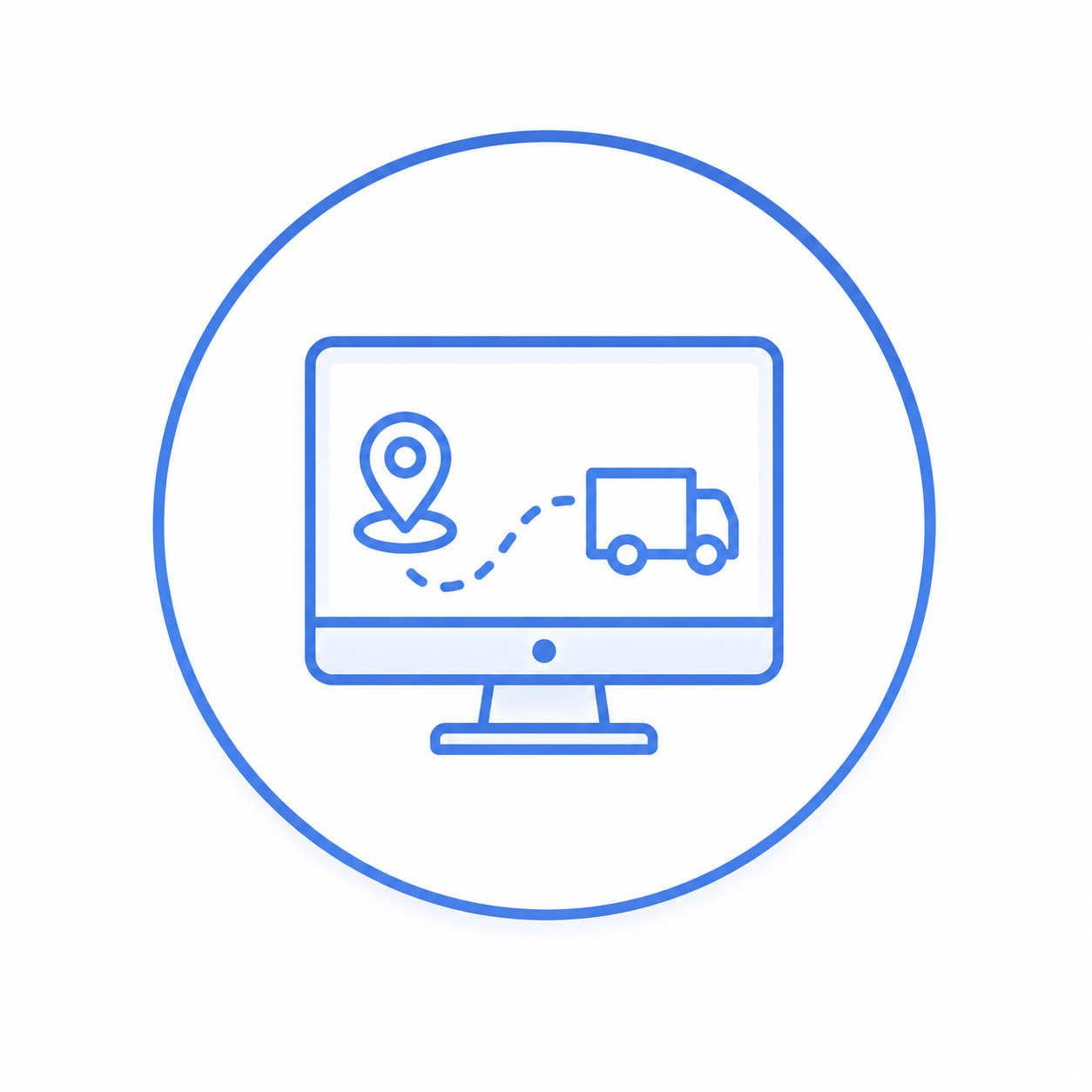
As supply chains became more interconnected, Transportation Management evolved to integrate enterprise systems, logistics partners and transportation data into a single ecosystem. This enabled real-time visibility, improved collaboration and greater coordination across carriers, warehouses, suppliers and customers.
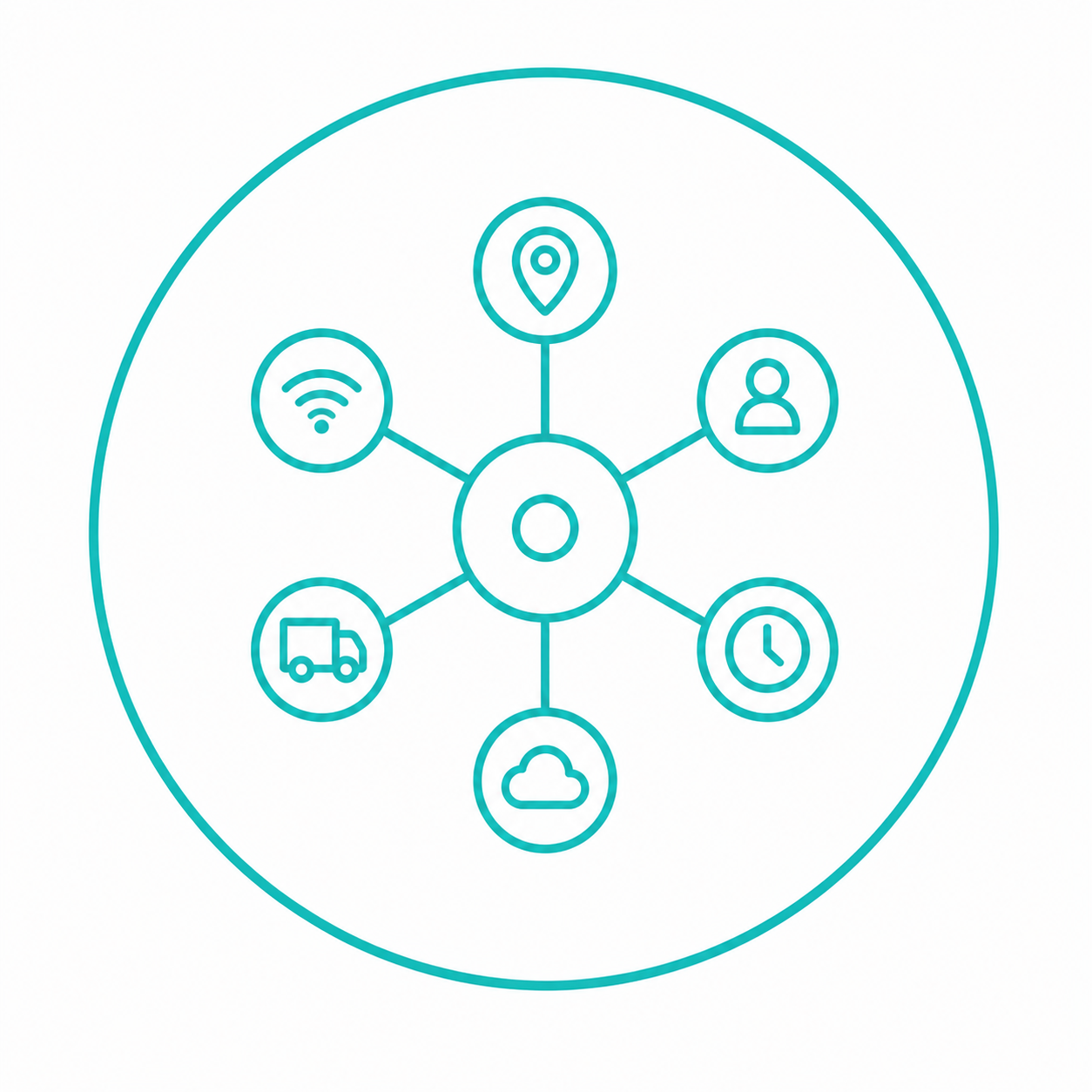
Modern Transportation Management platforms are increasingly leveraging operational data, advanced analytics and intelligent decision support to improve transportation performance. Organizations can anticipate disruptions, evaluate alternative scenarios and continuously optimize routes, resources and service levels while making faster, data-driven decisions.
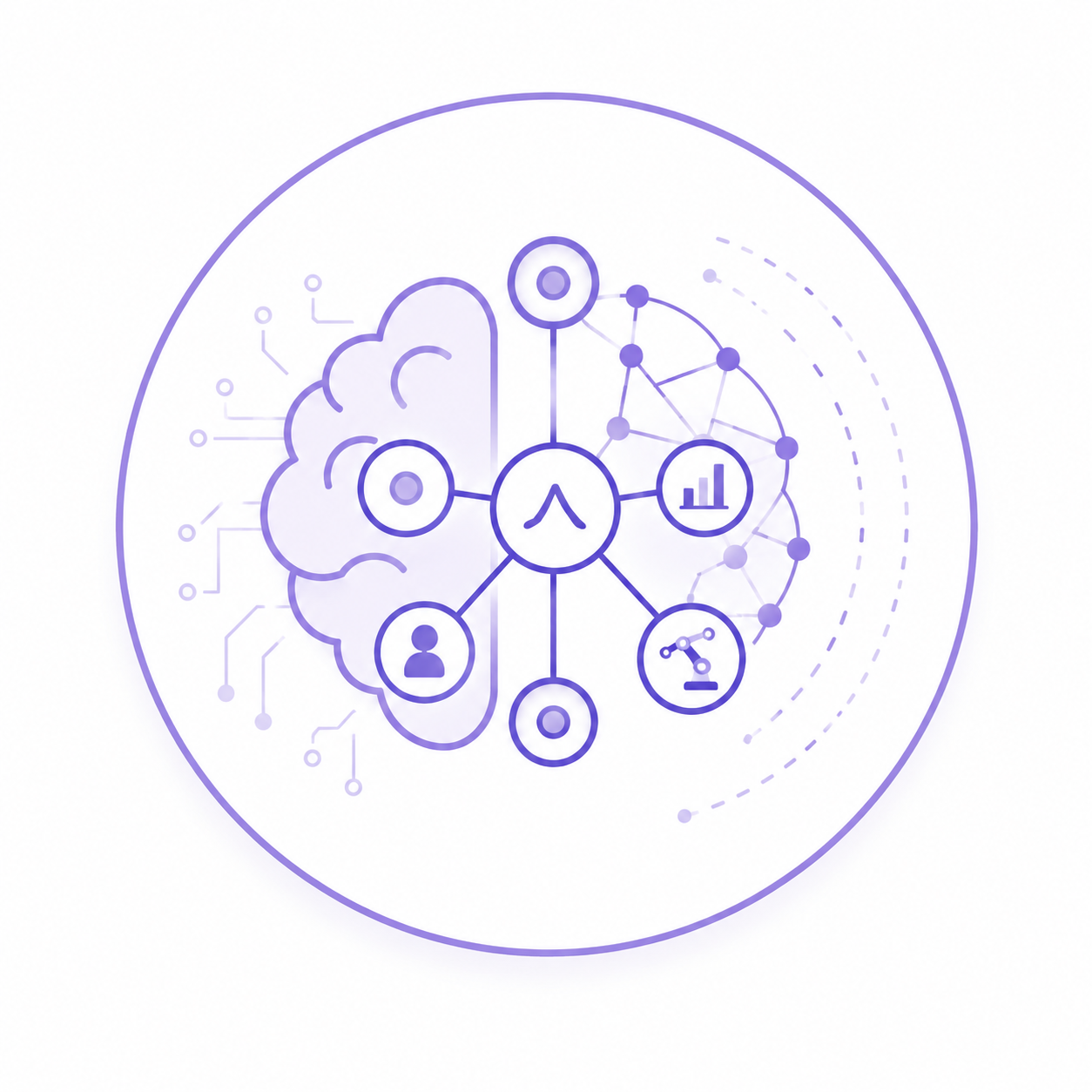
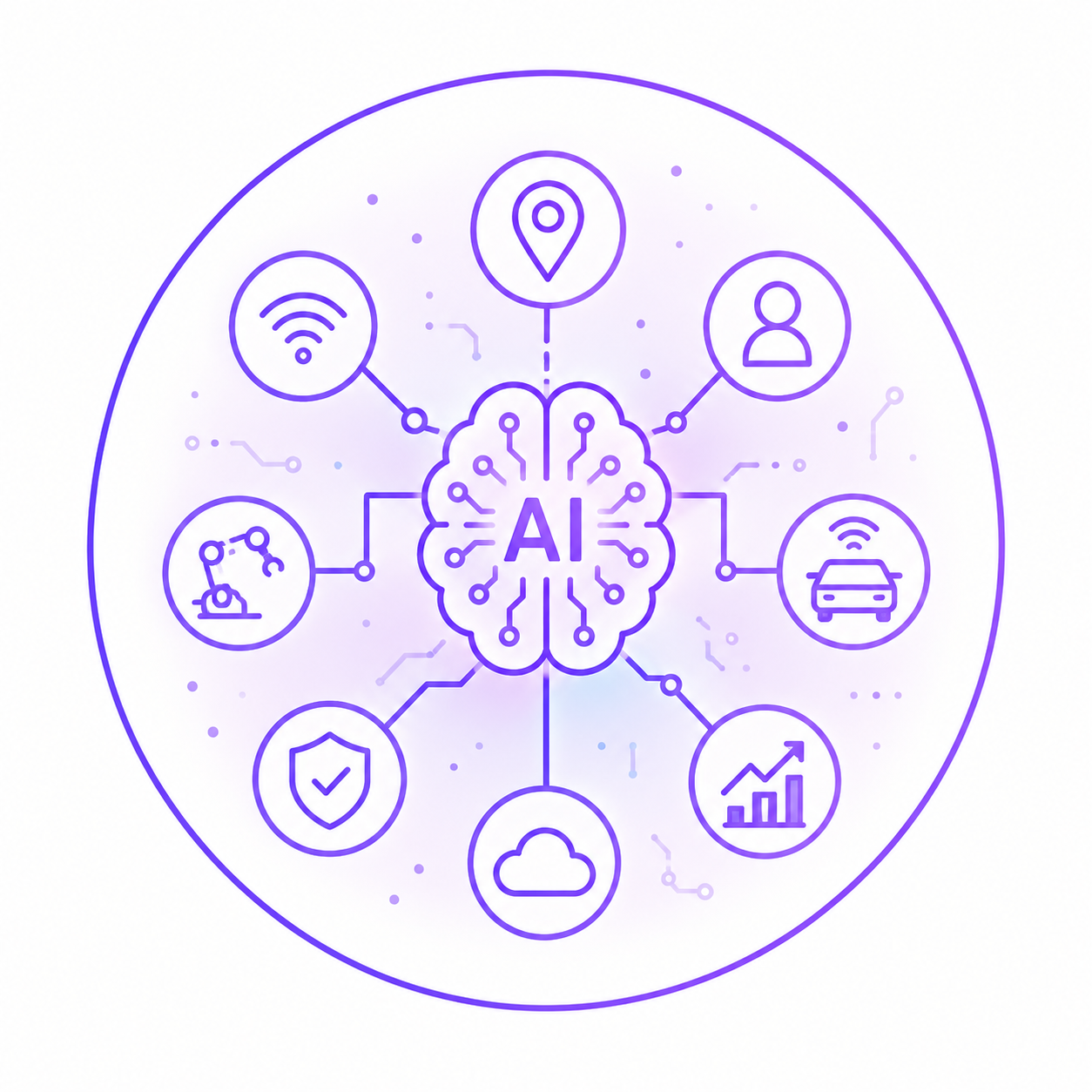
The next evolution of Transportation Management will combine intelligent automation, predictive capabilities and emerging AI technologies to create transportation networks that continuously learn, adapt and optimize their performance. Rather than replacing human expertise, these capabilities will augment transportation planners with proactive recommendations, automated workflows and greater operational agility.
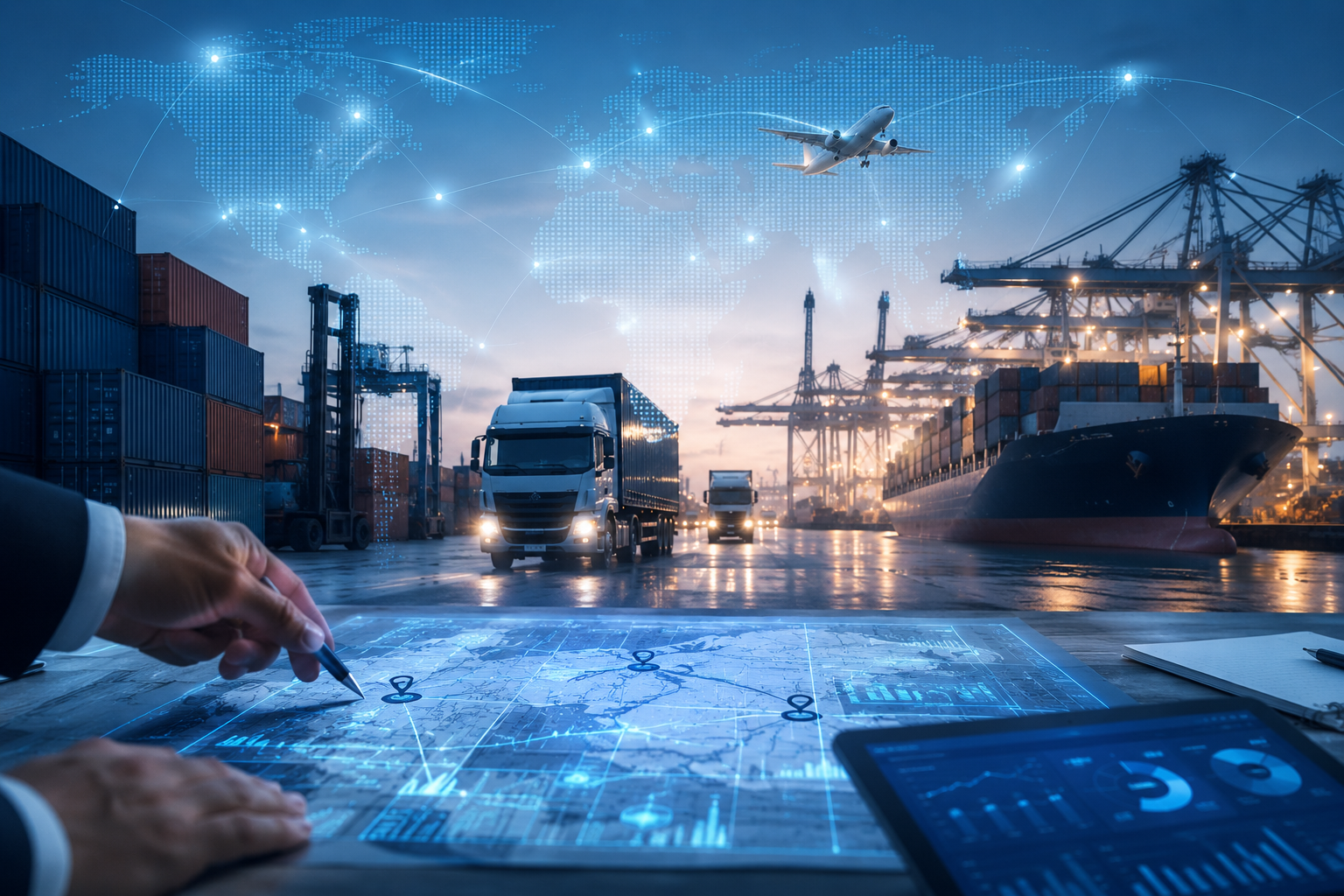
We help organizations define their transportation strategy, assess the maturity of their logistics operations and develop transformation roadmaps aligned with business objectives and future growth.
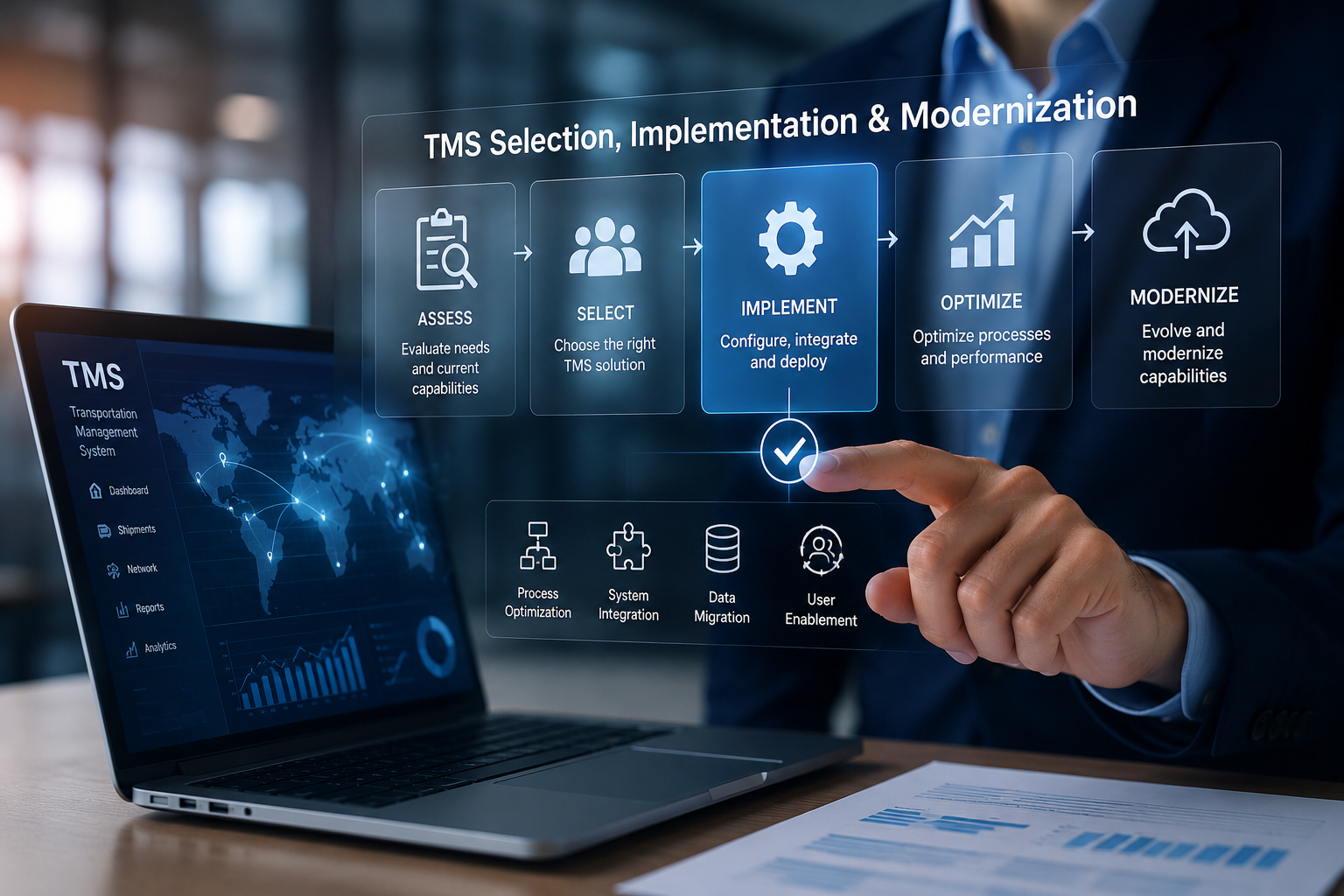
From selecting the right Transportation Management System to implementing and modernizing existing platforms, we help organizations optimize transportation processes while maximizing the value of their technology investments.
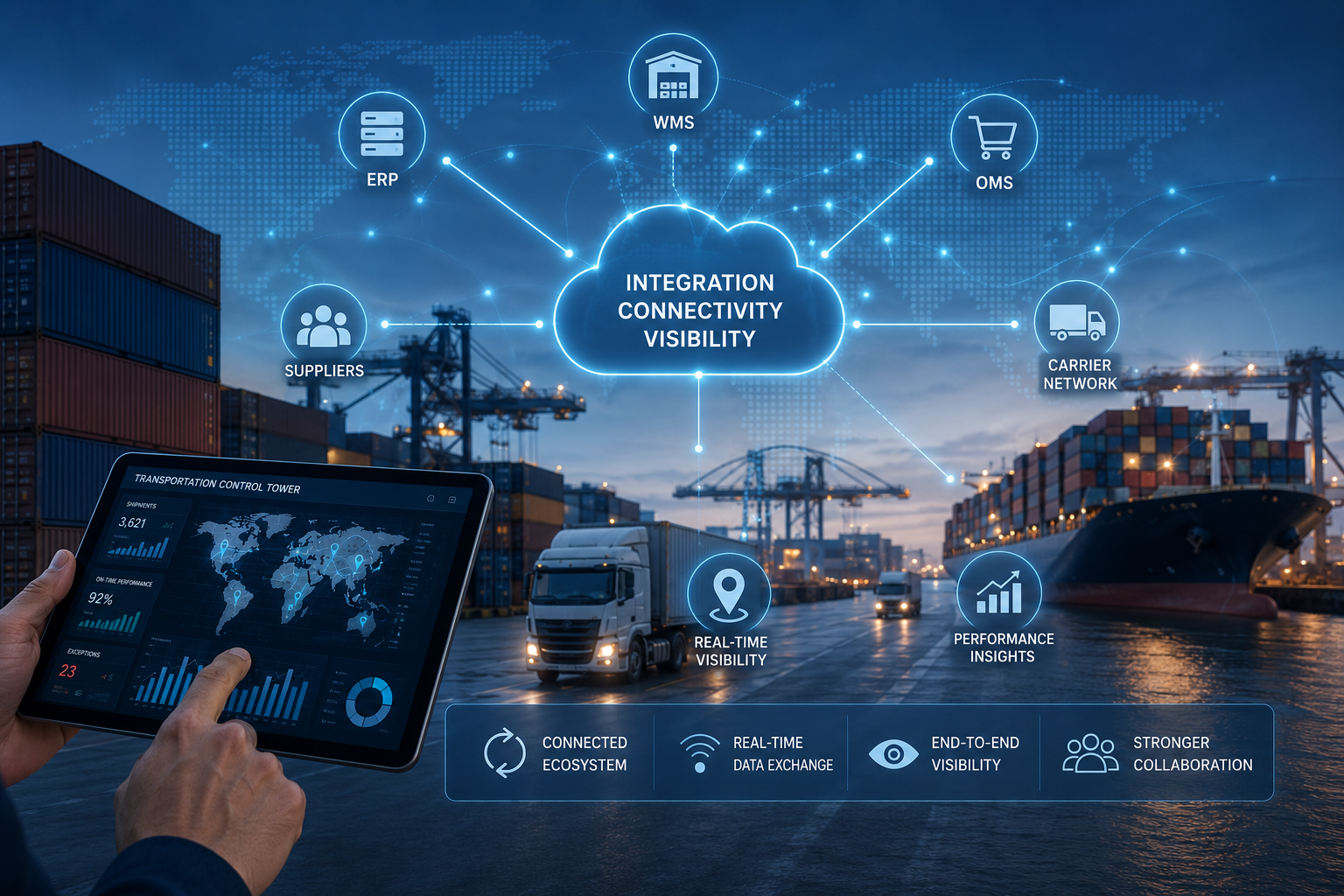
We connect transportation platforms with ERP, WMS, OMS and carrier ecosystems, enabling seamless data exchange, end-to-end visibility and stronger collaboration across the logistics network.
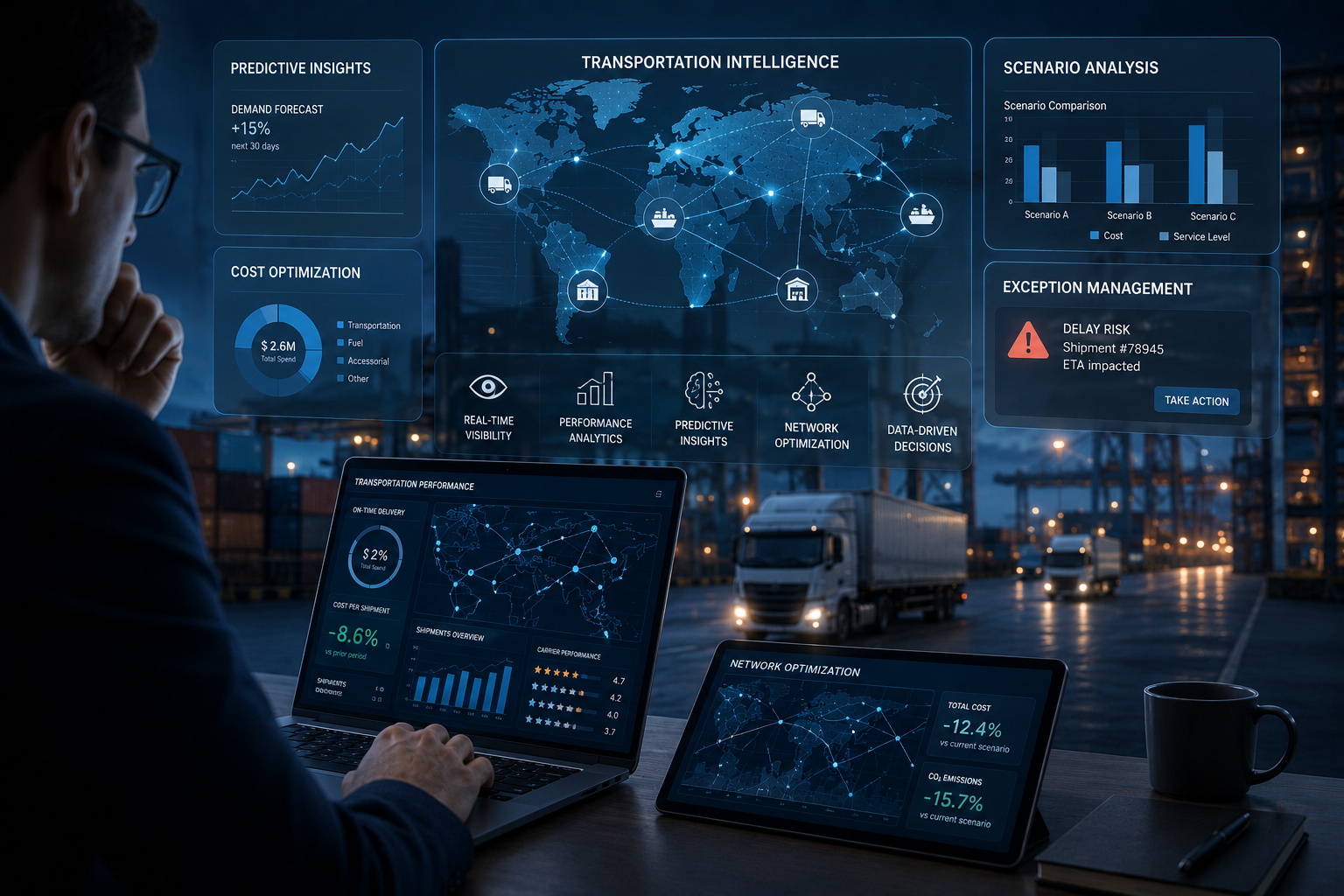
We leverage advanced analytics, operational insights and scenario modeling to optimize transportation performance, improve network efficiency and support faster, data-driven decision-making across the logistics ecosystem
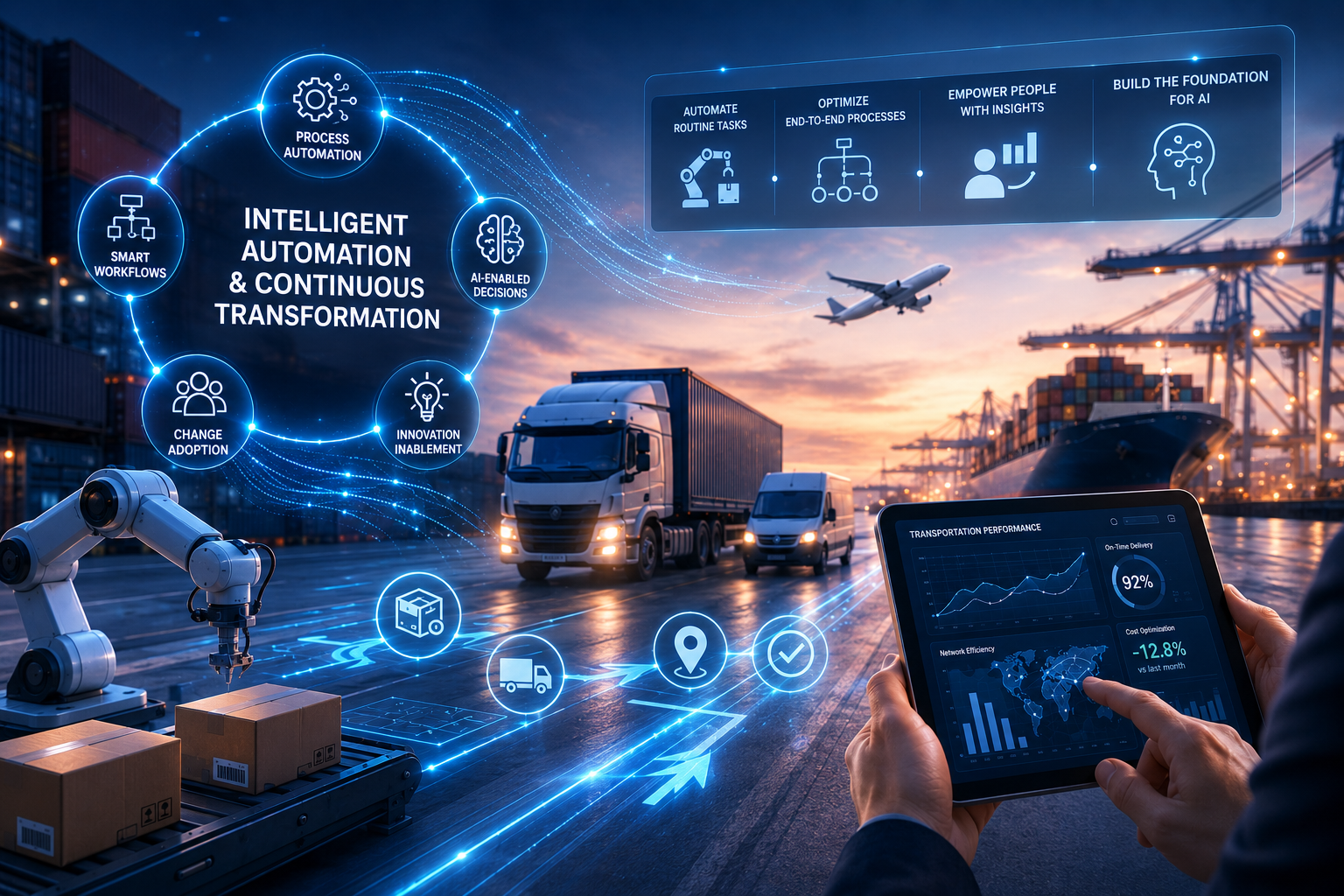
We help organizations streamline transportation operations through intelligent automation, optimized workflows and continuous innovation, preparing them to adopt emerging digital capabilities and the next generation of AI-enabled transportation solutions.
Improve inbound transportation coordination, shipment visibility and supplier collaboration across the supply chain.
Enable better carrier collaboration, improve capacity utilization and strengthen transportation performance.
Increase operational visibility, optimize transportation processes and improve execution across the logistics network.
Synchronize inbound and outbound transportation activities to improve warehouse efficiency and reduce operational bottlenecks.
Enhance delivery reliability, improve shipment visibility and provide a more responsive customer experience.
Reduce transportation emissions, optimize resource utilization and support sustainability and ESG objectives.

Transportation operations transformed from fragmented logistics processes into connected, visible and increasingly intelligent transportation networks enabling greater efficiency, collaboration, operational control and supply chain resilience.
Organizations are building the foundation for more predictive, adaptive and intelligent logistics operations by leveraging data, advanced analytics and emerging AI capabilities to support the next generation of transportation performance.
