




Warehouse Strategy & Assessment
We help organizations define their warehouse strategy, assess operational maturity and design transformation roadmaps aligned with business priorities and future growth.













Warehouses have evolved far beyond their traditional role as storage facilities. Today, they are critical operational hubs where inventory, people, automation and information must work together to meet increasingly demanding business expectations.
Driven by omnichannel commerce, supply chain volatility and rising customer expectations, organizations need warehouse operations that are agile, connected and capable of adapting in real time.
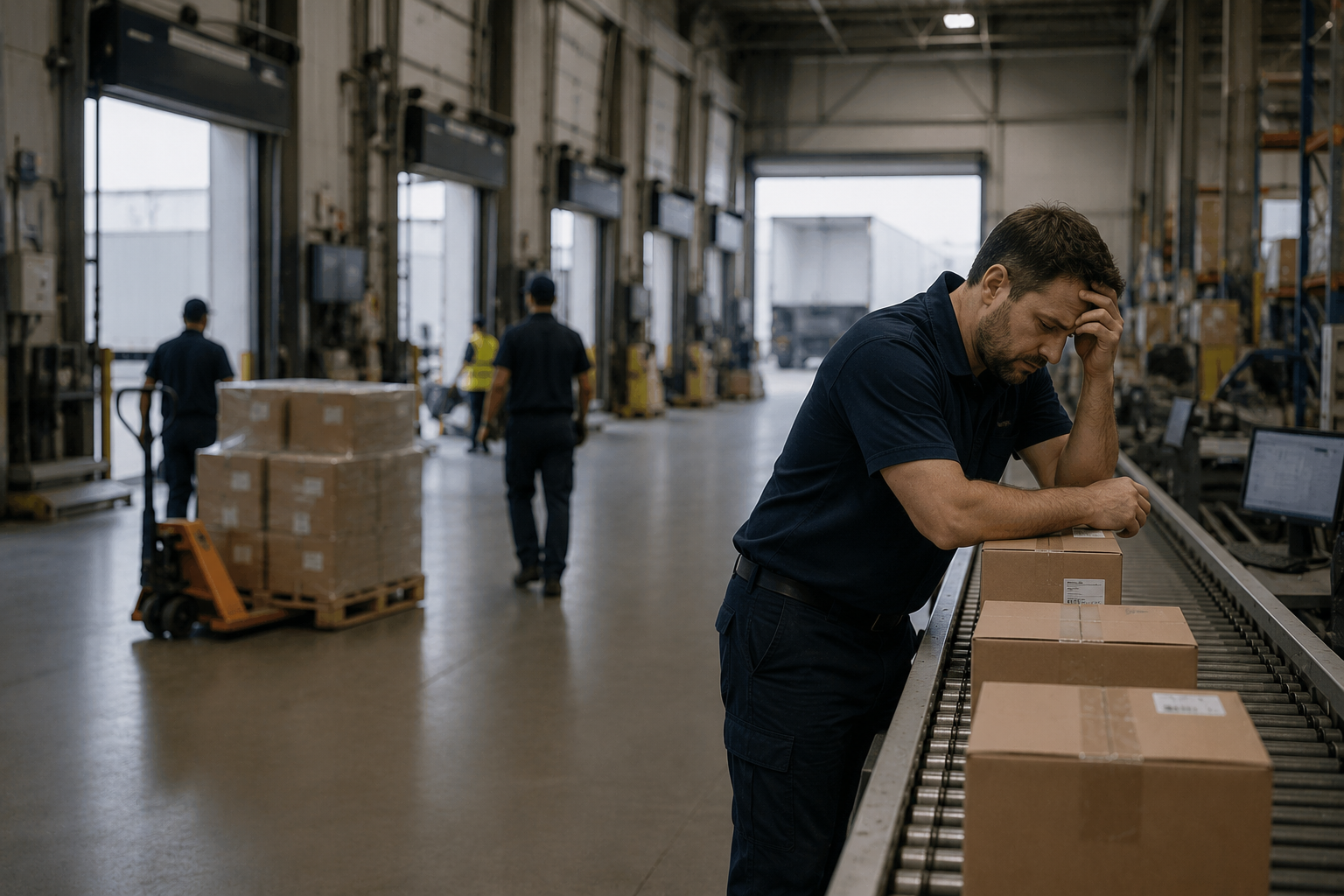

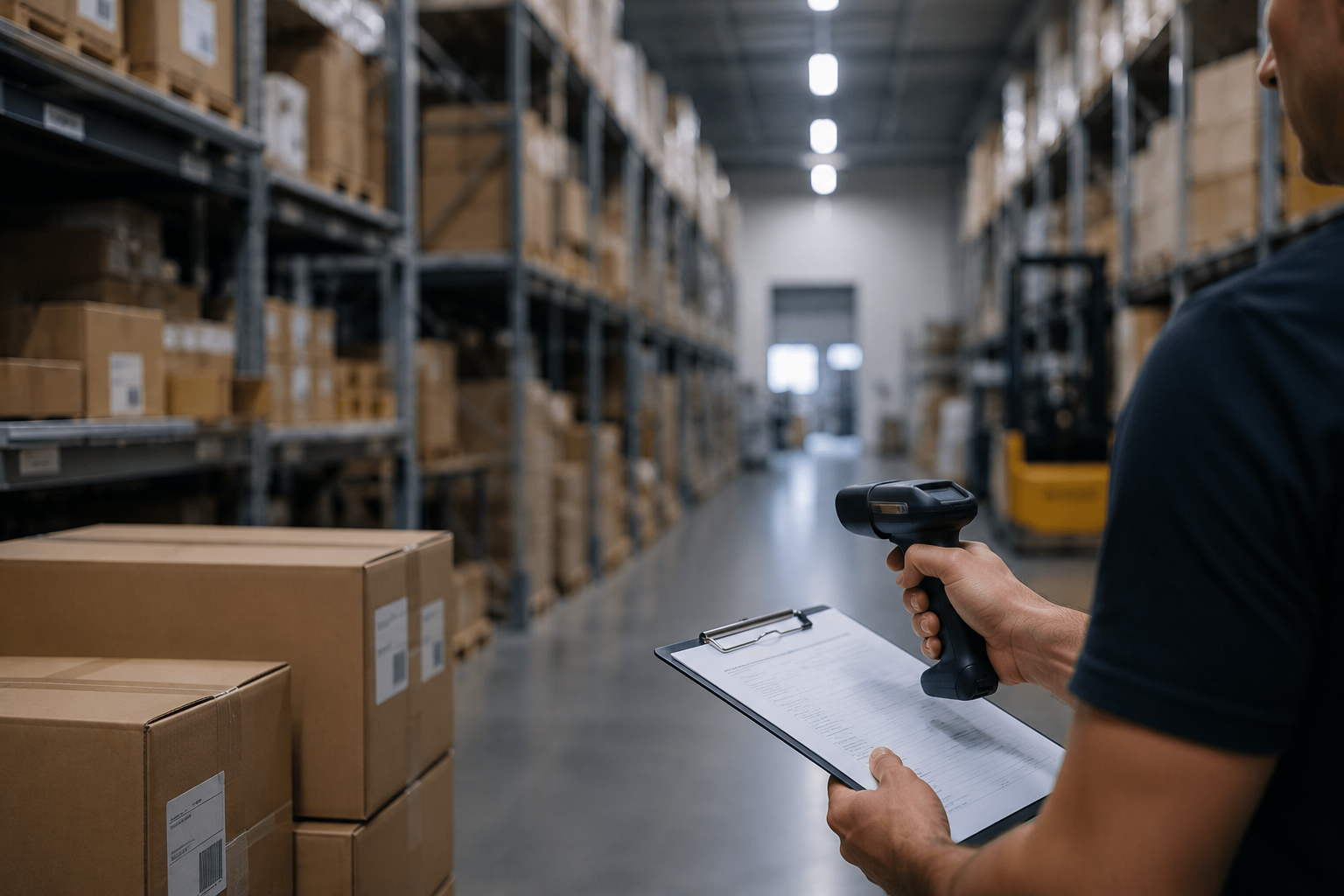
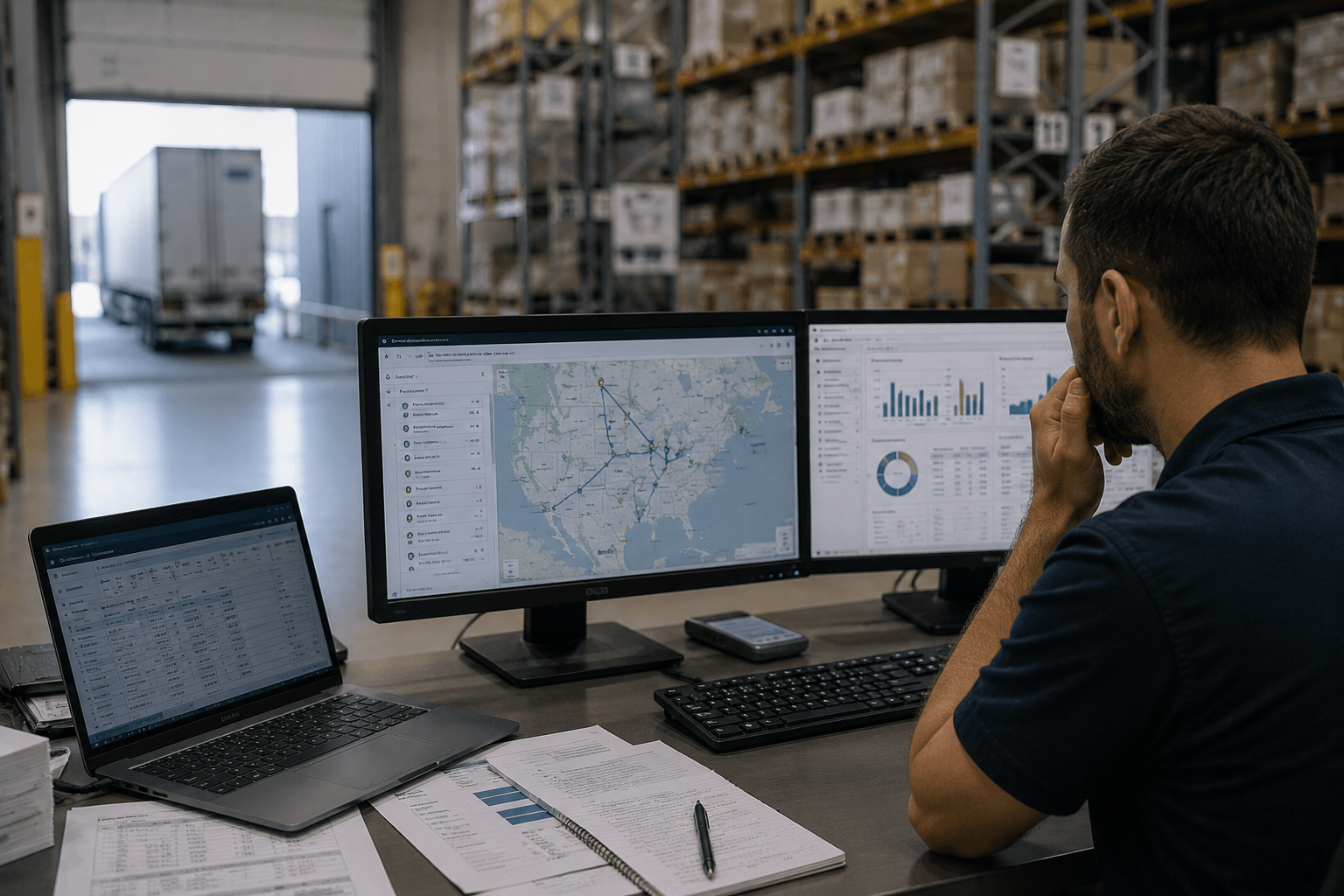
Modern warehouse operations require more than inventory control. They require intelligent coordination of inventory, resources, workflows and fulfillment activities across the entire distribution network.
By connecting warehouse processes, operational data and decision-making capabilities, organizations can improve execution, increase resilience and create more responsive supply chain operations.

Gain real-time visibility across inventory, operations and warehouse activities to improve operational control and enable proactive decision-making.
Maintain accurate inventory information across all warehouse locations, reducing errors while improving product availability and customer service.
Optimize warehouse workflows, resource allocation and task execution to increase productivity while reducing operational costs.
Improve workforce utilization through intelligent task management, balanced workloads and more efficient warehouse operations.
WAREHOUSE MANAGEMENT EVOLUTION
The first generation of warehouse management focused on replacing manual inventory processes with digital control over receiving, storage, picking and shipping activities. The objective was to improve operational consistency and inventory accuracy.
As supply chains became increasingly integrated, warehouse operations evolved into connected ecosystems where inventory, transportation, ERP platforms and automation systems shared information in real time. This enabled greater visibility, coordination and operational efficiency.
Modern warehouse operations leverage operational data, predictive analytics and artificial intelligence to improve inventory management, optimize workflows and support faster, data-driven decisions. Organizations can anticipate demand fluctuations, reduce bottlenecks and continuously improve warehouse performance.
The next evolution combines intelligent automation, robotics, AI and autonomous decision-making to create warehouses capable of continuously learning, adapting and optimizing operations. Human expertise remains essential while intelligent technologies enhance productivity, flexibility and resilience.
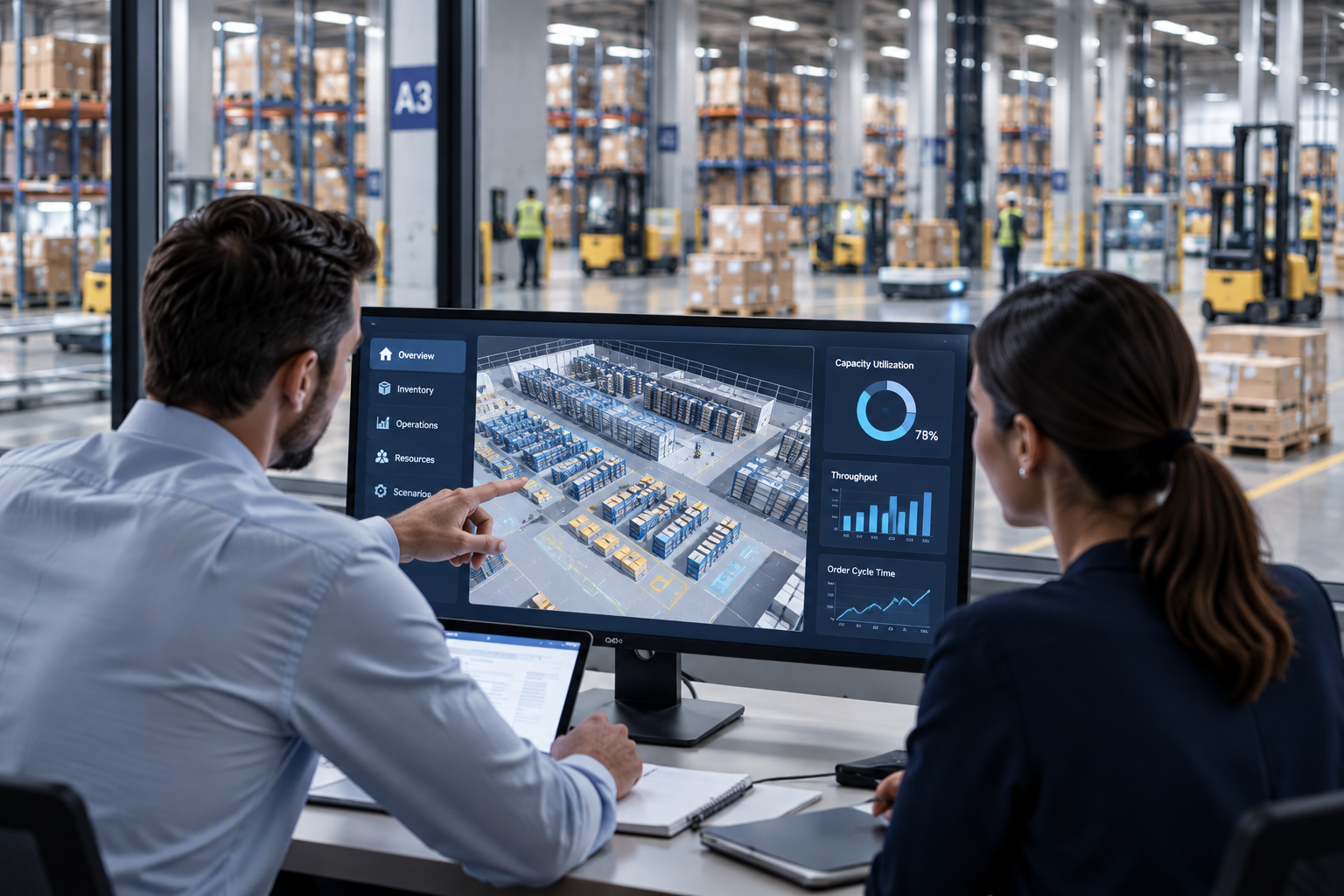
We help organizations define their warehouse strategy, assess operational maturity and design transformation roadmaps aligned with business priorities and future growth.
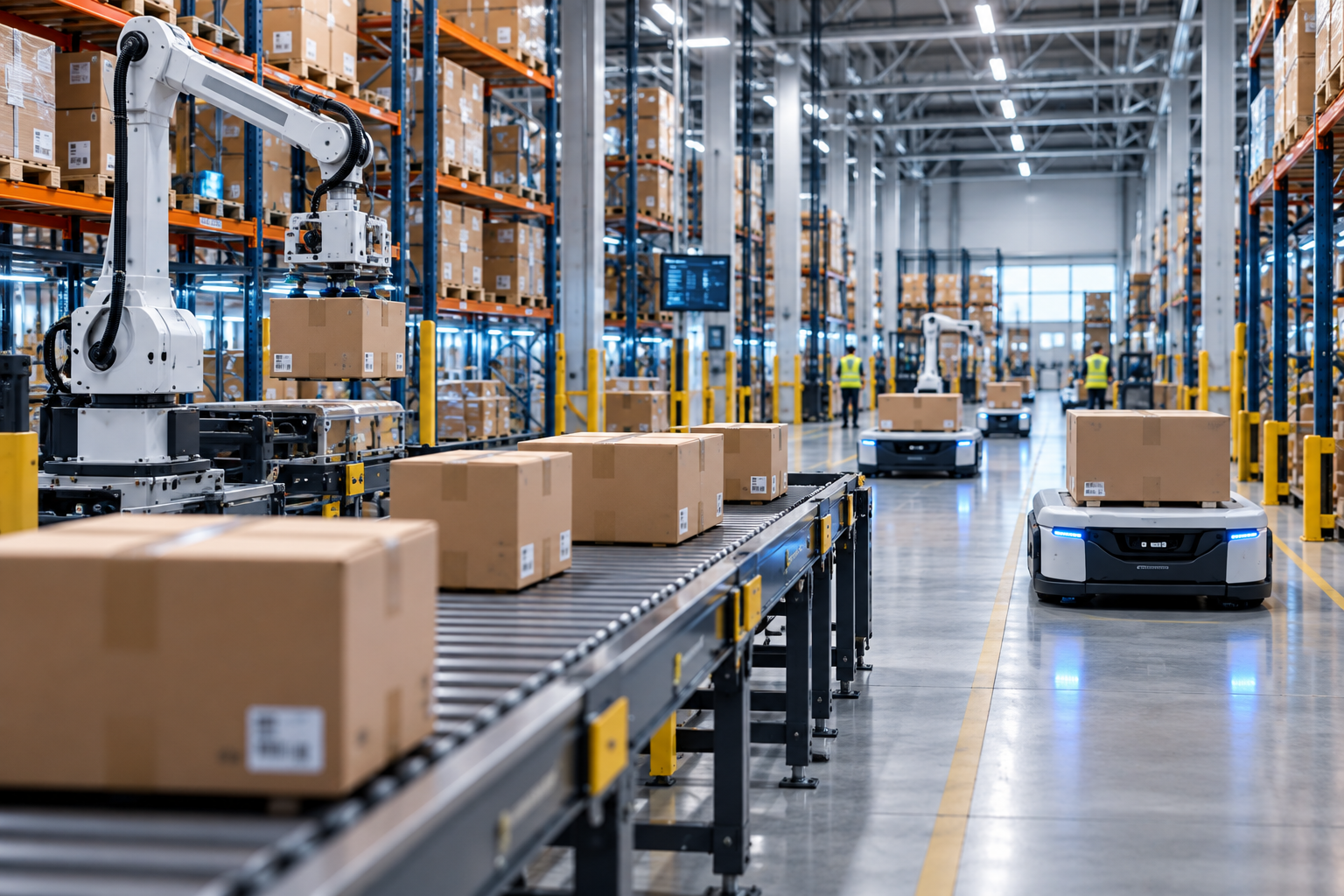
We support organizations in modernizing warehouse operations by improving processes, increasing operational visibility and enabling more agile and scalable fulfillment capabilities.

We connect warehouse operations with ERP, transportation, manufacturing and supply chain ecosystems, creating seamless information flows and end-to-end operational visibility.

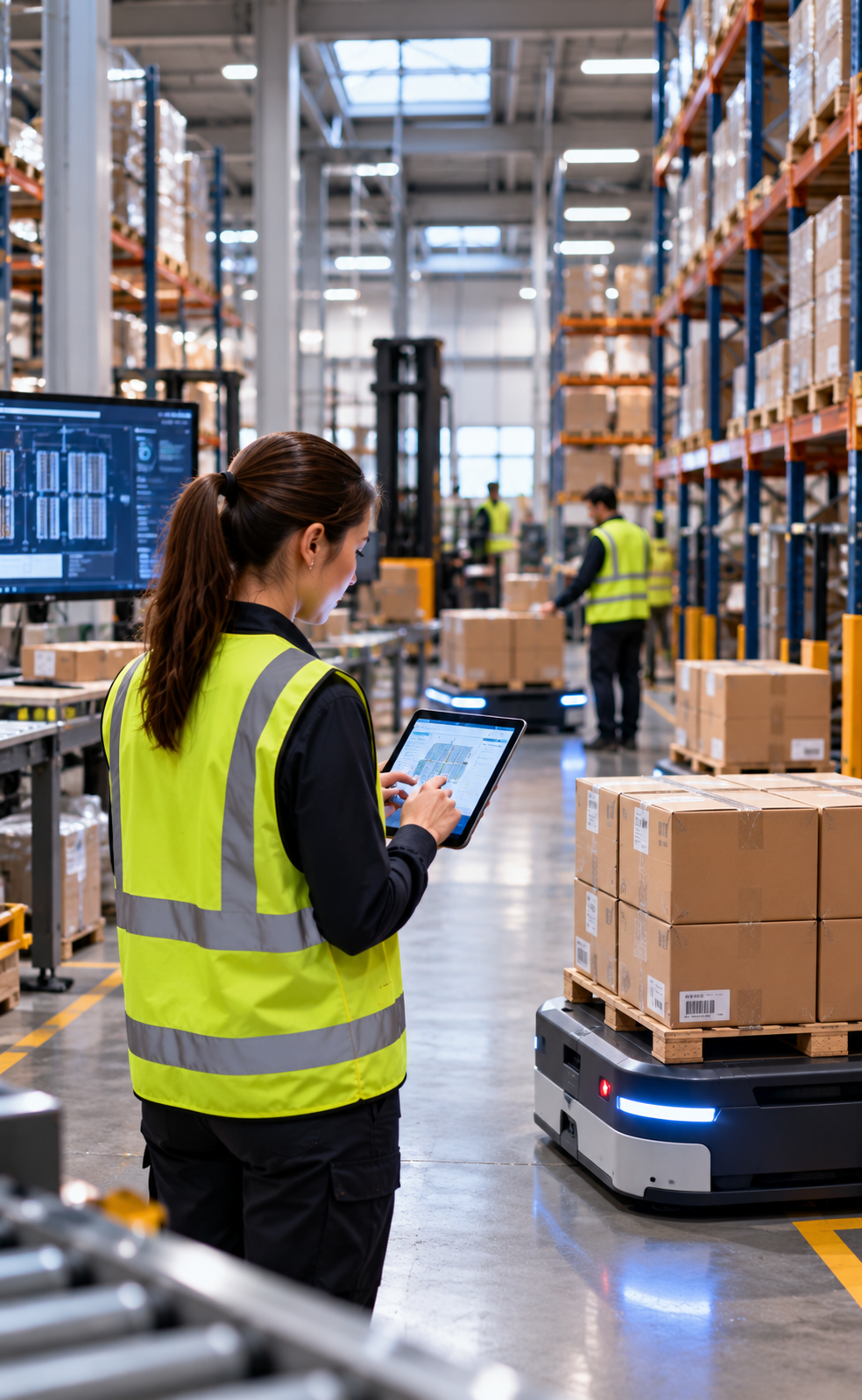
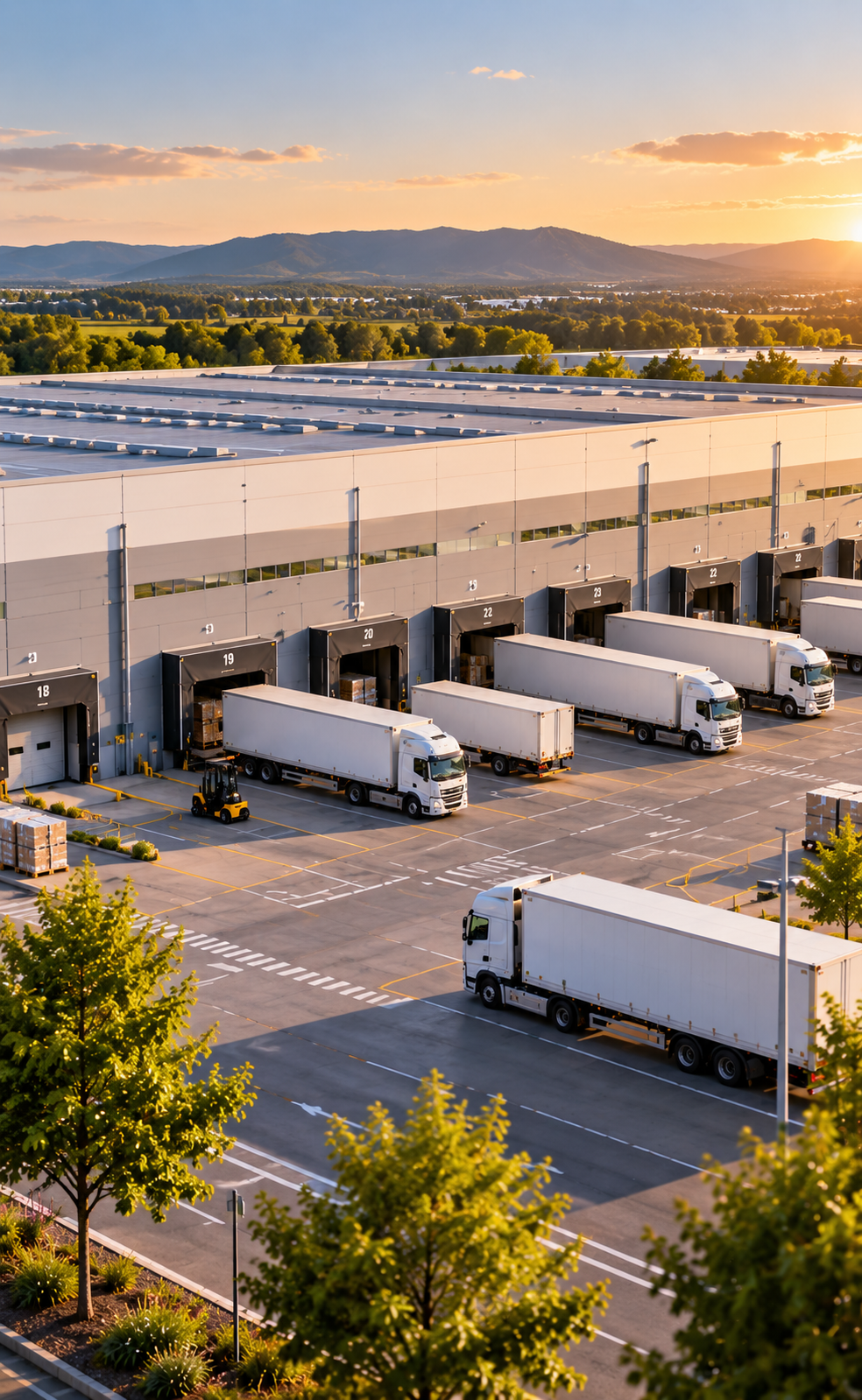




Intelligent warehouse management connects people, processes, automation and data to create more agile, efficient and resilient operations.
By combining operational excellence with real-time visibility, analytics and intelligent technologies, organizations can continuously improve warehouse performance while adapting to changing business and customer needs.
