- All Foundries

- Commodity Management & Trading

- Customer & Marketing Strategy

- Digital Engineering

- Station Studio

- Supply Chain & Industry 5.0
- Sustainability

- Physical AI

- Next-Gen Infrastructure








Refinery OT Rationalization
This fragmentation makes it harder to identify obsolete assets, manage cybersecurity exposure and decide where investment is most urgent. Uncoordinated replacement decisions can also increase OPEX, duplicate capabilities or direct CAPEX toward systems with limited operational value. A structured OT rationalization strategy gives refinery operators a clearer basis for simplifying the estate, prioritizing investment and modernizing critical systems without compromising production continuity.

A structured inventory identifies redundant technologies, overlapping capabilities and unnecessary variations. This creates a more manageable environment for operations, engineering and support teams.
Assets are assessed against obsolescence, operational criticality and production dependencies. CAPEX can then be directed toward the systems presenting the greatest business or operational risk.
Reviewing licenses, contracts, infrastructure and vendor arrangements exposes avoidable expenditure. Rationalization supports a more consistent and predictable OT operating model.
Modernization priorities incorporate system dependencies and cybersecurity exposure. This helps reduce risk while protecting plant availability and safe operating conditions.
How NTT DATA helps
A structured assessment creates an inventory of the refinery’s DCS, SCADA, PLCs, historians, servers and industrial networks. It maps system ownership, lifecycle status, dependencies and operational criticality to establish a reliable baseline for rationalization decisions.
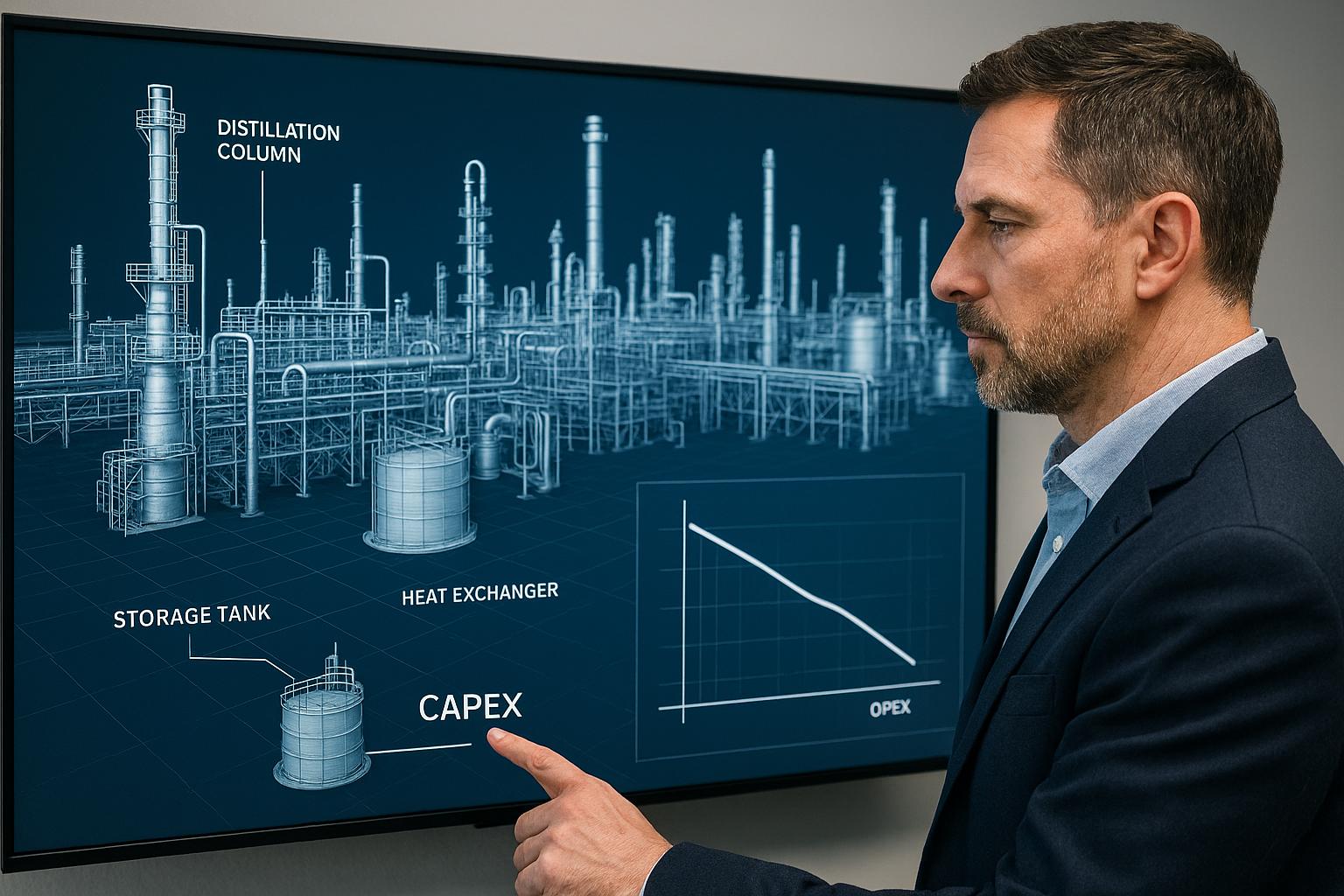
A target architecture defines which technologies should be retained, standardized, modernized or retired. Architecture principles and OT cybersecurity requirements guide future deployments, integration patterns and technology choices across the refinery.

Licenses, maintenance agreements, support contracts, spare parts and vendor arrangements are reviewed alongside operational requirements. This identifies duplicate spending and opportunities to simplify support without compromising capabilities required for safe plant operations.

A phased roadmap prioritizes investment according to obsolescence, criticality, cybersecurity exposure and production dependencies. Modernization initiatives can then be sequenced around operational constraints, planned shutdowns and available investment capacity.


A structured view of the OT portfolio gives operations, engineering, finance and cybersecurity teams a shared basis for modernization decisions. Refineries can coordinate lifecycle actions, vendor choices and plant constraints instead of managing every upgrade as a separate project.
Lifecycle priorities based on a shared view of assets and dependencies.
Upgrade initiatives coordinated with turnarounds and operational constraints.
Common decision criteria for operations, engineering, finance and cybersecurity teams.
Obsolete and unsupported assets addressed through planned lifecycle actions.
Assess lifecycle exposure, technology dependencies and investment priorities to define a controlled modernization roadmap.