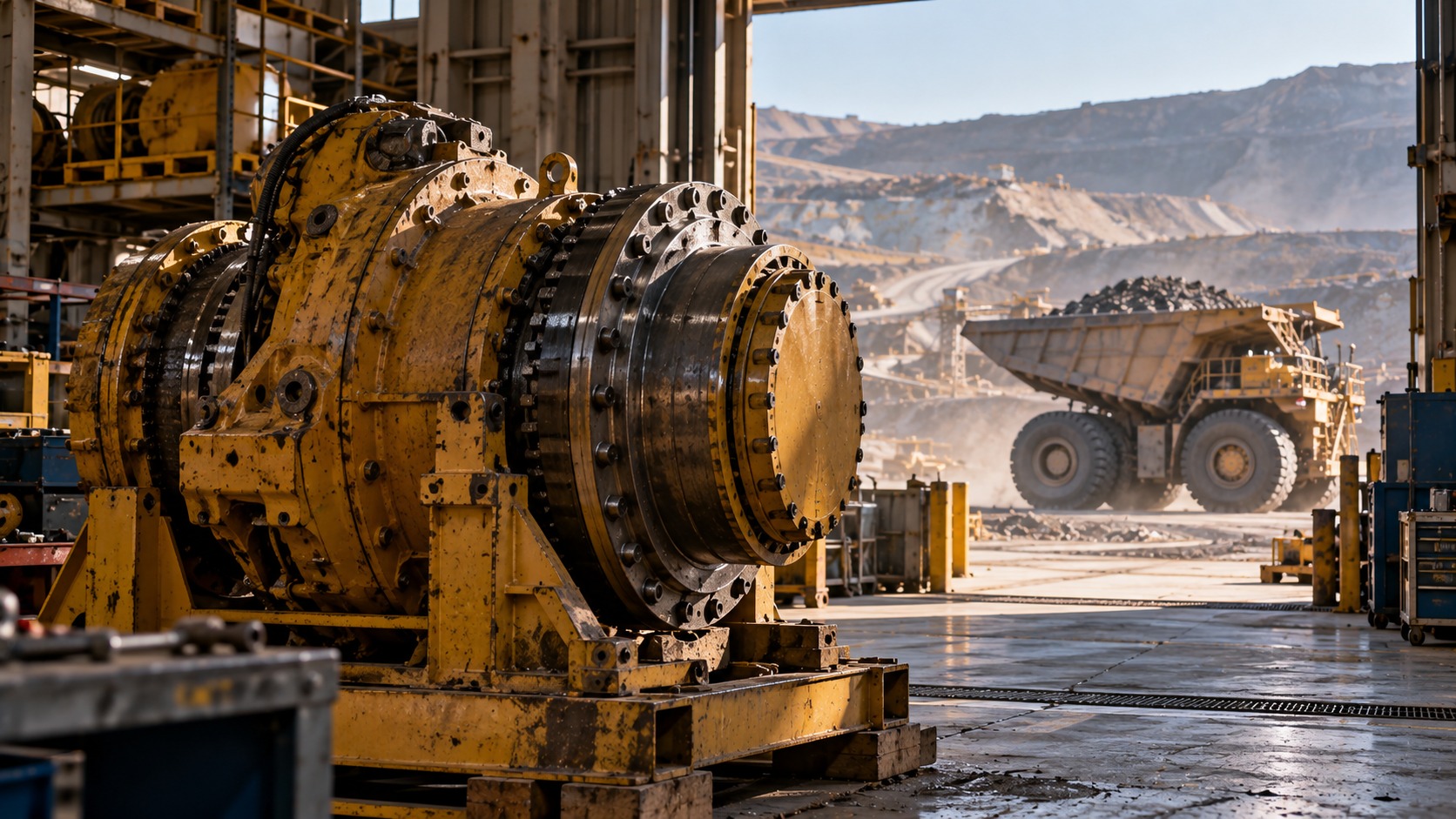
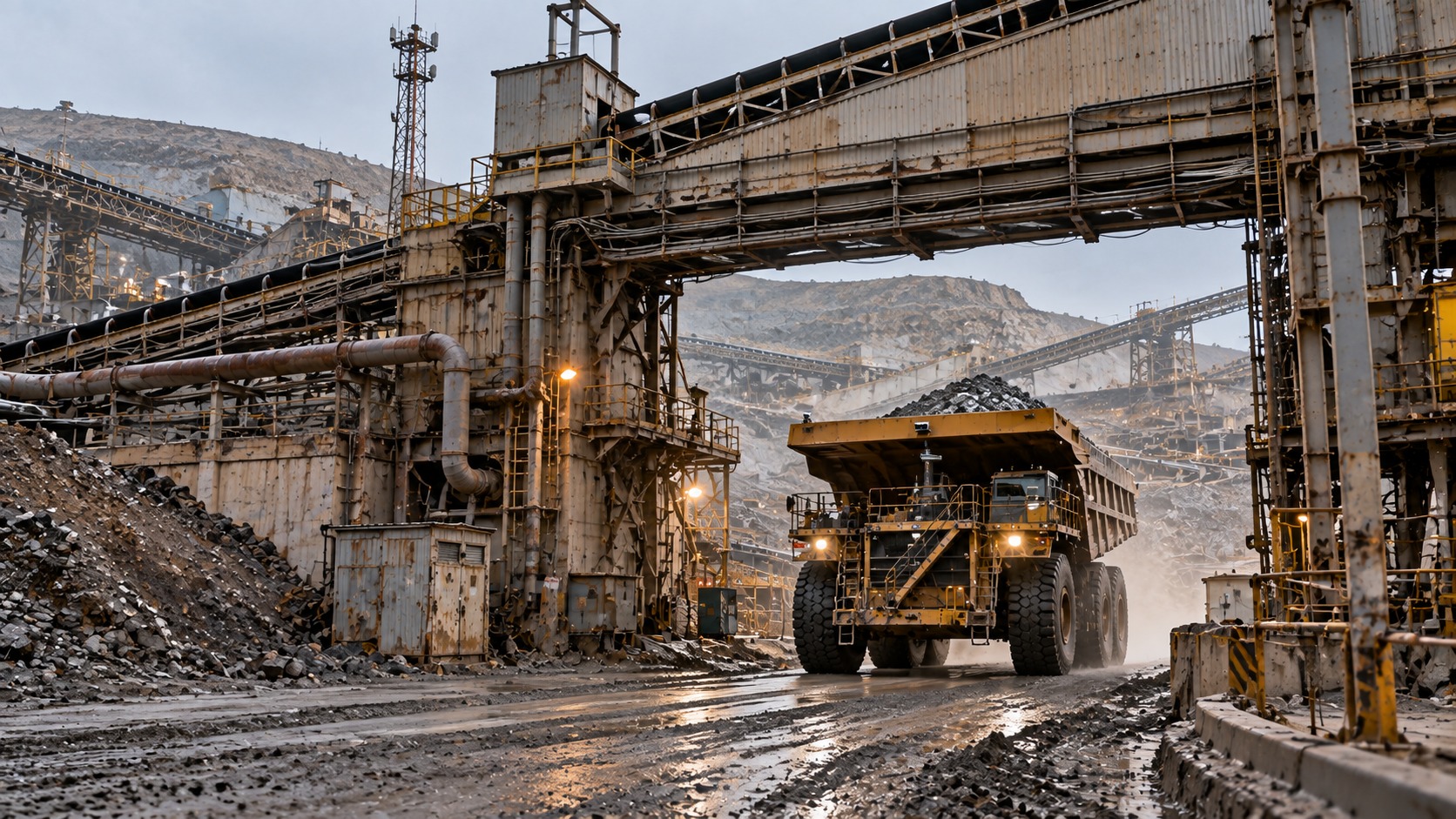
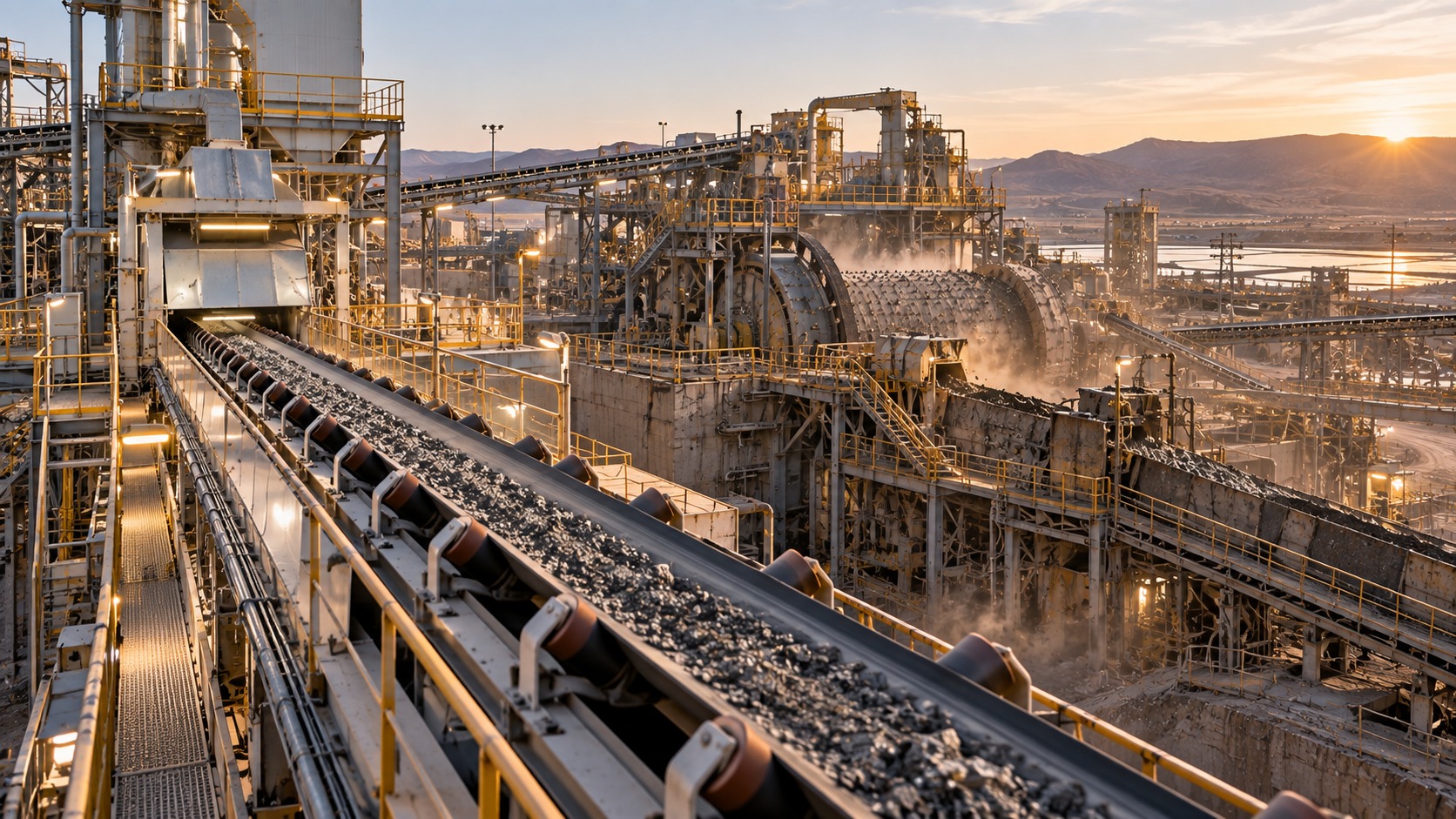
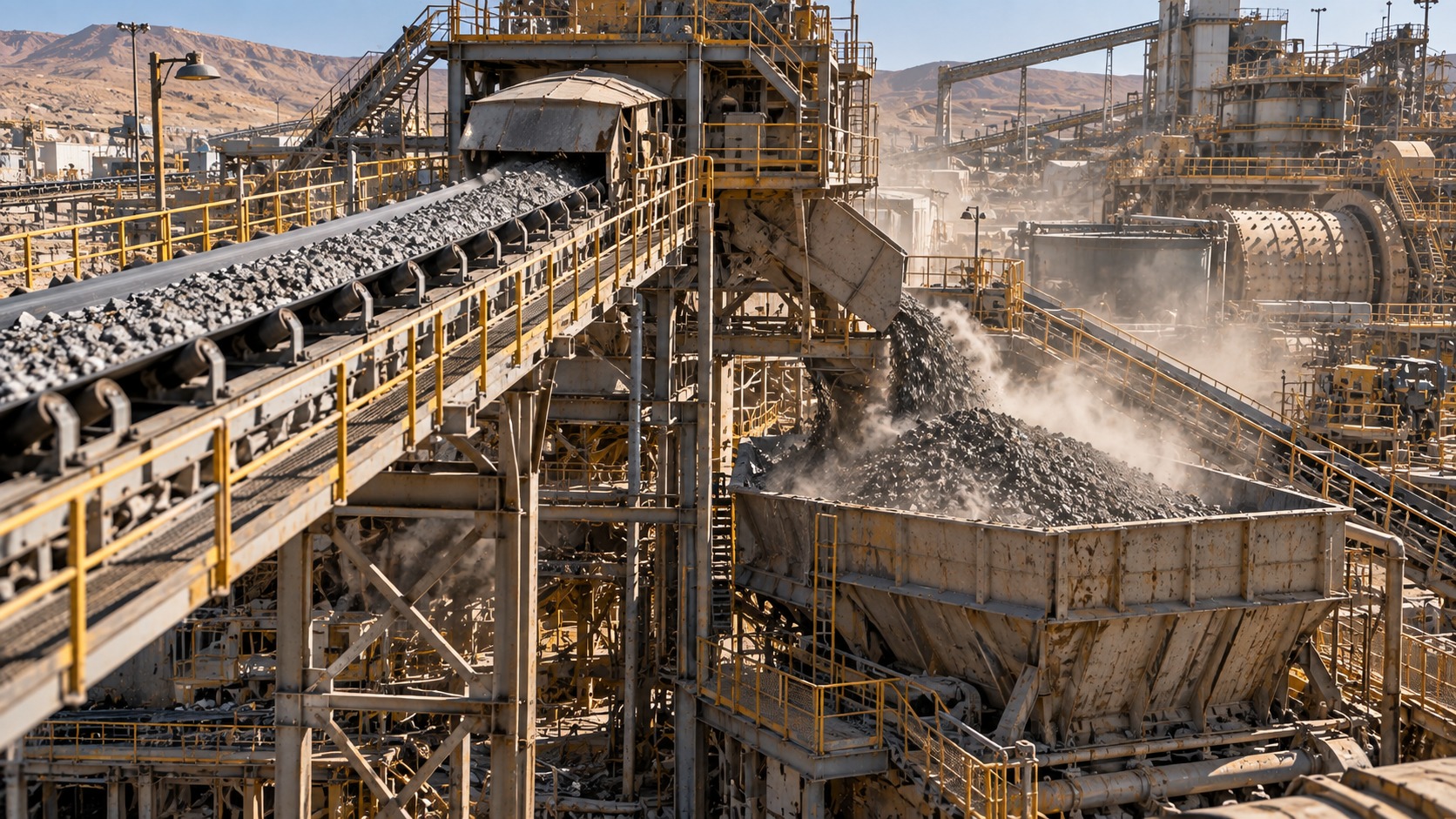
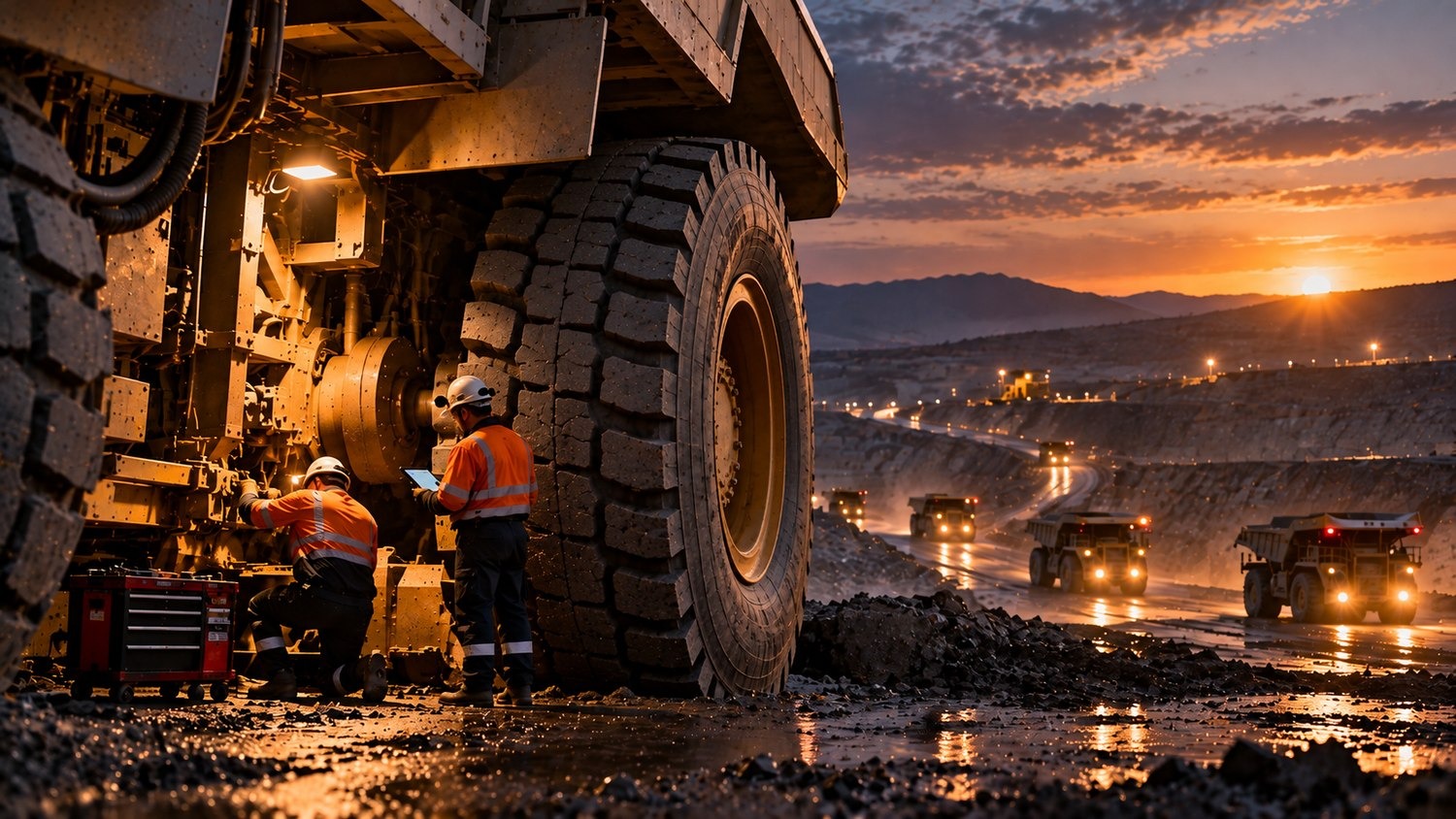
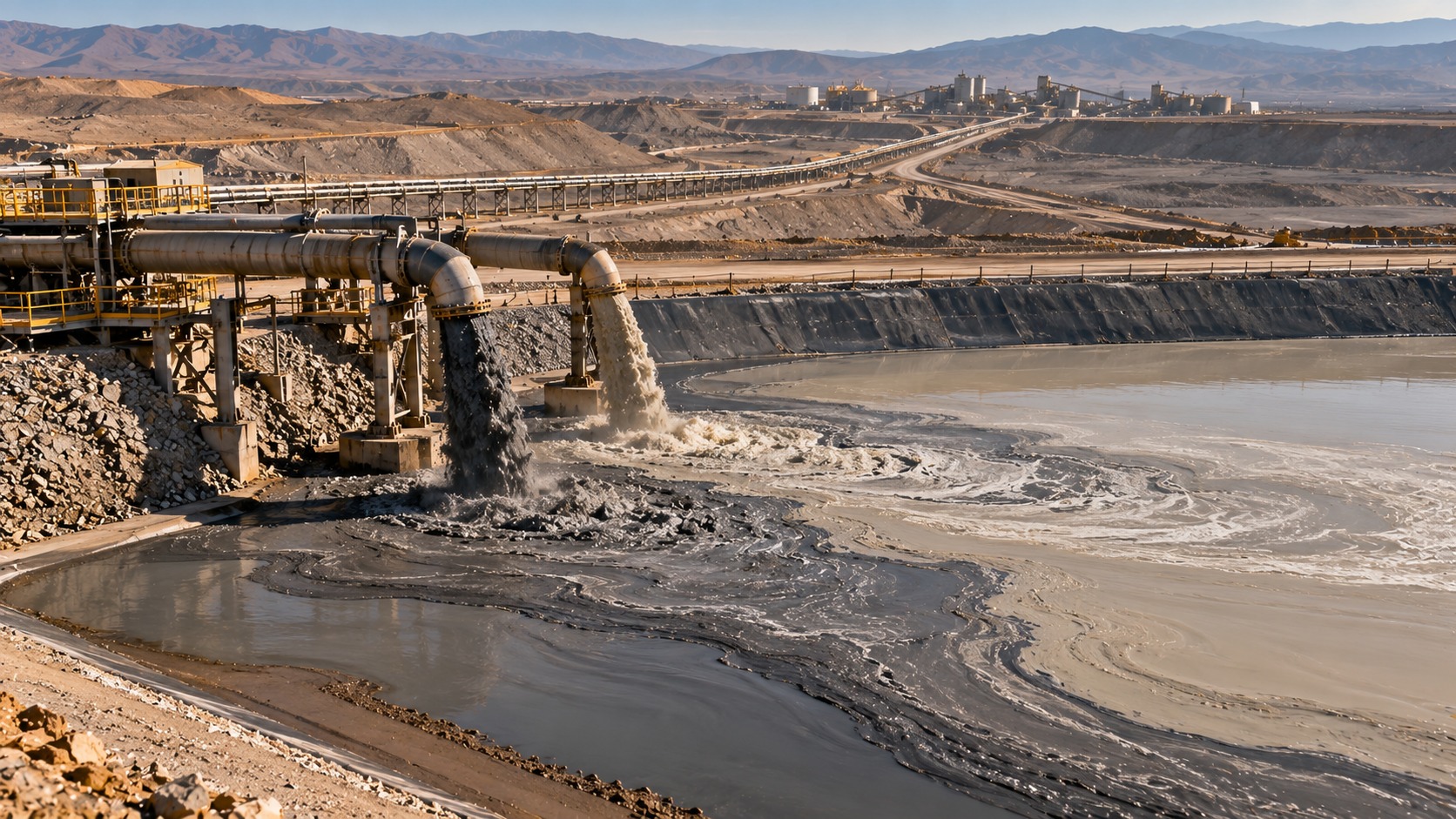
Motion analytics monitoring a suspended industrial load during a lifting operation at a mining site, tracking speed, oscillation, amplitude, and trajectory while an operator supervises the operation.
Talks that move

Predictive Lifting Safety

Using motion analytics to detect abnormal speed and oscillation in suspended loads before lifting risk escalates.
Schedule a meeting
A suspended load can move from stable to dangerous in seconds.
WHY THIS LIFTING-SAFETY CHALLENGE?
Traditional video tells teams what happened.

Motion analytics adds the missing dimension tracking position, speed, amplitude, and trajectory over time so abnormal behavior can be recognized before instability escalates.

Key benefits
When movement becomes measurable, risk becomes easier to challenge

Temporal analysis gives safety teams objective motion evidence rather than relying only on visual judgment.

check icon
Put numbers behind what the eye sees

Quantify movement instead of depending only on subjective observation.

check icon
Flag instability sooner

Surface abnormal speed and oscillation patterns earlier.

check icon
Read the full sequence, not one frame

Analyze motion across complete video timelines.

check icon
Keep context in the decision

Connect findings to site procedures and supervisor validation.

How NTT DATA helps

01
Select the lifting scenarios that matter most

Assess viewing angles, load visibility, operational constraints, and priority use cases.

Two industrial safety professionals observing a suspended load during an active crane lift, assessing visibility, viewing conditions, and operational constraints to determine priority scenarios for motion monitoring.
02
Follow the load through time

Detect and track suspended loads across full video sequences.

Industrial safety professional reviewing a complete lifting sequence while a suspended load is tracked continuously throughout a crane operation.
03
Turn movement into safety signals

Calculate speed, amplitude, and trajectory to distinguish stable movement from oscillation.

Two industrial safety professionals monitoring a suspended load as it oscillates during a crane lift, illustrating how motion analytics can identify abnormal movement before lifting risk escalates.
04
Set criteria with site experts

Configure anomaly thresholds using operational knowledge and procedures.

Lifting and safety specialists reviewing crane operations together and defining motion thresholds for suspended loads based on site procedures and operational experience.
05
Keep findings actionable and reviewable

We don’t issue unexplained alerts. Responsible teams receive evidence and feed operational learning back into the system.

Lifting and safety professionals reviewing video evidence from a crane operation together, discussing the observed load behavior and using the findings to support operational decisions and future learning.
Lifting and safety professionals observing a suspended load during an active crane operation, using motion intelligence to recognize instability earlier and support safer human decisions.
Proven impact
Motion measured.Instability surfaced.Human judgment strengthened.
Results that matter
Predictive lifting analytics changes video from passive evidence into an operational safety signal.
check icon
Visualized movement over time

Complete video sequences captured load behavior.

check icon
Identified a critical instability signal

Amplitude emerged as a discriminator of oscillation.

check icon
Surfaced meaningful speed anomalies

Motion deviations produced analytical findings.

check icon
Shifted video toward anticipation

Monitoring moved beyond recording events after the fact.

Measure instability before it becomes dangerous movement.

Give lifting teams earlier evidence to intervene with confidence.

Drag