- All Foundries

- Commodity Management & Trading

- Customer & Marketing Strategy

- Digital Engineering

- Station Studio

- Supply Chain & Industry 5.0
- Sustainability

- Physical AI

- Next-Gen Infrastructure




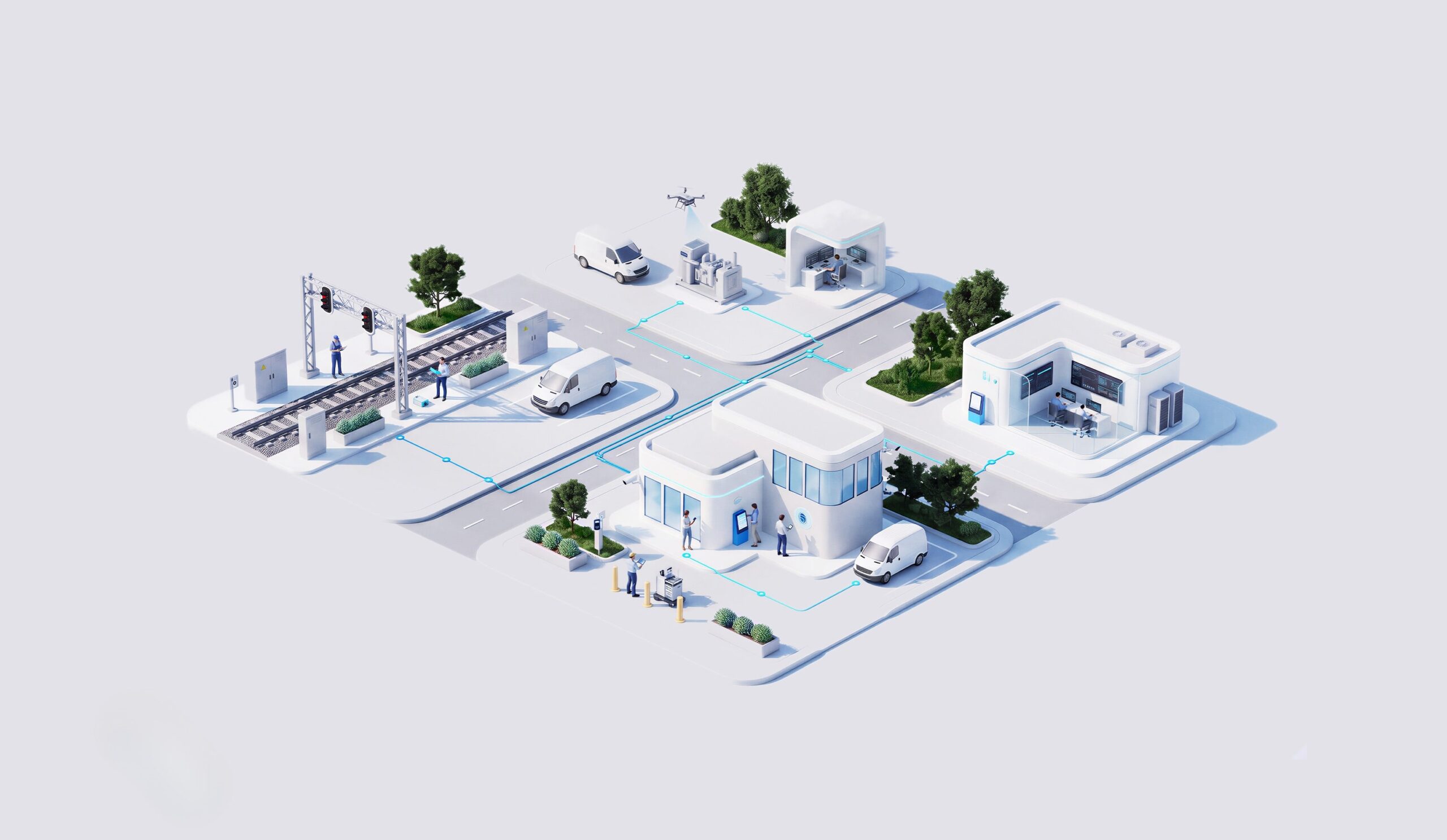



Autonomous Operations Centers
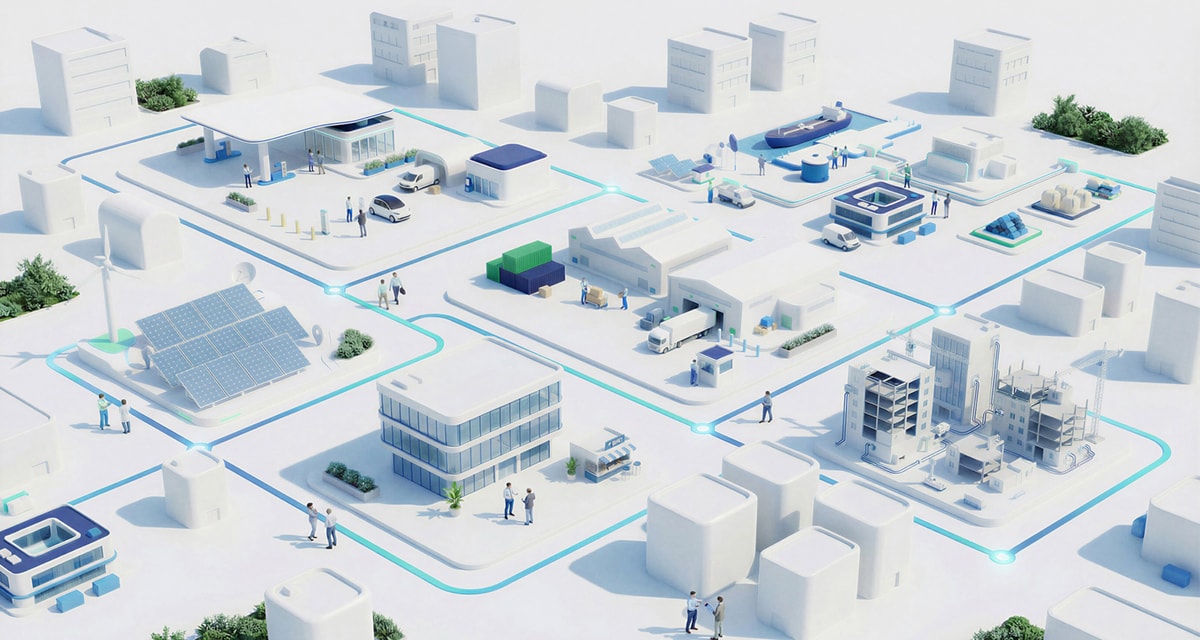
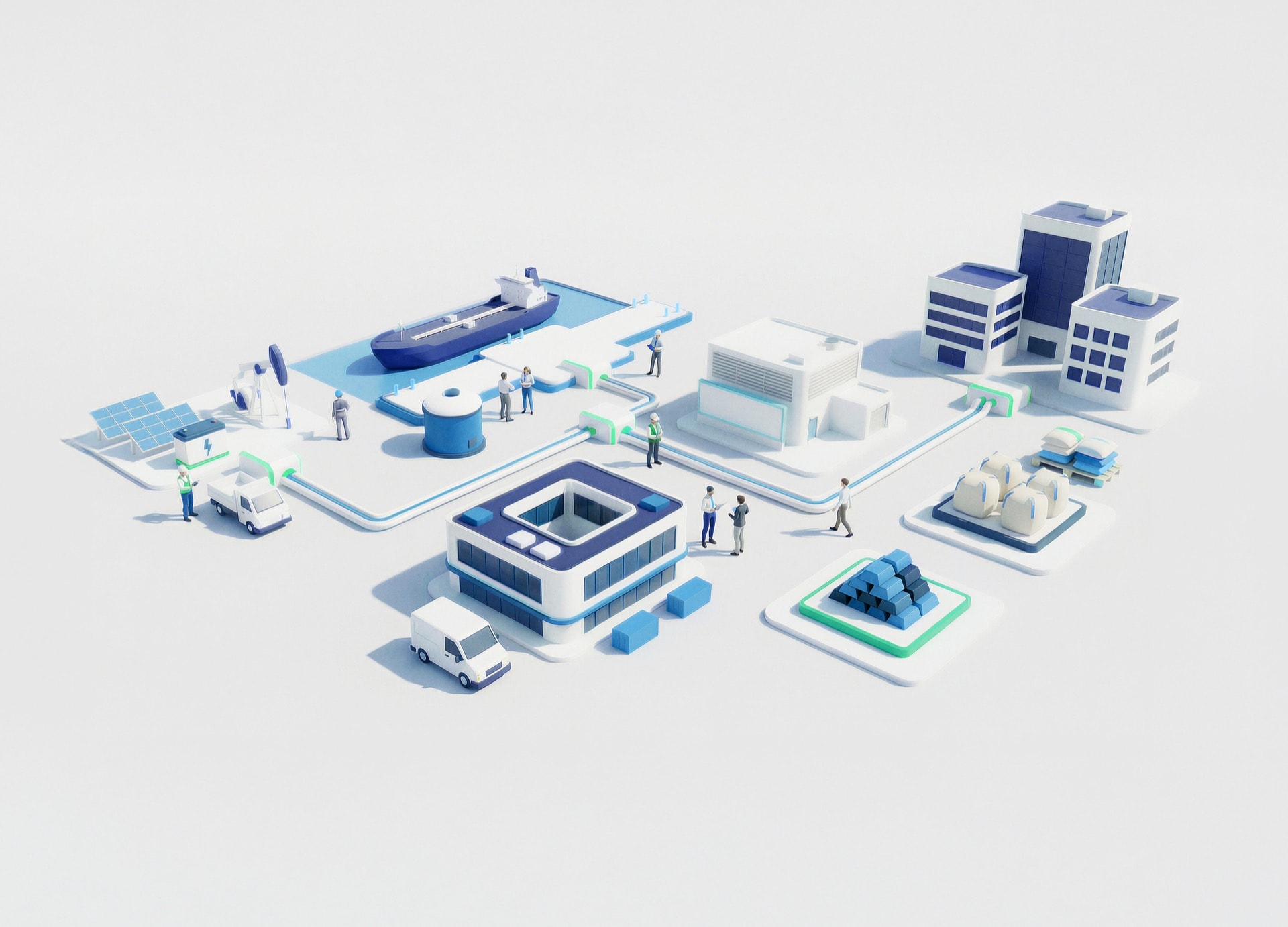
Utilities are moving beyond isolated digital initiatives toward operating models where information, assets, people and external ecosystems must work together in near real time. An autonomous operations center must therefore do more than collect information. It needs to contextualize conditions around assets and processes, apply intelligence at relevant decision points and preserve human accountability wherever safety, regulatory or operational risk demands it.
Bringing operational context and automation into coordinated workflows helps utility teams manage broader infrastructure with less manual effort and more consistent decision making.

Shorter operating cycles and less repetitive coordination can help teams handle complex utility activities with greater efficiency across multiple operating domains.
Earlier detection of anomalies and emerging conditions gives operators more time to assess situations and initiate an appropriate response.
Automating selected inspection and coordination activities decreases routine manual workload while preserving human involvement for exceptions and higher-risk decisions.
Consistent operational context supports asset availability and reliability while helping teams apply decisions more uniformly across distributed utility operations.
How NTT DATA helps
NTT DATA connects authorized operational, asset and enterprise information so decisions can draw on relevant data from across the utility environment.

Analytics, automation and contextual intelligence are positioned according to the architecture, workflow and operational decision they need to support.

Results are routed into established enterprise and OT processes, avoiding a separate technology layer disconnected from day-to-day operations.

Permissions, cyber controls, validation, fallback mechanisms and human oversight are defined to match safety, regulatory and operational risk requirements.

Controlled use cases are assessed with measurable operational KPIs before capabilities expand across sites, asset classes and business units.


These indicative objectives depend on baseline performance, infrastructure characteristics, process maturity and deployment scope, and provide a practical measurement framework for autonomous operations center initiatives.
20% to 40% reduction in operational cycle time. A shorter operating loop can help teams move from incoming conditions to coordinated action with fewer delays across utility processes.
20% to 40% reduction in manual workload. Shifting selected inspection and coordination activities toward automation can free operators to concentrate on exceptions and decisions requiring judgment.
15% to 30% reduction in decision and response time. Quicker interpretation and routing of operational context can support earlier action when conditions require timely intervention.
Significant improvement in operational visibility. A more connected view across data, assets and workflows can give operations teams the context needed to coordinate activity across complex infrastructure.
Bring together authorized data, contextual intelligence and operational workflows to progress toward more responsive automation without compromising control, resilience or human accountability.