- All Foundries

- Commodity Management & Trading

- Customer & Marketing Strategy

- Digital Engineering

- Station Studio

- Supply Chain & Industry 5.0
- Sustainability

- Physical AI

- Next-Gen Infrastructure

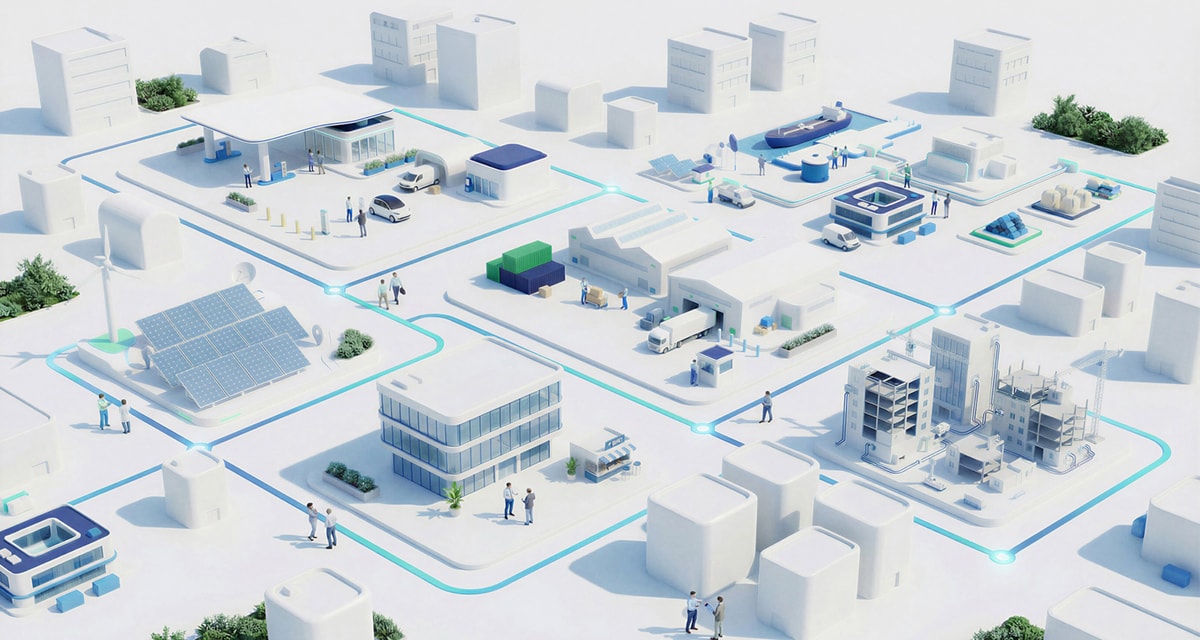




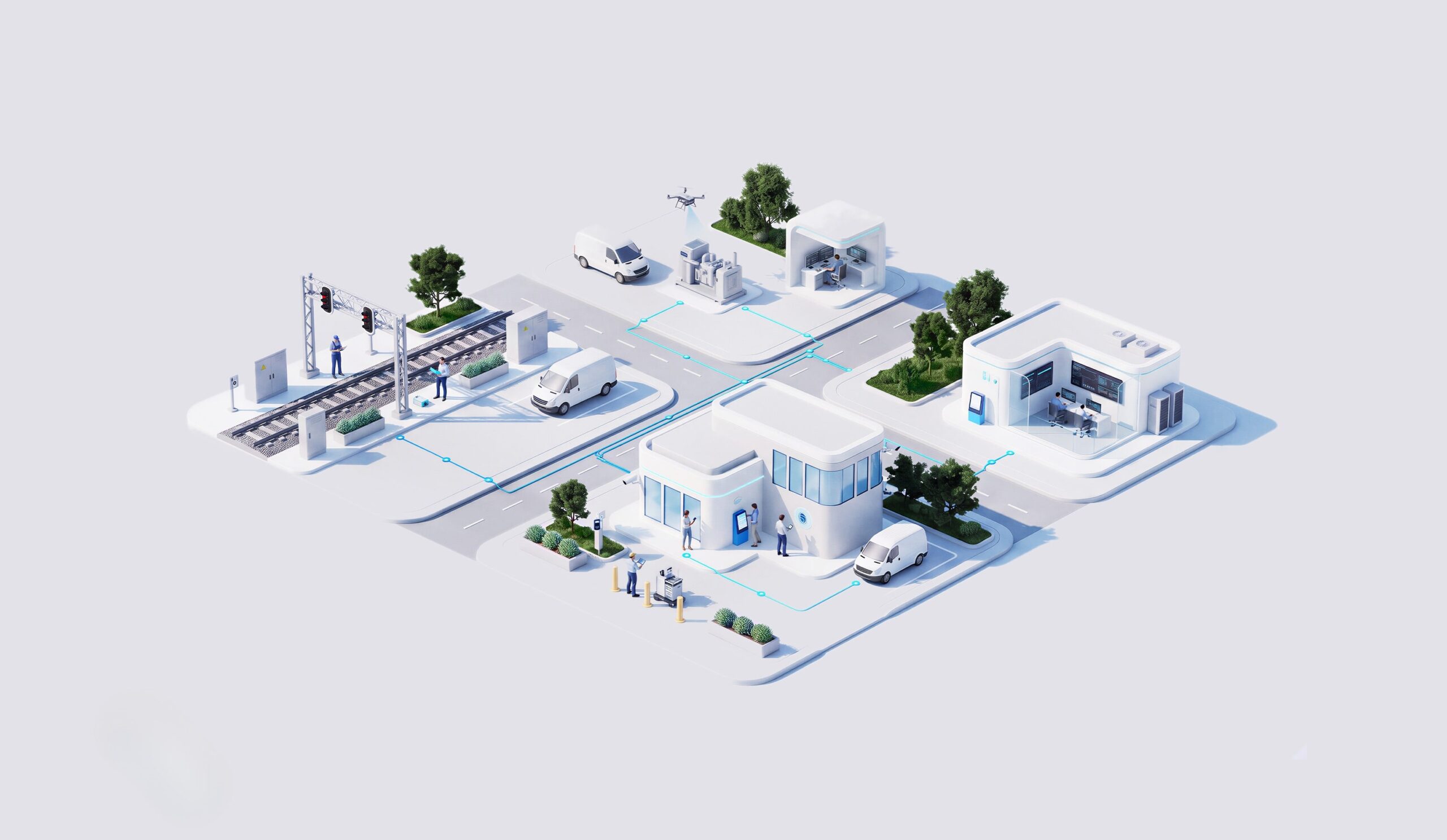


Network Digital Twin for Planning, Resilience & Optimization
As utilities adopt private networks, edge platforms and multi-technology connectivity, the enabling infrastructure becomes a service estate with thousands of devices, software versions, identities, dependencies and performance indicators. Traditional device-by-device monitoring is increasingly insufficient when operational services depend on several network and compute domains at the same time.

Simulates changes and failures before modifications are applied to production infrastructure, helping teams assess impact and reduce operational risk.
Connects topology, performance and capacity data to support more informed planning and identify where infrastructure changes may be required.
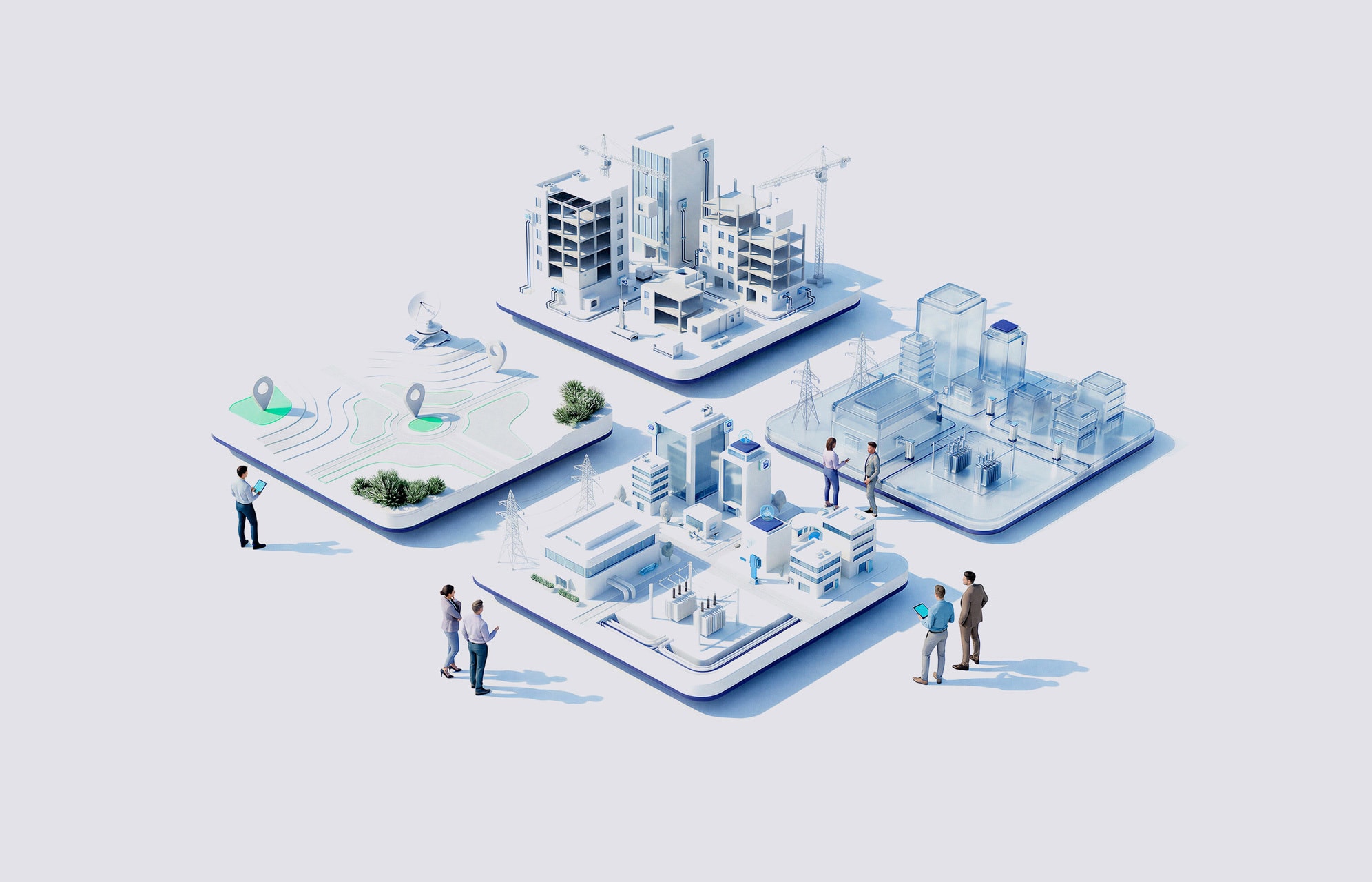
Creates a current representation of network assets and dependencies, improving visibility across multiple connectivity and compute domains.
Uses the twin to test capacity, failure and change scenarios and support planning, resilience and day-to-day operational decisions.
How NTT DATA helps
Builds a living model of network topology, inventory and dependencies as the foundation for digital-twin-driven planning and operations.

Connects operational data to the model so the twin reflects current network health, capacity and service dependencies.
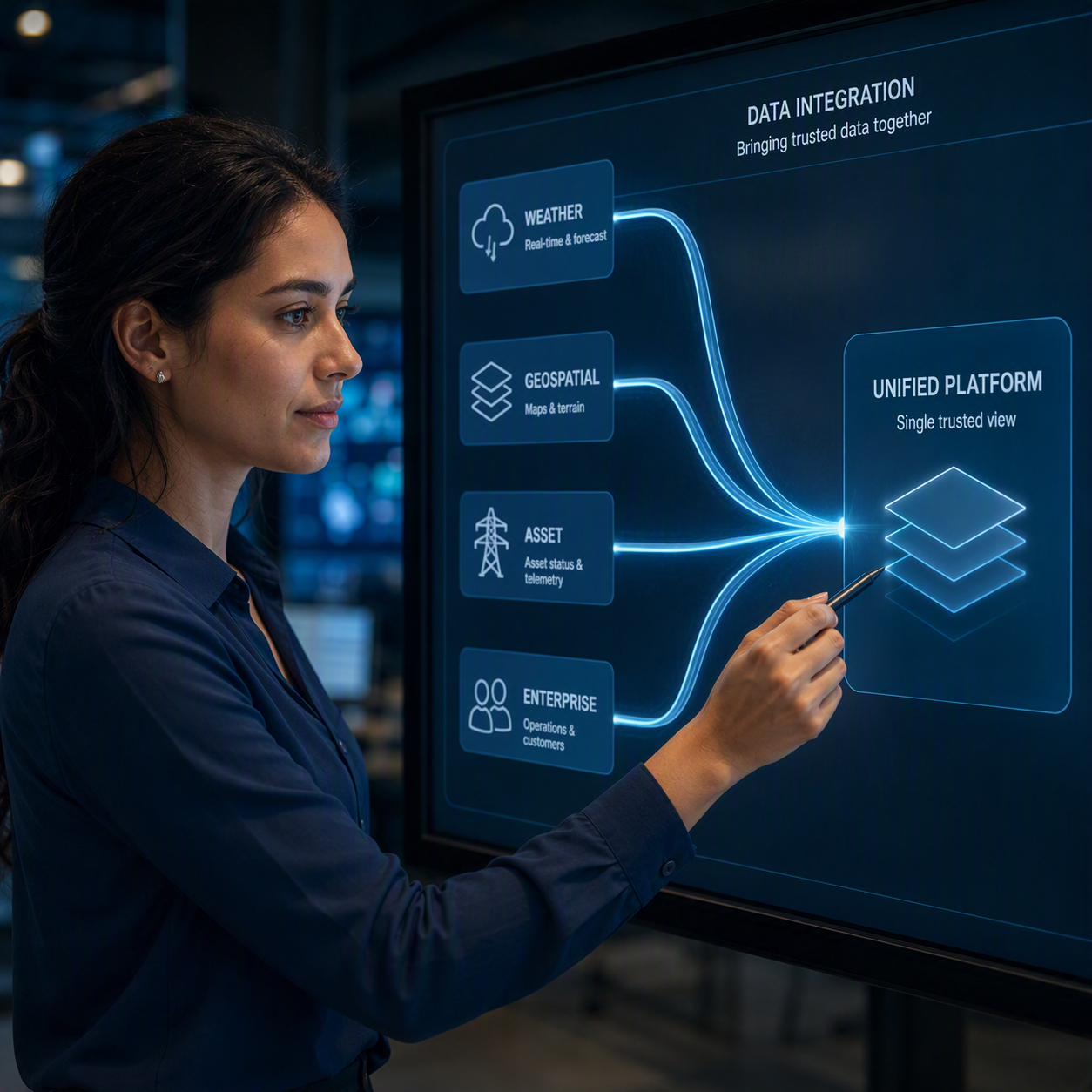
Enables scenario testing before changes are applied to production infrastructure, supporting resilience analysis and change impact assessment.
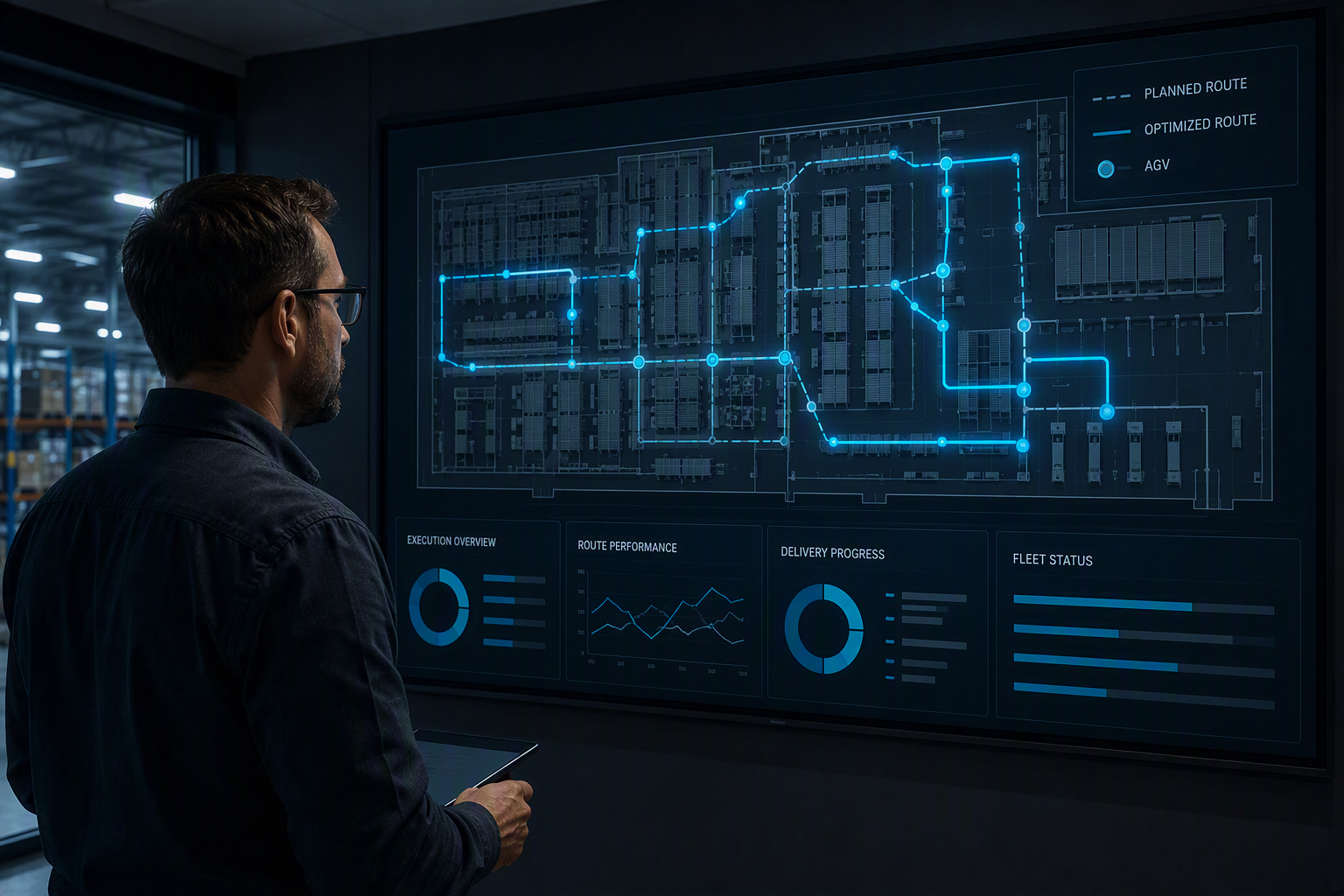
Combines trustworthy inventory and telemetry with service-level visibility to relate technical events to real utility services and dependencies.

Progressively links the twin with workflows, policies and automation as data quality, operational responsibilities and governance mature.

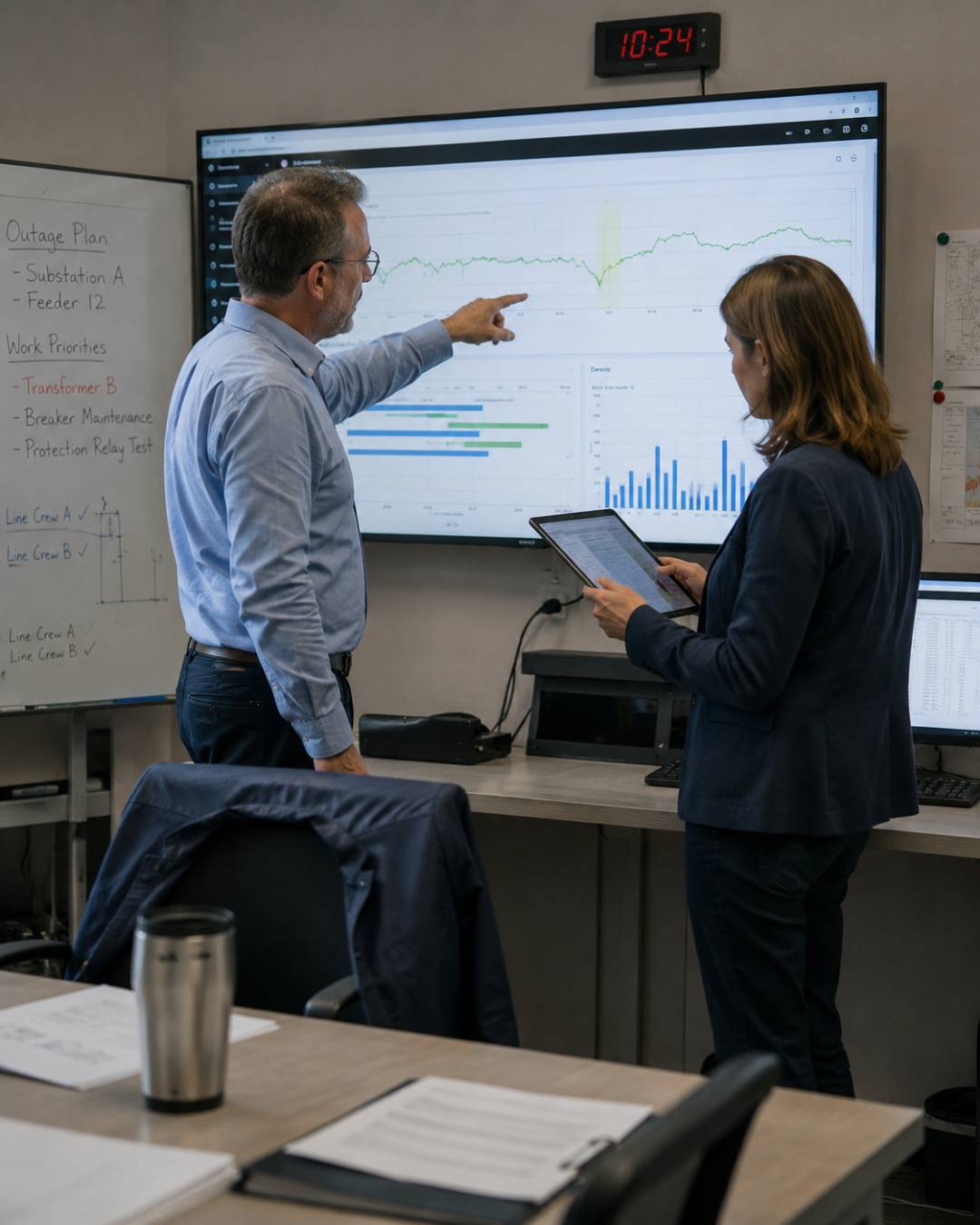
A network digital twin gives utility teams a current view of topology, inventory, performance and dependencies. By connecting operational data with scenario simulation, organizations can improve resilience analysis, capacity planning and change confidence before modifications reach production infrastructure.
Combining topology, dependency, performance and fault data helps teams identify root causes faster, improve response times and gain clearer service-level insight.
Simulation of changes, failures and capacity scenarios improves resilience analysis and change confidence before actions are applied to production infrastructure.
Current topology, inventory and capacity information supports planning and operational decisions across a heterogeneous communications estate.
Trustworthy inventory, telemetry and cross-domain observability create the basis for more advanced workflow automation, closed-loop and agentic capabilities.
Create a living network representation to simulate scenarios, improve resilience and support better operational decisions.