- All Foundries

- Commodity Management & Trading

- Customer & Marketing Strategy

- Digital Engineering

- Station Studio

- Supply Chain & Industry 5.0
- Sustainability

- Physical AI

- Next-Gen Infrastructure



Real-Time Utility Platforms
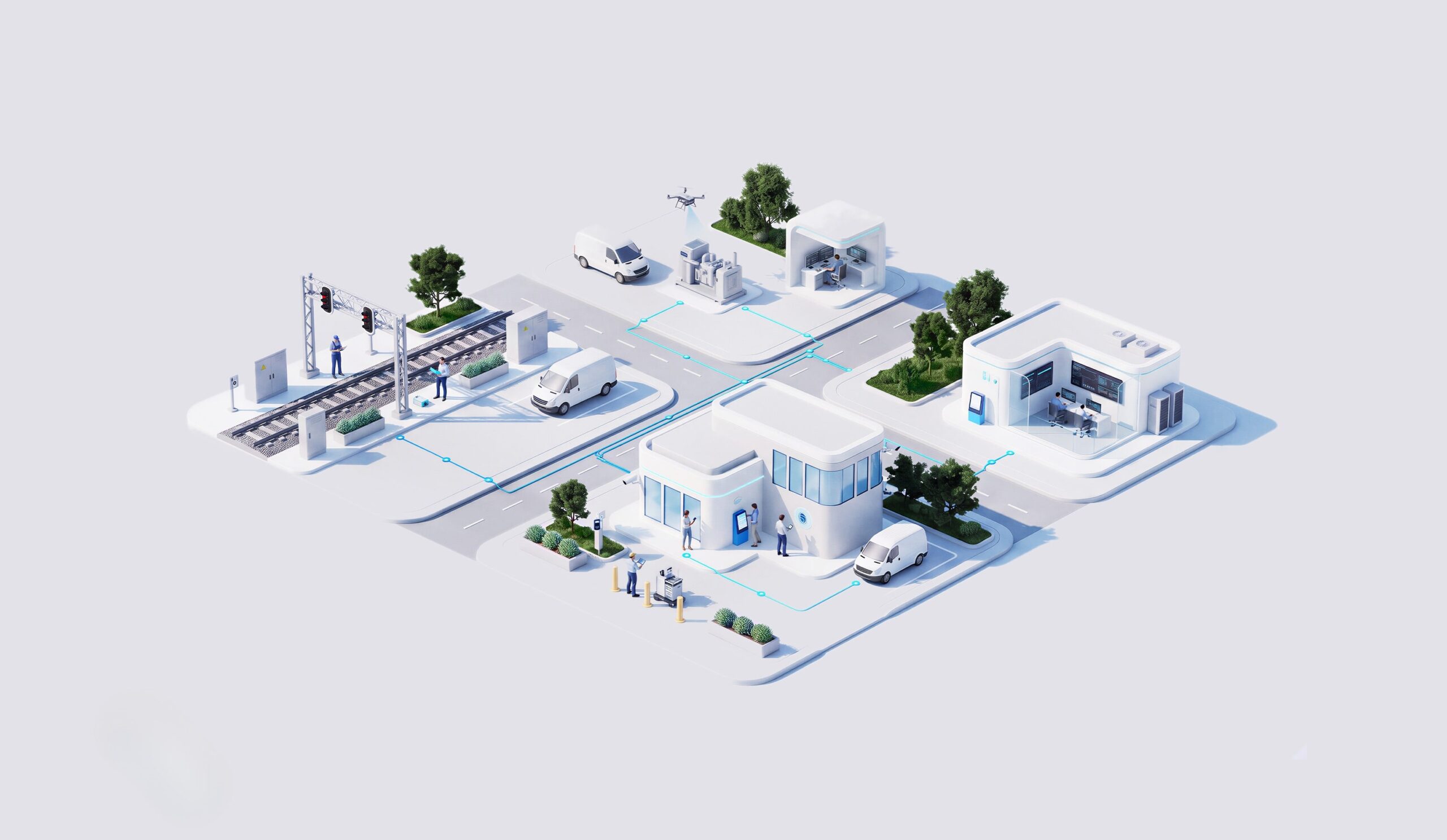
Utilities often already have the information needed to manage an incident, but it sits across specialised systems that must be interpreted together. During abnormal events, teams need to understand relationships between assets, geography, operational conditions and business impact without relying on slow manual correlation. A real-time utility platform creates the shared context needed to connect those signals while allowing existing operational applications to remain fit for purpose.
A common event and data foundation helps utility teams interpret situations consistently while reducing the effort required to assemble information across separate systems.

Correlated operational context helps teams identify what is happening and understand its implications sooner across assets, locations and operating environments.
Shared access to relevant information reduces the need for operators to manually gather and reconcile data from multiple independent applications.
Control rooms, field operations and asset teams can work from more consistent real time information when coordinating responses to incidents and changing conditions.
A common real-time layer supports multiple dashboards, analytics, digital twins and AI use cases without rebuilding integration for every new application.
How NTT DATA helps
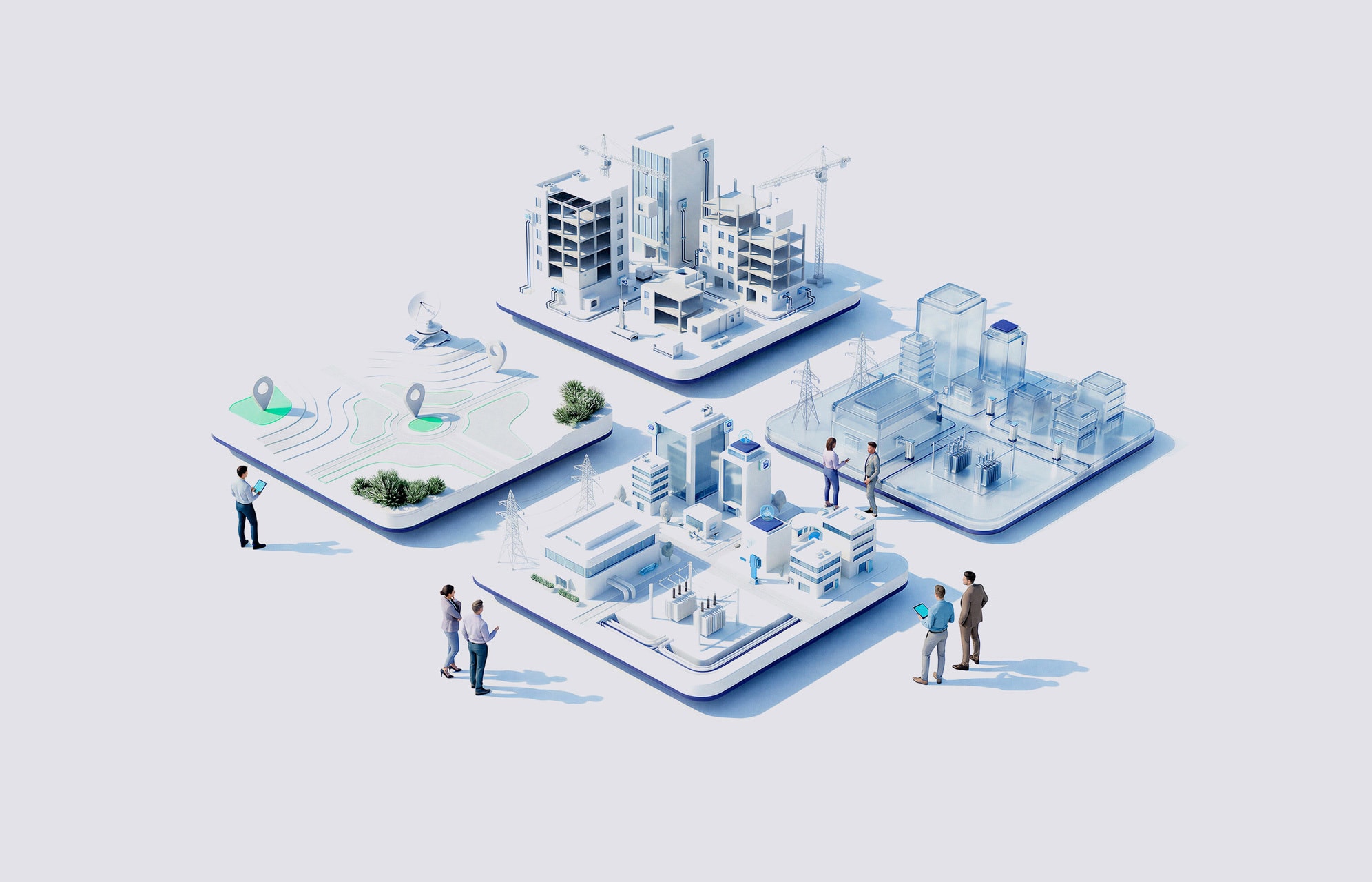
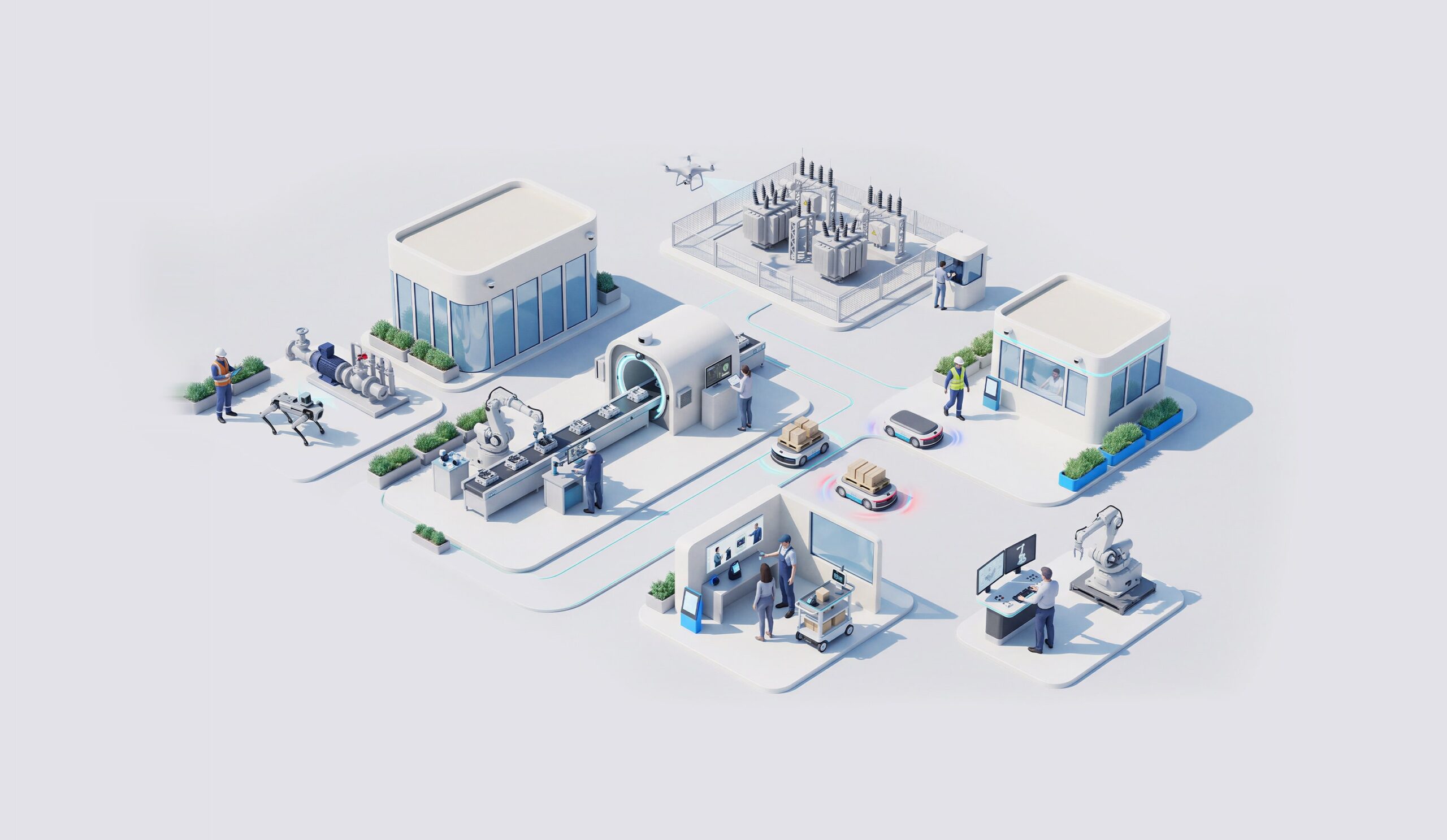
NTT DATA continuously connects SCADA, IoT and other streaming sources so current operational information enters a common event environment.

GIS and asset systems contribute location, hierarchy and equipment relationships that make incoming operational events easier to interpret.

Common data models, rules and real time analytics connect related signals, reduce duplicate alarms and reveal relationships that individual systems may not show.

APIs and event buses deliver relevant information to dashboards, analytics, digital twins, AI services and other downstream applications.

Shared interfaces and governance reduce point to point complexity while allowing specialized operational systems to continue serving their intended functions.


Indicative objectives depend on network architecture, operating model, asset criticality, integration scope and deployment maturity, with actual results varying by technology architecture and operating context.
20% to 50% reduction. Correlated real-time context can shorten the interval between an event occurring and operational teams understanding its significance.
30% to 60% reduction. A shared information layer can reduce the time operators spend locating, comparing and reconciling data across separate systems.
30% to 60% reduction. Real-time rules and cross-source correlation can identify related events sooner, helping teams recognise patterns and relationships during operational situations.
30% to 70% increase. Reusable interfaces and a common event foundation can make existing operational data available to more applications without duplicating integration work.
Establish a shared data and event foundation that connects existing systems, speeds event interpretation and supports future analytics, digital twins and AI.