- All Foundries

- Commodity Management & Trading

- Customer & Marketing Strategy

- Digital Engineering

- Station Studio

- Supply Chain & Industry 5.0
- Sustainability

- Physical AI

- Next-Gen Infrastructure





Digital Twin Connectivity for Real-Time Utility Operations
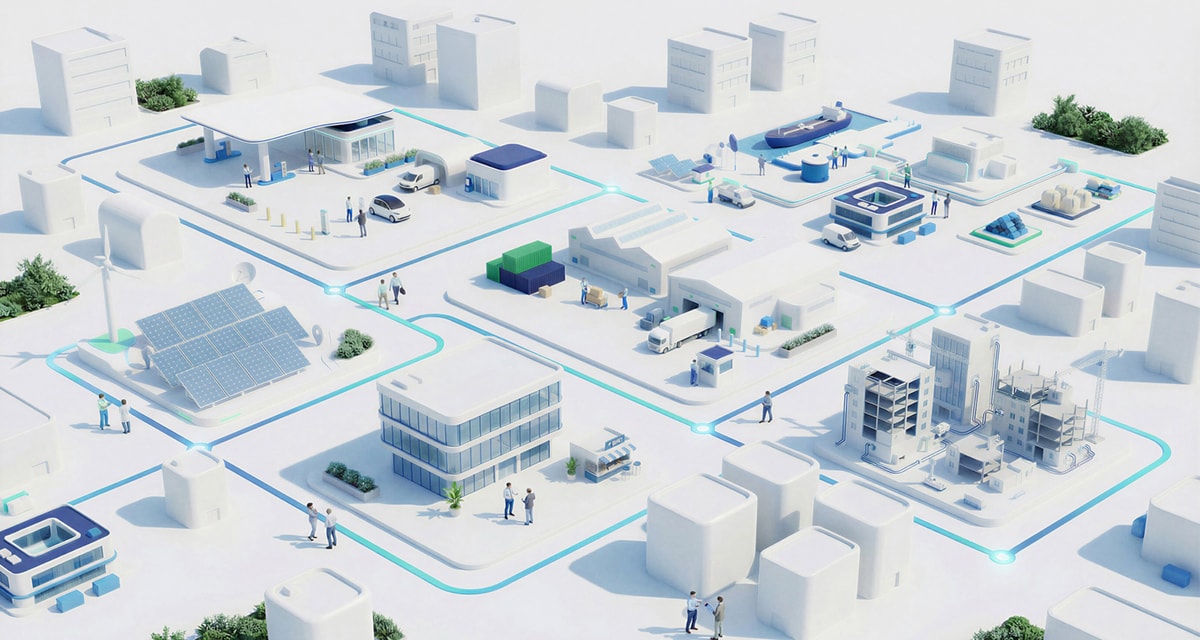
Planning oriented twins can work with periodic updates, but real-time operations require a continuously refreshed view of asset state, network topology, environmental conditions and operational events. Without disciplined connectivity, synchronisation and data governance, the twin cannot reliably support scenario evaluation or incident response. The operational objective is therefore to maintain the minimum current state each use case needs while preserving authoritative data sources.
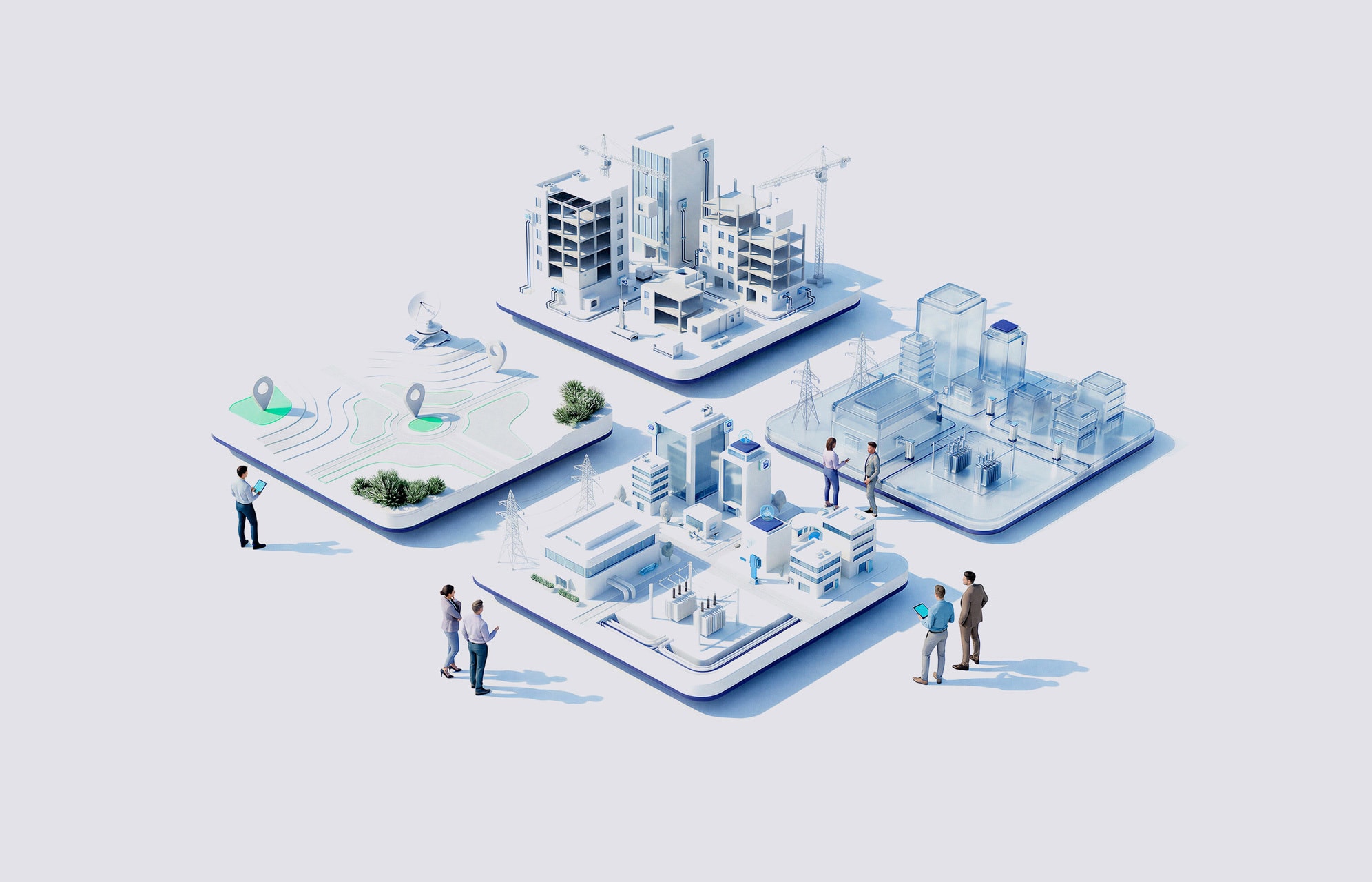
A synchronised twin gives utility teams a current operational reference for understanding conditions, testing scenarios and coordinating interventions across complex infrastructure.

Continuous updates bring asset, network and geographic information together so operators can work from a representation that reflects changing physical conditions.
Up-to-date model state shortens the preparation needed to simulate operational scenarios and evaluate possible consequences before selected actions are executed.
Connected physical and digital information helps teams assess operational impact and plan maintenance, outage or incident response with stronger situational context.
A shared representation gives engineering, operations, asset management, analytics and AI a common context for interpreting the same infrastructure state.
How NTT DATA helps
NTT DATA connects asset, network, geographic and engineering information to create the topology and spatial relationships required by the digital twin.

SCADA, IoT and historian data feed telemetry, equipment status and operational conditions into the model through streaming interfaces.

Common identifiers, APIs, event streams, timestamping and data-quality controls keep physical changes aligned with the corresponding digital representation.

Edge connectivity supports high-frequency and geographically dispersed data sources where direct central integration may be less practical.

Simulation engines evaluate potential consequences of operational scenarios so teams can compare outcomes before executing selected actions in the physical environment.


For comparable connected-utility programmes, these targets are indicative and vary with network architecture, operating model, asset criticality, integration scope and deployment maturity.
30% to 70% reduction. Faster state updates help the twin reflect telemetry, asset status and topology changes with less delay during real-time operations.
20% to 50% reduction. Continuously available operational context can shorten simulation setup when teams need to evaluate possible consequences before taking action.
30% to 60% reduction. Streaming interfaces and synchronization services reduce repetitive updates by keeping operational state aligned with authoritative source information.
20% to 40% reduction. A current shared model can help teams evaluate cascading effects across interconnected infrastructure more quickly during incidents or planned interventions.
Connect authoritative models with live utility data so monitoring, simulation and response can work from the same continuously updated representation.