- All Foundries

- Commodity Management & Trading

- Customer & Marketing Strategy

- Digital Engineering

- Station Studio

- Supply Chain & Industry 5.0
- Sustainability

- Physical AI

- Next-Gen Infrastructure




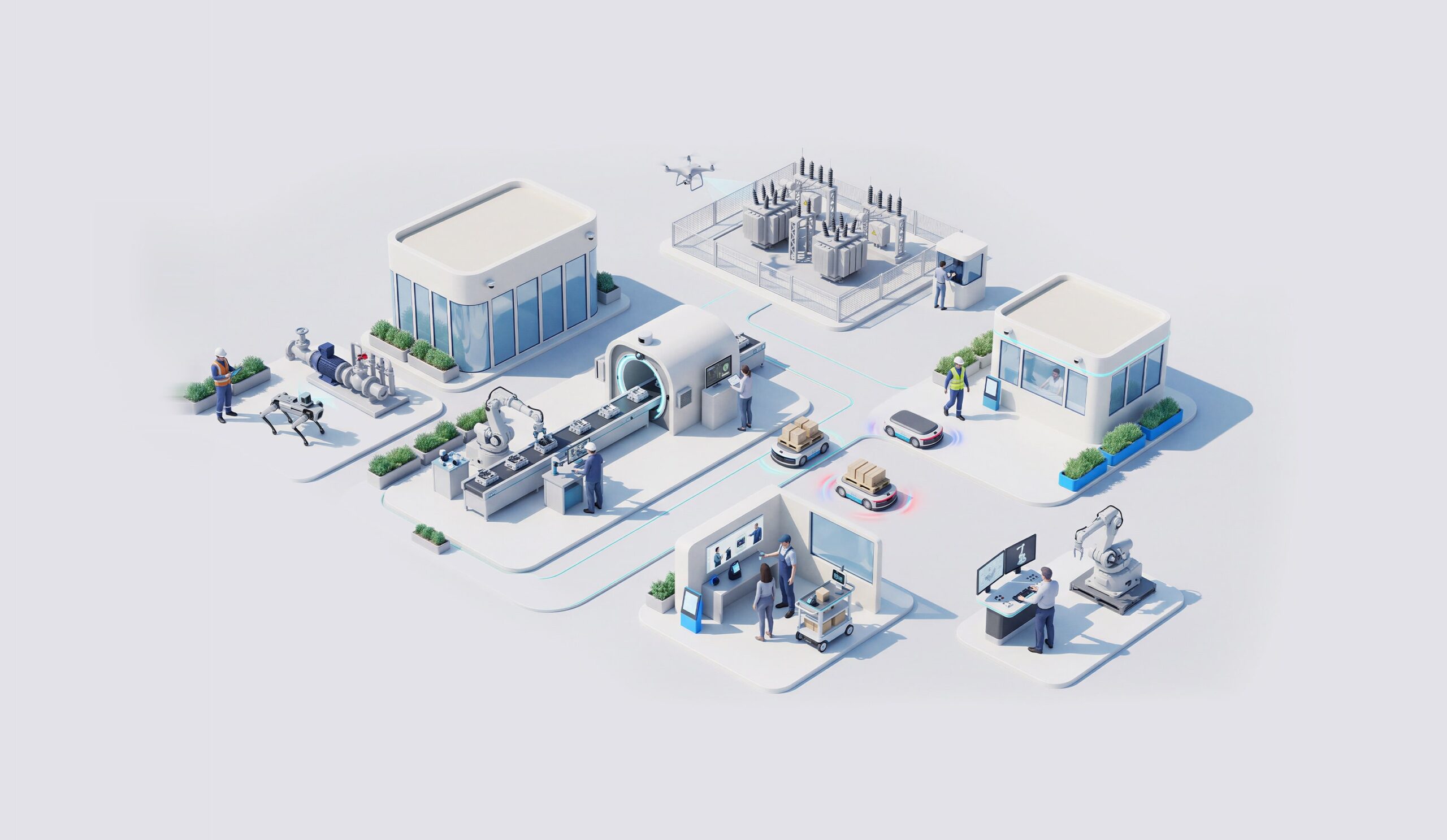
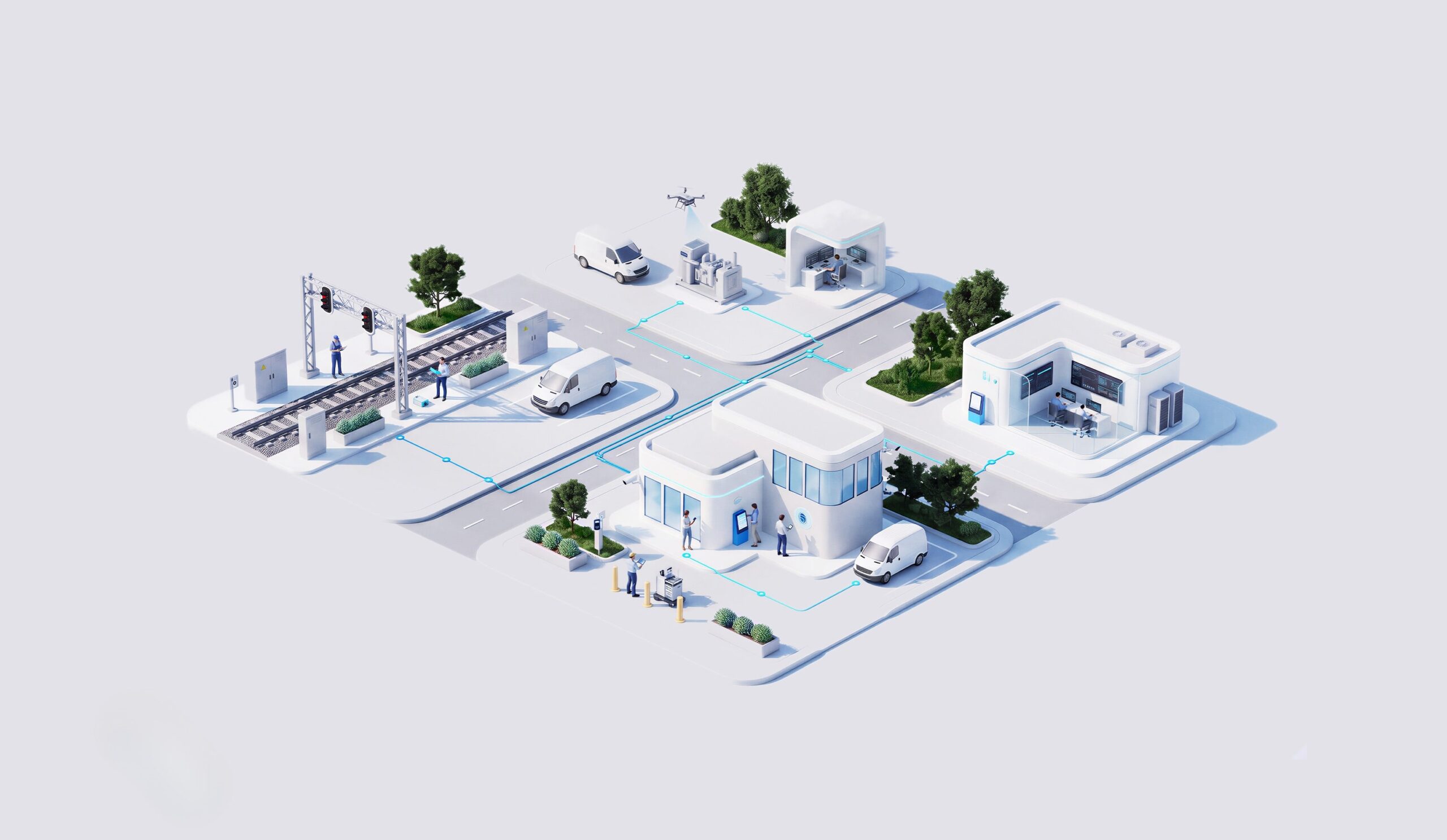



5G-Enabled Autonomous Inspection with Drones & Robotics
AI processing all need to work together before autonomous inspection replaces individual missions at scale.

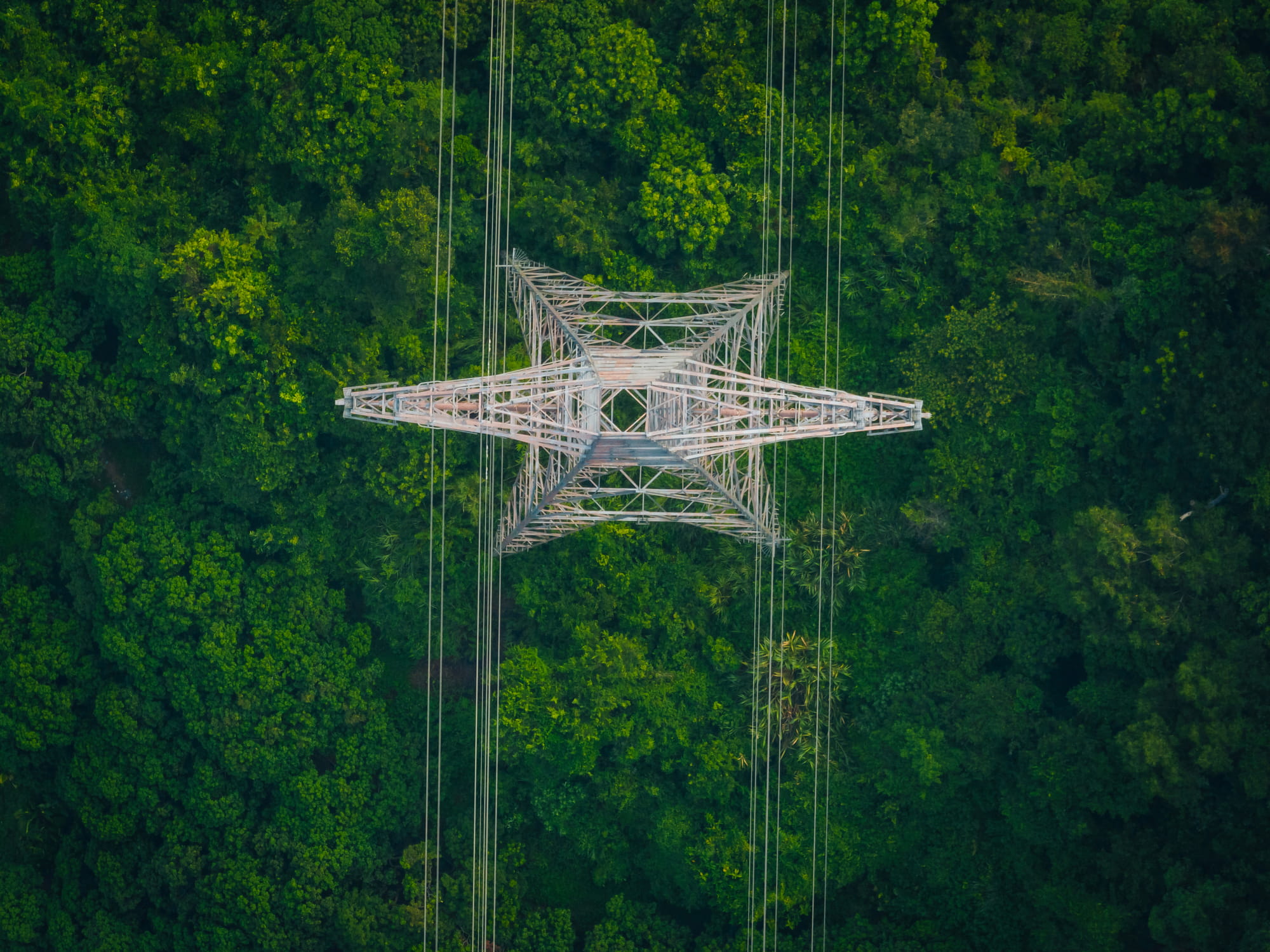
Autonomous drones and robots reach transmission lines, substations and remote sites so field teams avoid unnecessary exposure to risk.
Coordinated autonomous missions raise inspection frequency across thousands of assets without a matching increase in field staff.
Drones dispatched right after a storm or alarm give crews a clear picture of damage before a single truck rolls out.
Thermal, visual and LiDAR data feed directly into AI models and asset records, building a consistent history over time.
How NTT DATA helps
Private 5G gives drones and robots more mobility and bandwidth than Wi-Fi, LTE or satellite alone provide.

High-capacity uplink carries real-time video, thermal imaging and LiDAR streams straight from the field to the operator.

Low-latency command and control keeps mobile assets responsive in critical operational areas where seconds matter.

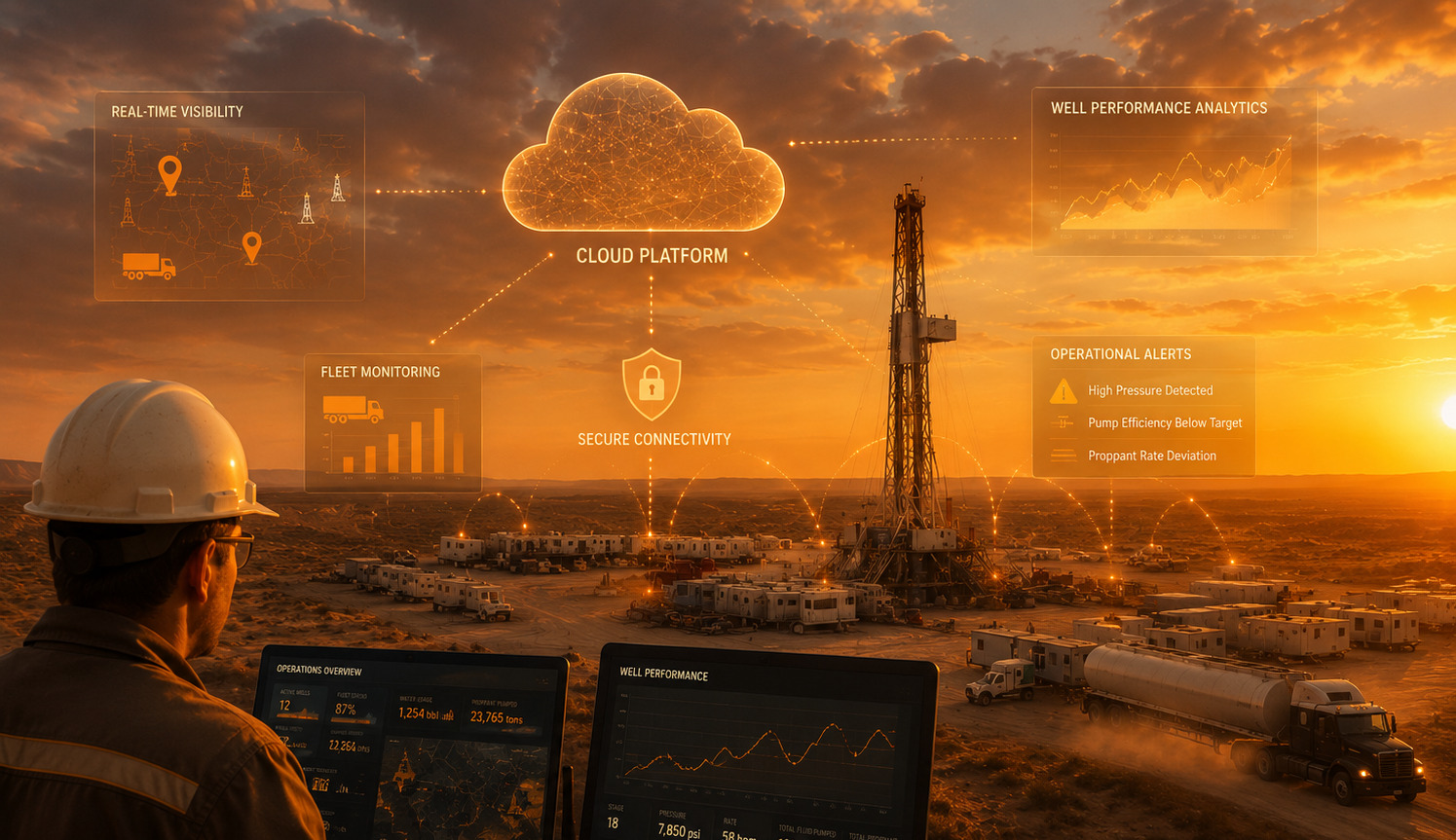
Edge computing runs AI inference near the inspection site, instead of sending every stream back to a central cloud.

Scalable device management coordinates entire inspection fleets, turning isolated missions into one managed operation.


Coordinated autonomous missions cut the cost of covering transmission lines, substations and renewable sites.
Autonomous fleets complete routine and post-event inspections in a fraction of the time manual missions require.
Drones and robots take on the routes once assigned to field crews in difficult or dangerous conditions.
Rapid autonomous dispatch after a storm or alarm speeds up prioritization of restoration resources.
Shape the conversation that turns isolated drone missions into a coordinated, AI-assisted inspection operation.