- All Foundries

- Commodity Management & Trading

- Customer & Marketing Strategy

- Digital Engineering

- Station Studio

- Supply Chain & Industry 5.0
- Sustainability

- Physical AI

- Next-Gen Infrastructure




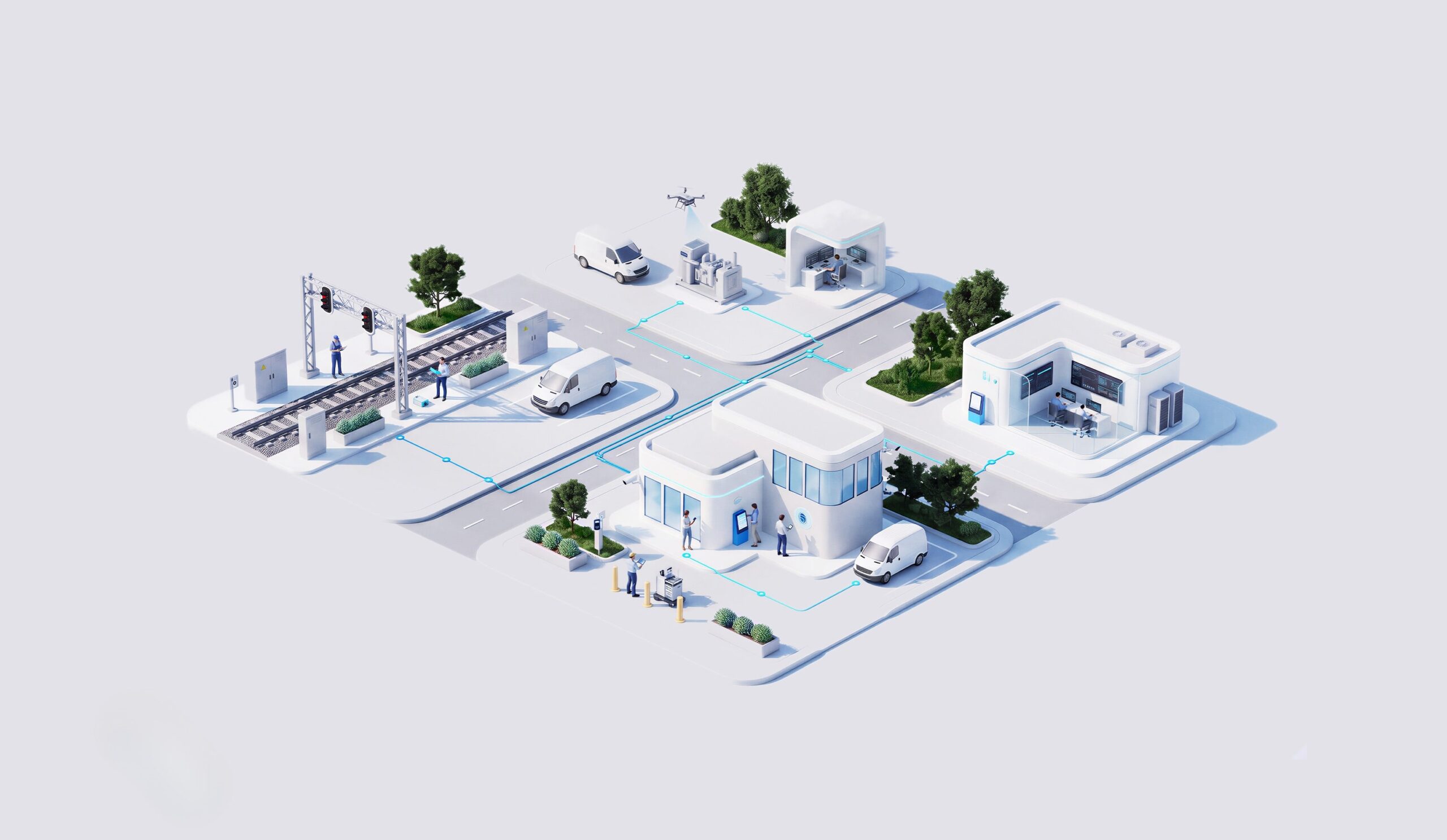


Autonomous Underwater Infrastructure Inspection
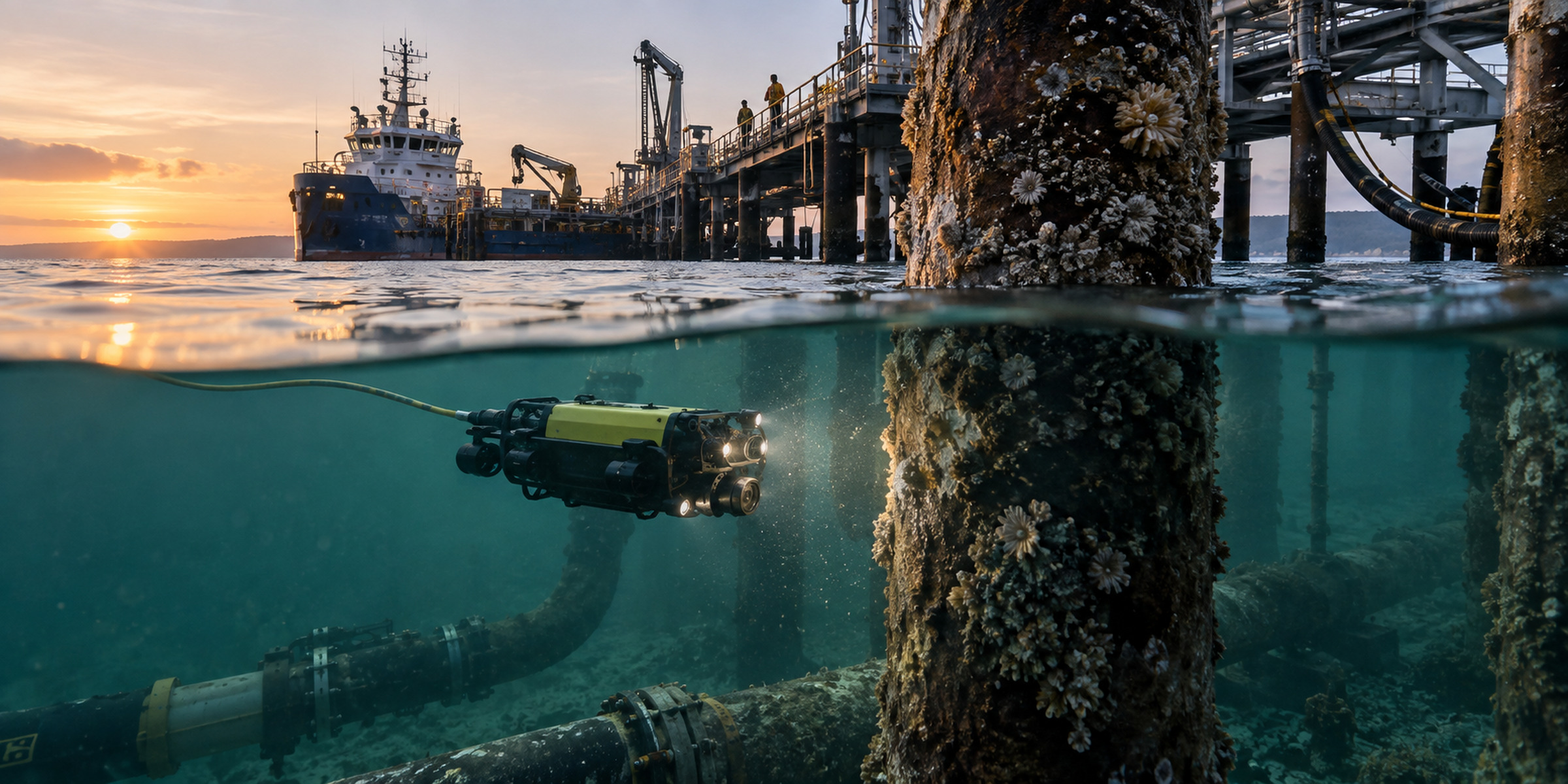
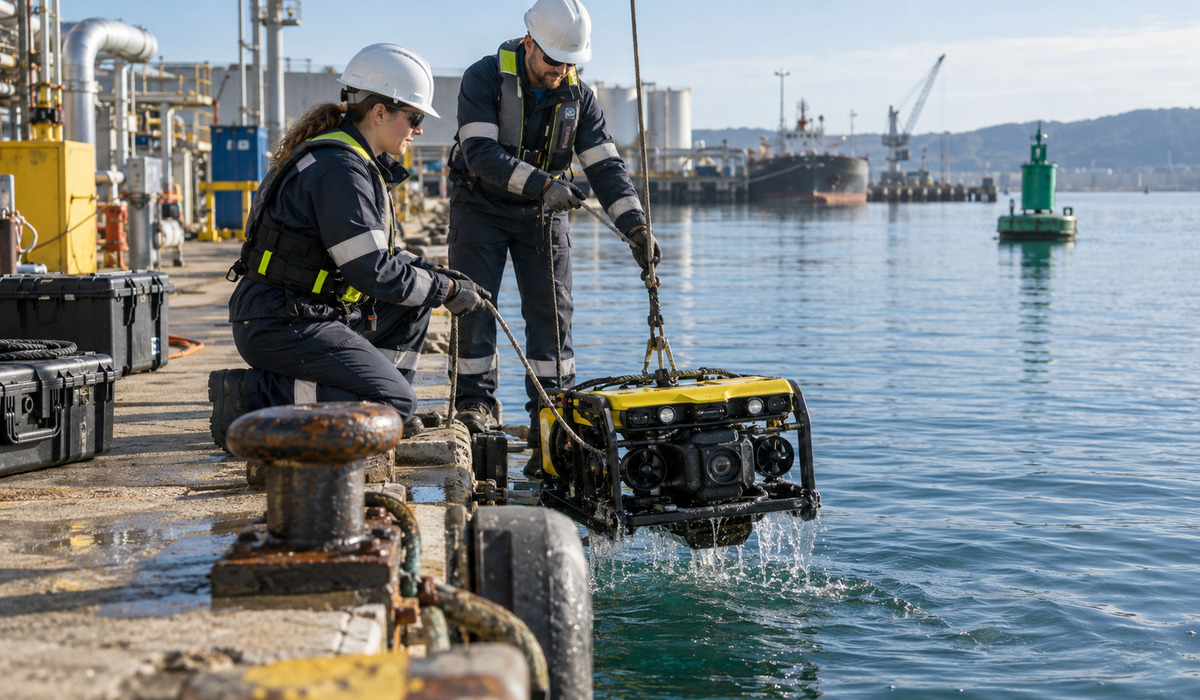
The assessment connected autonomous vehicles, underwater imaging and a digital evidence workflow to determine where unmanned inspection could become operationally viable.
Technical feasibility was only one part of the challenge. The capability also needed to fit the operator’s context, capture evidence that teams could trust and operate within port and maritime requirements.
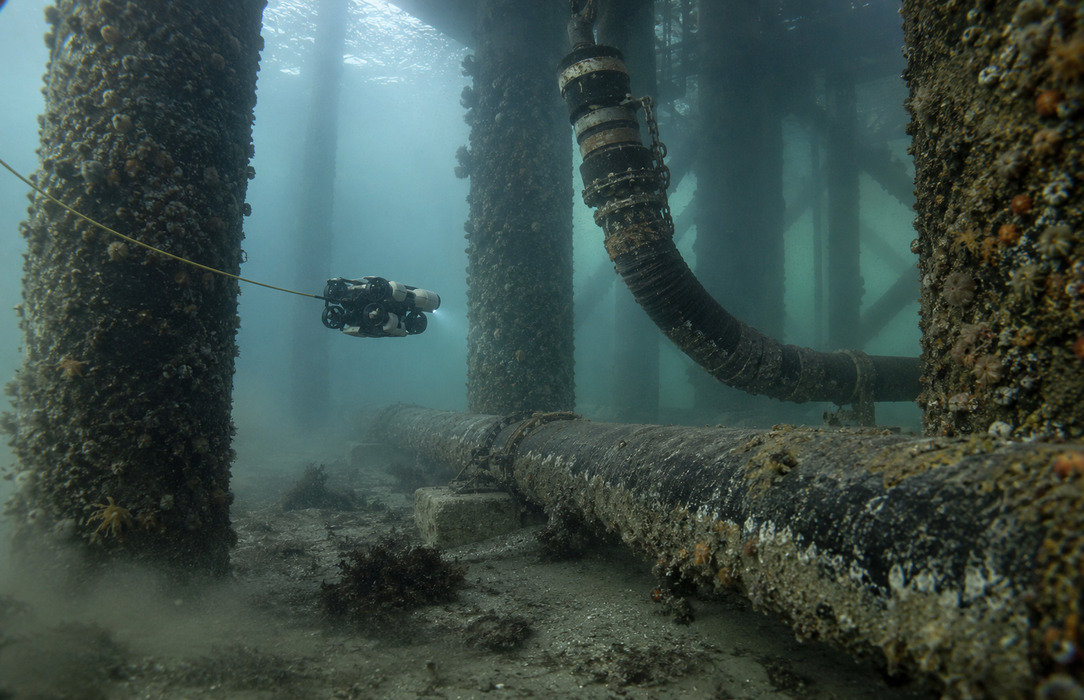
Piles, buoys and hose or pipe connections sit in environments where inspection can be slow, hard to standardize and constrained by safety and access.
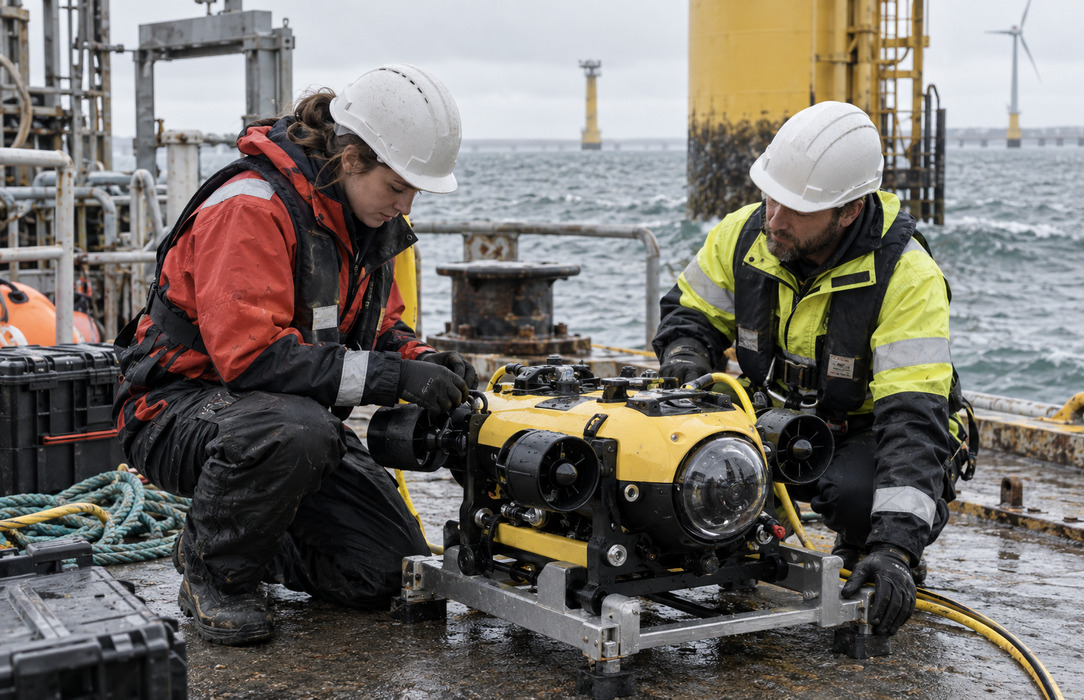
The assessment needed to establish where a lightweight autonomous vehicle could complement diver-based inspection or serve as an alternative, considering availability, cost and operating limitations.
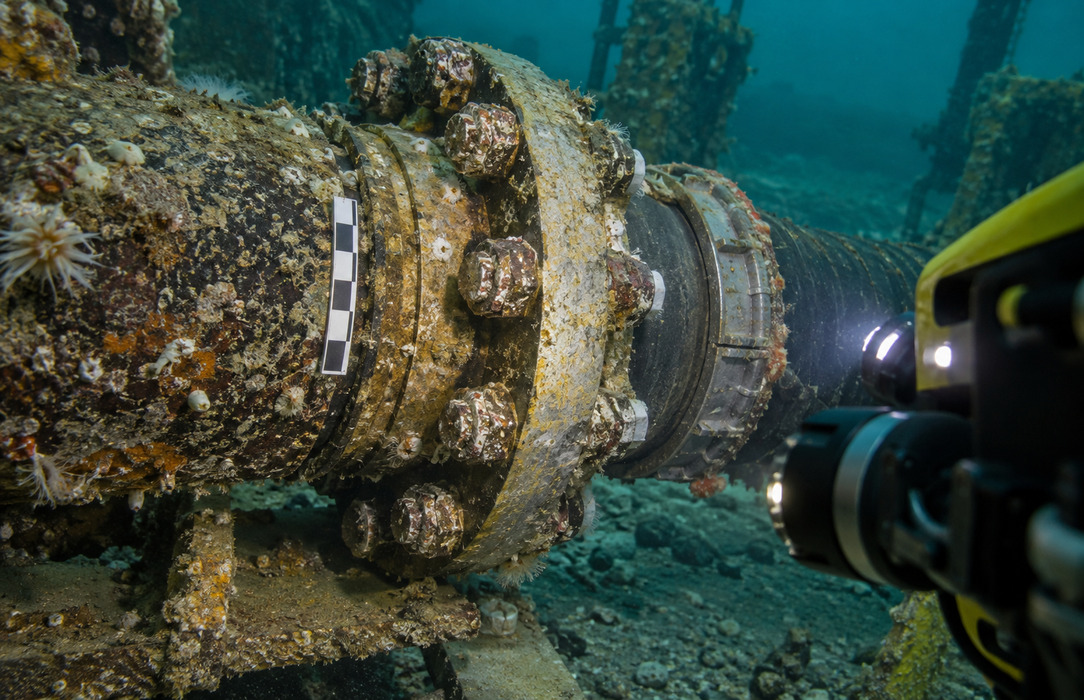
Physical-world data had to become traceable information that engineering, operations and maintenance teams could review, reuse and act on.
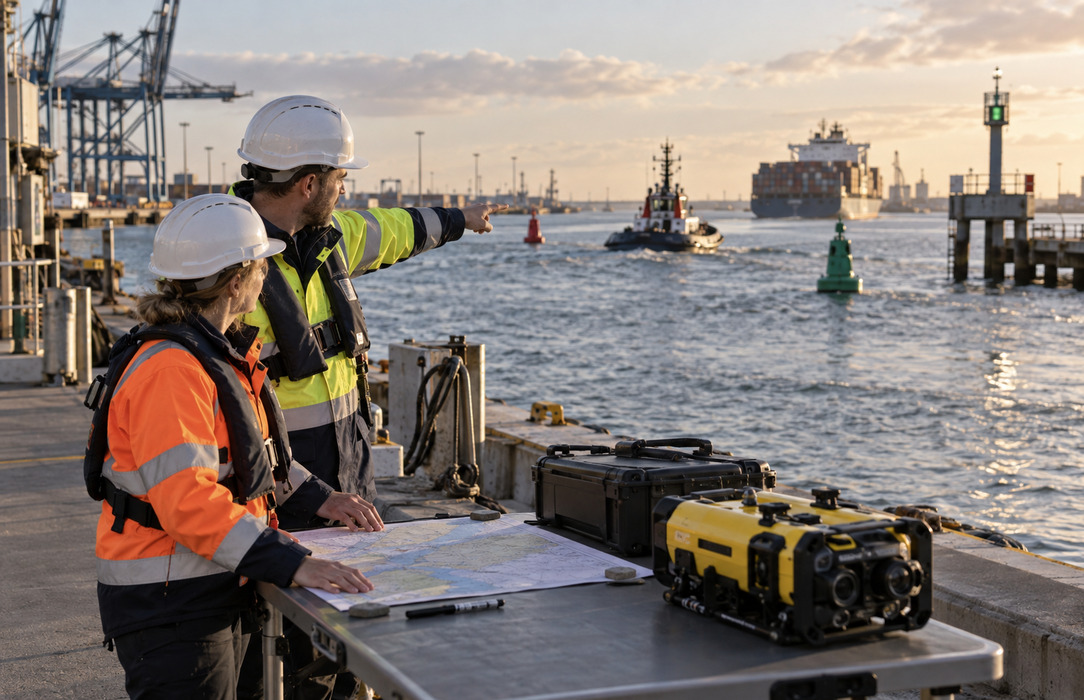
Any inspection mission had to account for the operating requirements and coordination needs of port and maritime authorities.
The assessment linked vehicle feasibility with the data, process and user workflow required to move underwater evidence from capture into operational review and follow-up.

Defined target underwater inspection scenarios across marine infrastructure, grounding the evaluation in specific assets and operating needs.
Assessed lightweight autonomous underwater vehicles and compared the approach with conventional diver-based inspection.
Combined field technology with a digital workflow for evidence capture, processing, review and operational follow-up.
Designed missions and procedures for repeatability, while considering the constraints and coordination required by port and maritime authorities.
The assessment gave the operator a clearer view of where unmanned underwater inspection can be viable. It also established a foundation for repeatable digital evidence capture, identified where human exposure to hazardous underwater tasks may be reduced and defined the constraints that must be addressed before operational scaling.
success stories