- All Foundries

- Commodity Management & Trading

- Customer & Marketing Strategy

- Digital Engineering

- Station Studio

- Supply Chain & Industry 5.0
- Sustainability

- Physical AI

- Next-Gen Infrastructure





Risk-Based Gas Network Maintenance Planning
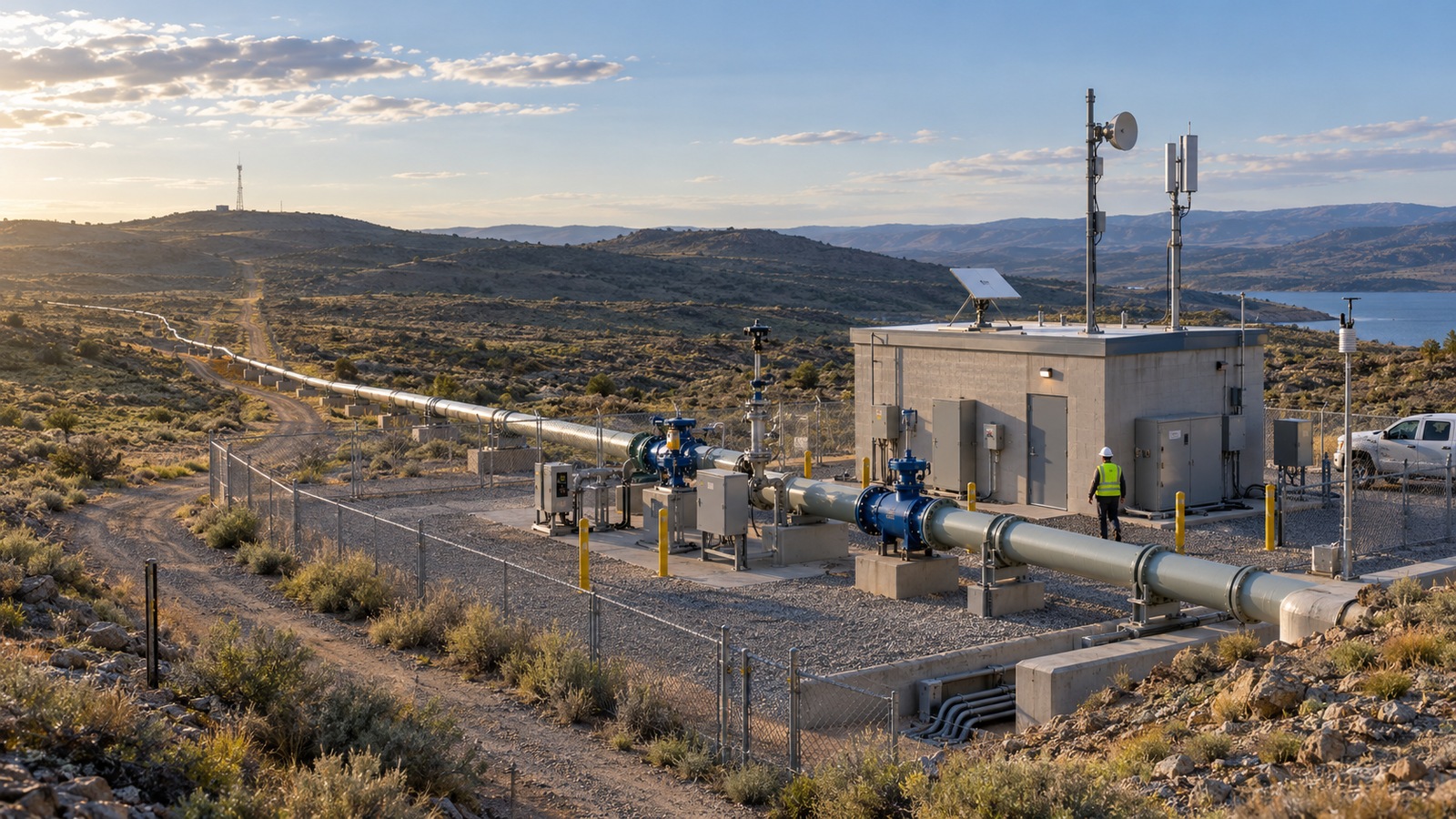
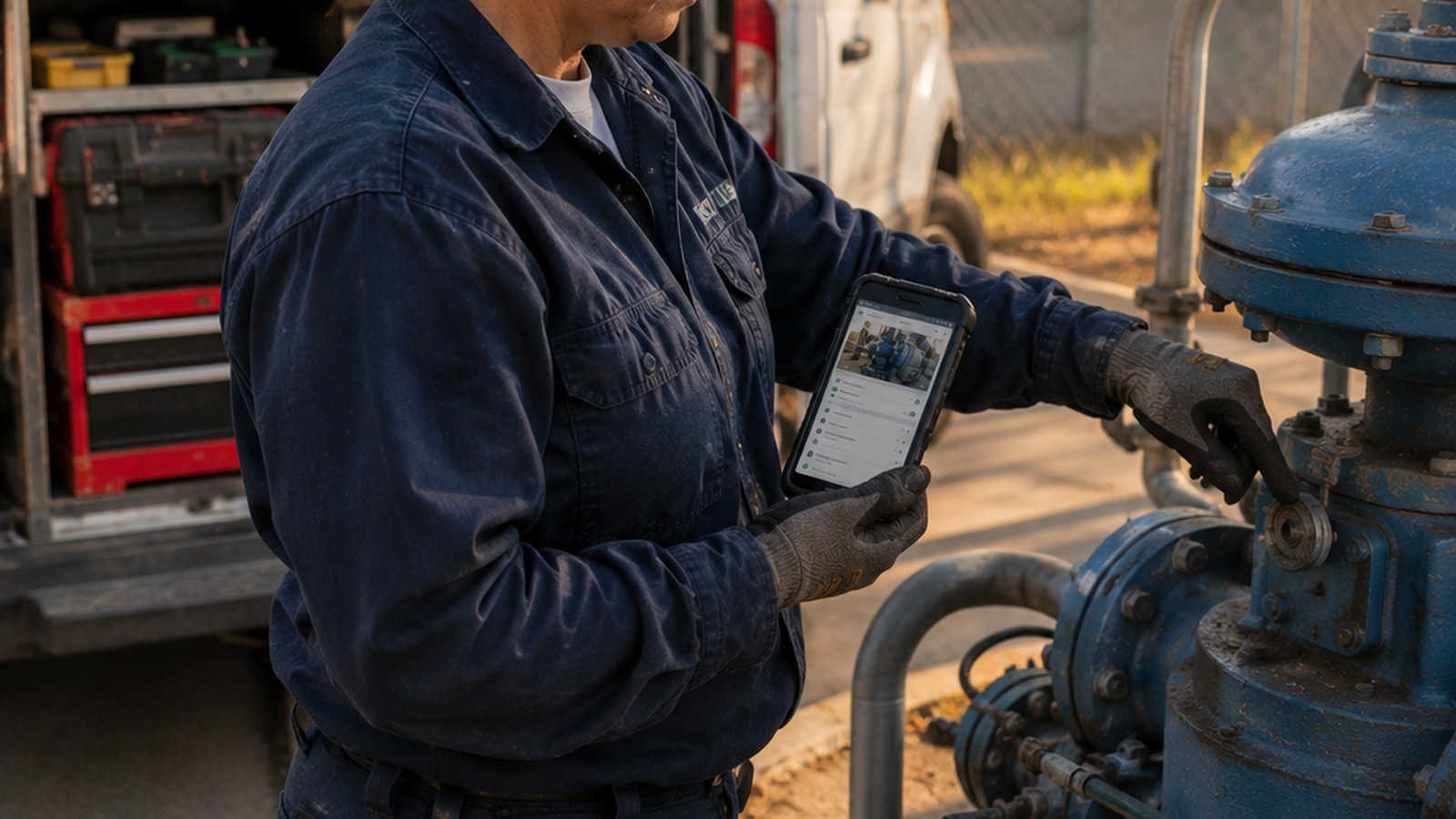
The initiative created a planning model that connects leakage risk, network segmentation, proximity and workforce capacity across annual and monthly horizons, giving maintenance teams a more adaptive basis for preventive action.
The operator needed to move from static inspection frequencies and manual scheduling to planning that could reflect network risk, changing conditions and workforce reality without losing confidence in how priorities were set.
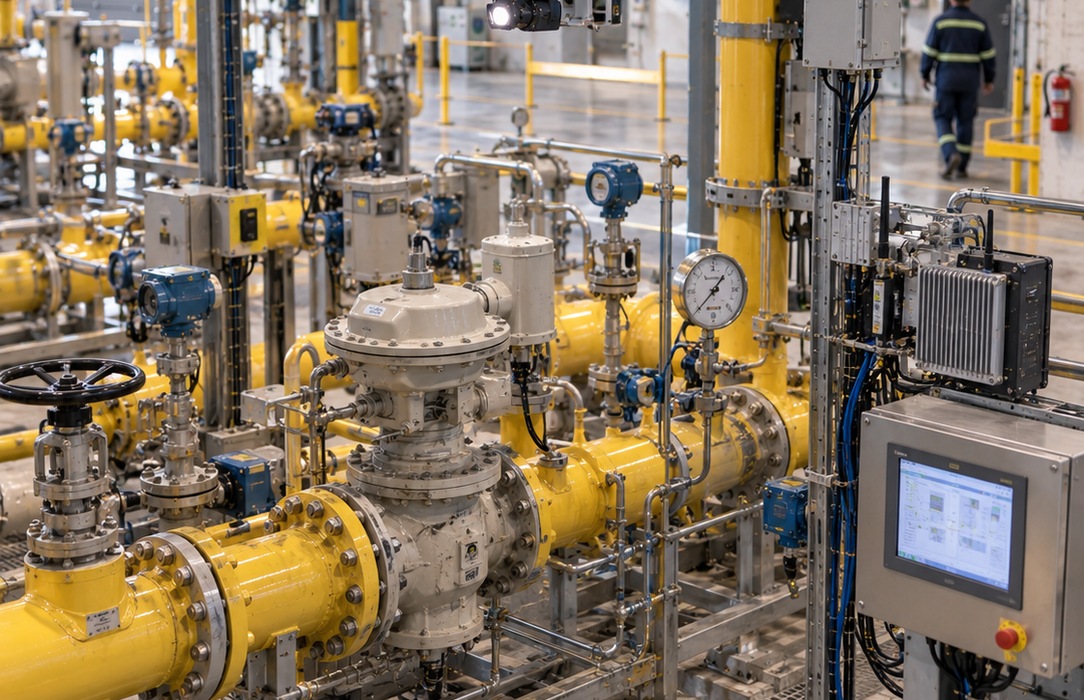
Fixed two- and four-year cycles did not fully account for leakage risk, material, gas type, connections, age, length or pressure.

Planning needed to respond to internal and external workforce constraints as well as changing operational conditions.
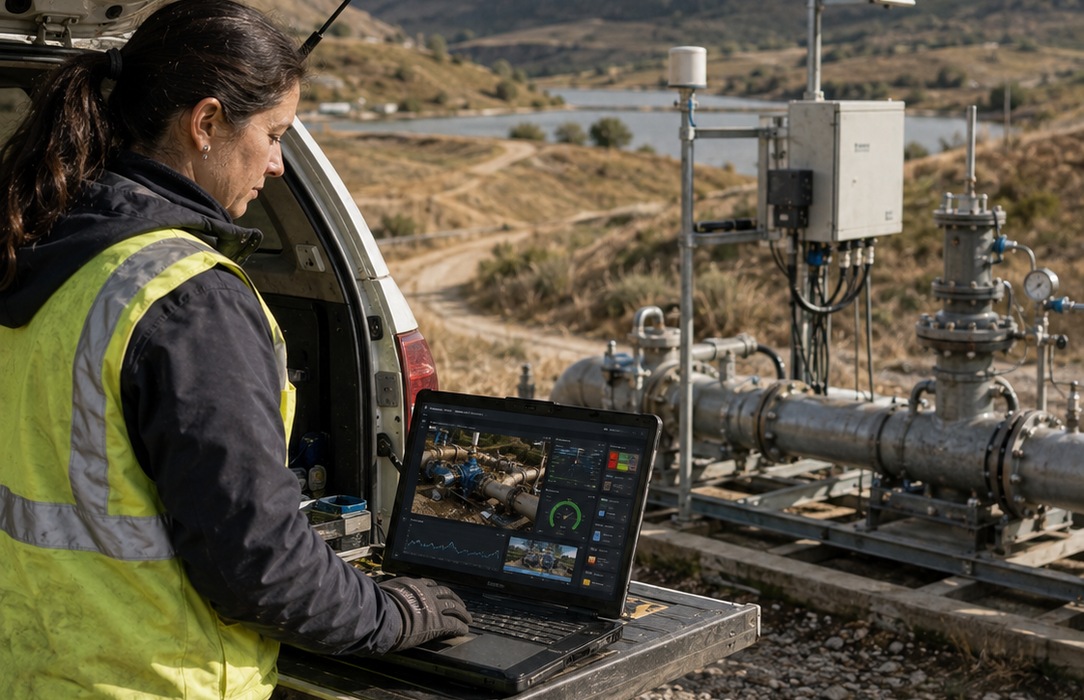
Asset, condition, maintenance and operational information was distributed across different systems, formats and organizational teams.
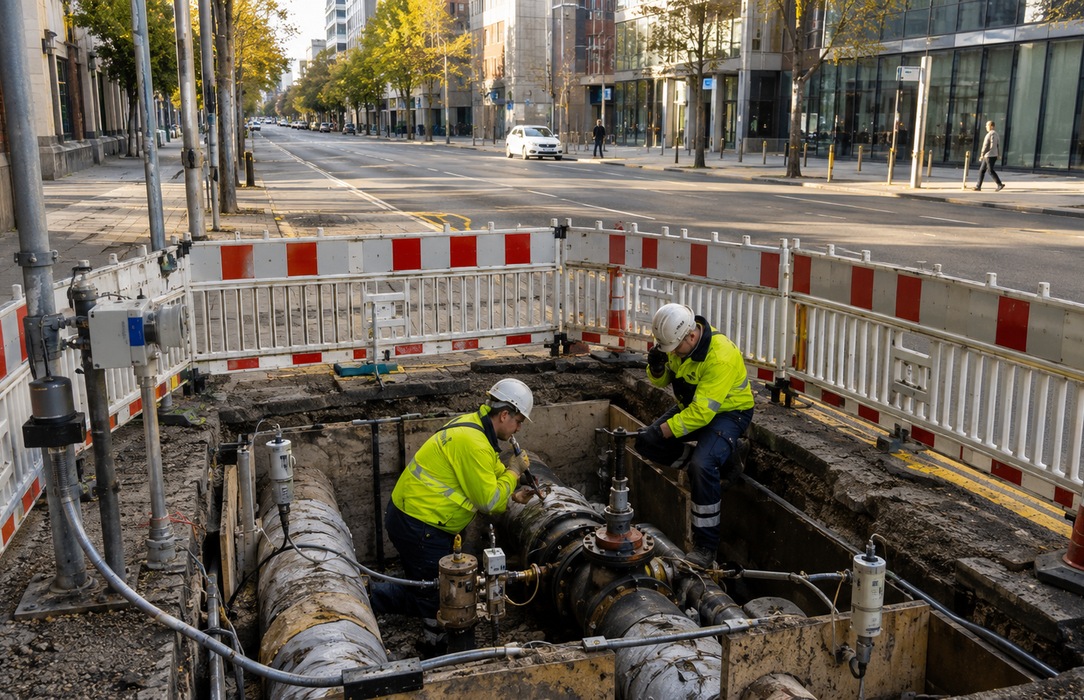
Work needed to be prioritized by risk and operational relevance while preserving traceability from evidence to maintenance or investment decisions.
The approach combined subsection-level risk modelling, segmentation, optimization and a common decision workflow so annual and monthly maintenance plans could be built, validated and adjusted consistently.

Built leakage-risk models at pipe-subsection level so planning could reflect the documented differences in network risk.
Created monitoring zones, optimized annual planning by frequency and proximity, and optimized monthly plans using workforce constraints and planning groups.
Integrated relevant asset and operational data into a common decision workflow and applied analytical or rules-based logic to identify priorities.
Provided a dashboard to validate and modify standardized plans, while connecting analytical insight with planning and maintenance execution.
The documented results include a 33% reduction in kilometres monitored per year and a 20% improvement in carbon footprint. The approach also enabled more adaptable maintenance planning under changing operating conditions and a standardized risk-based decision process, while focusing inspection attention according to risk.
success stories