- All Foundries

- Commodity Management & Trading

- Customer & Marketing Strategy

- Digital Engineering

- Station Studio

- Supply Chain & Industry 5.0
- Sustainability

- Physical AI

- Next-Generation Infrastructure


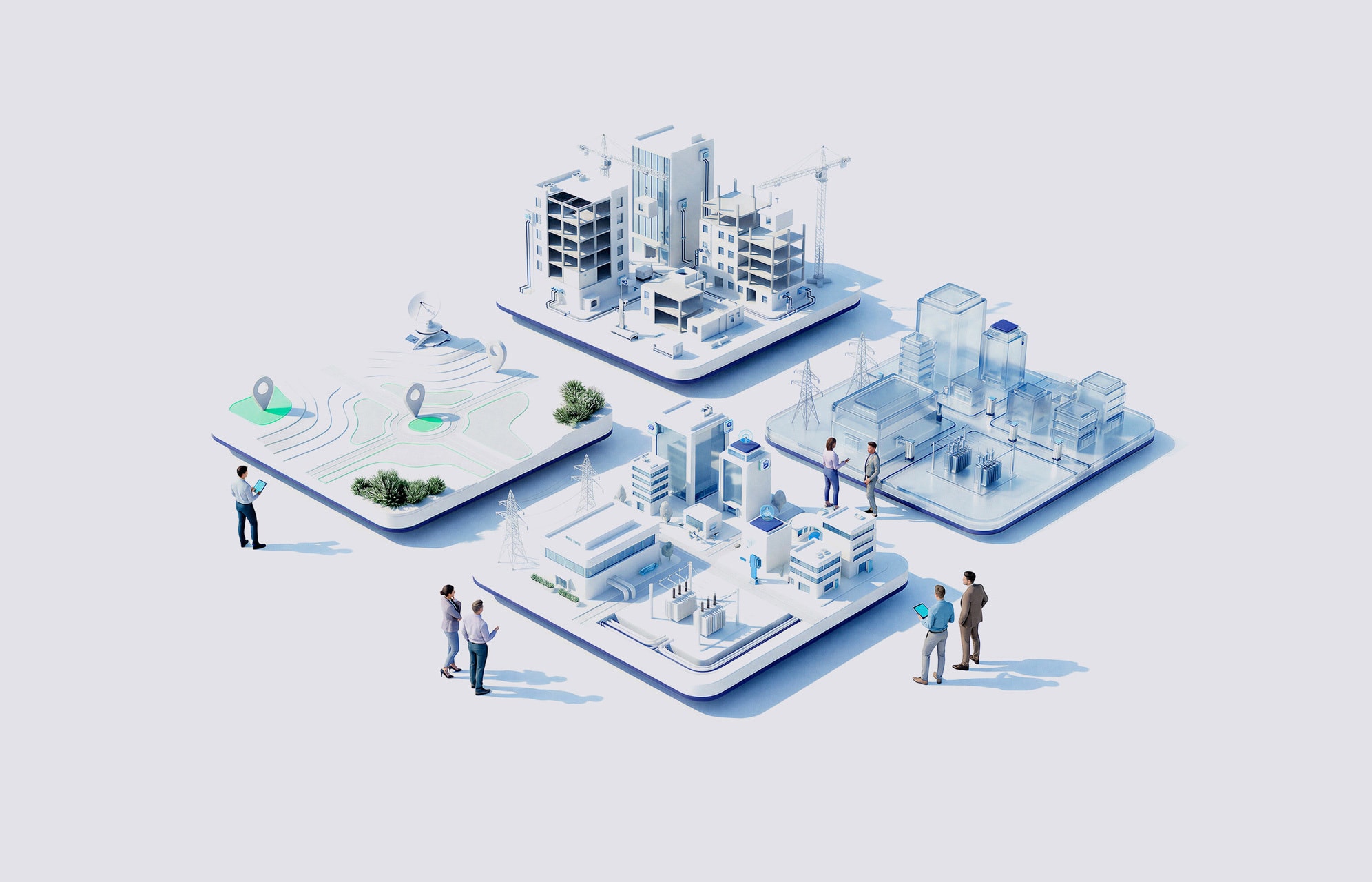
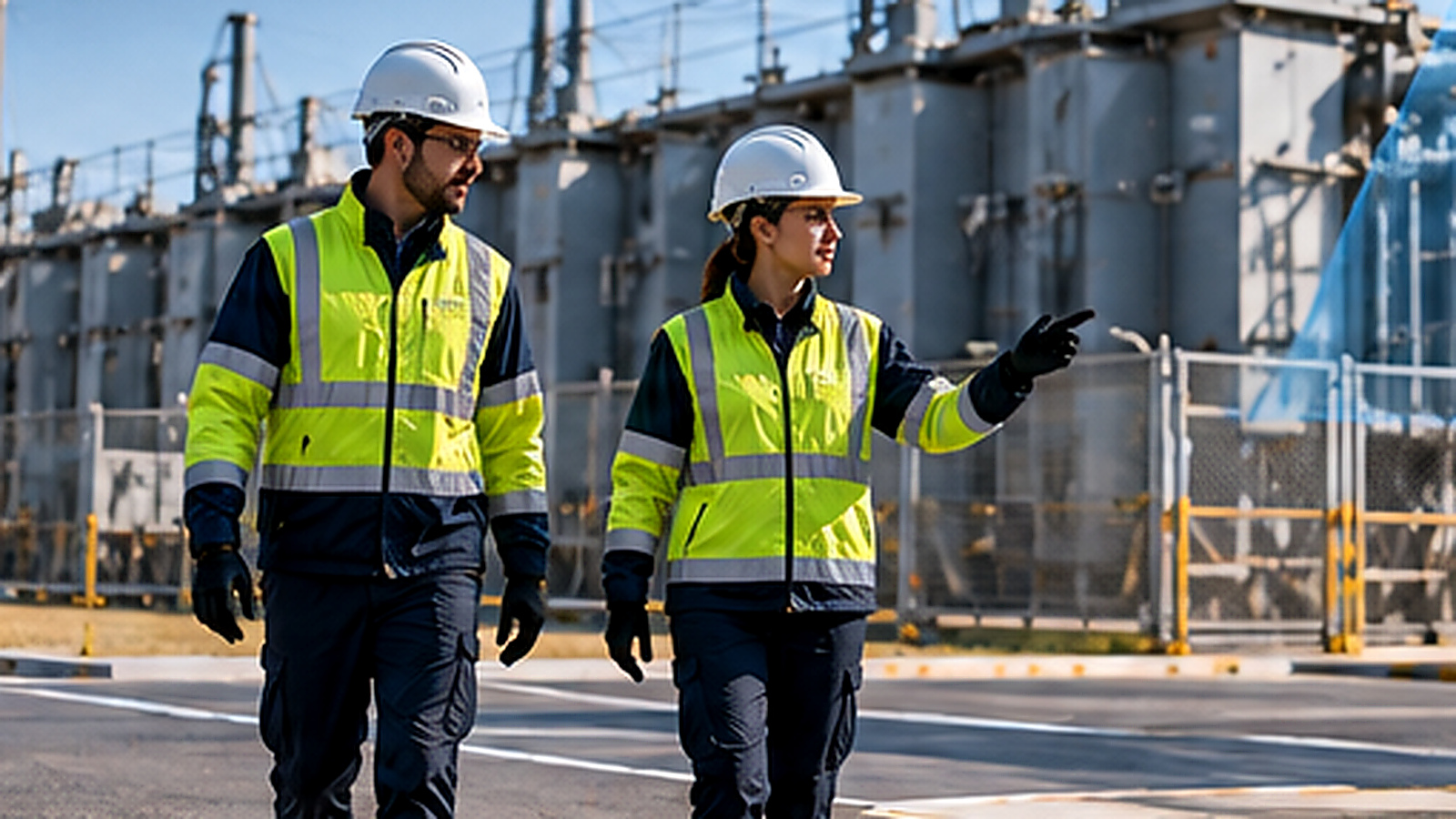
Augmented Reality for Field Maintenance
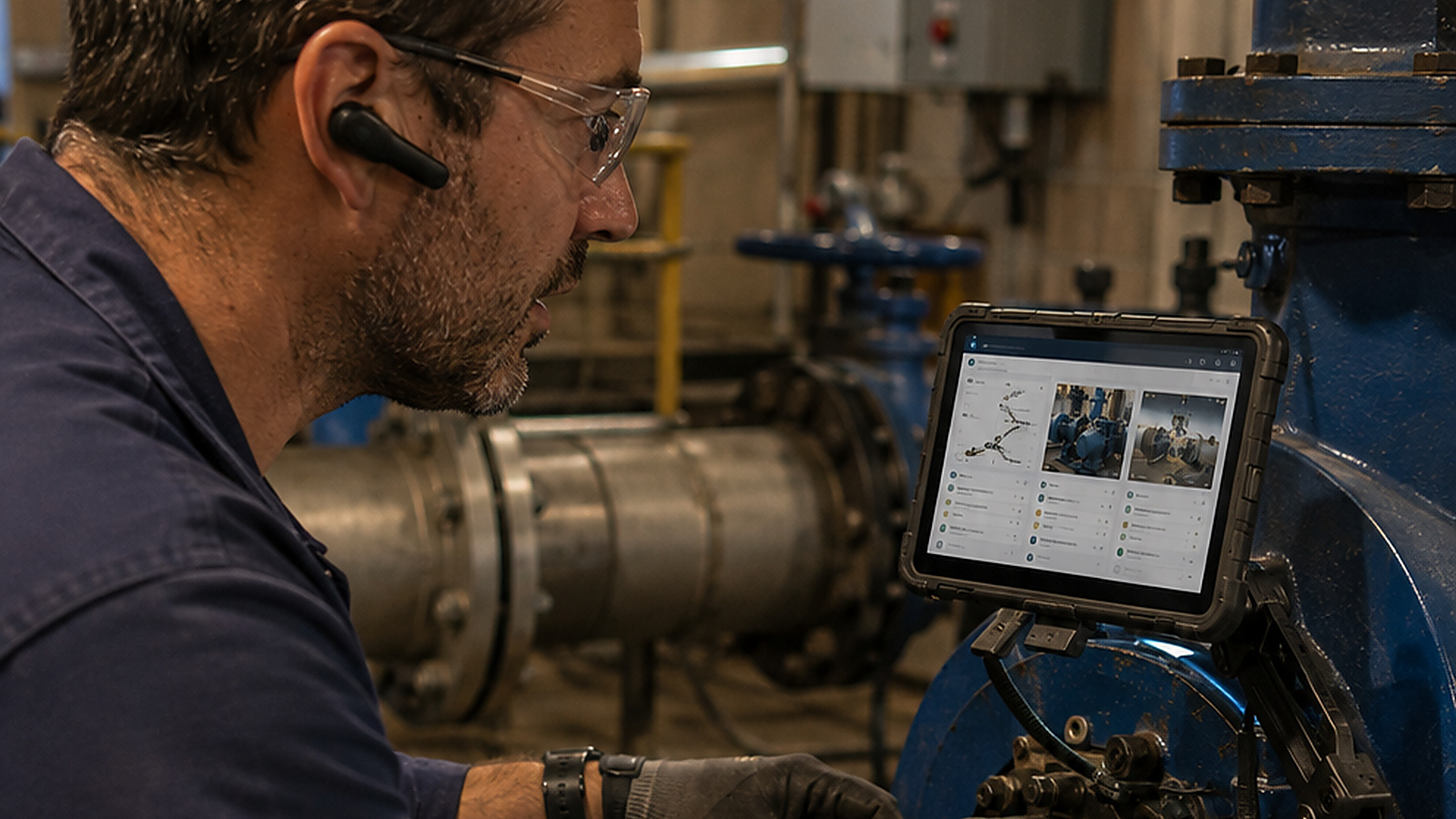
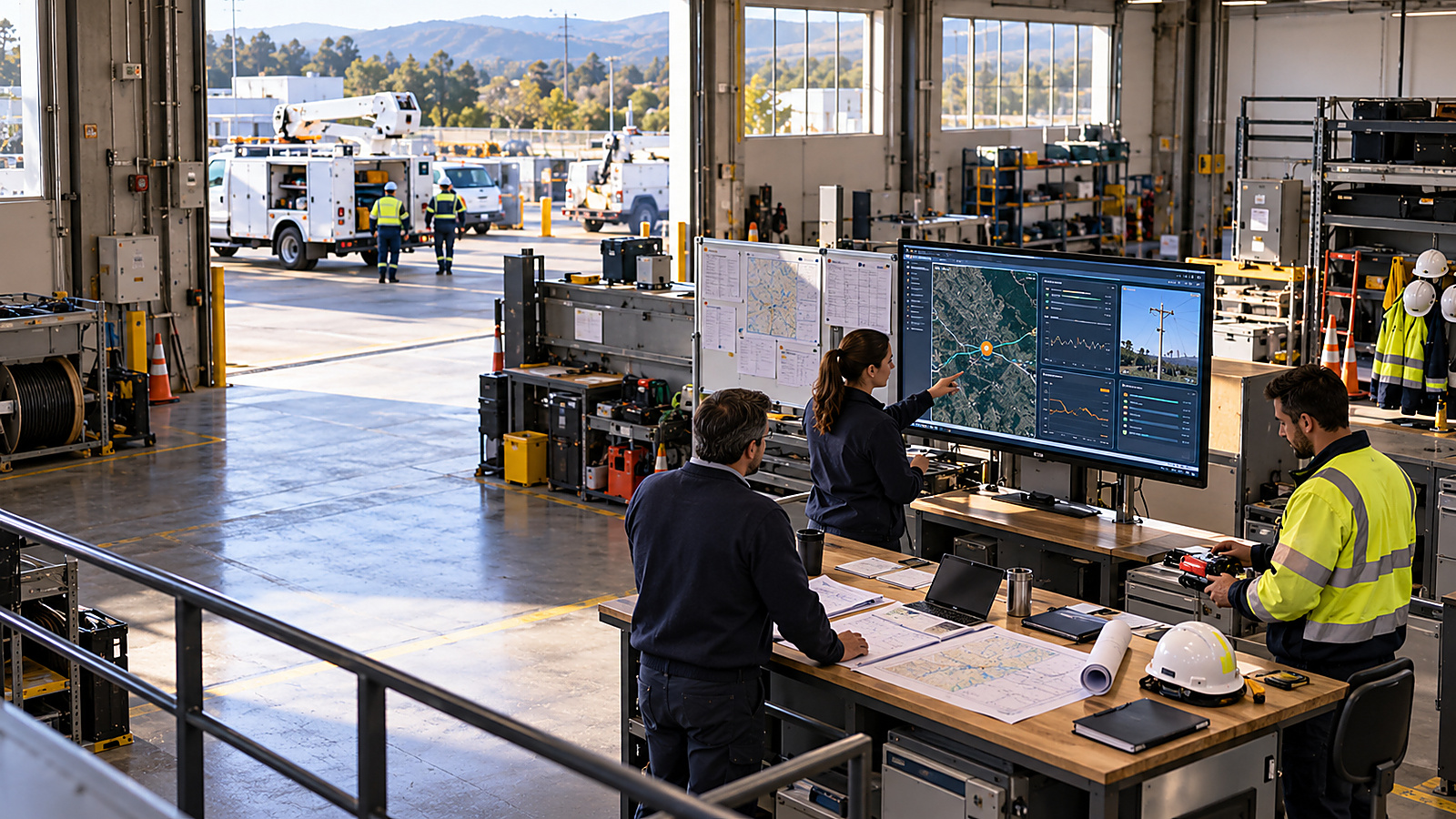
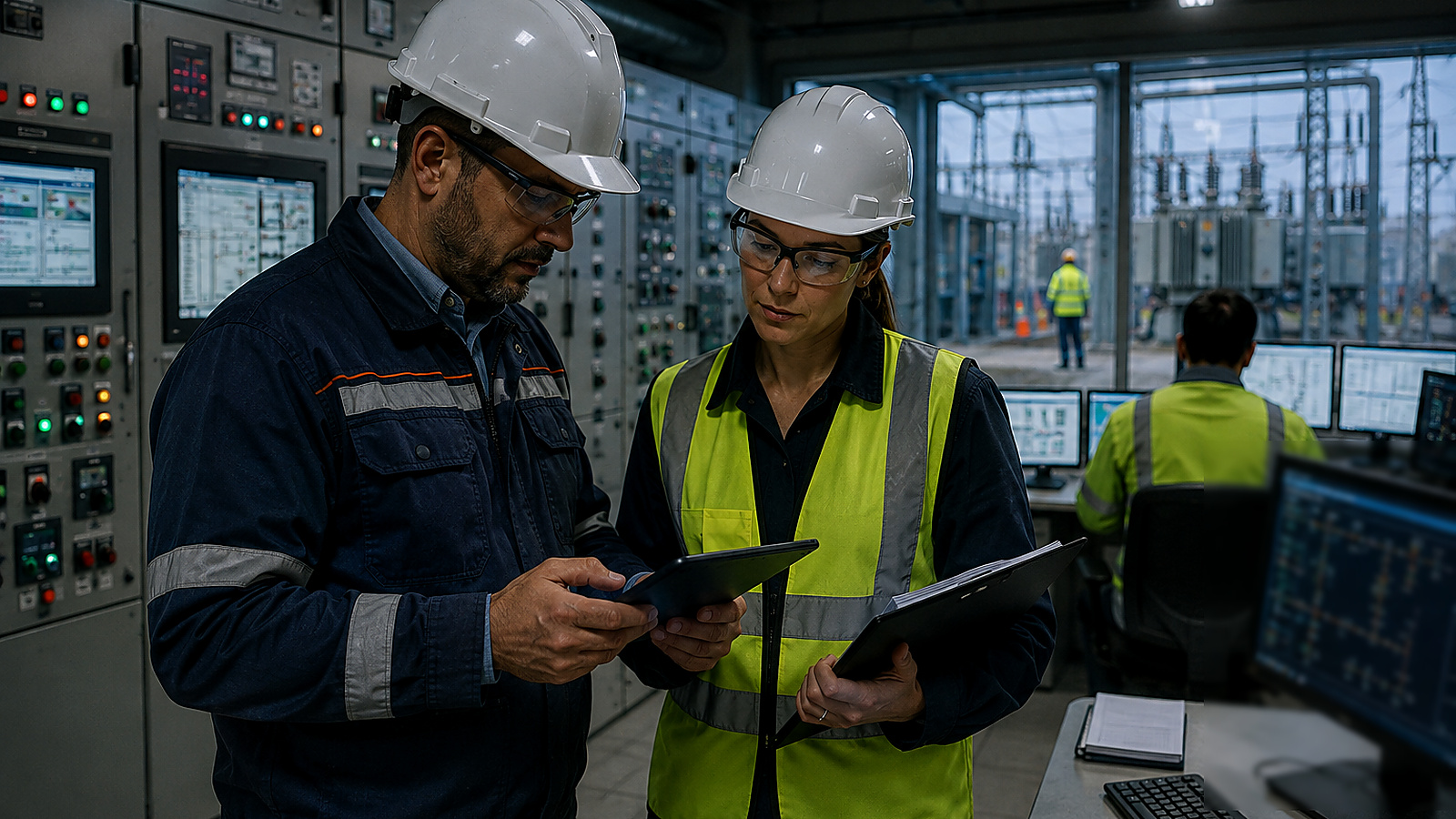
The augmented reality field support capability places contextual asset and maintenance information, guided procedures and remote expertise inside the technician workflow. By connecting smart glasses interfaces with operational data and digital documentation, it reduces repeated switching between the physical asset and separate systems.
The challenge was not simply to digitize documents. Information had to reach technicians in a usable, hands free form while they were working around operational equipment, without forcing repeated transitions between the asset, paper instructions and disconnected systems. The operating model also needed a practical way to bring expert knowledge into the field when specialist presence was limited.
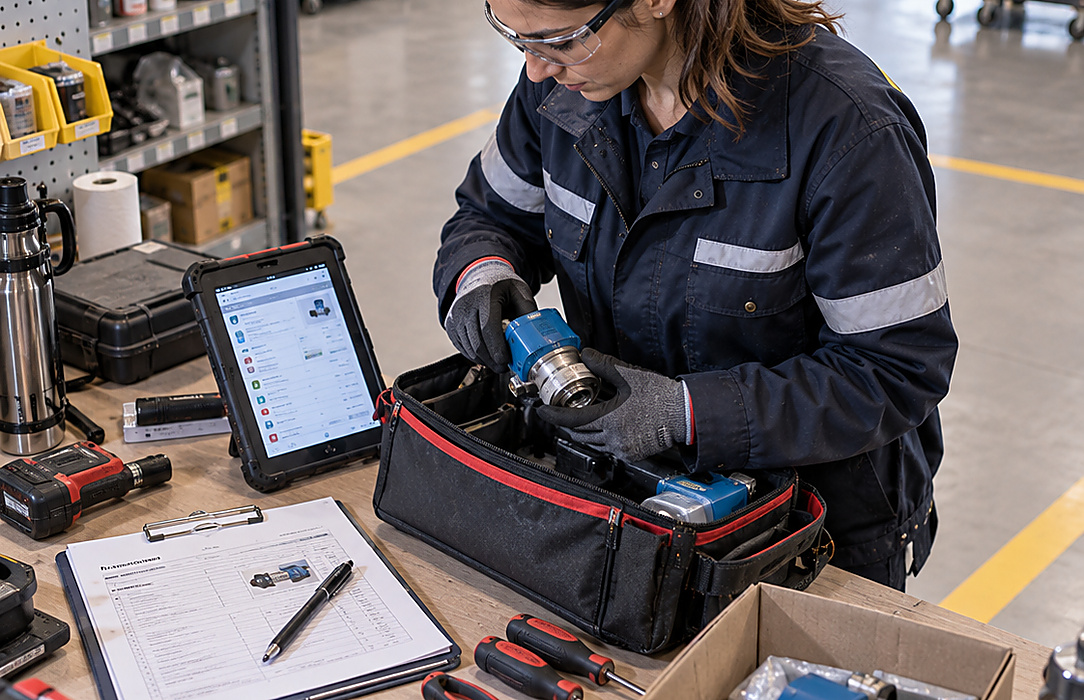
Drawings, work instructions, asset history and maintenance records were held in separate systems or paper documents, increasing the effort required to find the right context during a task.
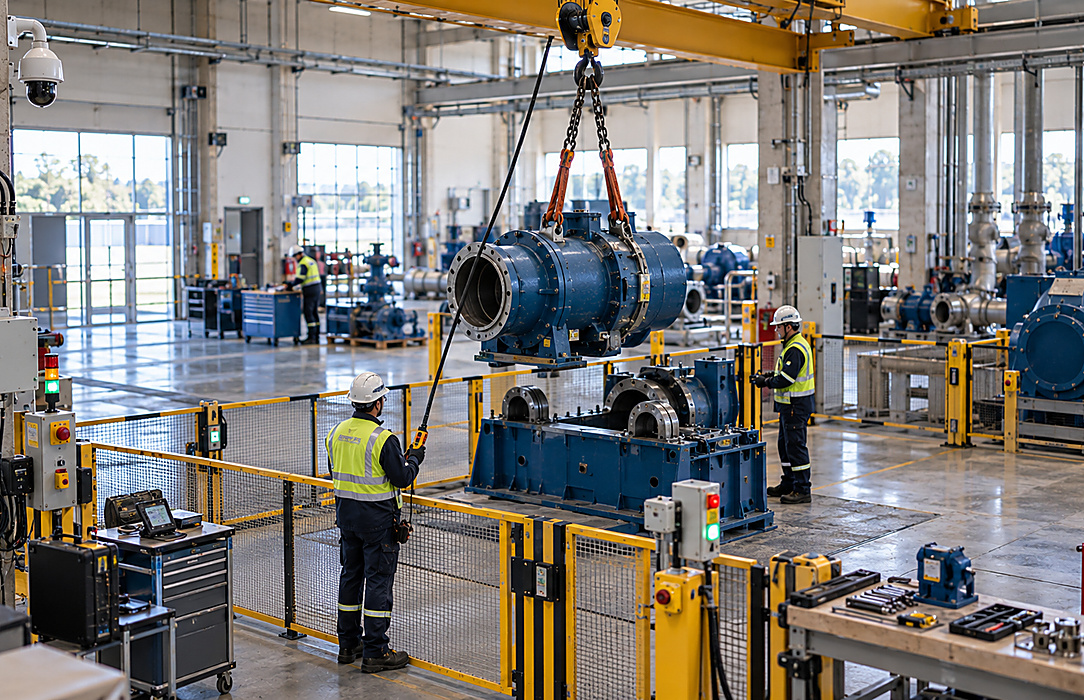
Technicians often need both hands and sustained attention on the physical asset. Conventional devices can interrupt the work sequence when information is needed at the point of execution.
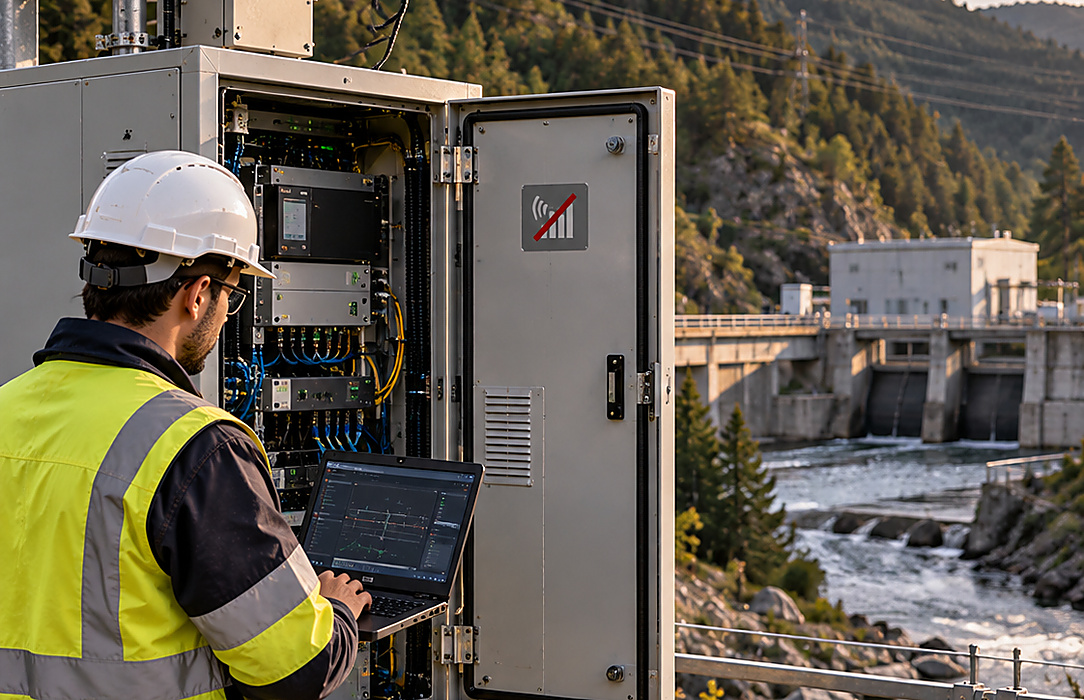
Complex inspection or repair activity may require expert input, yet sending specialists to every site is not always practical. Field teams needed a direct path to remote guidance.
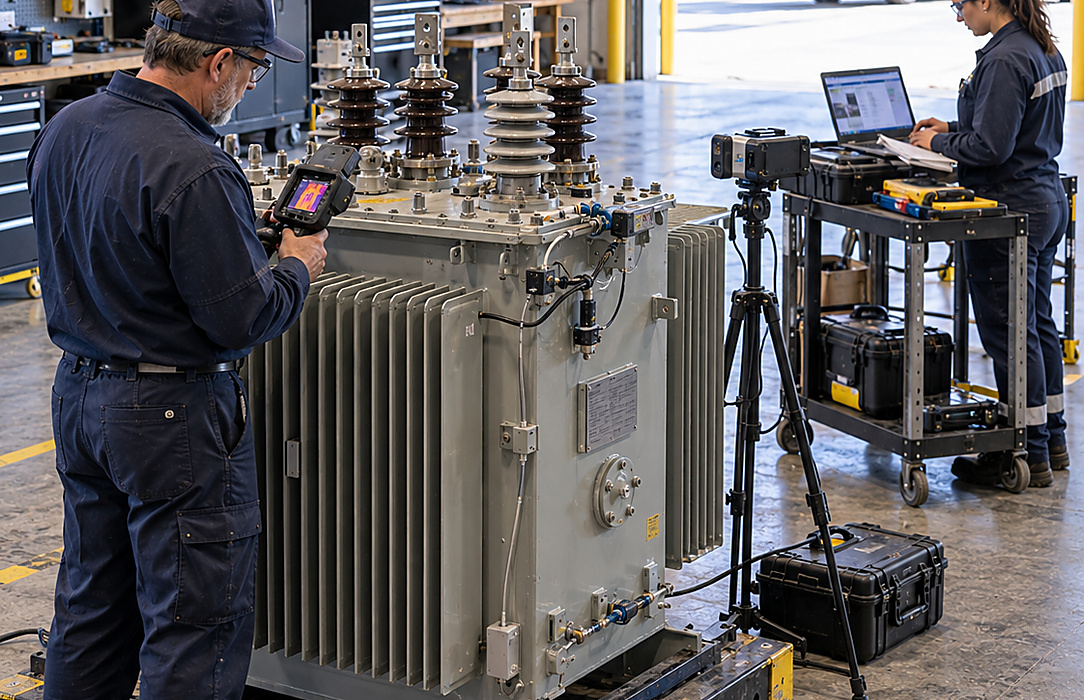
Moving between the asset, documentation tools and back office support can break continuity, create task friction and lengthen diagnosis or execution.
The solution placed contextual information and guided support in the technician’s field of view, connected that experience to asset data and digital documentation, and enabled remote expert participation when on site presence was impractical.

Presented relevant asset and maintenance information through AR and smart glasses interfaces, bringing digital context into the physical work environment.
Supported inspection and maintenance sequences directly within the technician’s line of sight, helping teams follow the intended procedure while remaining engaged with the task.
Linked the field experience with operational and asset data, drawings, work instructions and digital records, reducing dependence on separate tools during execution.
Enabled remote or immersive expert support so field technicians could access specialist guidance when physical presence was not practical.
The documented outcomes are qualitative: improved access to trusted information at the point of maintenance, reduced task switching between the asset and separate documentation tools, and stronger consistency in guided field procedures. The capability also creates a foundation for remote assistance and richer connected worker workflows across future maintenance scenarios.
success stories