- All Foundries

- Commodity Management & Trading

- Customer & Marketing Strategy

- Digital Engineering

- Station Studio

- Supply Chain & Industry 5.0
- Sustainability

- Physical AI

- Next-Gen Infrastructure




Machine vision for paint finish inspection
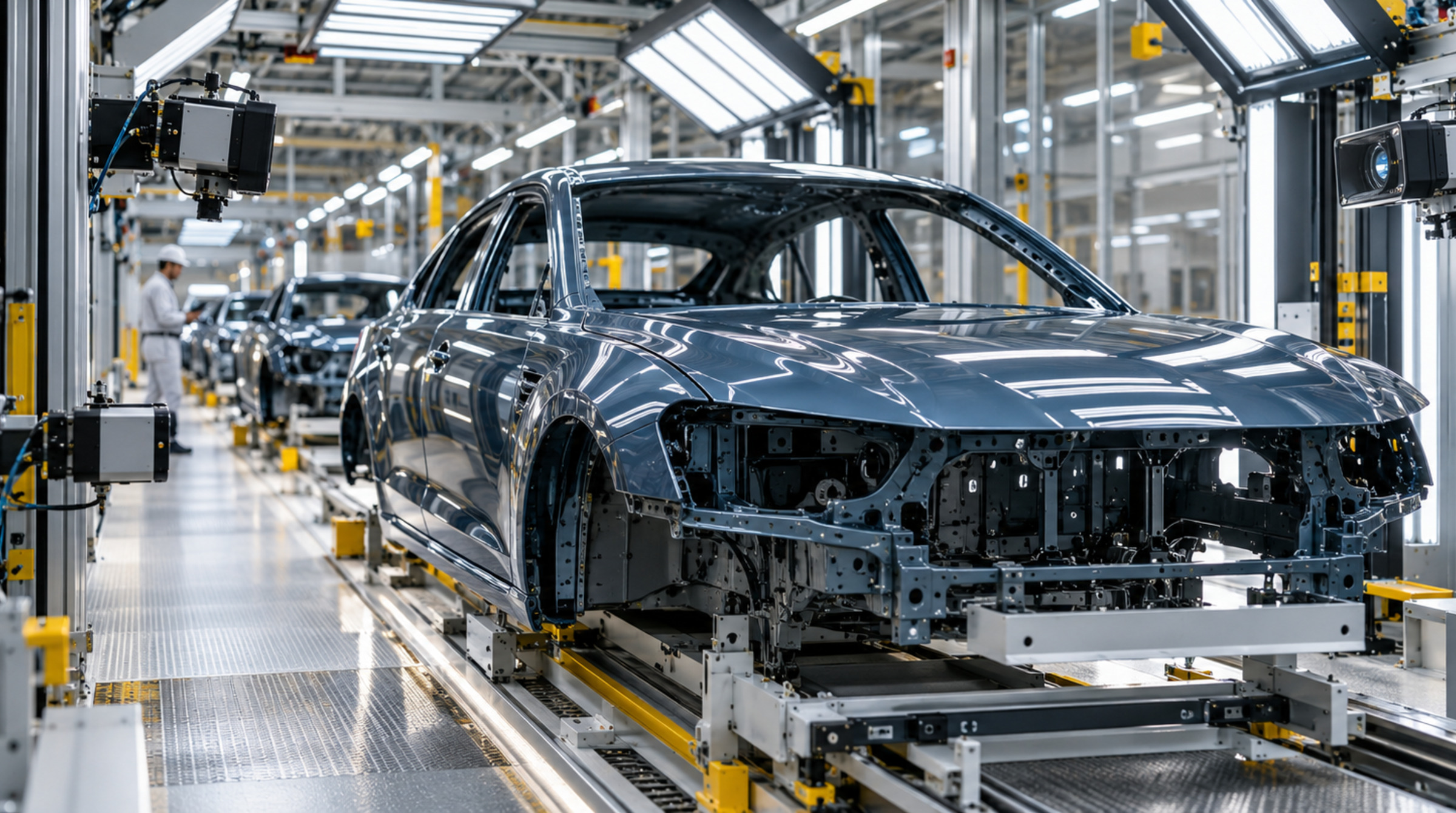
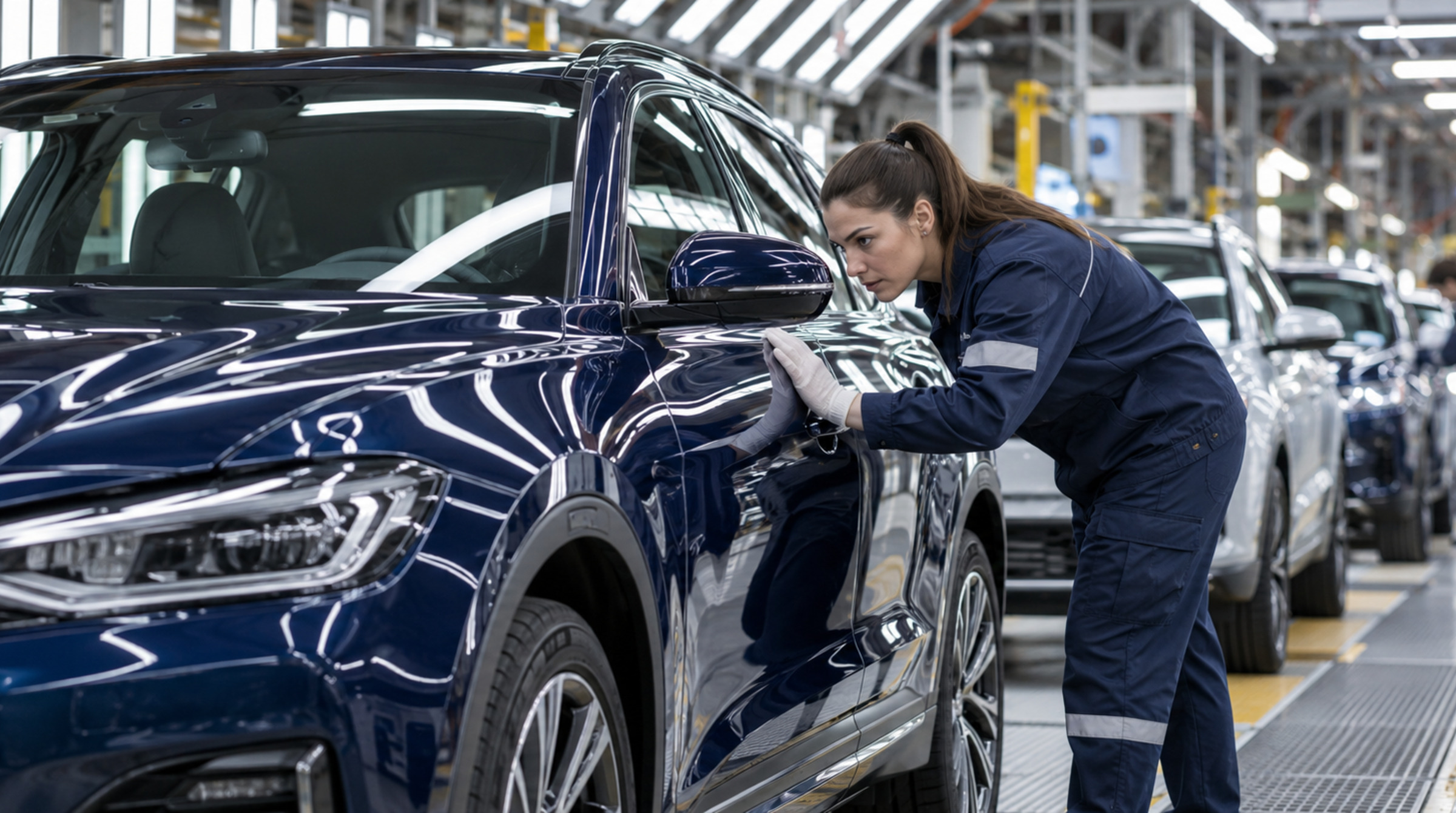
A connected inspection environment designed to keep high-resolution image traffic moving and quality decisions close to the finishing line.
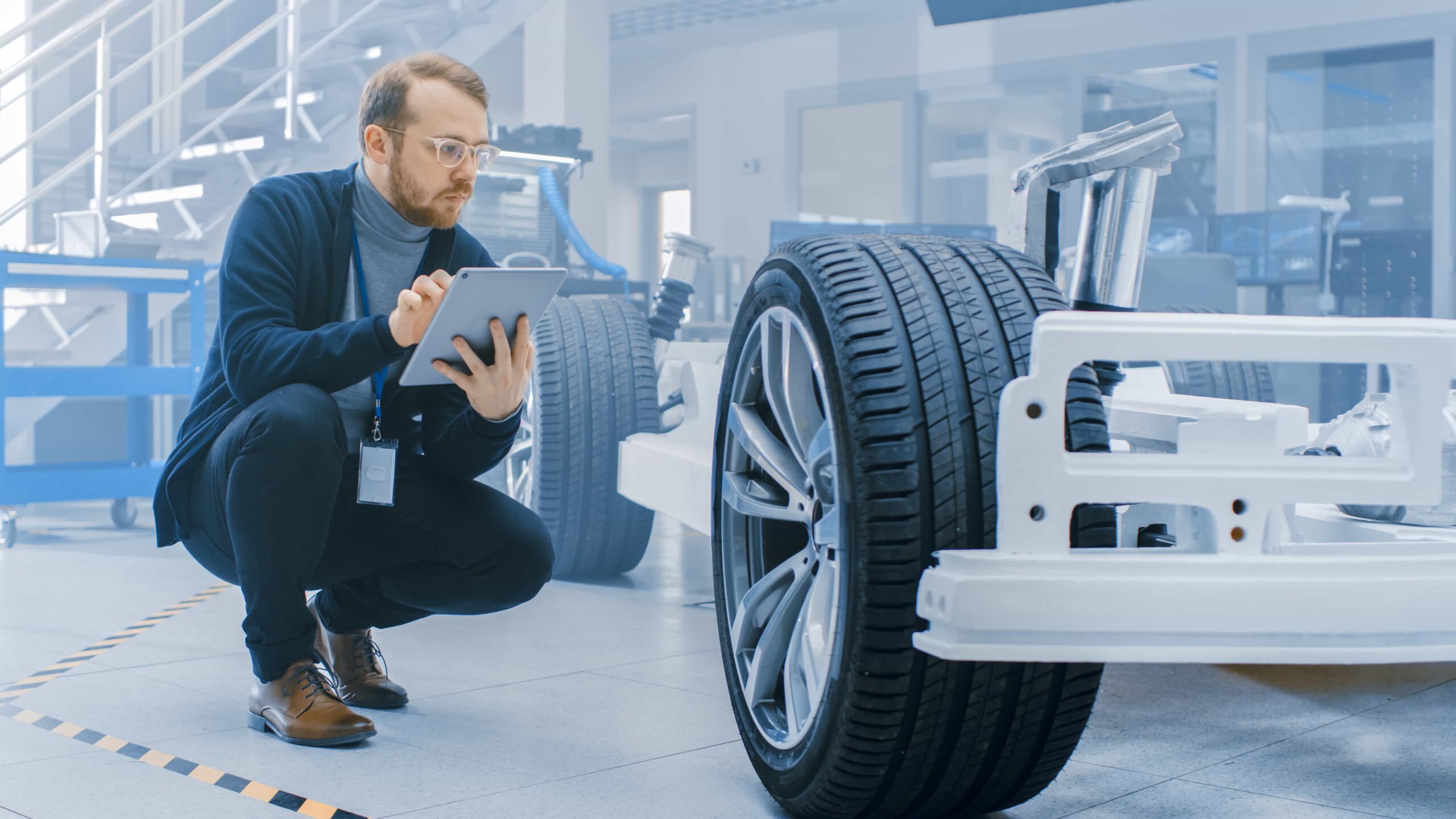
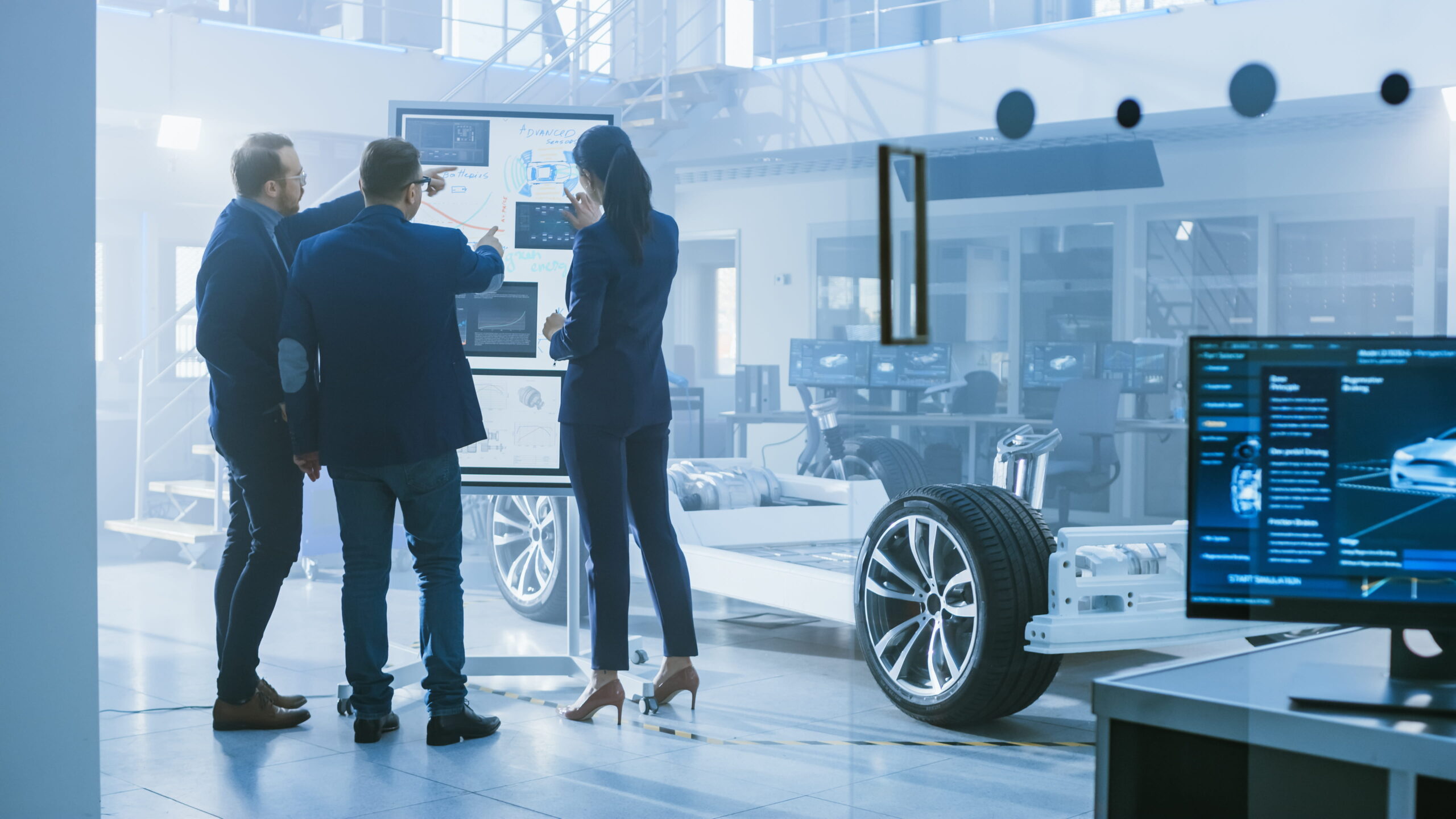
Paint inspection sits at a demanding point in automotive production. The solution needed to examine every vehicle before release, move high-resolution video through a metal-intensive factory environment and support decisions without interrupting the finishing line.
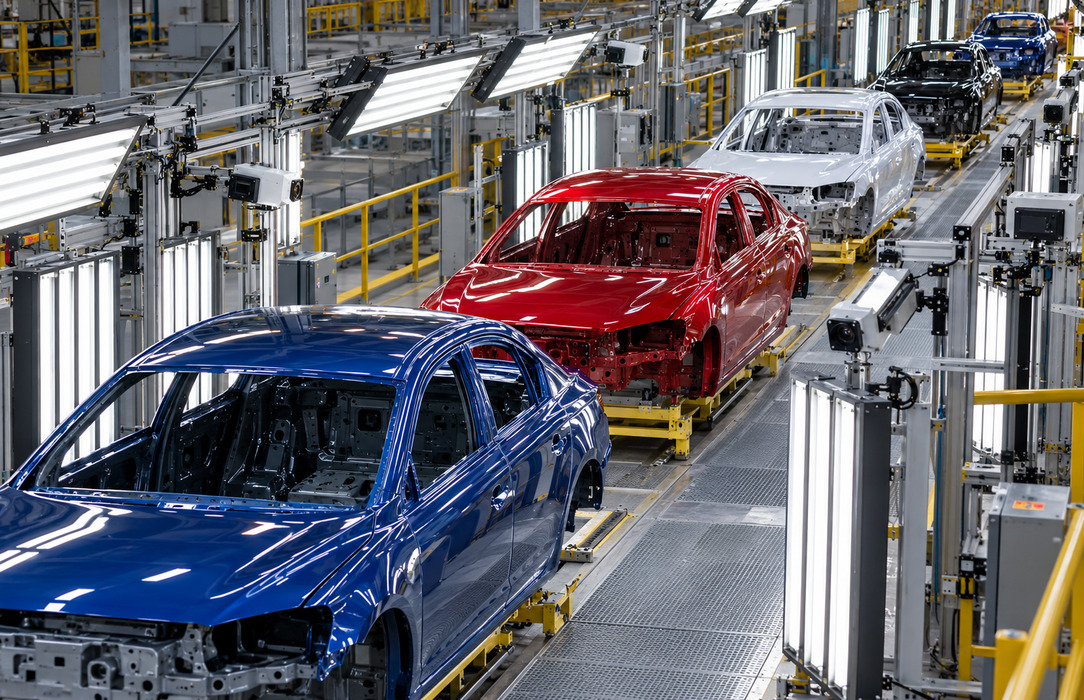
The manufacturer produced a high volume of vehicles each day, and each vehicle required paint finish inspection before release.
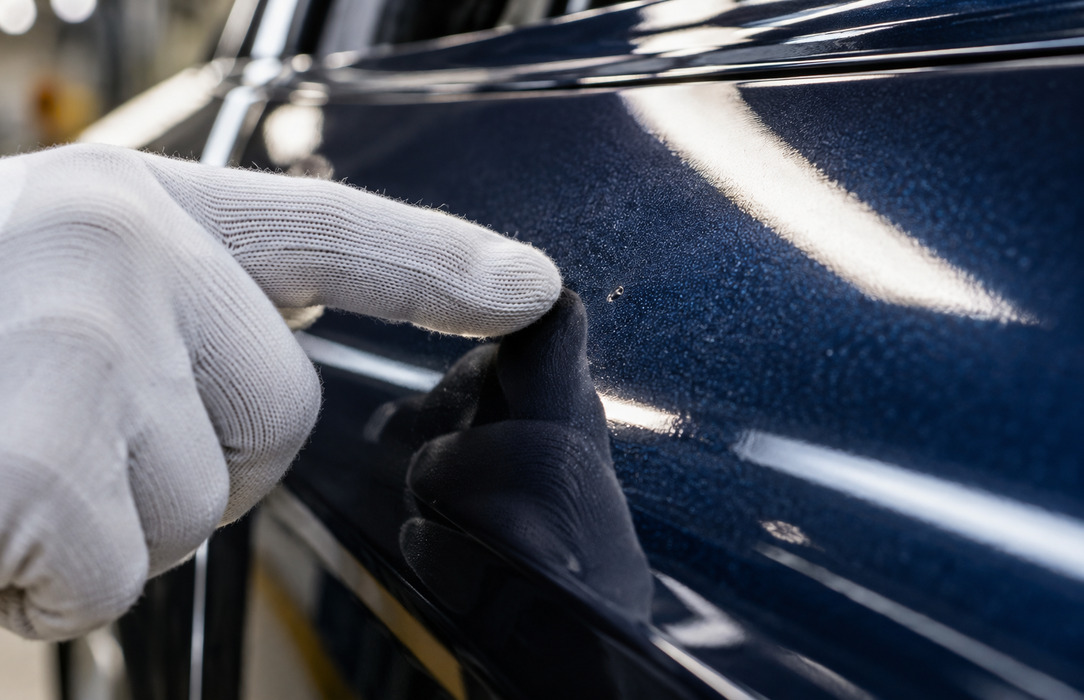
The initiative needed an automated method capable of identifying several paint quality issues while reducing the exposure to human error in manual inspection.
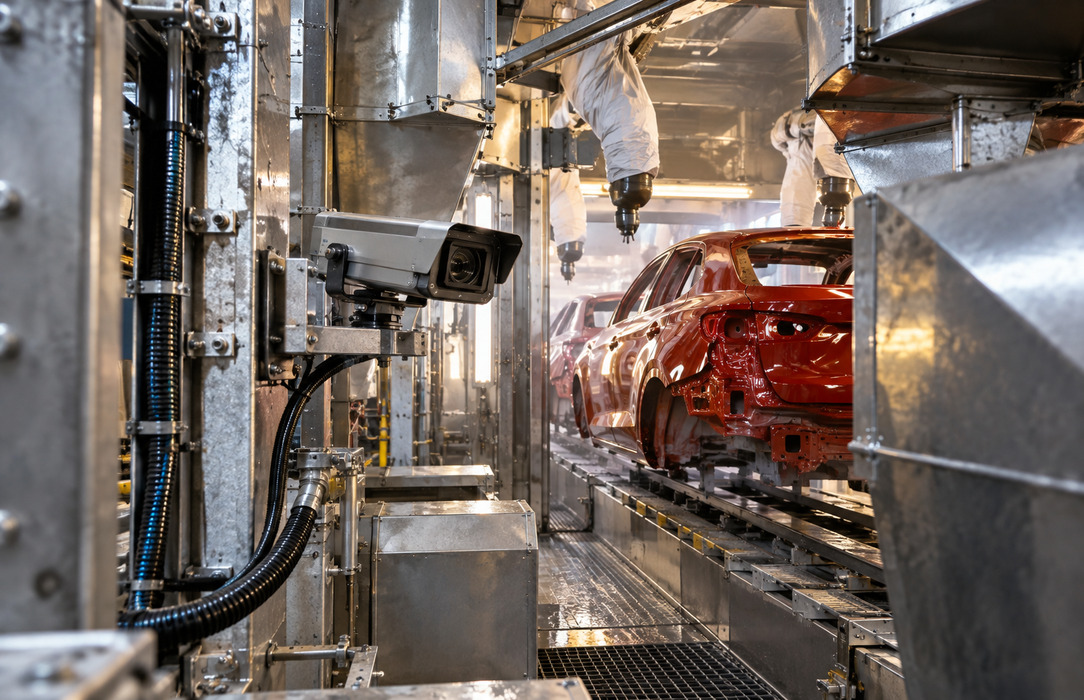
Camera placement in the finishing line required wireless coverage in a radio-frequency-hostile location and enough bandwidth for high-resolution video.
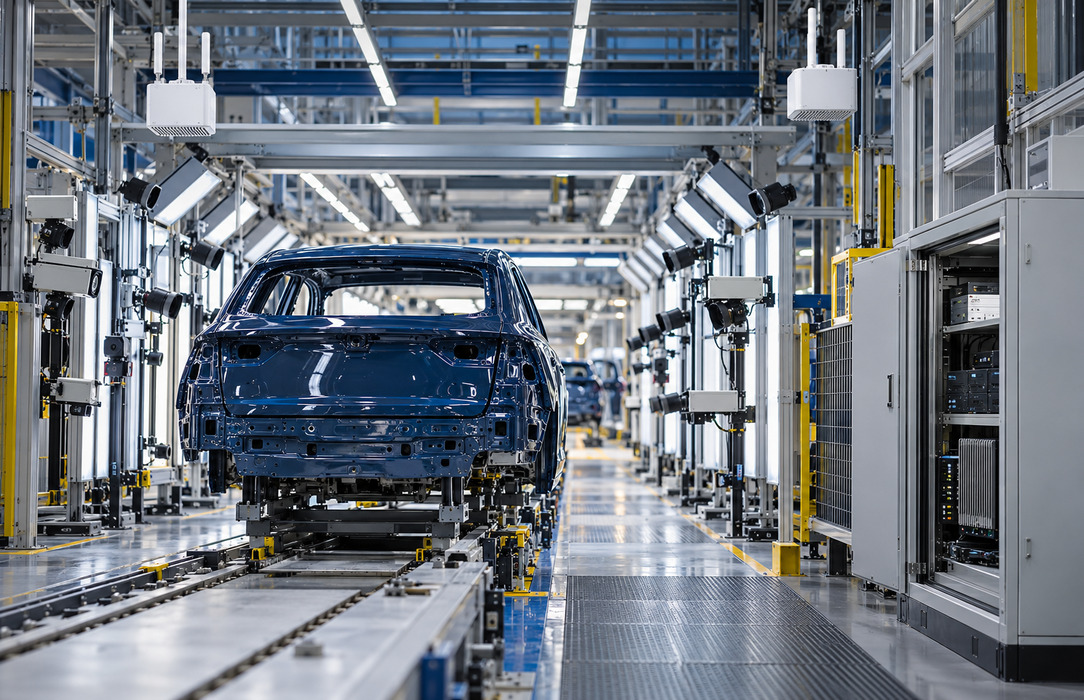
The inspection flow required responsive edge processing, protected video traffic and resilient coverage so that connectivity would not become a weak point in production.
NTT deployed a private 5G network in the paint inspection section of the finishing line. The network connected high-definition cameras to an edge compute system, where an AI model analysed the video for paint quality issues.

High-definition cameras captured the paint finish as vehicles moved through the inspection section, supporting automated review within the production process.
The cameras sent high-resolution video to an edge compute system, where images were analysed against an AI model to detect several paint quality issues.
The private 5G deployment provided coverage for camera placement in an RF-hostile environment and the bandwidth required by the video workload.
Enterprise slicing protected video traffic over the wireless interface, while overlapping adjacent radio cells provided coverage resilience alongside the design’s hardware and software resilience.
According to the source, the client improved the overall efficiency of paint inspection and detected errors with greater accuracy. The catalogue also reports fewer vehicles being recalled from dealerships because of paint issues. No baseline, measured improvement, timeframe or attribution method is provided, so these outcomes should remain qualitative until the client validates the supporting evidence.
success stories