- All Foundries

- Commodity Management & Trading

- Customer & Marketing Strategy

- Digital Engineering

- Station Studio

- Supply Chain & Industry 5.0
- Sustainability

- Physical AI

- Next-Gen Infrastructure













From mining response to repeatable operating capability
It does not yet prove that the next team, facing a similar but not identical event, will reconstruct the same reasoning quickly enough.
Institutionalizing a response does not mean converting expert judgment into a rigid procedure.

It means making the reusable parts visible: what condition triggered the response, which consequences mattered, what options were open.
The organization can preserve expert judgment while reducing the amount of reasoning that must be reinvented in the next exception.
It shows why human capability and institutional capability are different assets, and how to connect one to the other over time.
Only when the pattern becomes sufficiently understood should automation begin absorbing parts of the response under supervision.
How NTT DATA helps
Work backwards from an operating episode to expose the condition, alternatives, trade-offs, authority, action and outcome.
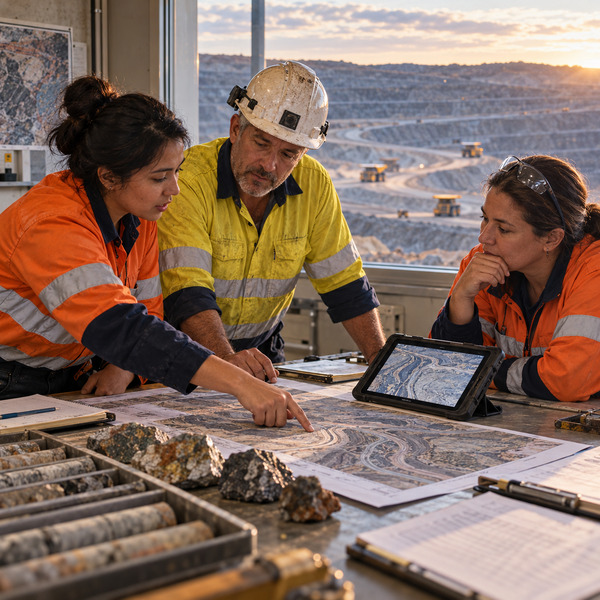
Identify which parts of the response were specific to that event and which decision principles could apply to similar mining situations.
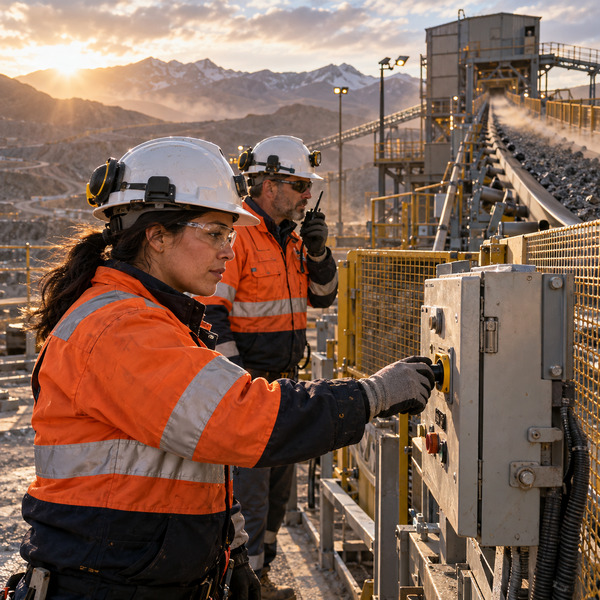
Represent the variables experts actually use when considering continuity, production, asset constraints, material movement and downstream consequences.

Clarify who can commit a response, where limits apply and when an unfamiliar exception must escalate.
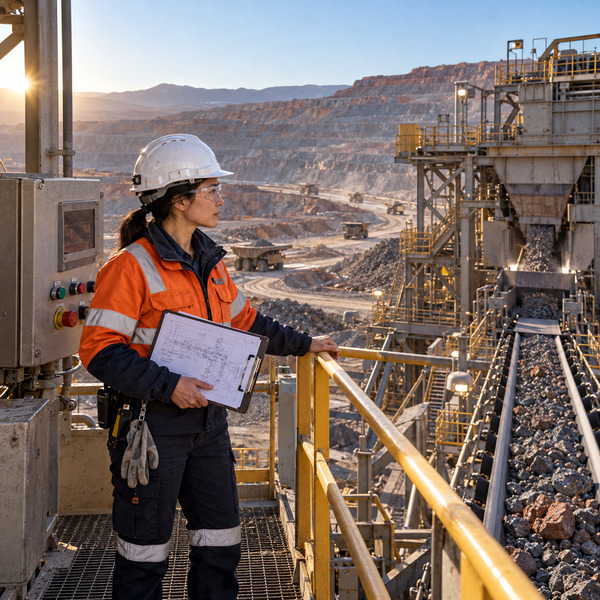
Connect the selected alternative to dispatch, control, workflow or field execution and capture what happened after the intervention.
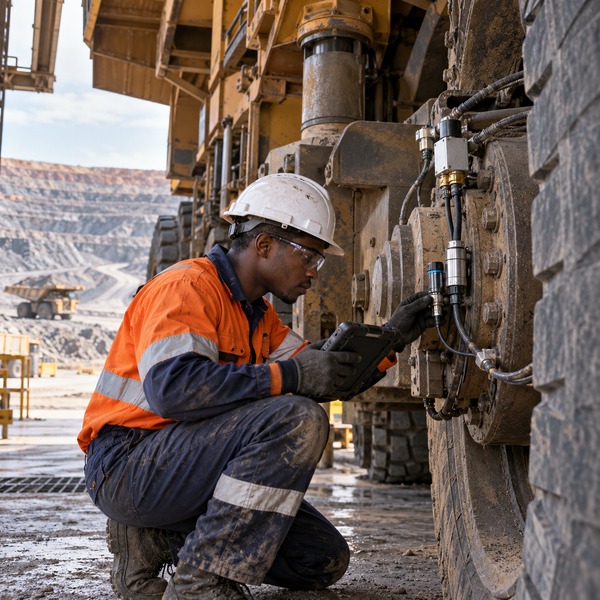
Event histories and AI can retrieve analogous cases, surface previously considered alternatives and support recommendations.


Evidence does not reconstruct decision authority, alternative comparison, executed response and result to the same depth. That does not negate the capability demonstrated by the people involved.
The expert who saves the shift is an asset. The operating capability begins when the next shift inherits more than the story.
The objective is not to eliminate improvisation. Novel mining conditions will continue to require judgment from experienced people.
The operation stops treating every recurring exception as if the organization had never seen anything like it before, on any shift.
A mature decision system remembers not only what happened, but how people reasoned, what they chose and what changed physically.
What the operation learned is captured with the result, so the next similar event starts from evidence rather than from memory.
Explore how reusable decision mechanisms can turn successful mining responses into capability the next shift can inherit.