- All Foundries

- Commodity Management & Trading

- Customer & Marketing Strategy

- Digital Engineering

- Station Studio

- Supply Chain & Industry 5.0
- Sustainability

- Physical AI

- Next-Gen Infrastructure











Blast-to-Mill Optimization as a Closed Mining Decision Loop
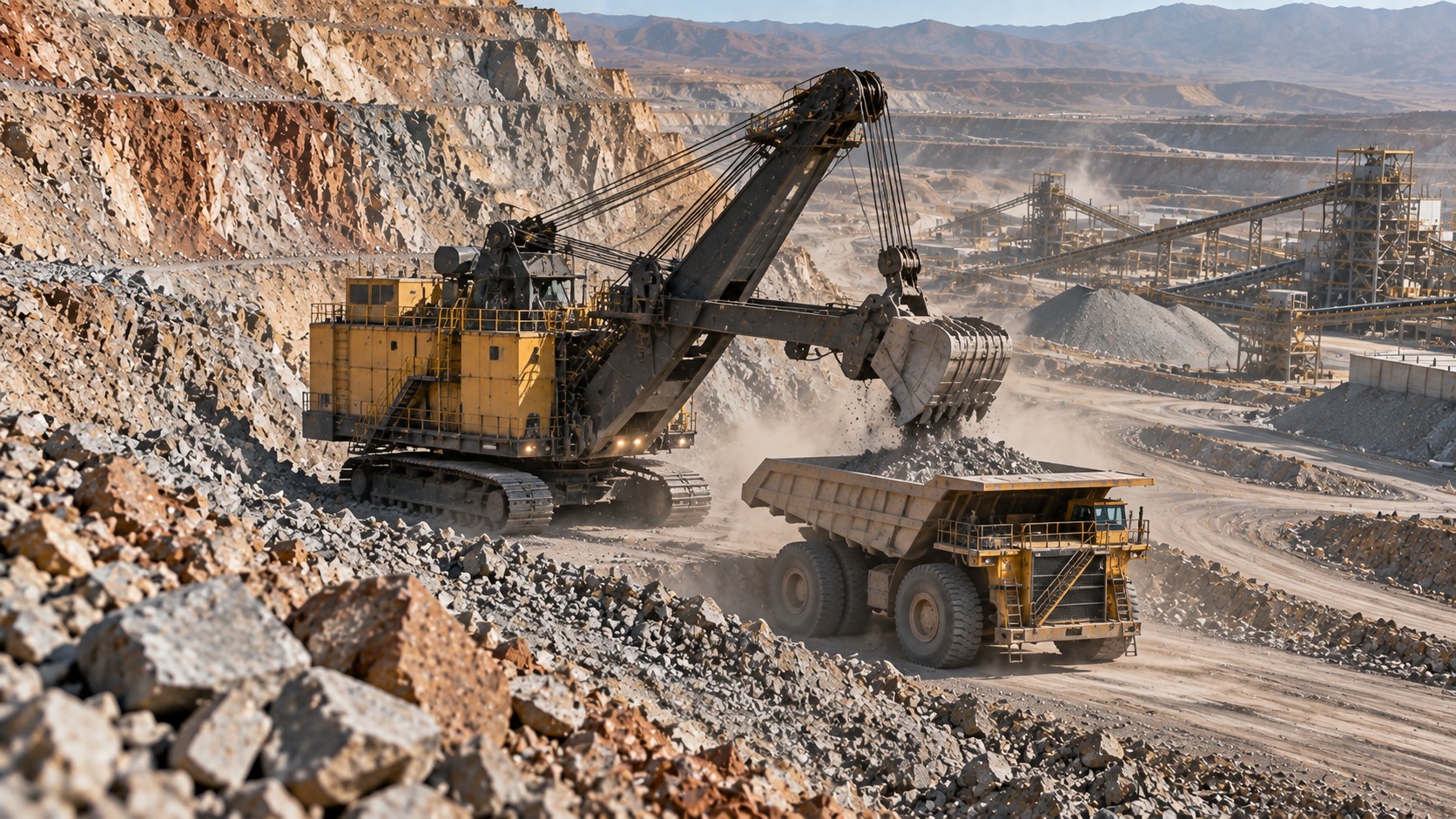
In an illustrative case, a new blast design helps comminution accept more tonnes but also changes grind size. The blast result cannot be judged only where the blast happened.
The objective changes from a fragmentation target to the best chain response for the rock being blasted.

The objective changes from achieving a fragmentation target to producing the best chain response for the rock being blasted.
Fragmentation shows the first response; crushing and grinding reveal capacity use; metallurgy shows if extra throughput stayed valuable.
The return path connects downstream observations back to the blast, the rock domain and the decisions that created them.
Without that connection, Mine-to-Mill can optimize a campaign. With it, the operation can learn blast by blast across the chain.
How NTT DATA helps
Make explicit the trade-offs across fragmentation, loading, hauling, crushing, grinding and metallurgy instead of ending at the muckpile.
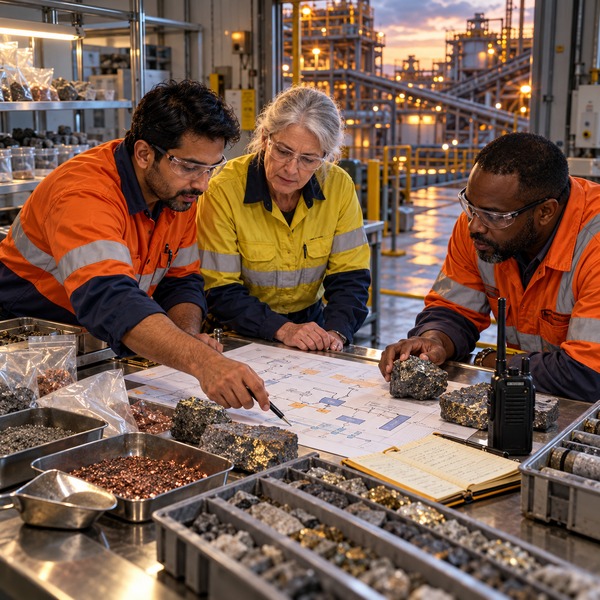
Connect geotechnical and geometallurgical context with drill patterns, burden, spacing, charging and execution data for the material broken.
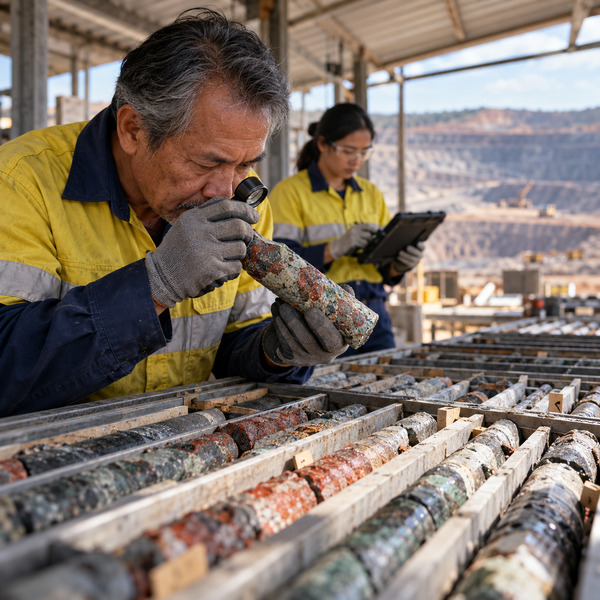
Use fragmentation measurement, drilling and blast execution data to compare the designed blast with the physical result that entered the stream.
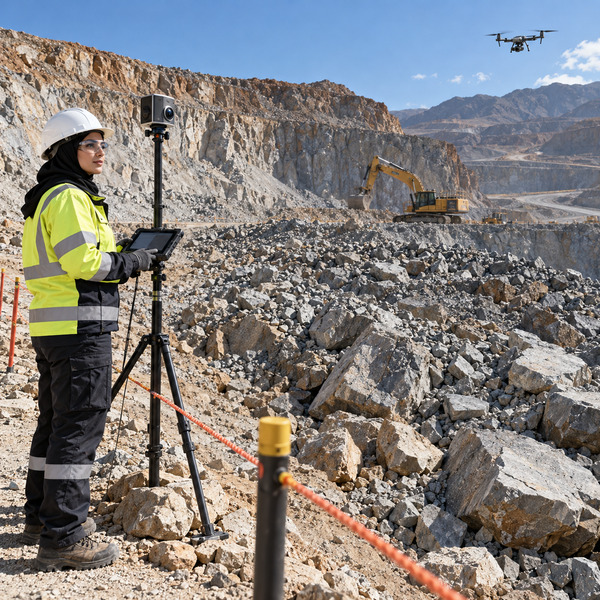
Link loading, dispatch, crusher, stockpile and conveyor context so plant response can be associated with the blast that caused it.
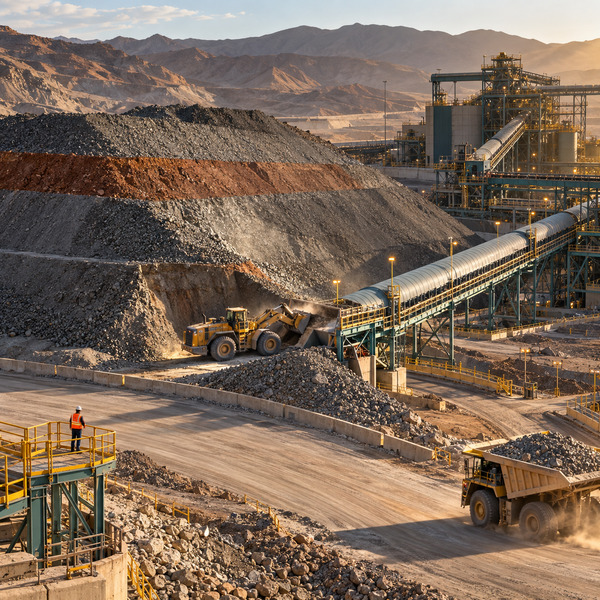
Mine-to-Mill models and simulation can test how alternative blast designs may shift cost, throughput, grind and other constraints across the chain.
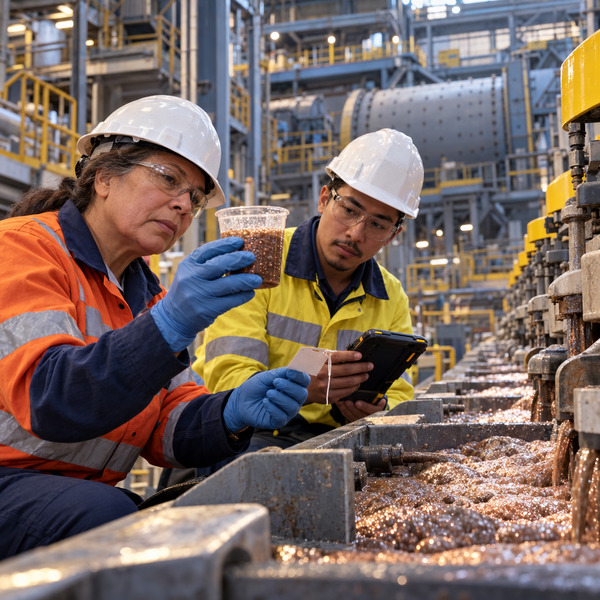
Reconcile predicted and observed fragmentation, comminution and metallurgical behavior so each campaign improves the next decision.
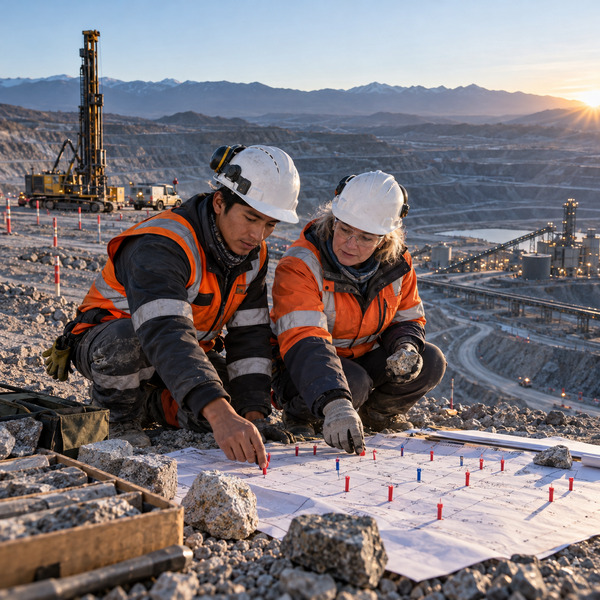
Lastra, Jokovic and Kanchibotla showed rock hardness and powder factor affect comminution. At Aitik, a crusher-to-mill model linked plant response to material origin. Both directions matter for learning.
The blast still breaks the rock once. The operation should learn from that break all the way to the mill.
The next design can consume what happened to loading, crusher feed, mill response and downstream processing for that material.
Metallurgists and plant operators gain an upstream lever instead of treating feed-size variability as something that simply arrives.
Blast-to-Mill turns from a handoff into a loop, where the plant result is traceable back to the blast, the rock and the decision.
The operation learns from each break all the way to the mill – and carries the answer back to the next bench and the next design.
Explore how lineage from bench to mill can turn blast design into a learning decision loop across your mining value chain.