- All Foundries

- Commodity Management & Trading

- Customer & Marketing Strategy

- Digital Engineering

- Station Studio

- Supply Chain & Industry 5.0
- Sustainability

- Physical AI

- Next-Gen Infrastructure











Dynamic ore constraints: adapt mining decisions as material changes
Ball-mill power, classification, liberation or flotation response can become the condition that limits value. That changes how the operation should look at capacity.
The operation can stop managing yesterday’s bottleneck as though it were fixed.

When the active constraint is allowed to move with the material, the operation stops managing yesterday’s bottleneck as though fixed.
Where will the next tonnes become difficult to process, and what decision is still open before they get there in the flowsheet?
Geometallurgical context shows what material is approaching; process data shows where capacity is tightening now. Lineage connects both.
Blending, routing, feed rate, grind targets or other feasible choices can change before the new constraint is fully expressed.
How NTT DATA helps
Identify which operating decisions can still change the trajectory when the limiting condition shifts between concentrator stages.
Connect geological and geometallurgical attributes, source, stockpile and material lineage so the plant receives more than a tonnage forecast.
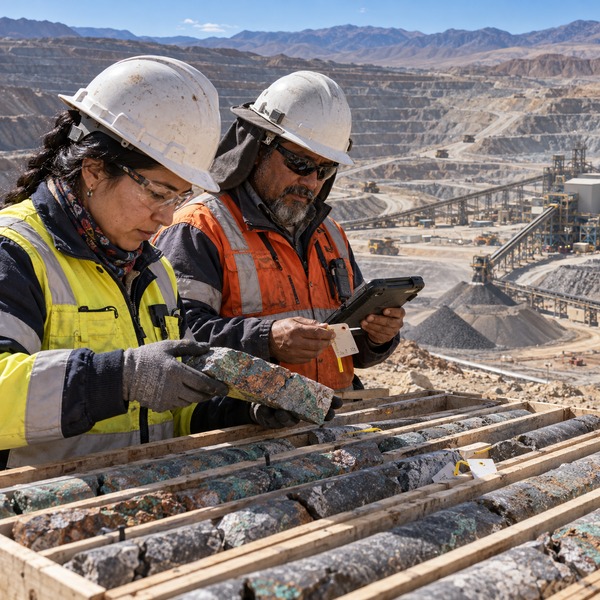
Combine relevant process, asset and control data to show which constraint is binding now and how much operating margin remains elsewhere.
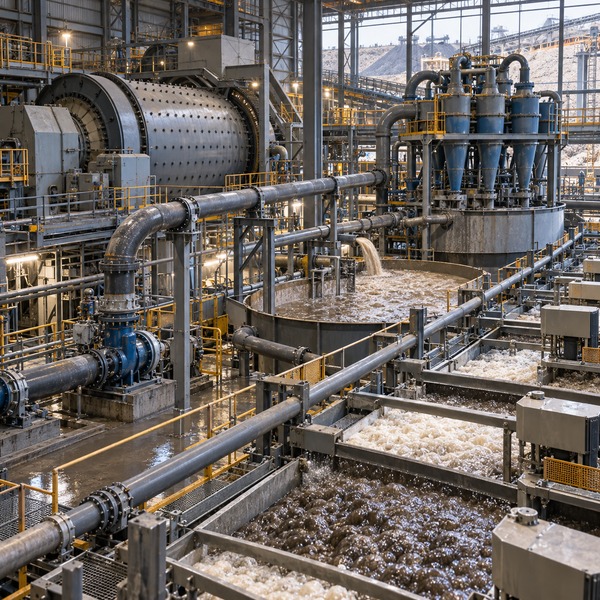
Use fit-for-purpose process models, simulation and predictive analytics to compare expected ore behavior with the current operating state.
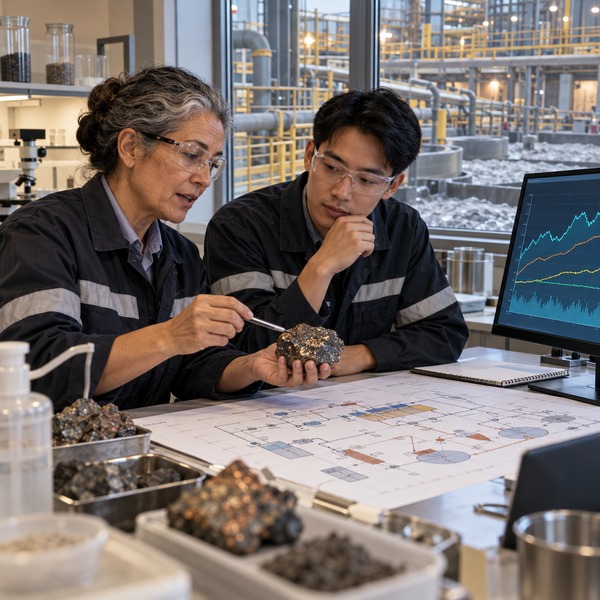
Decision support or dynamic optimization can test blend, routing, throughput or operating targets against chain-level consequences.
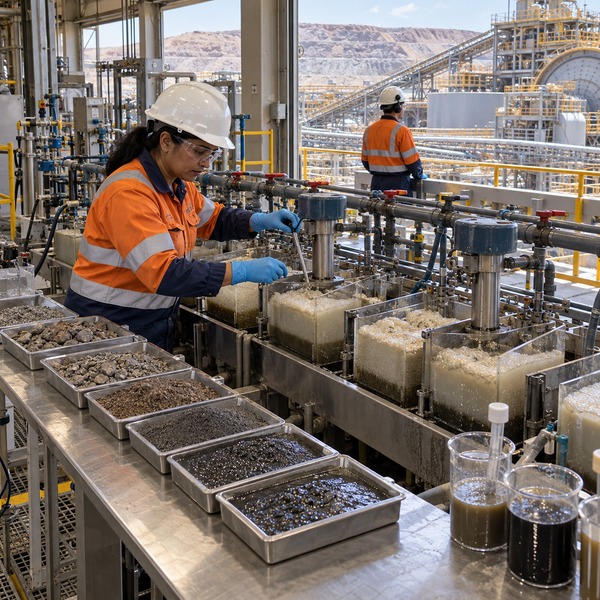
Link observed grinding, classification and flotation response back to the ore that produced it, improving the next forecast and the next decision.
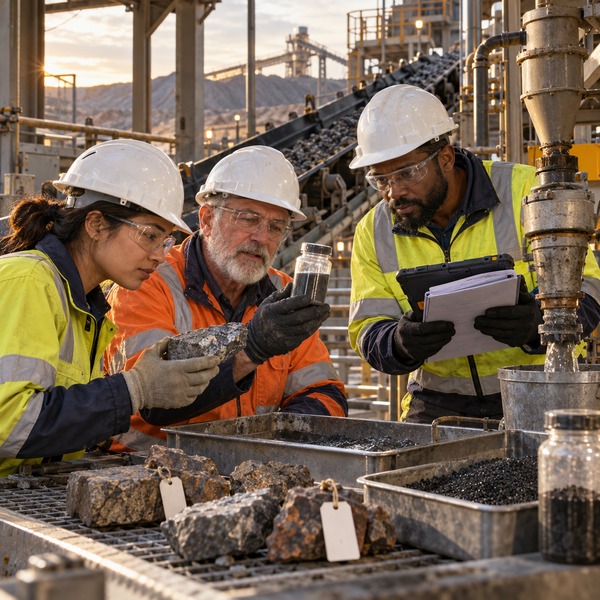
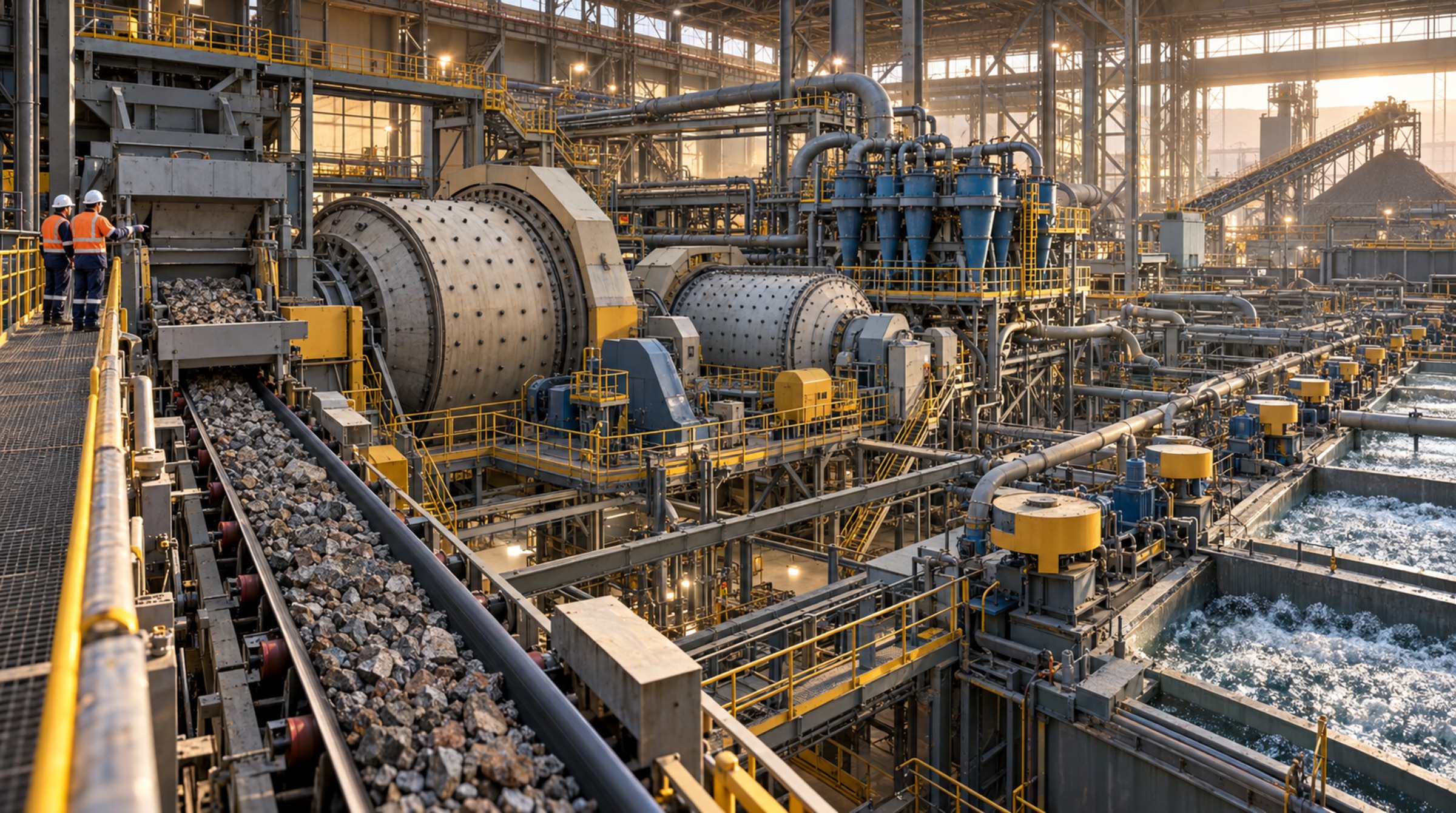
A case summarized by Wills and Finch found the modeled bottleneck shifting between SAG and ball mill. At Siilinjärvi, ore-type changes were the main source of grinding disturbances, affecting flotation.
The constraint may have an equipment tag today. But tomorrow, it may arrive on a truck.
Asking what will constrain these tonnes connects geology to processing while there is still time to act on blend, routing or targets.
A harder block can be recognized before it overloads grinding, and feed can be managed around the circuit before the load rises.
A different mineralogical condition can be carried forward before downstream classification or flotation behavior becomes a surprise.
The response can change with the material rather than after the plant has already absorbed the consequence in production.
Explore how ore context, process data and material lineage can turn moving constraints into decisions across the concentrator.