- All Foundries

- Commodity Management & Trading

- Customer & Marketing Strategy

- Digital Engineering

- Station Studio

- Supply Chain & Industry 5.0
- Sustainability

- Physical AI

- Next-Gen Infrastructure











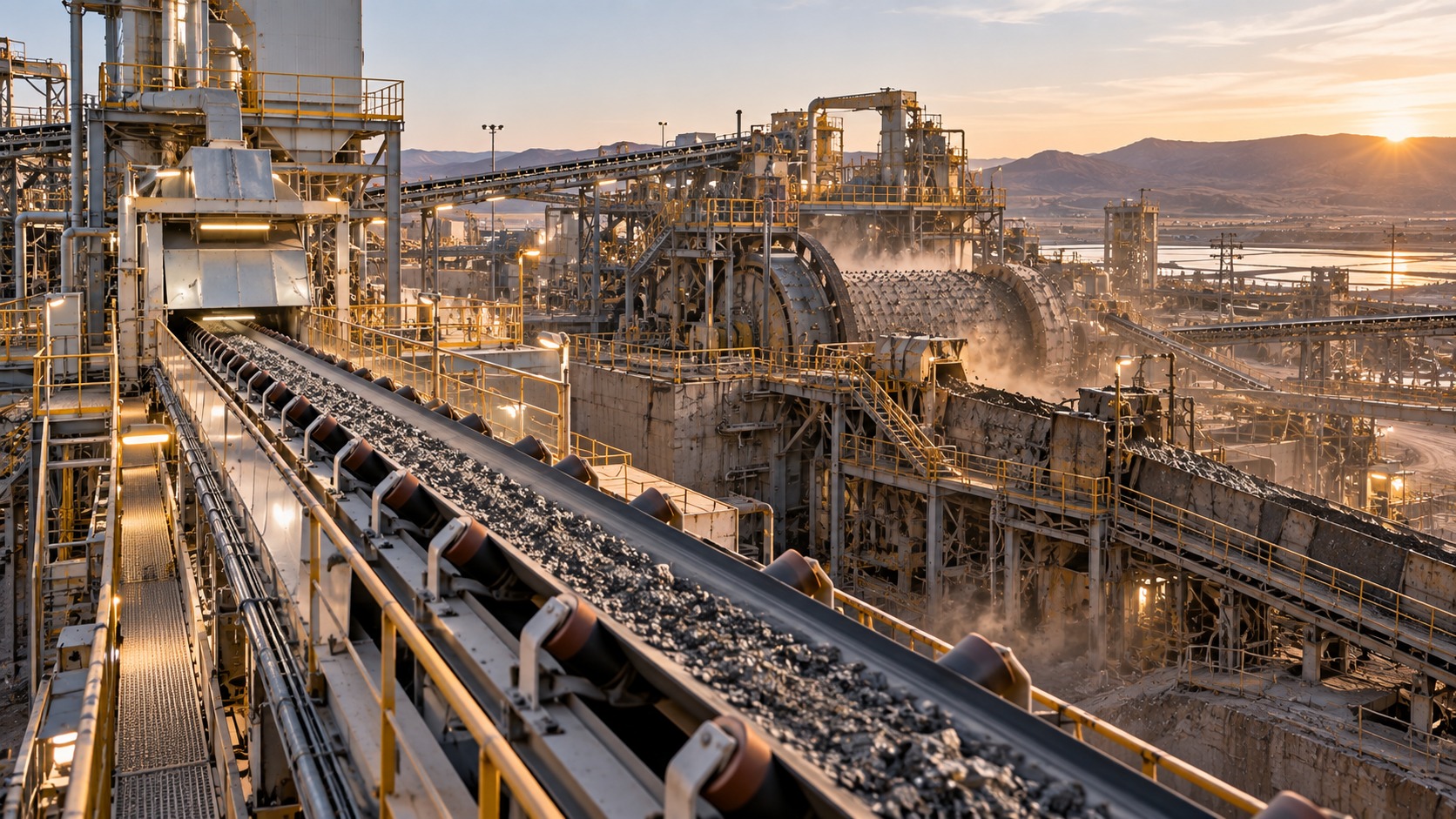
Mine ramp-up as a learning system for real operations
Ore is more variable than commissioning. Buffers empty faster under one pattern. Maintenance competes with production. Settings stable in testing behave differently under load.
Treating ramp-up as operational learning changes what the organization watches: what each attempt is teaching.

Instead of asking only whether production is increasing, the operation asks which constraint recurs and which feed condition matters.
Teams identify which workaround should become a deliberate standard rather than remain tribal knowledge held by a few operators.
Treating ramp-up as learning can shorten the distance between an observed problem and a better operating rule for the plant.
The ramp-up team no longer treats every deviation as an isolated incident when several express the same underlying interaction.
How NTT DATA helps
Connect ore characteristics, throughput, process conditions, asset state, interventions and operating decisions around the same production period.
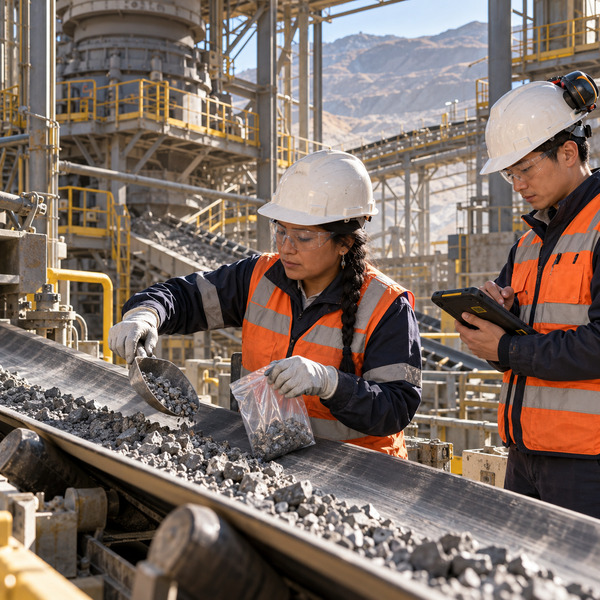
Use event histories, analytics and process context to identify patterns that repeat across shifts, campaigns or feed conditions.
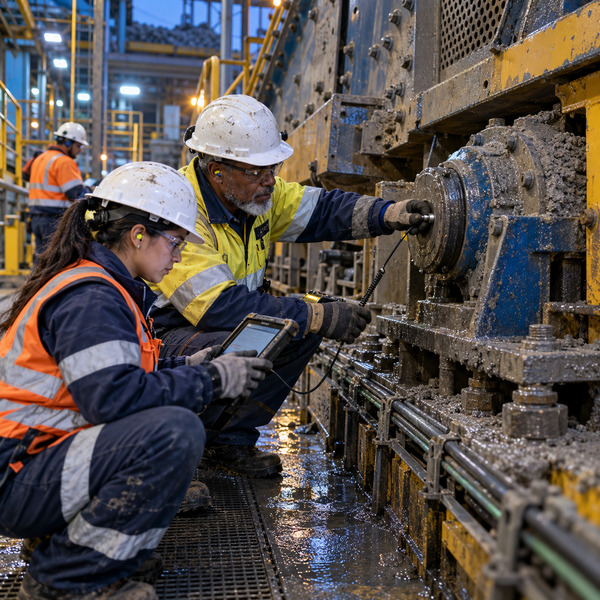
Show which combinations of feed, asset condition and process settings produce stable operation and where margins begin to disappear.
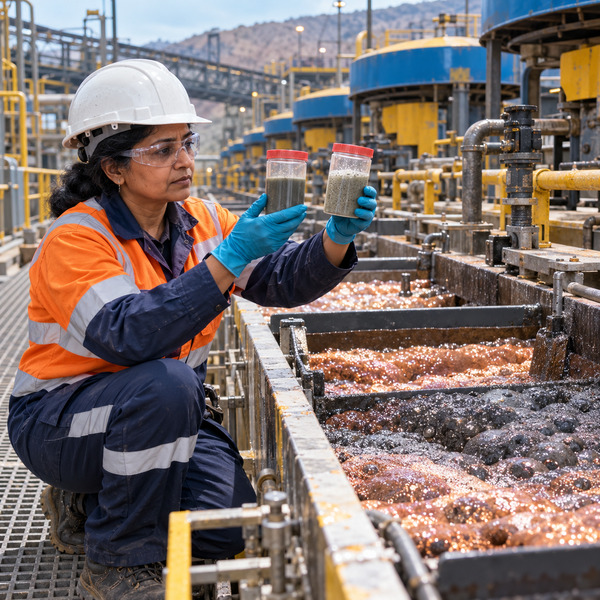
Convert learned relationships into operating guidance, workflow, control strategies or decision support instead of shift notes and memory.
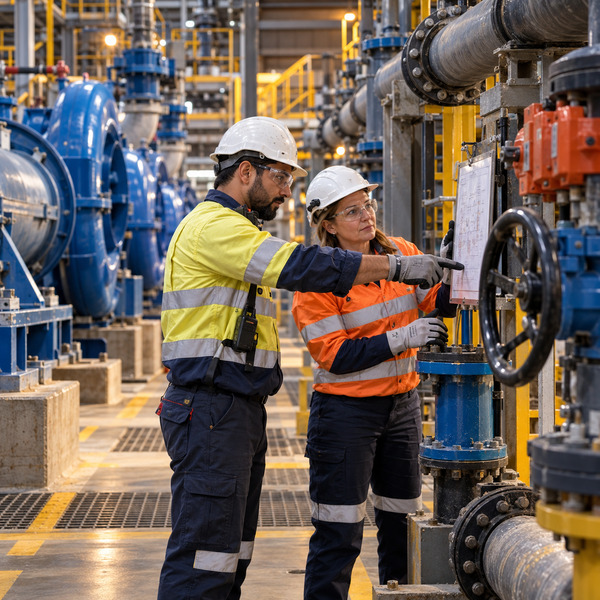
When learning implies a change in mine feed, maintenance timing, process settings or sequence, propagate it to the domains that must act.
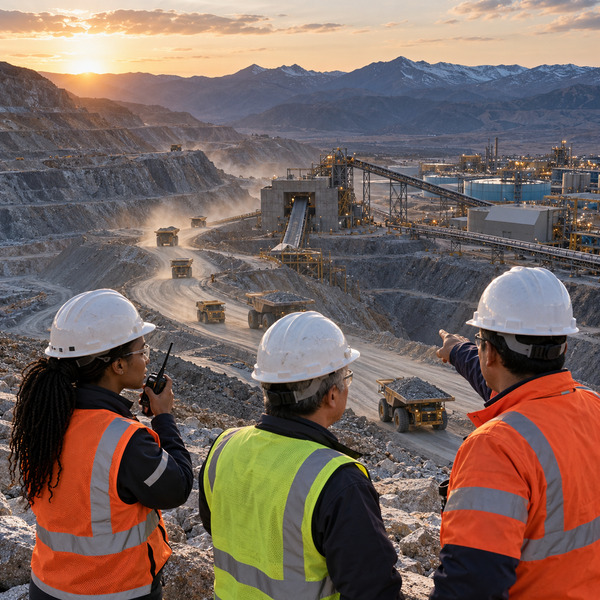
Verify whether new rules improve stability, retain the event history and expand the operating envelope as new ore and asset states appear.
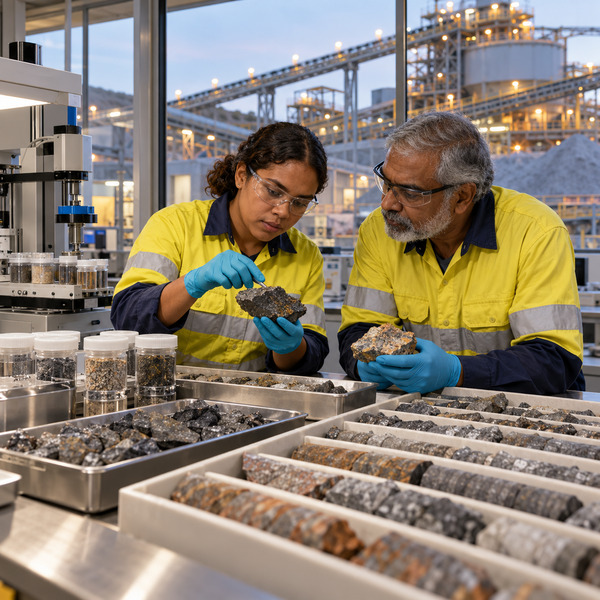
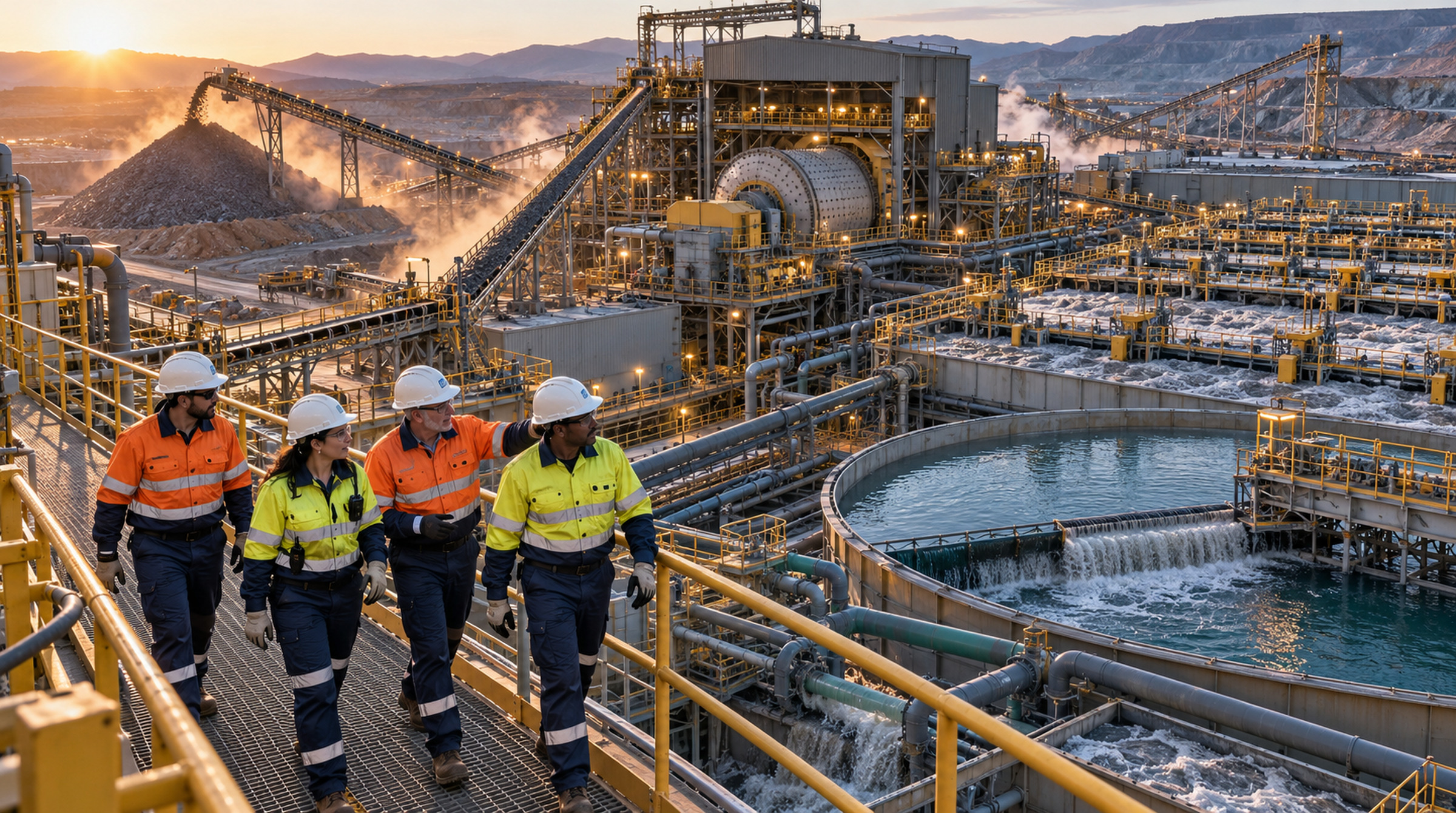
Those interactions become useful only when the operation can recognize them, connect cause and consequence, change how it operates and verify the result – converting early experience into an operating system.
A ramped-up mine is not simply one that can run harder. It has learned how to run itself under real conditions.
The end of ramp-up should mean more than achieving a production target. It should mean the mine has learned its new operating reality.
The mine has learned enough about real ore, real assets, real people and real constraints to reproduce good performance deliberately.
Ramp-up creates value not only by increasing output, but by leaving an operating system that knows more about its own limits.
Learning continues after the target is reached, expanding the operating envelope as new ore conditions and asset states appear.
Explore how capturing ramp-up episodes and turning them into decision rules can help a modified mine run itself under real conditions.