- All Foundries

- Commodity Management & Trading

- Customer & Marketing Strategy

- Digital Engineering

- Station Studio

- Supply Chain & Industry 5.0
- Sustainability

- Physical AI

- Next-Gen Infrastructure











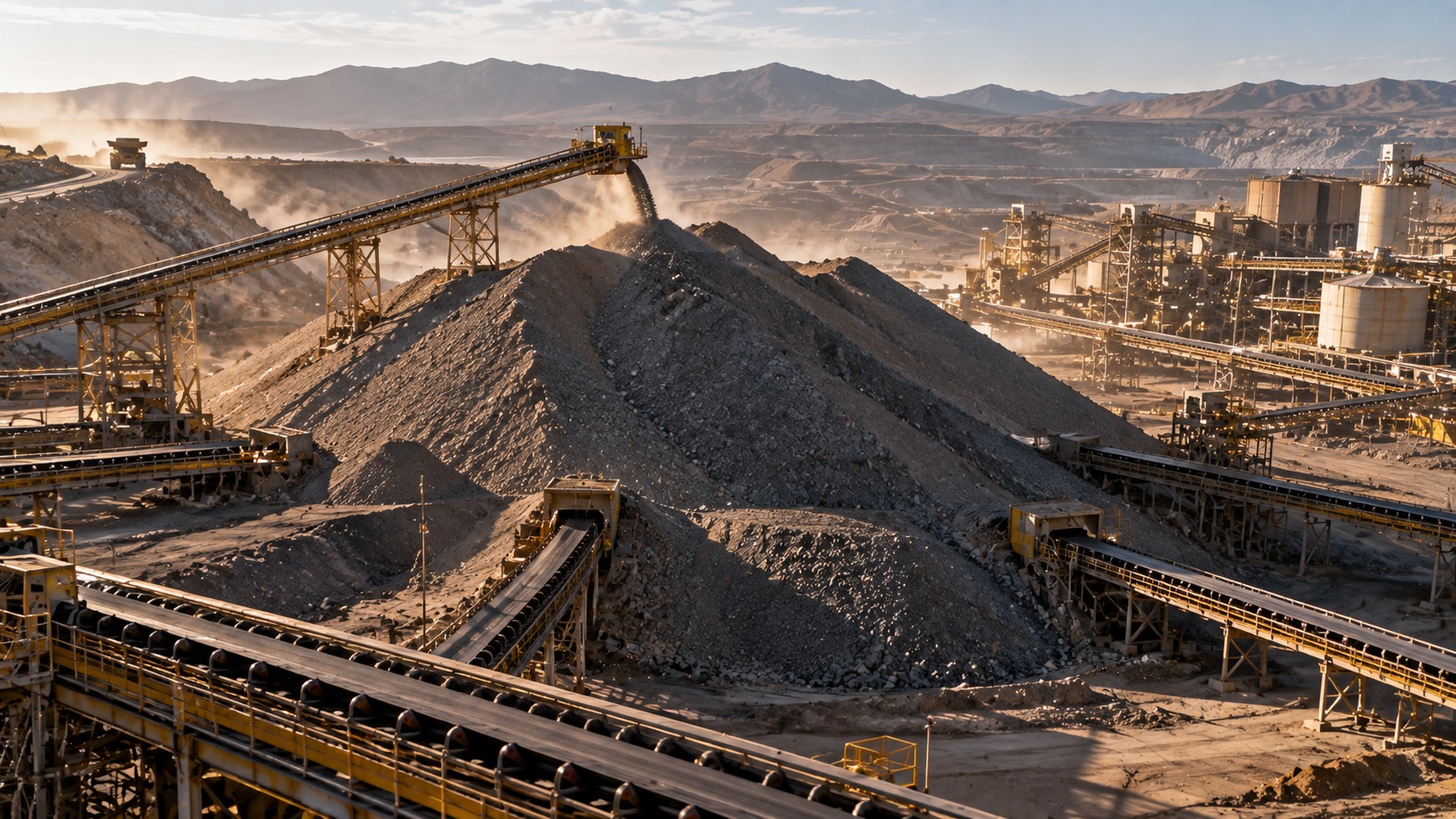
Stockpile management as production optionality in mining
The harder parcel can wait, be mixed differently or be released when the plant has more room. The rock has not changed. What changed is when the operation has to deal with it.
The decision changes from “how many tonnes are available?” to “what choices are still stored here?”

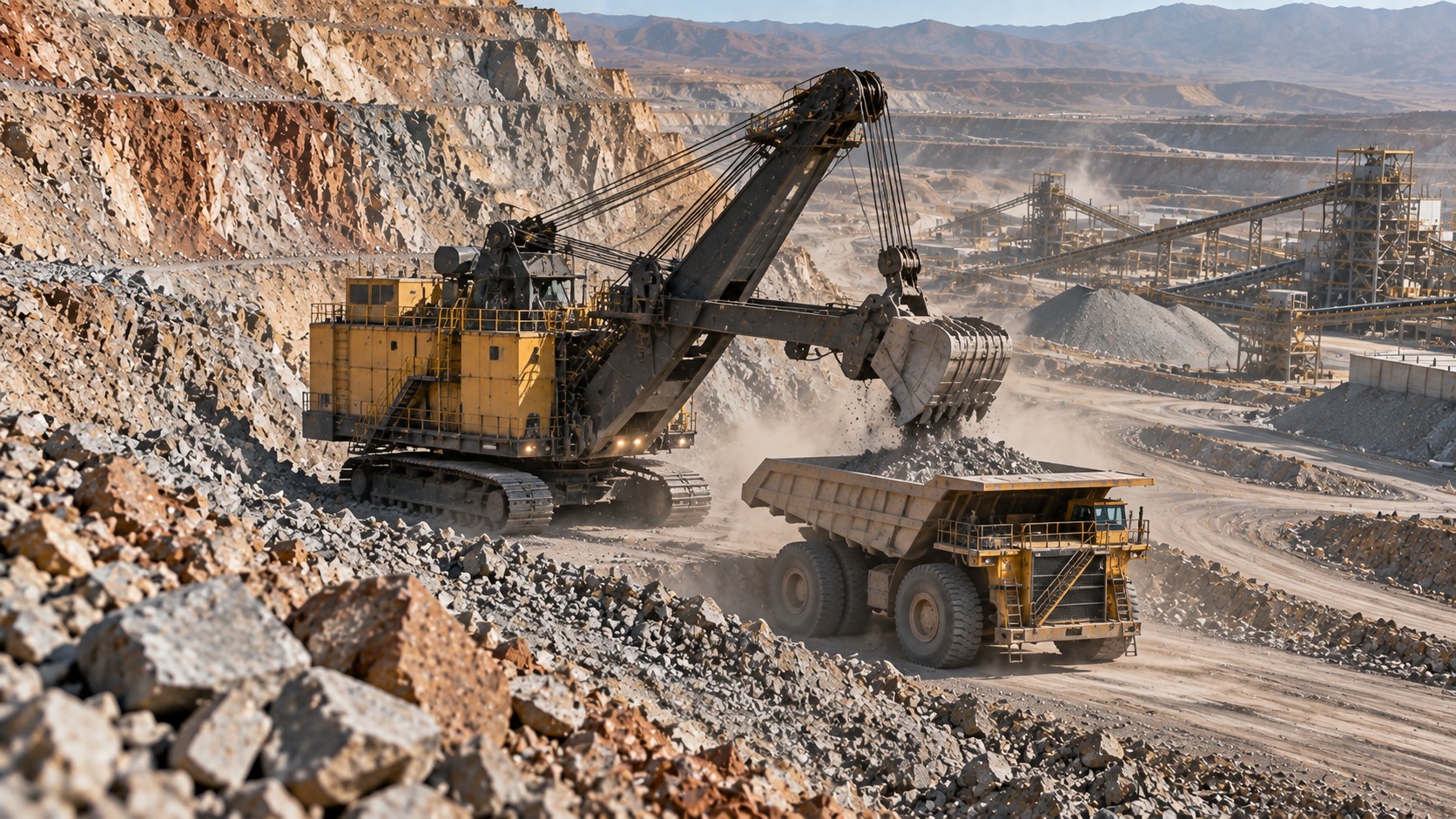
Stored choices can protect plant continuity when mine delivery changes, separating the timing of mining from processing.
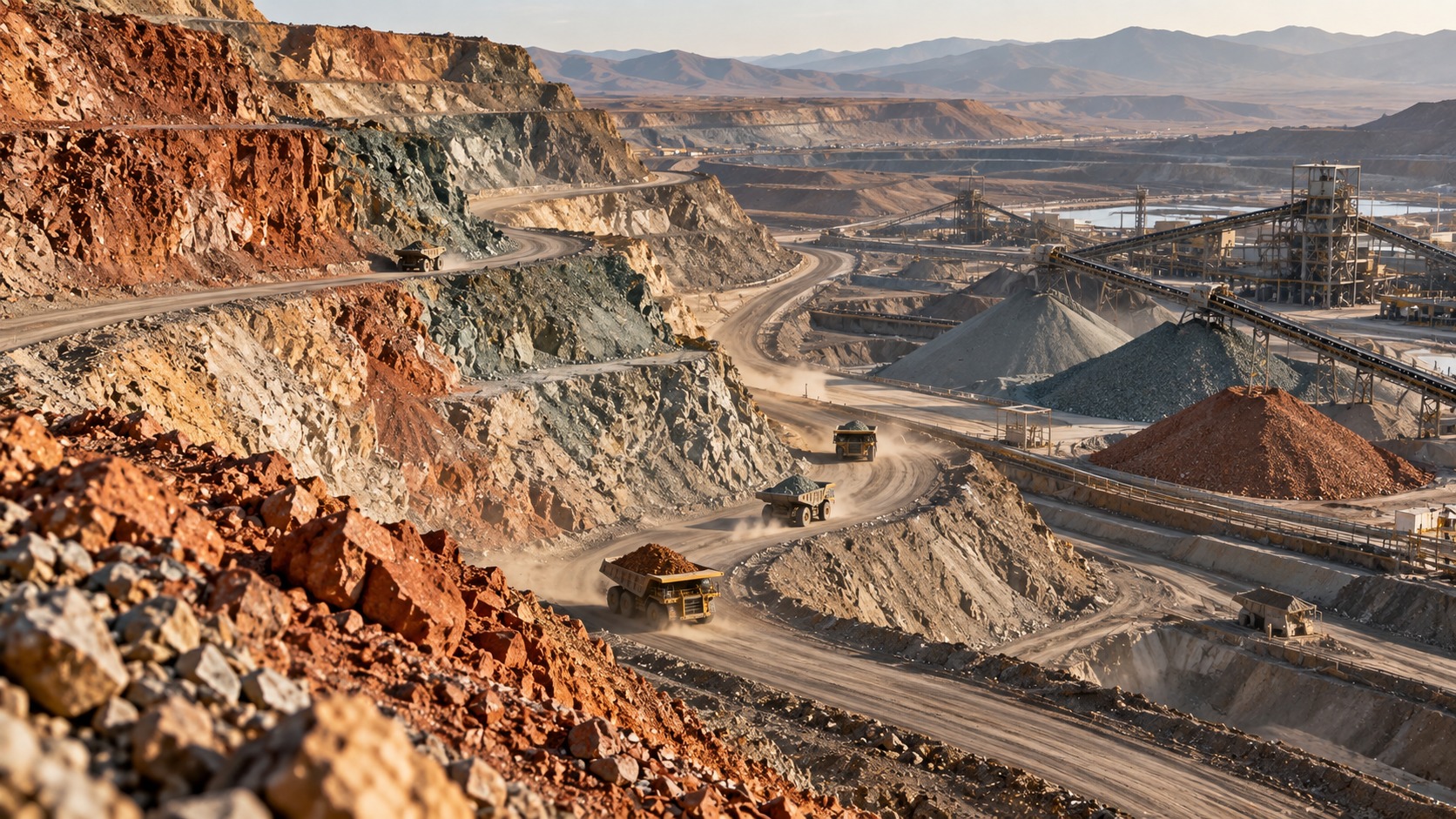
Mine variability does not have to become plant variability immediately. The pile can smooth feed variability before reclaim
A harder parcel can be held until processing capacity is available, instead of deepening the constraint when grinding tightens.
Material already in the stockpile can help construct a blend that better fits the current operating condition of the plant.
How NTT DATA helps
Make explicit which mismatches the pile should absorb: timing, feed quality, ore behavior, processing capacity or another constraint.
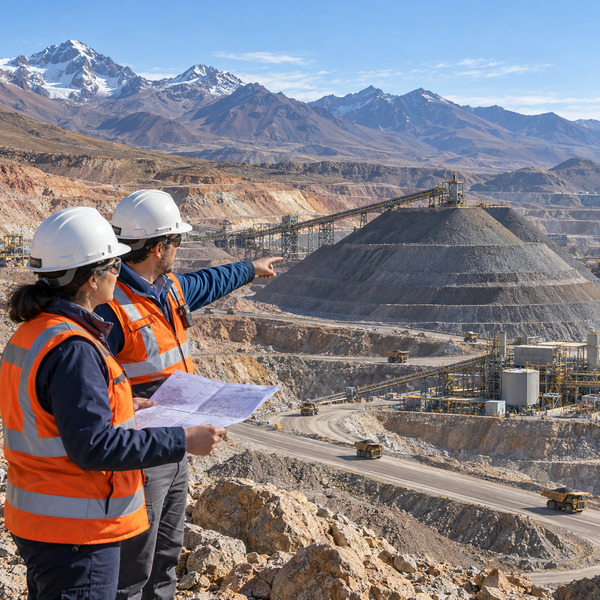
Connect source, ore attributes, stacking history, spatial position and inventory so the operation understands what alternatives exist.
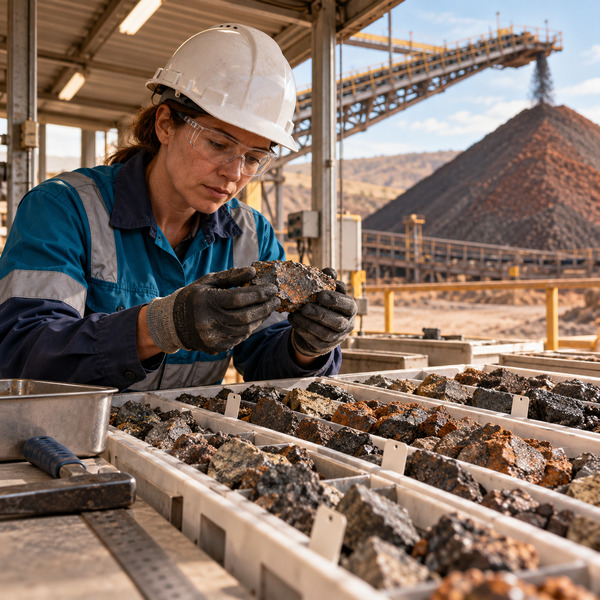
Bring approaching mine deliveries together with expected plant conditions so emerging mismatches can be recognized before reclaim choices disappear.
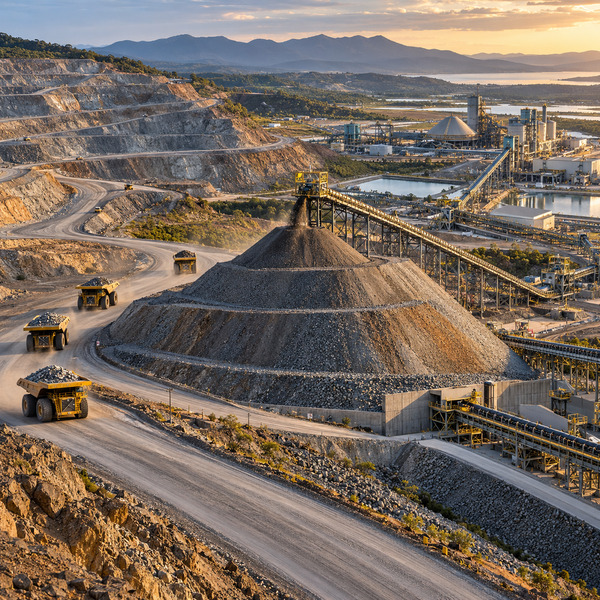
Stockpile models, simulation and optimization can test how material movements may change blend, variability, inventory and plant feed.
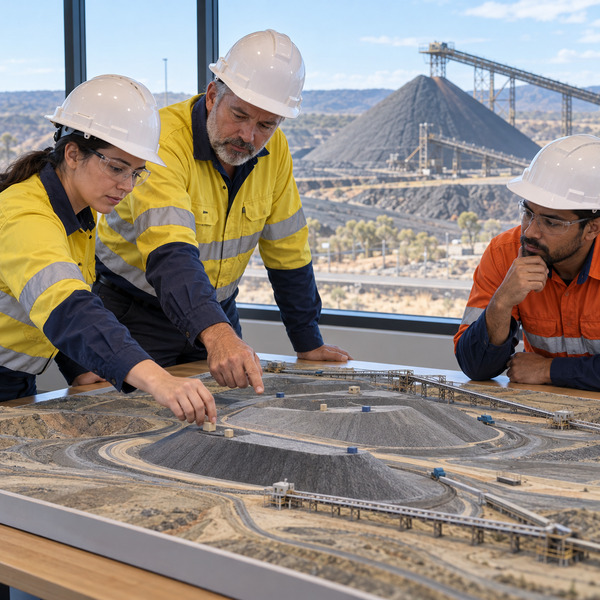
Connect the response to dispatch, stacking, reclaim and plant-feed workflows so the intended flexibility survives execution.
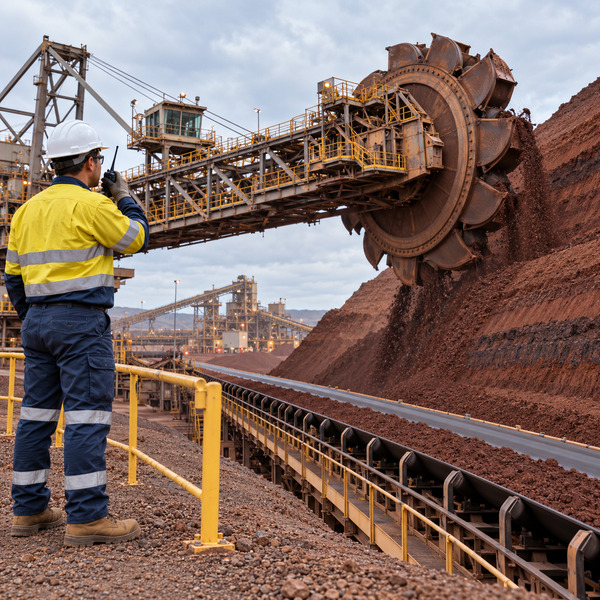
Compare expected and observed reclaim composition and plant response, then use the result to improve stockpile state, material models and future operating rules.
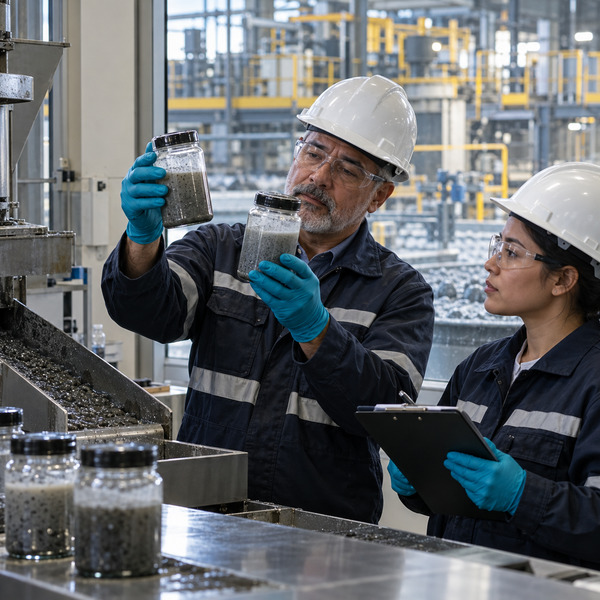
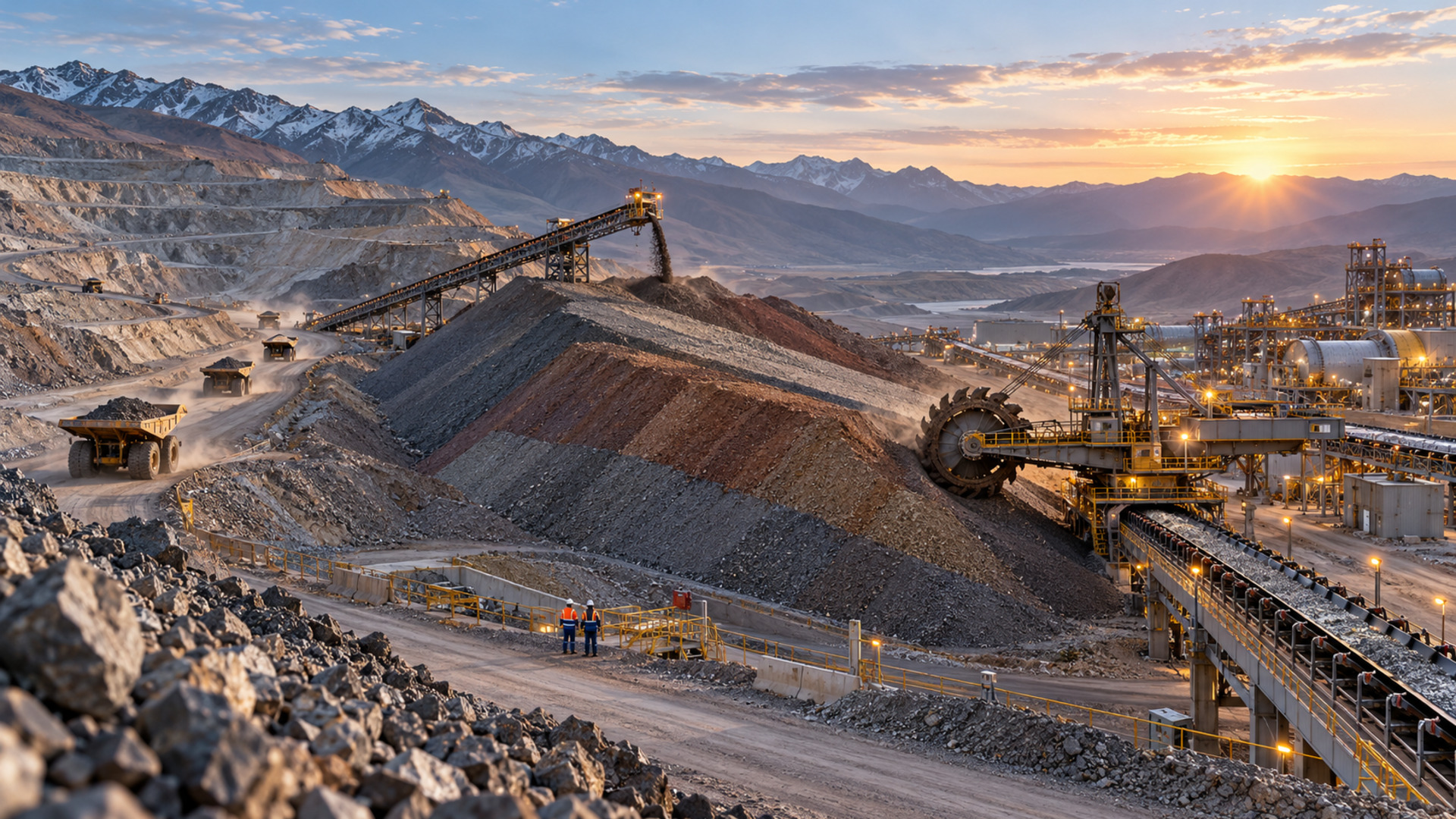
Robinson shows blending stockpiles can reduce reclaim variation; Rezakhah, Moreno and Newman show stockpiles hold ore until capacity is available. A stockpile preserves timing and material alternatives.
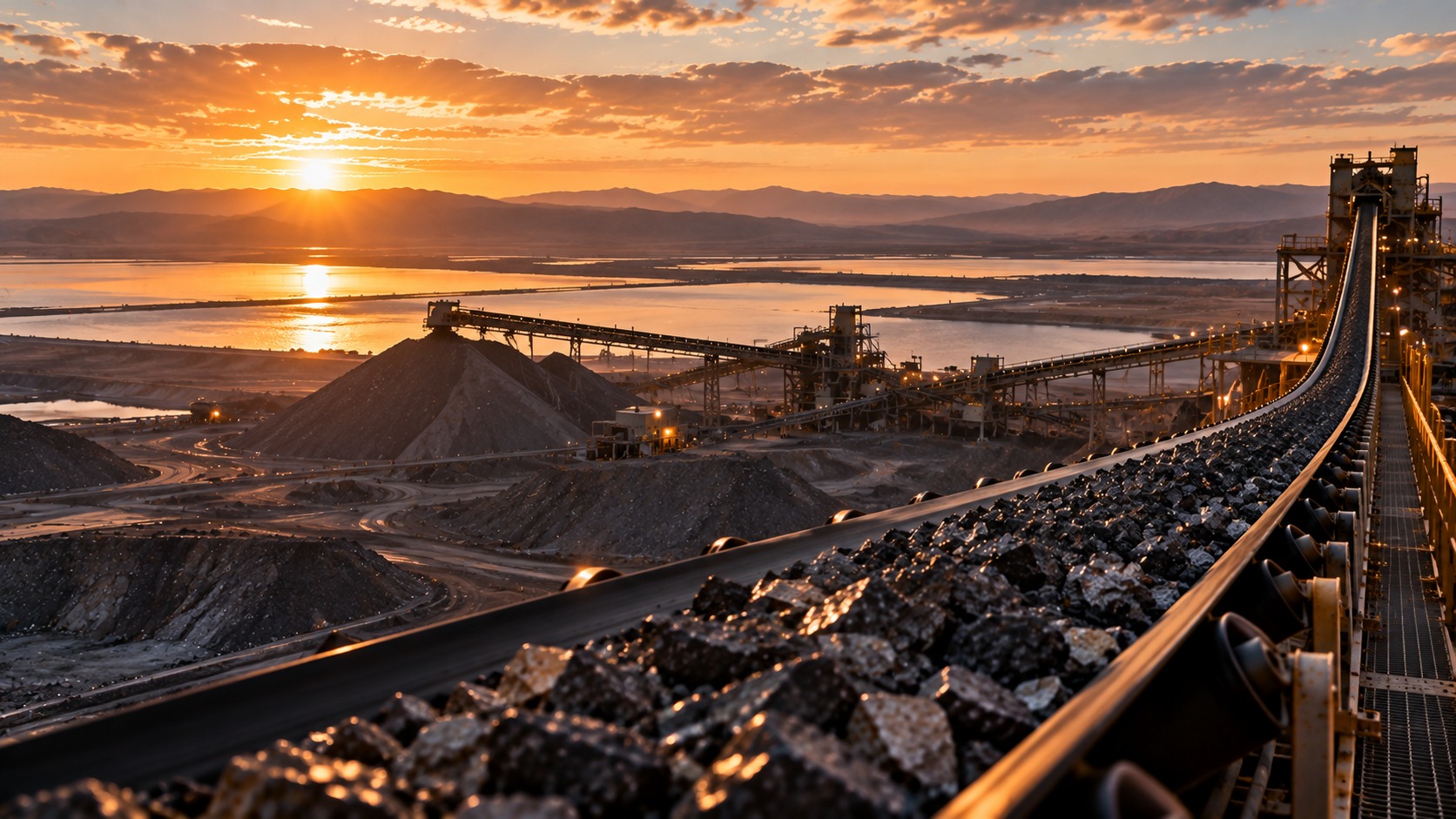
The stockpile stops being the place where material waits and becomes the place where the operation keeps choices alive.
A tonne in the stockpile is not only delayed production. It can be a future decision that has not yet expired for the mine.
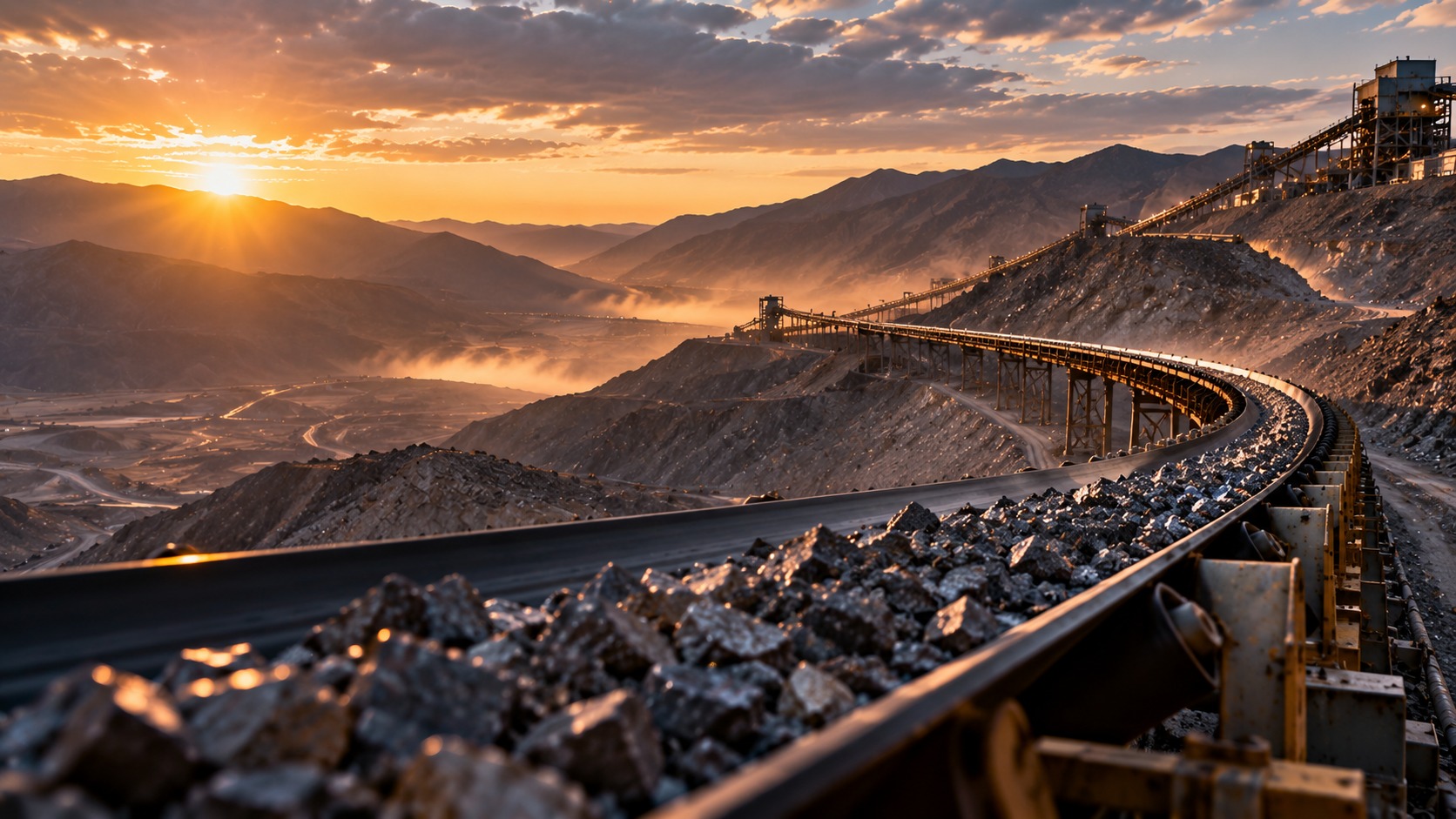
A processing constraint does not always have to propagate straight back into mining. The pile can absorb time between them.
The operation knows what is there, how reclaim will mix it and which future conditions make one portion more useful than another.
Expected and observed reclaim composition and plant response are compared, improving stockpile state and future operating rules.
Explore how stockpile state, look-ahead and reclaim optimization can turn inventory into mine-to-plant flexibility.