- All Foundries

- Commodity Management & Trading

- Customer & Marketing Strategy

- Digital Engineering

- Station Studio

- Supply Chain & Industry 5.0

- Sustainability

- Physical AI

- Next-Gen Infrastructure











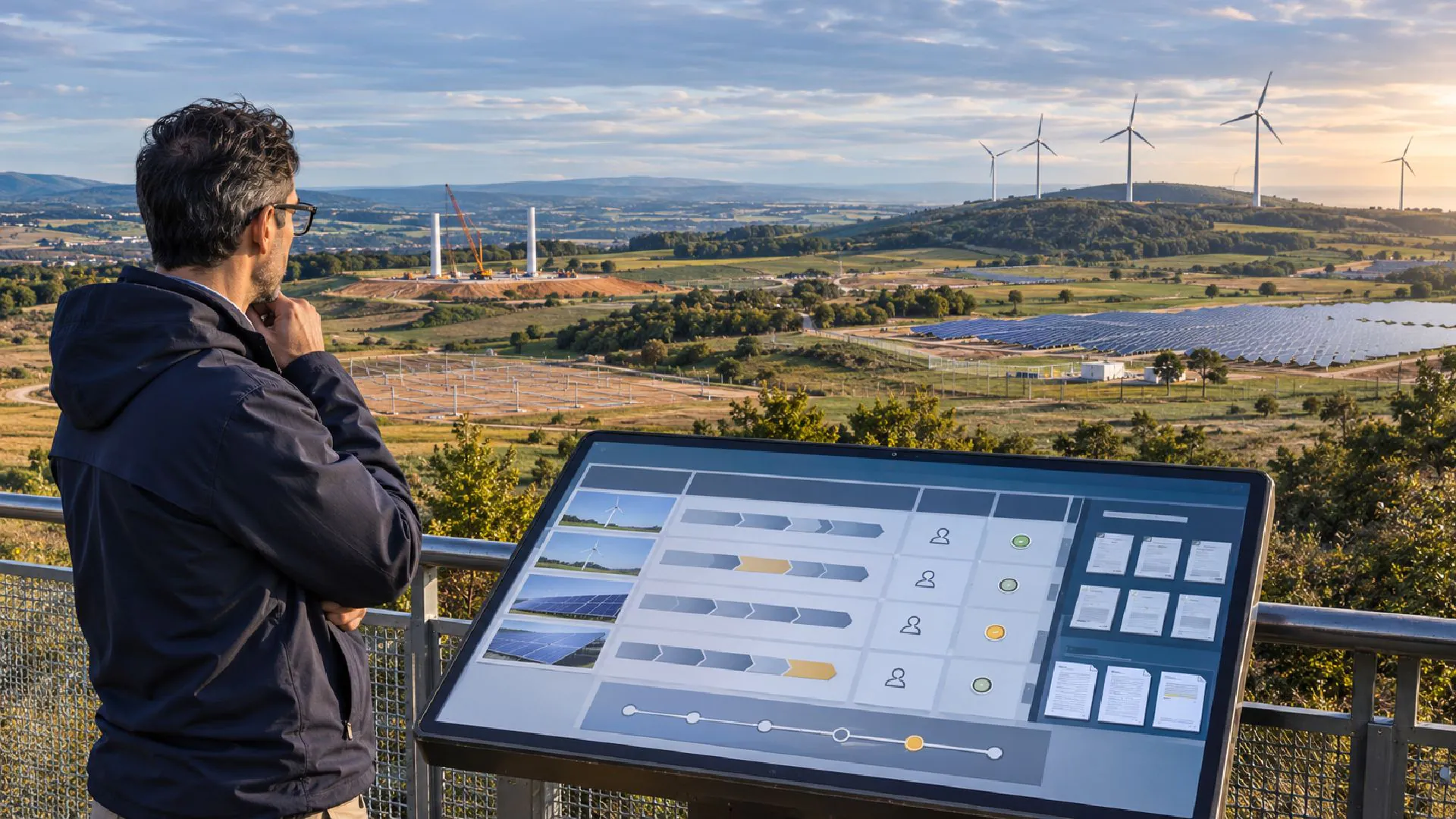
Digital Materials Logistics Transformation
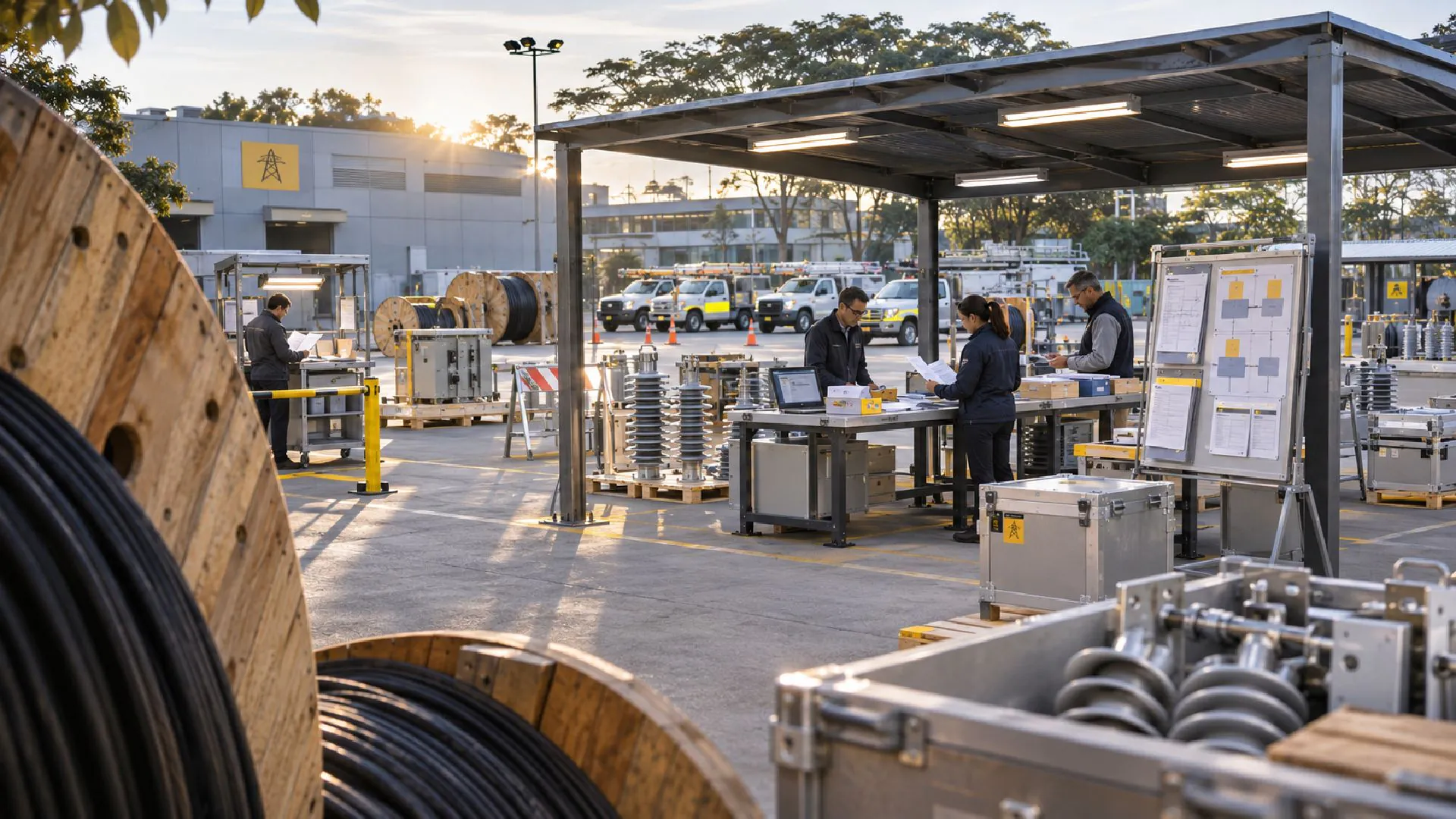
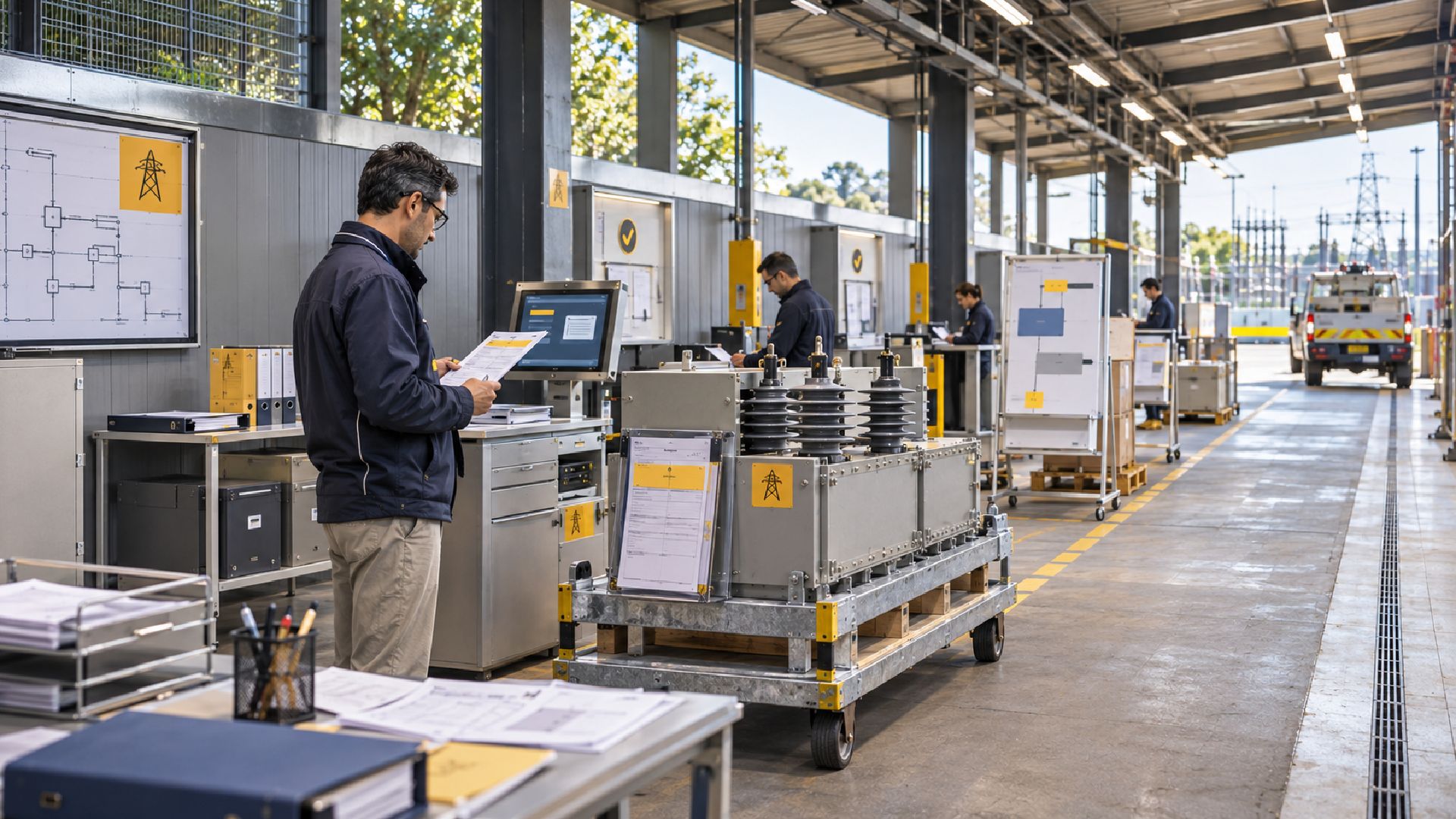
Material supply for network operations spans demand, inventory, certifications and reporting. Legacy customizations and local process variants add complexity. NTT DATA assesses workflows and system functions before implementation to distinguish operational needs from inherited constraints.
Custom developments had to be assessed against standard platform functions while accounting for logistics interfaces, implementation constraints and operational adoption.
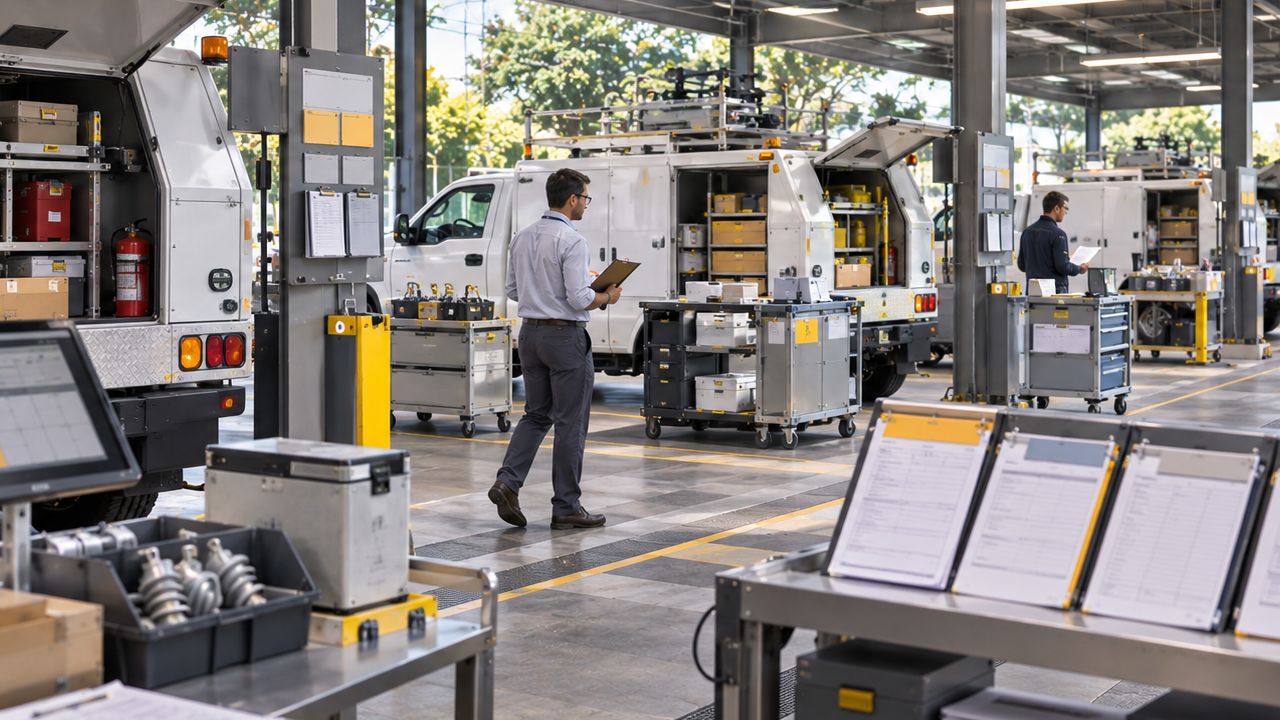
Demand, stock and inventory workflows relied on custom functions and local variants that needed assessment before redesign.
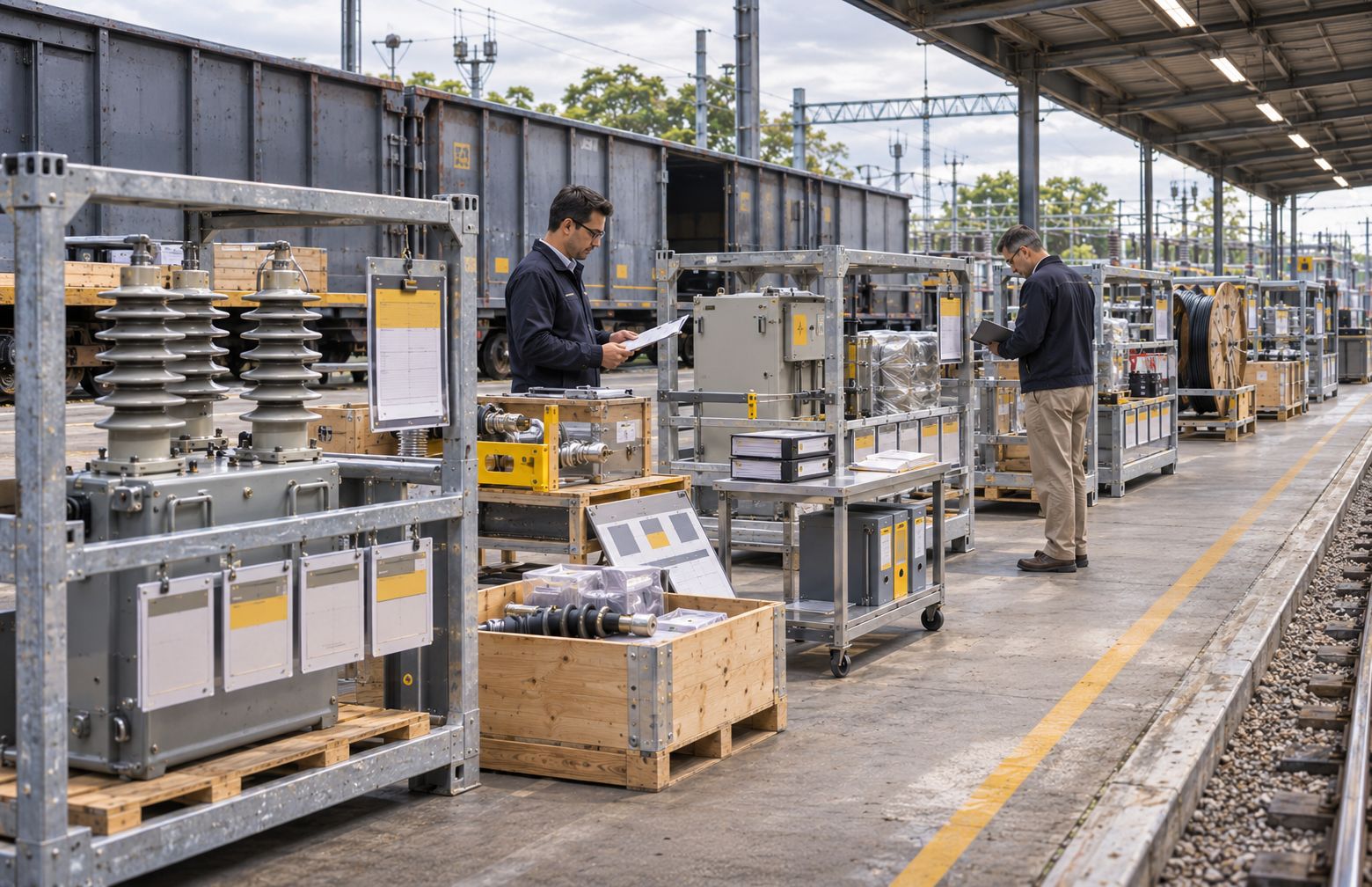
Existing requirements had to be compared with standard capabilities to avoid recreating unnecessary custom behavior.
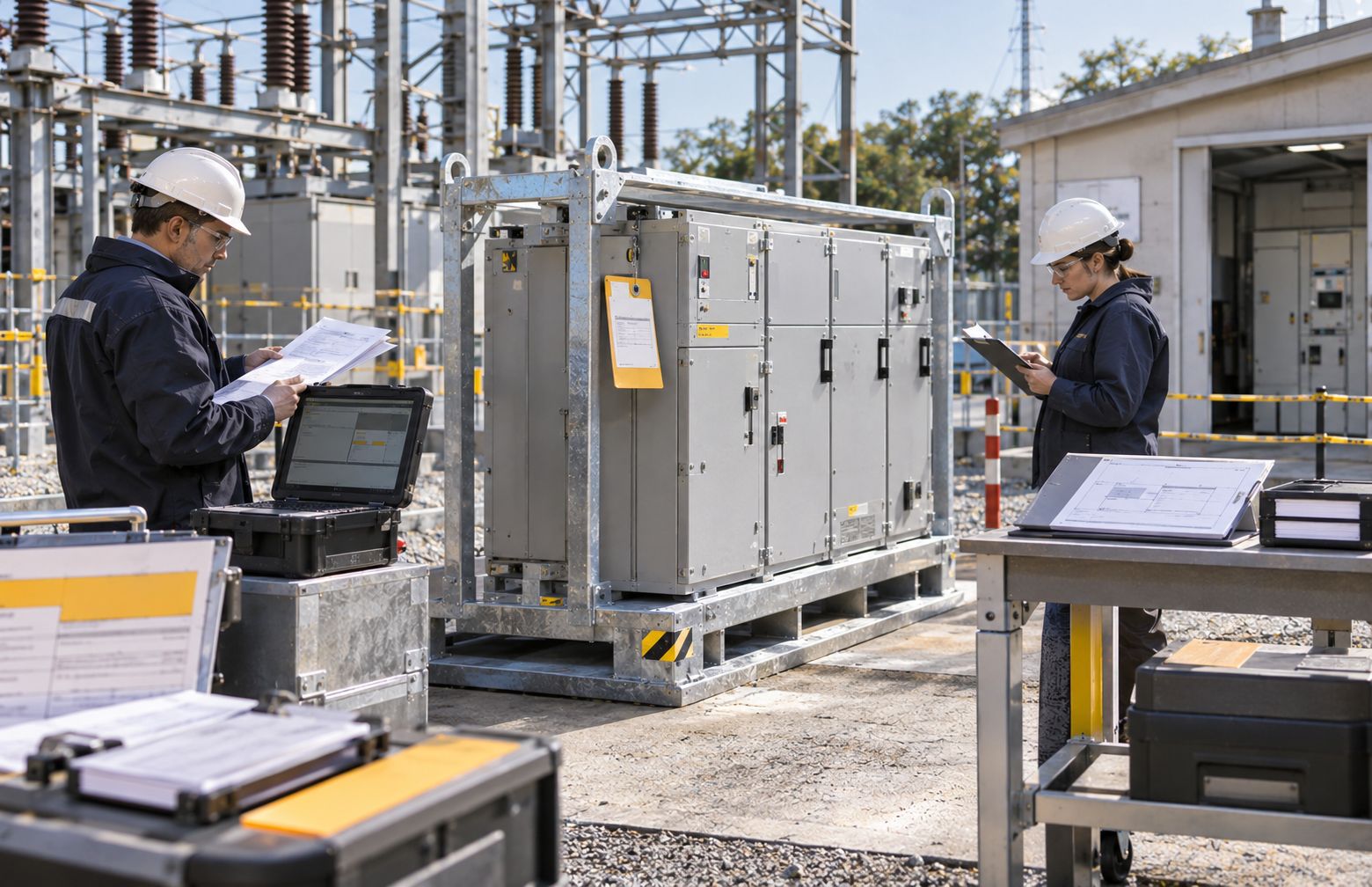
Material requests, certifications, reporting and inventory depended on interfaces that had to be considered in the target model.
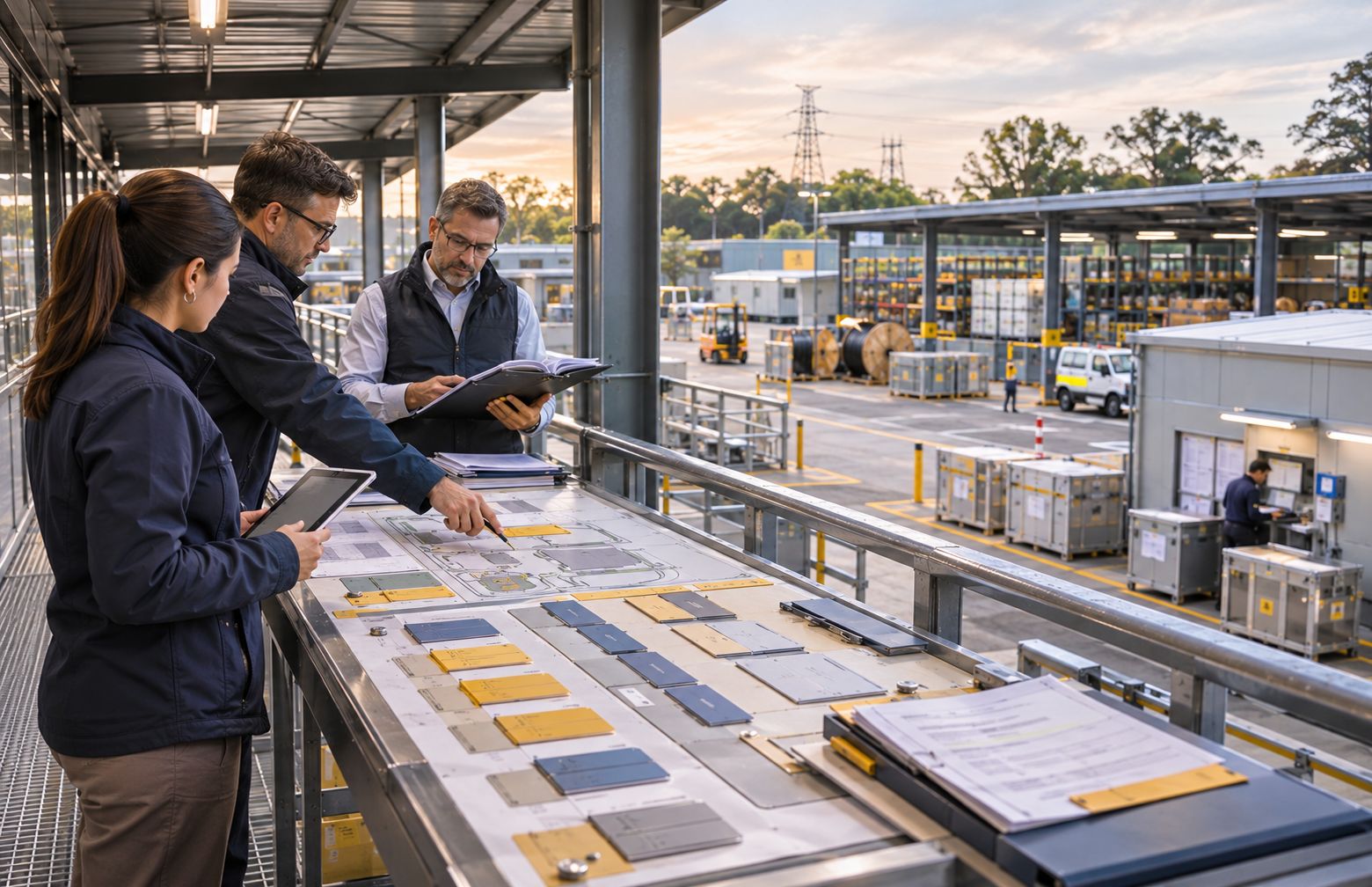
Implementation scope, main activities, cost estimates and the transition approach needed definition before execution.
NTT DATA combined fit-to-standard analysis with process design, integration assessment and implementation planning to define the future logistics operating model.

Assessed current materials workflows, legacy functions and custom developments to separate operational requirements from inherited complexity.
Compared logistics requirements with standard enterprise-platform capabilities to identify where processes could be simplified.
Analysed links across material requirements, certifications, reporting, inventory and connected systems.
Defined implementation scope, activities, estimated cost and the approach for transitioning operations to the target process model.
The assessment clarified a future materials-logistics model and a more structured route to implementation. It identified where standard functions could replace legacy customizations and surfaced integration and adoption dependencies before build.
success stories