- Commodity Management & Trading

- Customer & Marketing Strategy

- Digital Engineering

- Station Studio

- Supply Chain & Industry 5.0
- Sustainability



Commodity Management & Trading
Transforming trading ecosystems through data-driven insights and secure, agile platforms that empower global commerce.

Customer & Marketing Strategy
Reimagining customer engagement with personalized, connected experiences that build trust and long-term value.

Digital Engineering
Turning ideas into scalable digital solutions—accelerating transformation through design, technology, and engineering excellence.
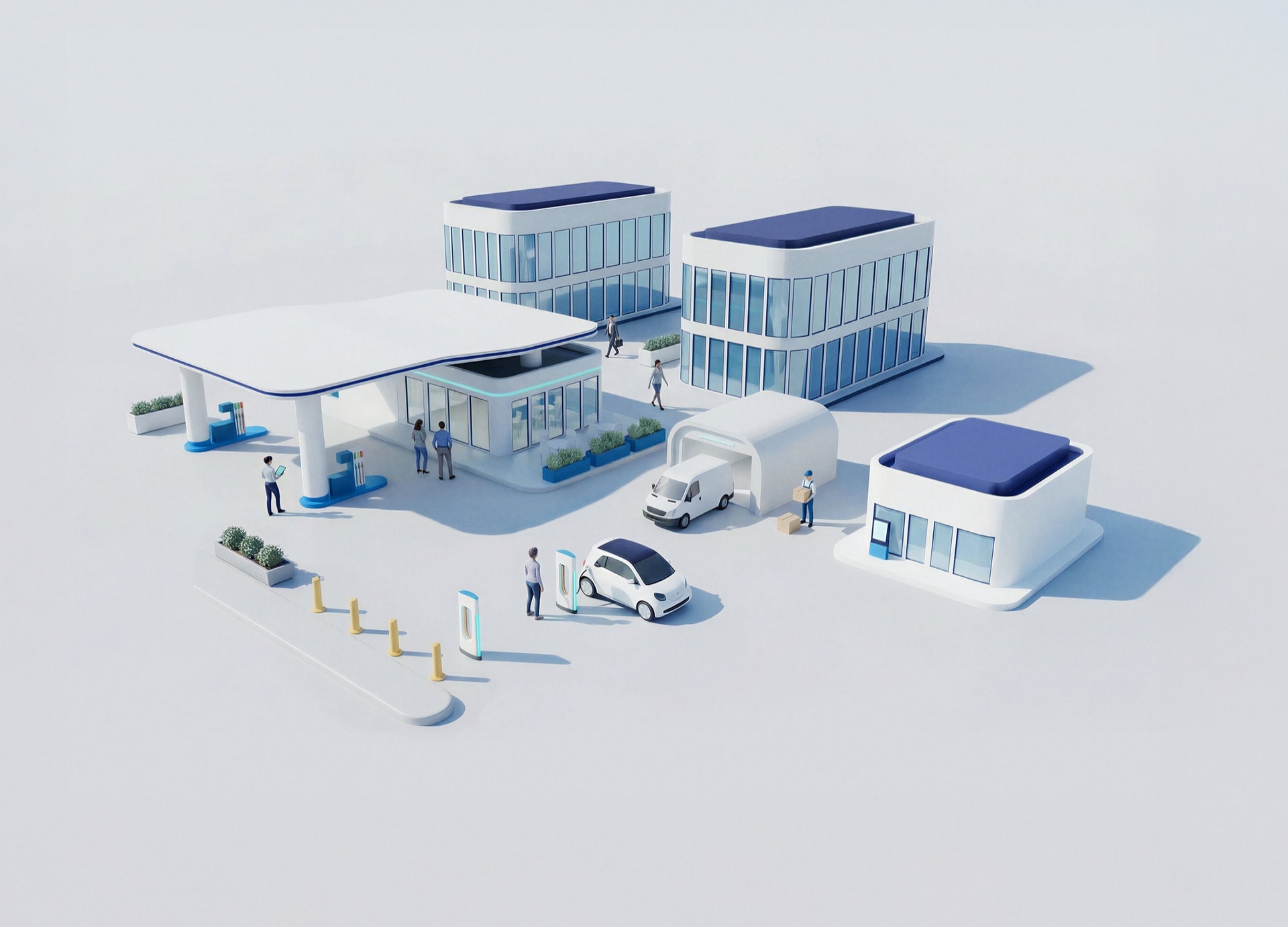
Station Studio
Redefining mobility hubs with digital innovation to create smarter, sustainable experiences for people and businesses on the move.
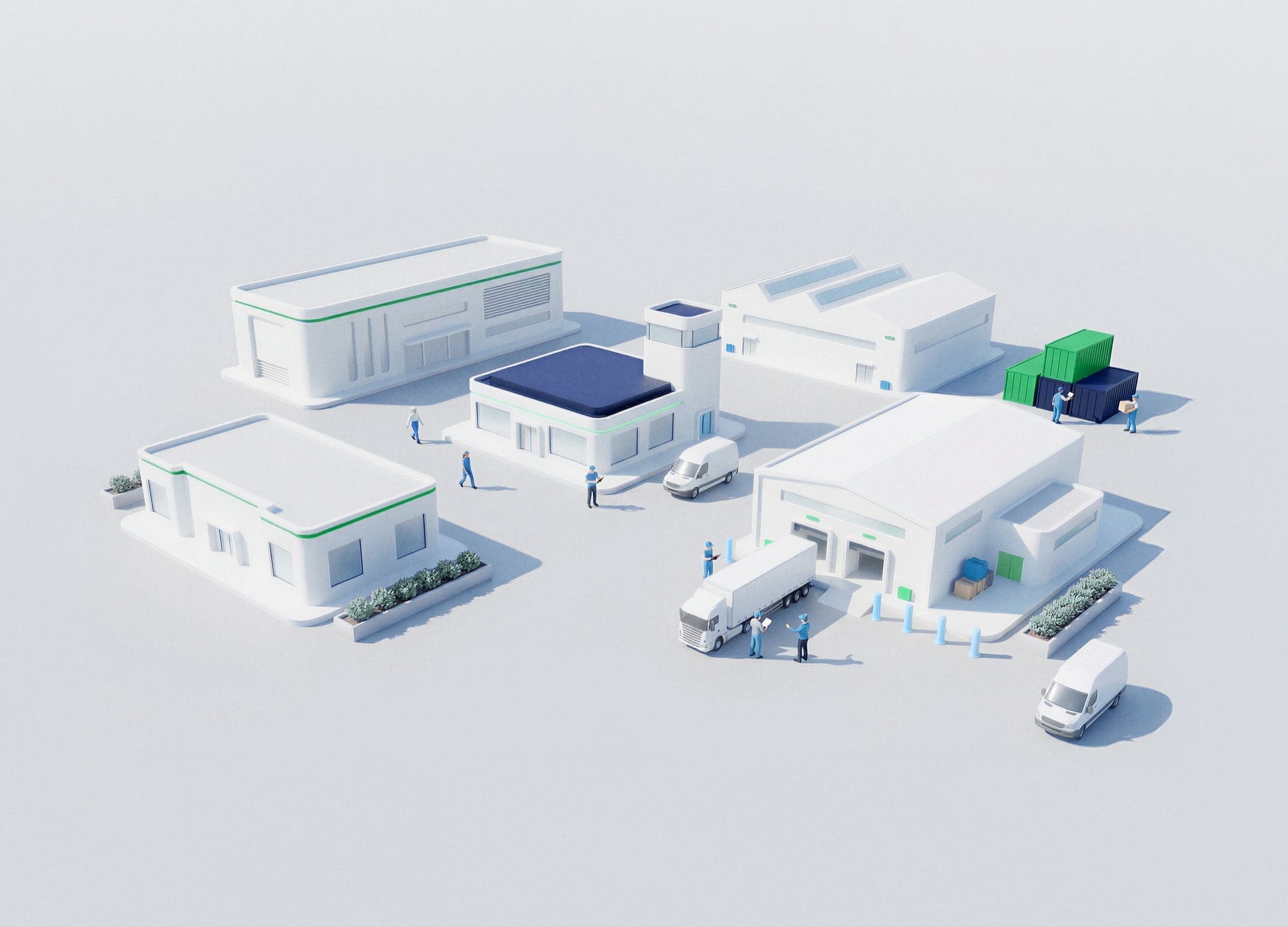
Supply Chain & Industry 5.0
Building resilient, intelligent supply networks that anticipate change and deliver efficiency with purpose.

Sustainability
Driving responsible innovation to help organizations achieve net-zero goals and create a positive impact for future generations.



Talks that move
Function-Oriented Systems Engineering
Managing automotive complexity through reusable, function-led architectures
Schedule a meeting
Listen podcast
-15
+15
0:00
/0:00
THE INDUSTRY CHALLENGE
Growing software, regulatory, and system complexity slows development and increases risk.
FUSE introduces a function-led approach that aligns requirements, architecture, and validation
By separating functions from components, OEMs accelerate reuse, ensure regulatory compliance, and reduce late-stage integration risk. This delivers engineering by function, not fragment—structure that scales with complexity.
How NTT DATA helps
01
FUSE transformation programs

02
ASPICE and UNECE alignment

03
Process, method, and tool design

04
Change and capability enablement
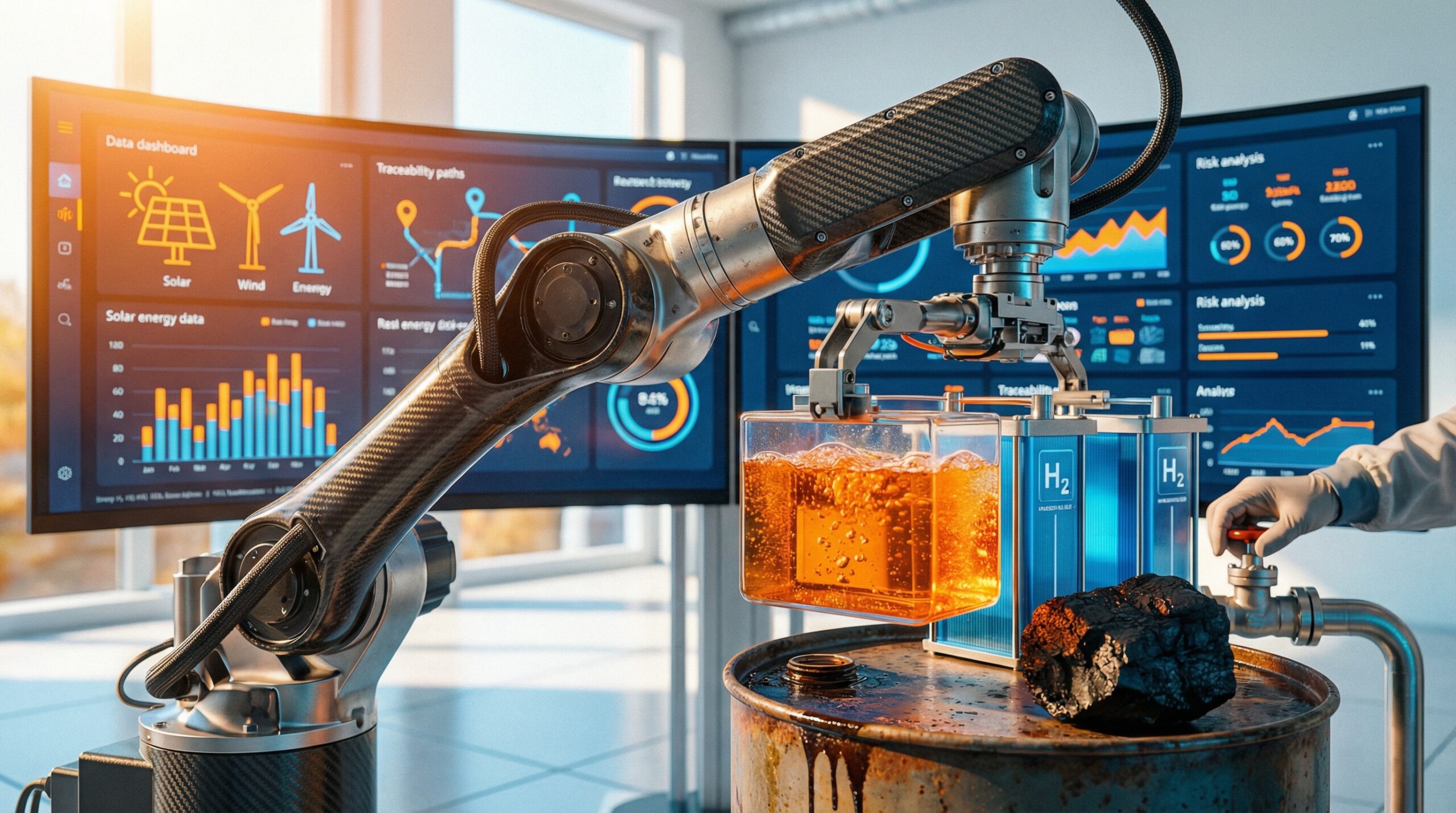
Key benefits

Improved traceability and compliance
Faster reuse across platforms
Organizational adoption
Toolchain alignment

Proven impact
Engineering control achieved
Results that matter
Automotive organizations achieve measurable improvements:
Development delays
Reduced
Reuse rate
Increased functions
Compliance findings
Fewer issues
Manage automotive complexity through function-oriented architectures. Master system complexity →
Talk about building resilient operations