- Commodity Management & Trading

- Customer & Marketing Strategy

- Digital Engineering

- Station Studio

- Supply Chain & Industry 5.0
- Sustainability

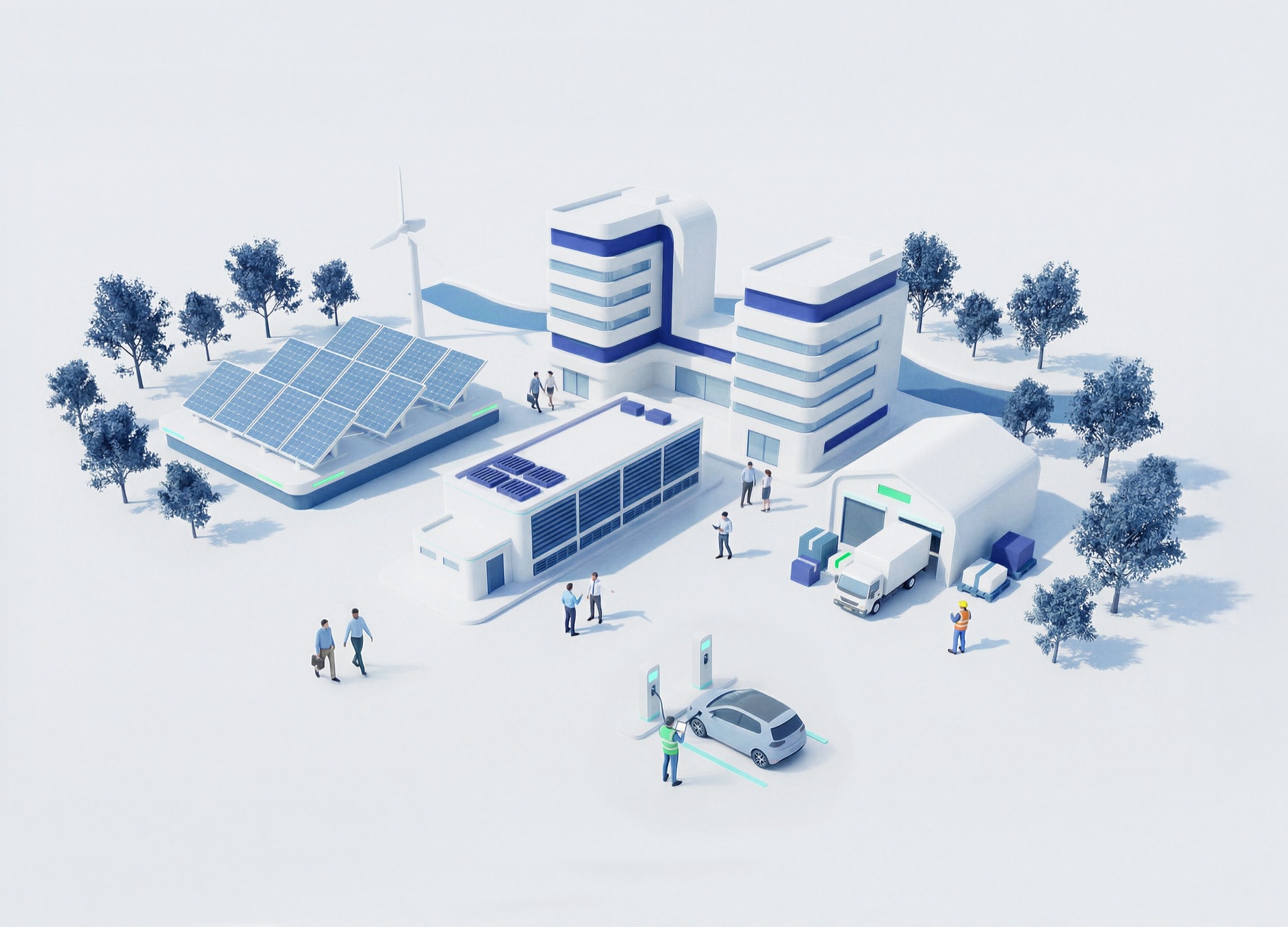



Bridging the gap between IT and OT
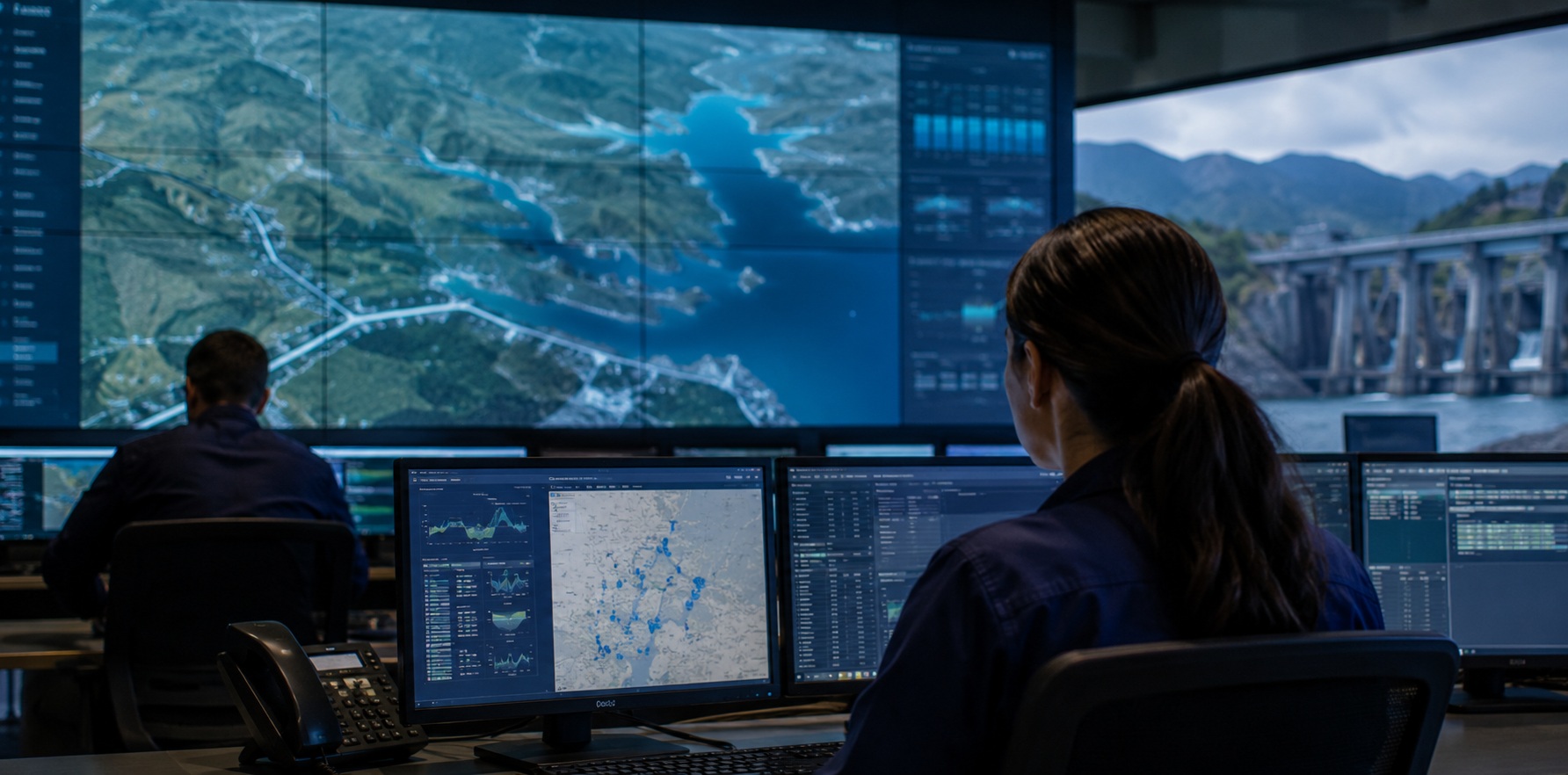
This delivers one digital nervous system—from field to boardroom—enabling data to flow seamlessly from networks, power plants, and substations to operational and business systems, creating real-time insights and automated responses across the entire grid.

IoT sensors and ADMS enable real-time monitoring, fault detection, and power rerouting, improving outage prevention and faster service restoration.
IT/OT convergence enables seamless data flow from devices to systems, providing real-time insights and automated responses that accelerate grid decision-making.
Secure IT/OT integration with robust governance and end-to-end monitoring protects grid operations and reduces cybersecurity risks.
IoT and edge architectures, combined with ADMS and SCADA, unify IT and OT systems into a single platform, improving interoperability and centralized grid management.
How NTT DATA helps
Defined IT/OT architectures integrate components, IoT connectivity, data layers, and microservices, enabling a unified and efficient grid operations platform.
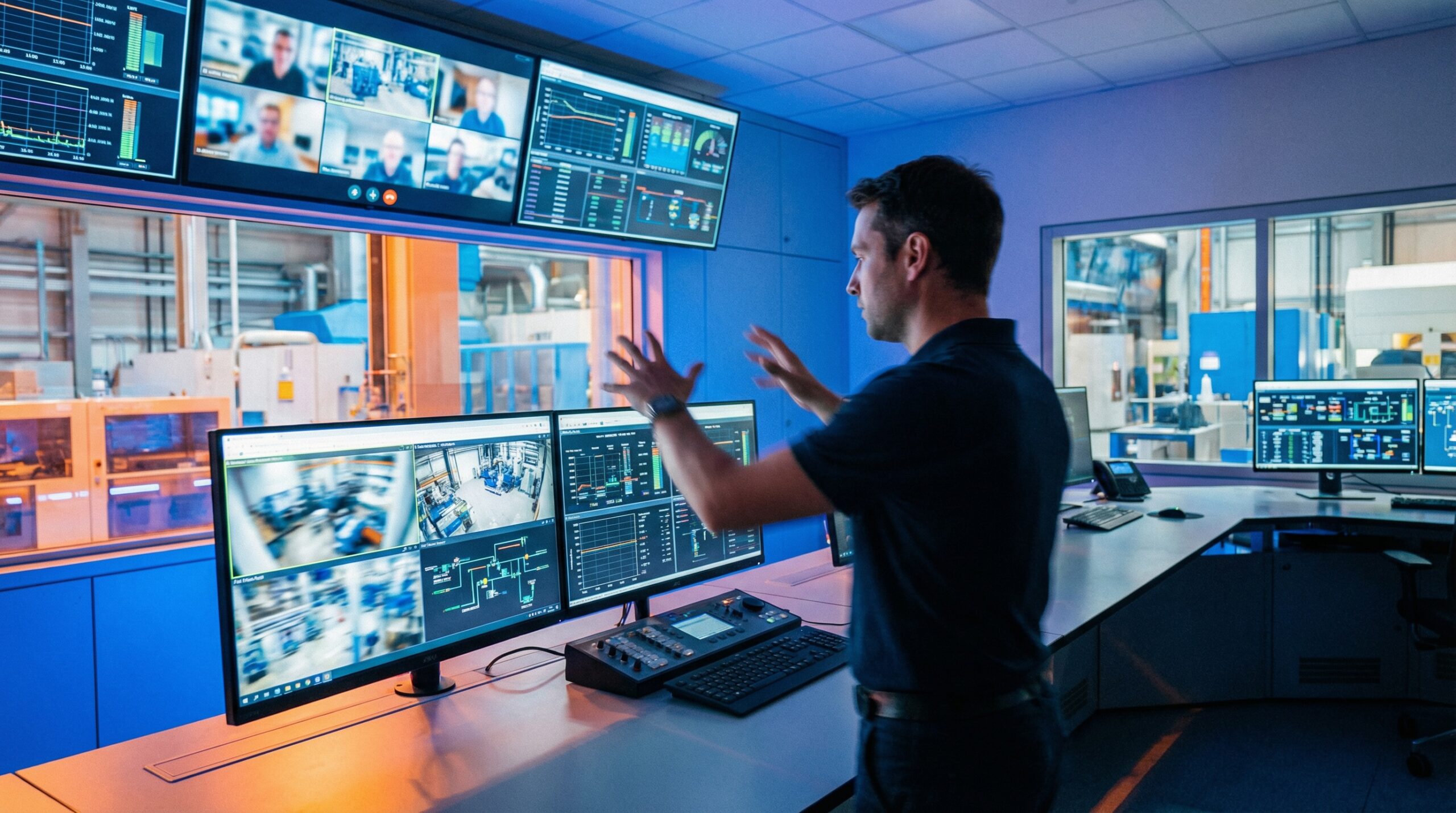
IoT architectures enable IT/OT convergence by connecting devices to platforms, using edge computing and secure protocols for real-time data and seamless integration.

ADMS and real-time systems enhance IT/OT capabilities, enabling unified control, fault detection, DER management, and optimized grid operations.

Cybersecurity governance and services ensure secure IT/OT convergence through end-to-end monitoring, secure protocols, and robust risk management.


NTT DATA enables gas and power transmission and distribution organizations to evolve toward a unified and autonomous data-driven ecosystem—breaking down the barriers between IT and OT systems to enable real-time grid control, predictive maintenance, and seamless integration of distributed energy resources.
Seamless data flow from field devices to systems enables real-time monitoring and faster, more efficient decision-making across the grid.
IT/OT convergence enables automation and autonomous control of grid assets, reducing manual effort and improving response times toward a data-driven grid.
Real-time fault detection, automated rerouting, and faster service restoration reduce outage impact and duration, improving grid reliability and quality of supply.
Unify grid intelligence