- Commodity Management & Trading

- Customer & Marketing Strategy

- Digital Engineering

- Station Studio

- Supply Chain & Industry 5.0
- Sustainability









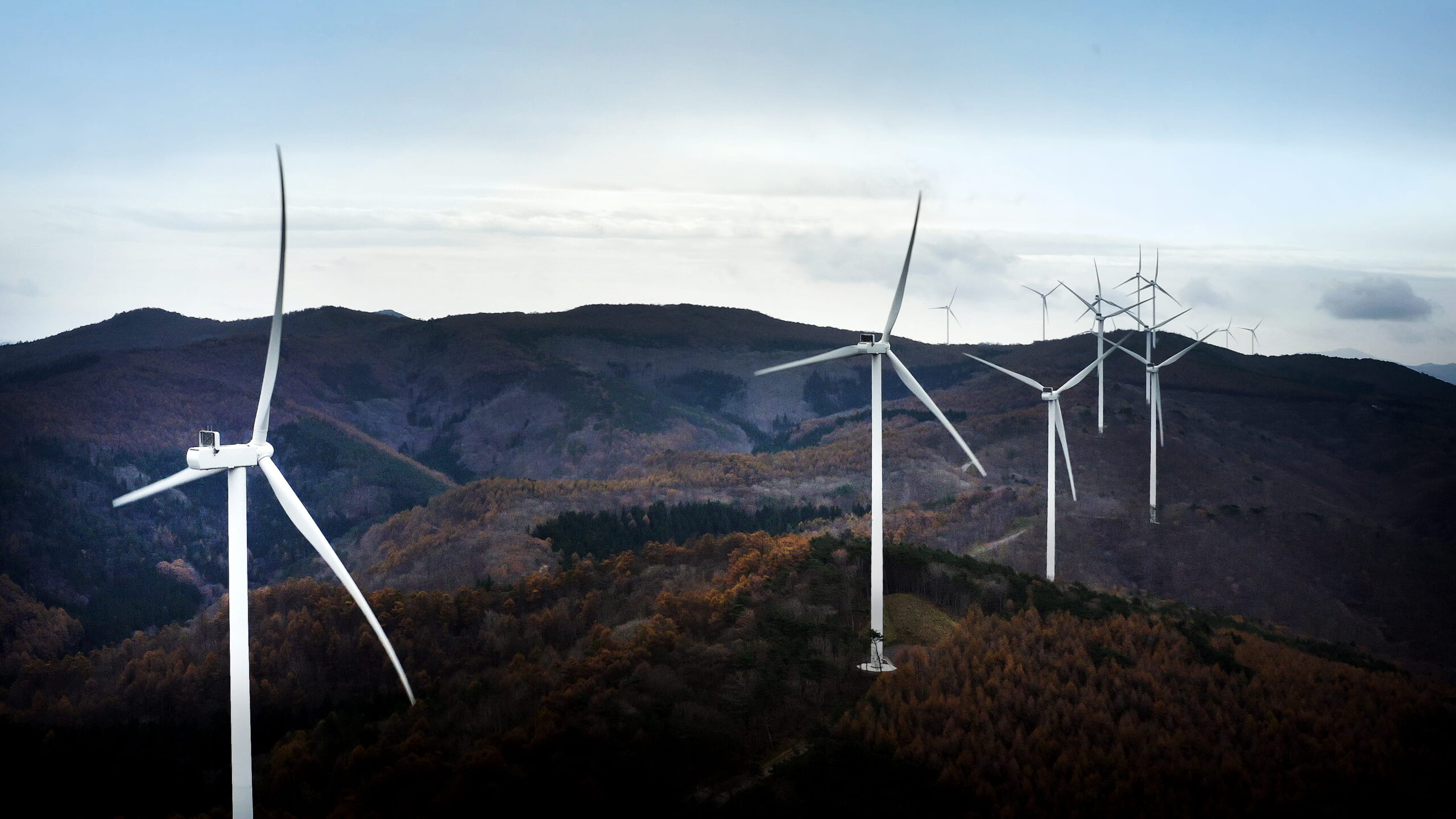
Identifying indirect risk signals in wind farm environments
Traditional monitoring identifies risks too late, limiting the ability to prevent collisions and increasing regulatory and operational exposure
The impact of unseen environmental change

Changes that influence bird behavior are not continuously monitored or detected early
Attractors such as water bodies or organic material are discovered after bird presence increases
Inspections are triggered after incidents or visible activity, reducing preventive effectiveness.
Unmanaged biodiversity risks can lead to restrictions, disruptions, and compliance challenges
How NTT DATA helps
Use multi-temporal satellite imagery to track evolving conditions within and around wind farms
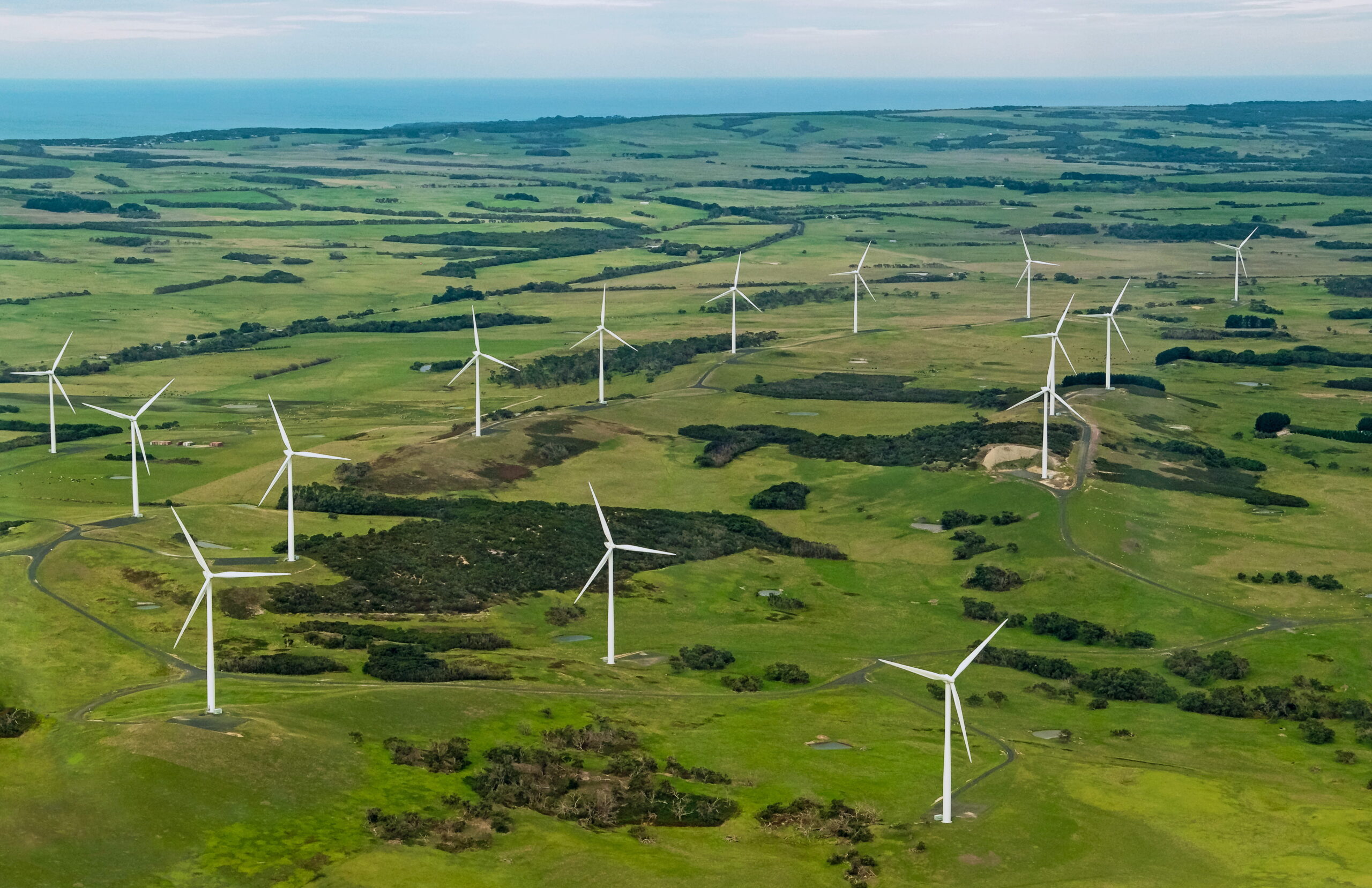
Identify carcasses, water bodies, and land use changes that may attract bird activity

Understand how environmental dynamics influence bird presence over time
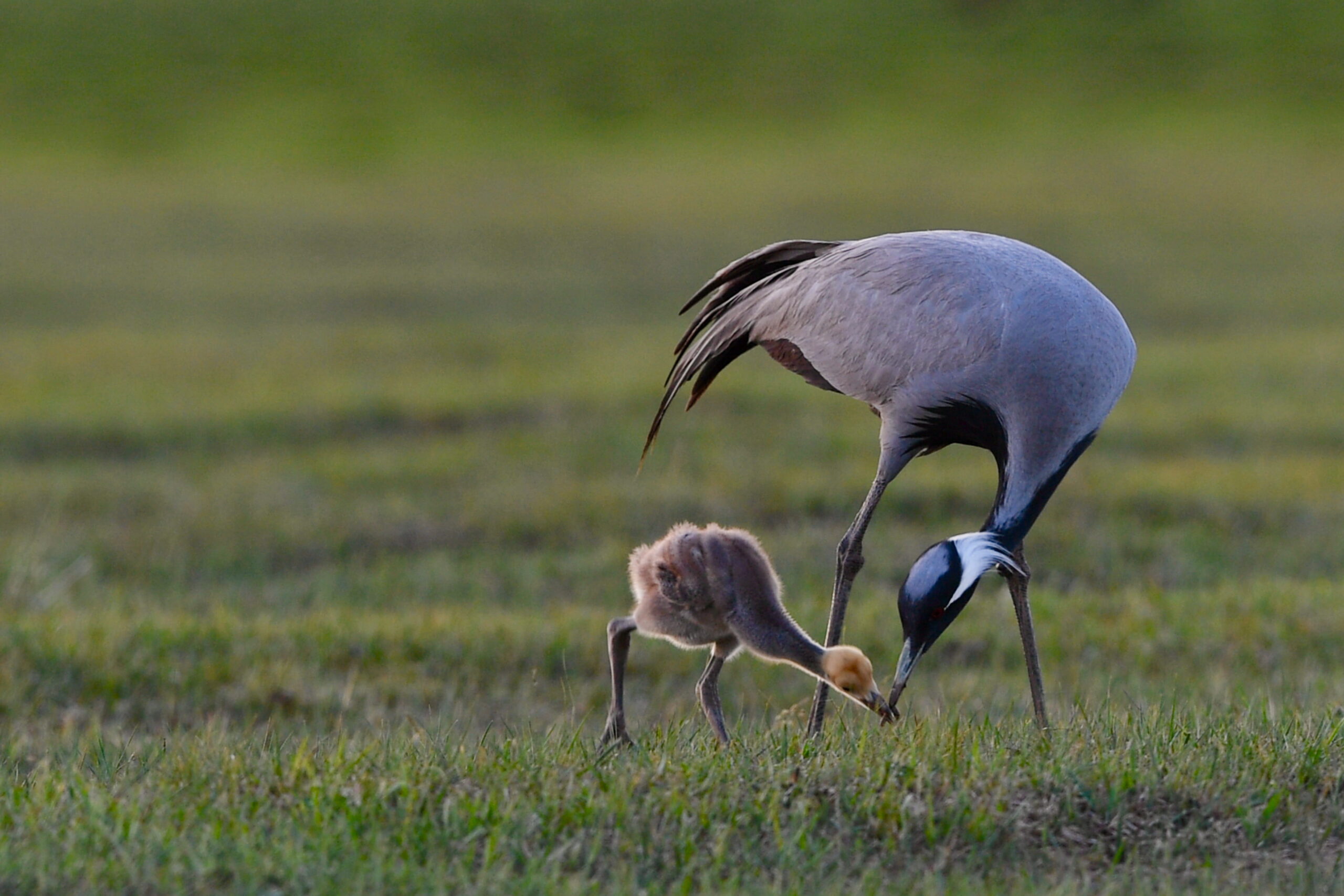
Enable focused inspections and preventive actions before risks escalate

Support proactive strategies to reduce collisions and regulatory exposure
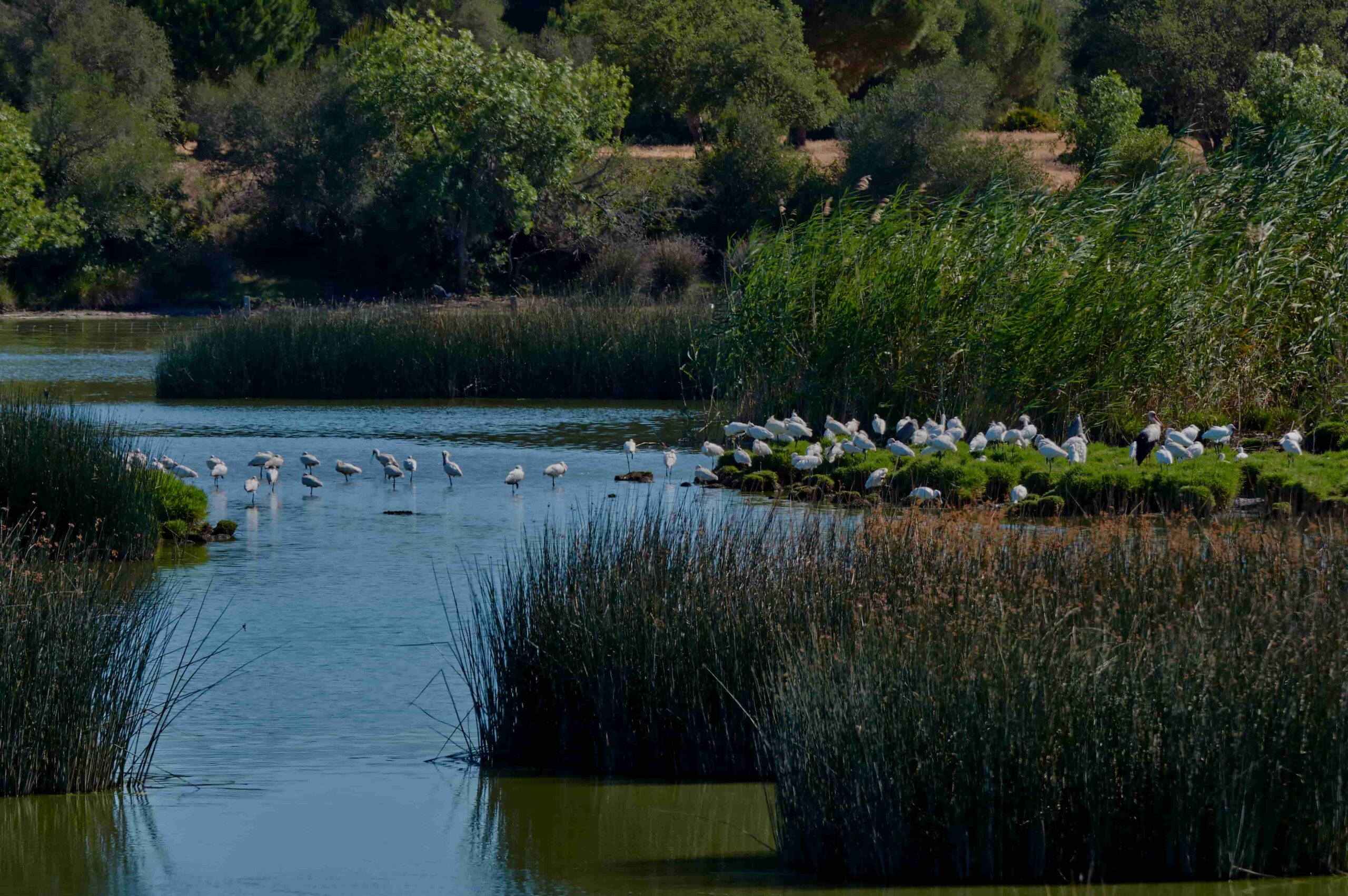

Early detection of environmental signals enhances the ability to anticipate collision risks
Targeted interventions reduce unnecessary inspections and improve efficiency
Proactive mitigation lowers the likelihood of incidents impacting operations
Improved monitoring supports adherence to biodiversity and environmental regulations
Prevent incidents and ensure compliance