- Commodity Management & Trading

- Customer & Marketing Strategy

- Digital Engineering

- Station Studio

- Supply Chain & Industry 5.0
- Sustainability





FLISR / Self-Healing Grid
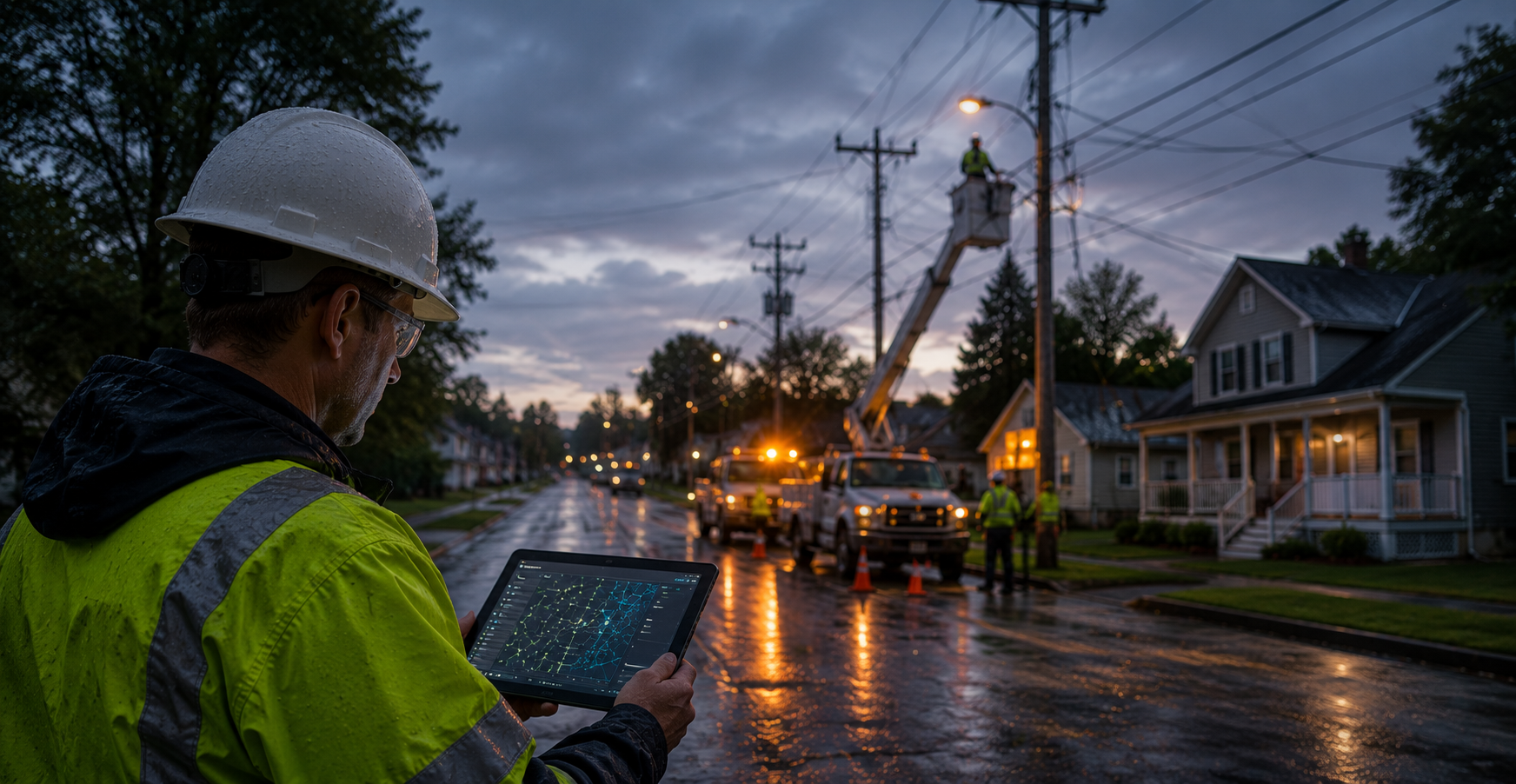
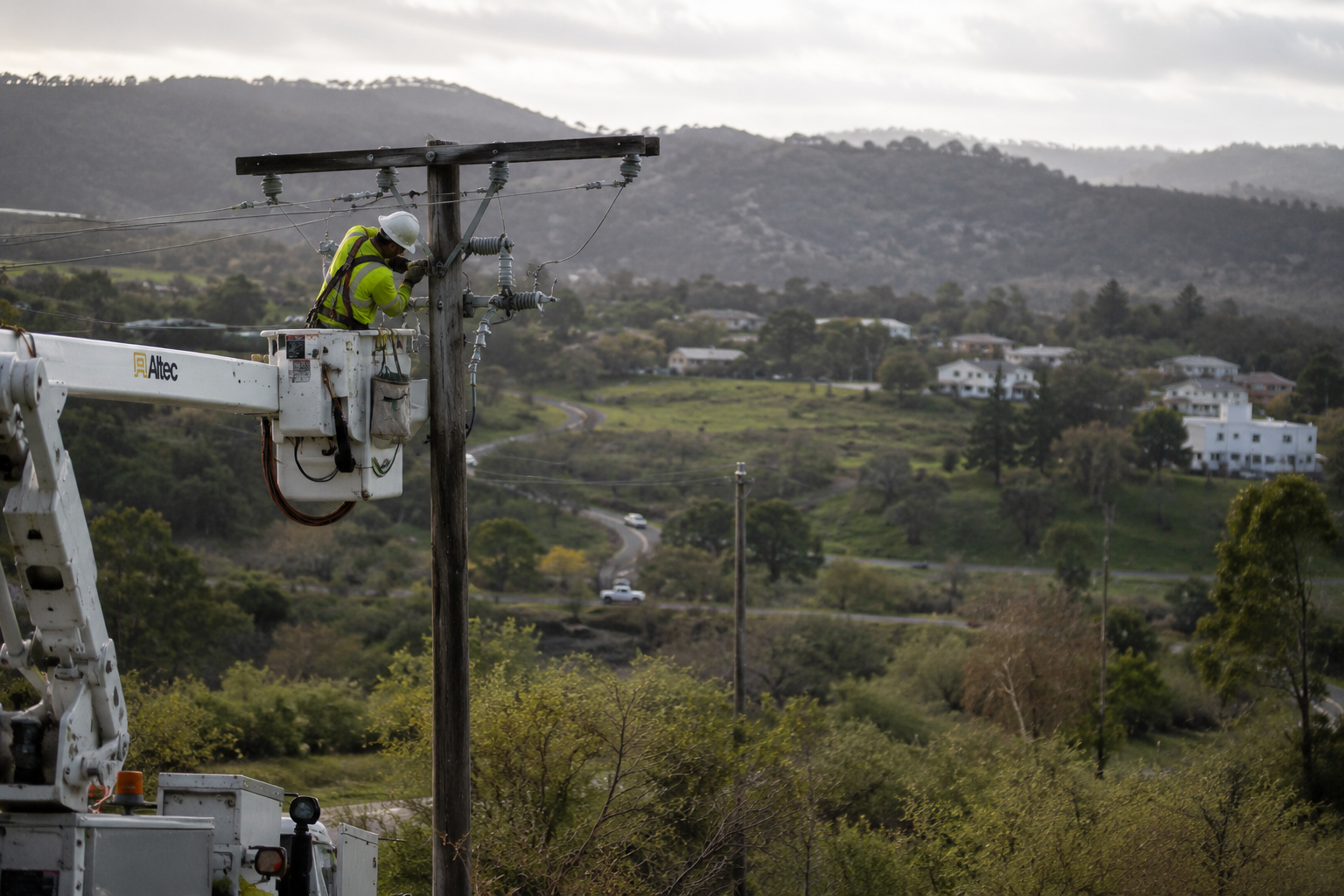
Traditional outage management depends on SCADA systems, operator intervention, and field crew dispatches — approaches built for simpler grids with fewer connected assets. Today, renewable generation, distributed energy resources, electric vehicles, decentralized systems, and extreme weather are making distribution networks more dynamic and harder to restore manually. The challenge is no longer simply detecting faults — it is restoring service faster while minimizing affected customers and reducing operational intervention
FLISR automates fault location, isolation, and service restoration — turning outage management from a reactive process into an increasingly autonomous operational capability

Intelligent devices, analytics, and automation identify network disturbances faster and with greater precision
Automated switches and reclosers help separate affected sections from healthy parts of the grid
FLISR enables service restoration to unaffected customers without waiting for full manual intervention
Field assets, substations, and control systems exchange operational data to improve outage response performance
How NTT DATA helps
NTT DATA helps utilities identify where FLISR can deliver the strongest impact across reliability, resilience, cost, and customer experience
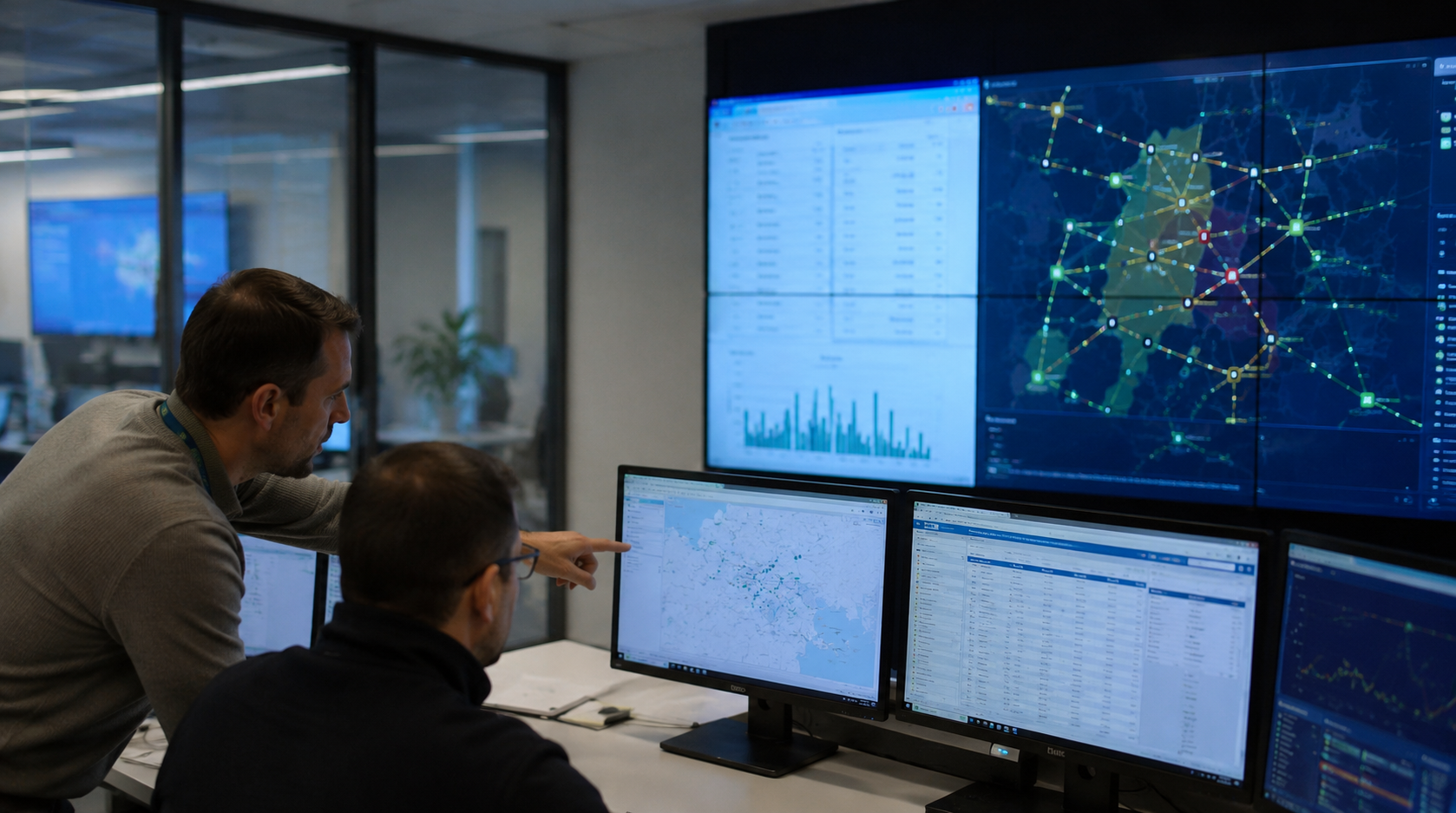
We help integrate intelligent electronic devices, automated switches, reclosers, DMS, ADMS, edge platforms, analytics, and communications networks
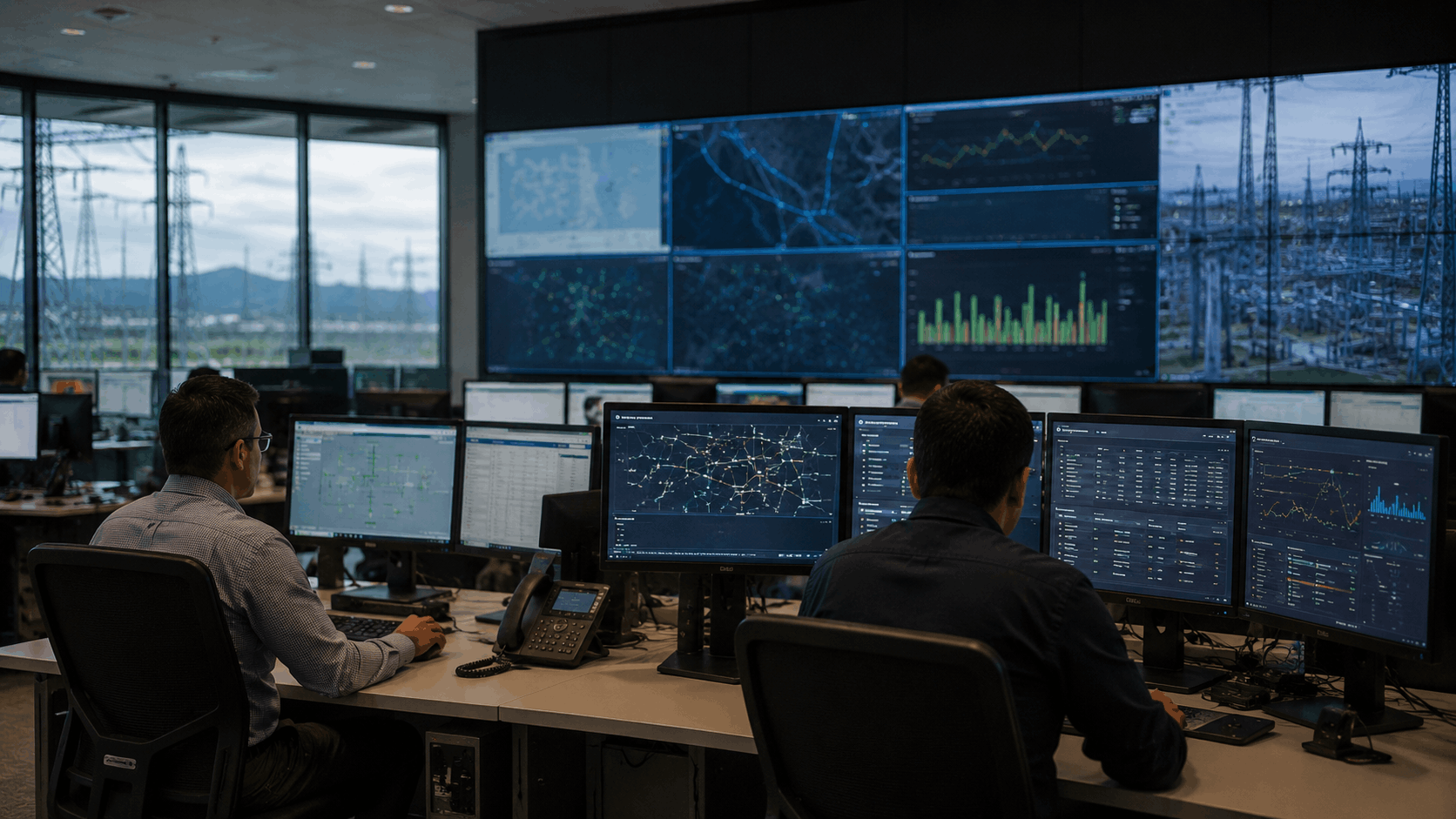
Private LTE and 5G architectures support faster exchange of fault and switching information across large utility service territories
Edge computing and secure operational technology connectivity help field assets support faster local decisions during network disturbances

We don’t automate outage response in isolation. We align field devices, control systems, communication performance, and operating procedures around trusted restoration
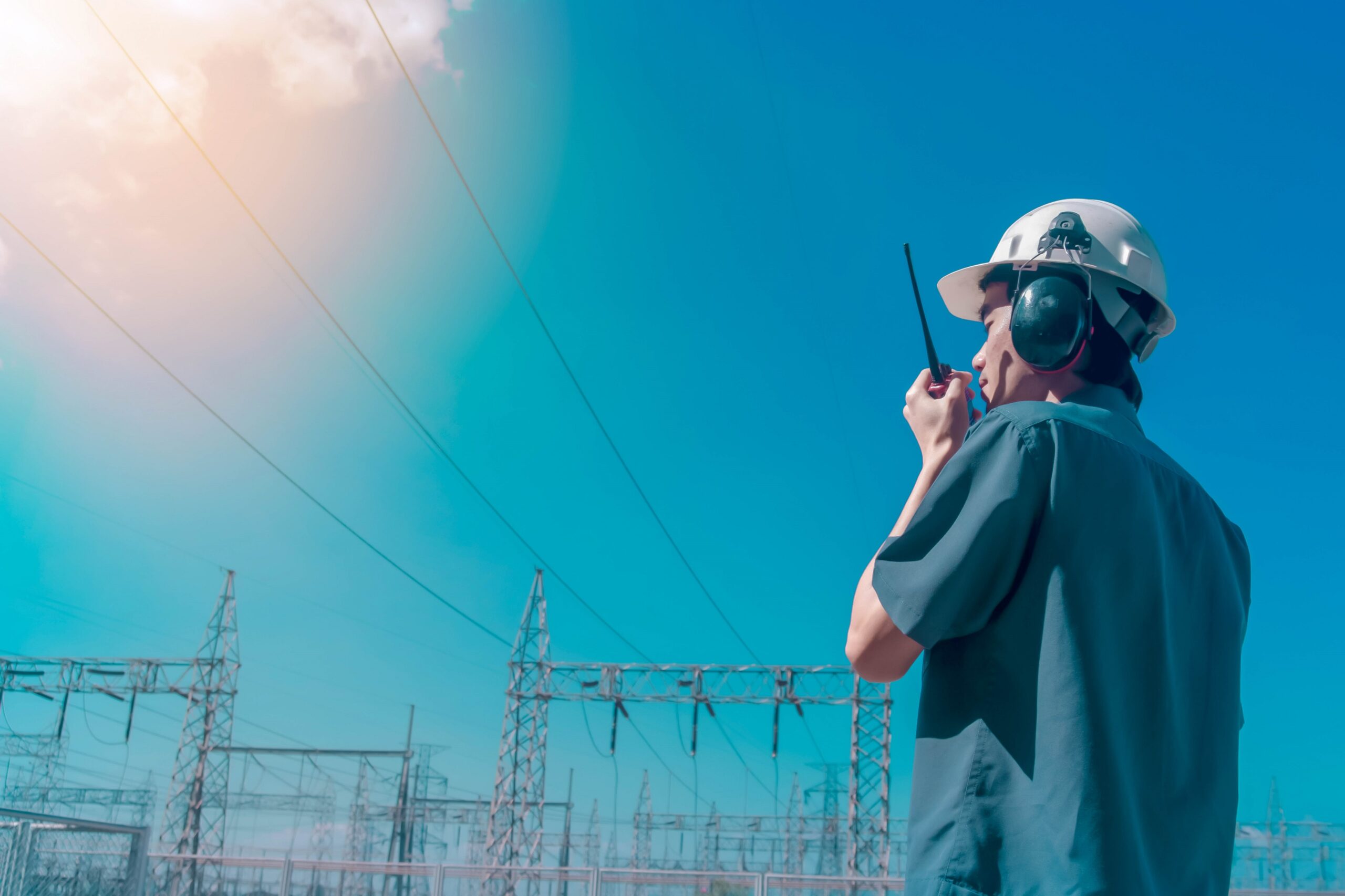
SAIDI: 20–50% reduction
SAIFI: 15–40% reduction and Customers Affected per Incident: 30–70% reduction
MTTR: 30–60% reduction and Restoration Time: 30–70% improvement
Field Dispatches / Truck Rolls: 20–50% reduction and Outage Management Costs: 15–40% reduction
Scale self-healing grid operations with confidence