- Commodity Management & Trading

- Customer & Marketing Strategy

- Digital Engineering

- Station Studio

- Supply Chain & Industry 5.0
- Sustainability






Autonomous Visual Inspection and Asset Monitoring
Manual inspection is reaching its limits.
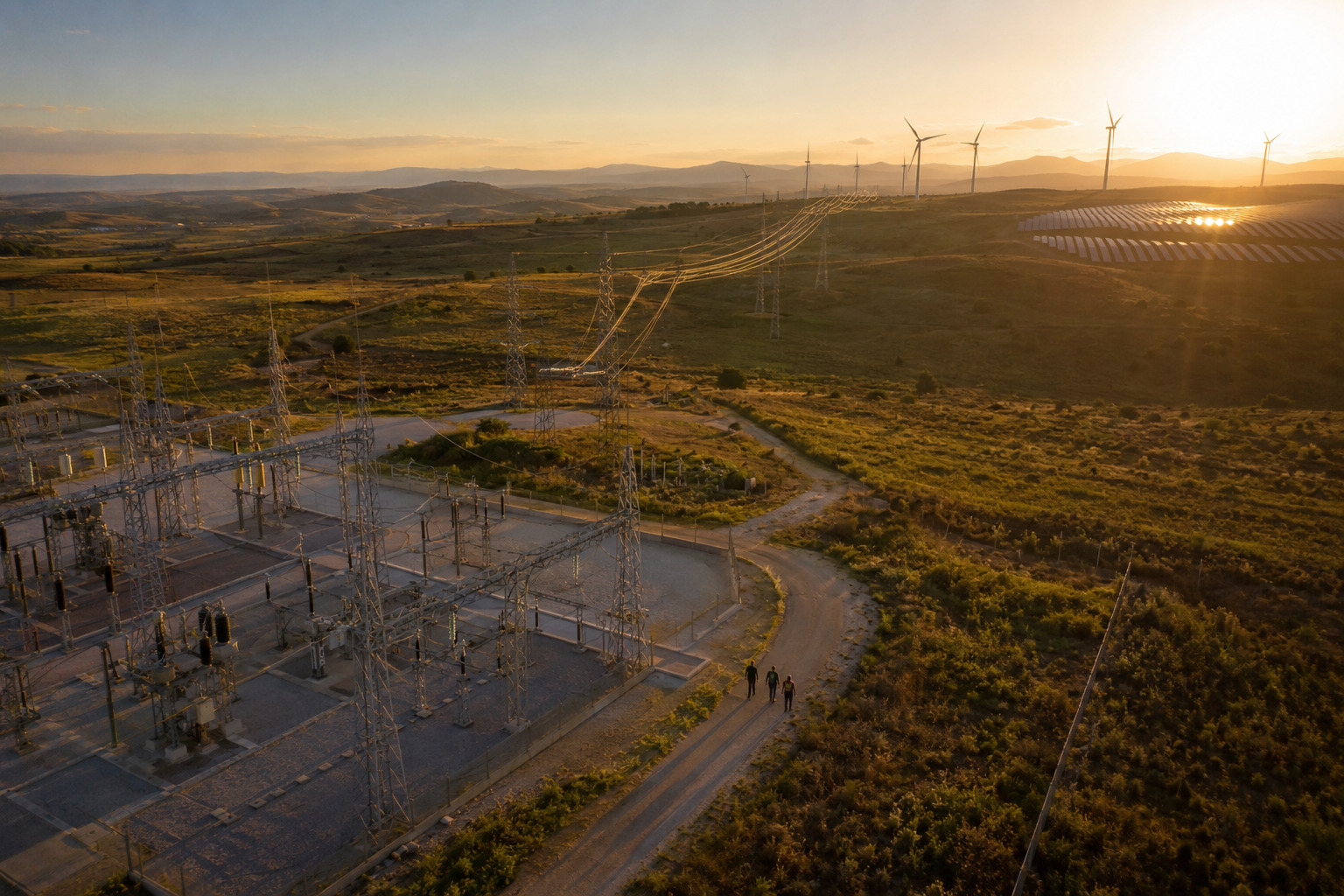
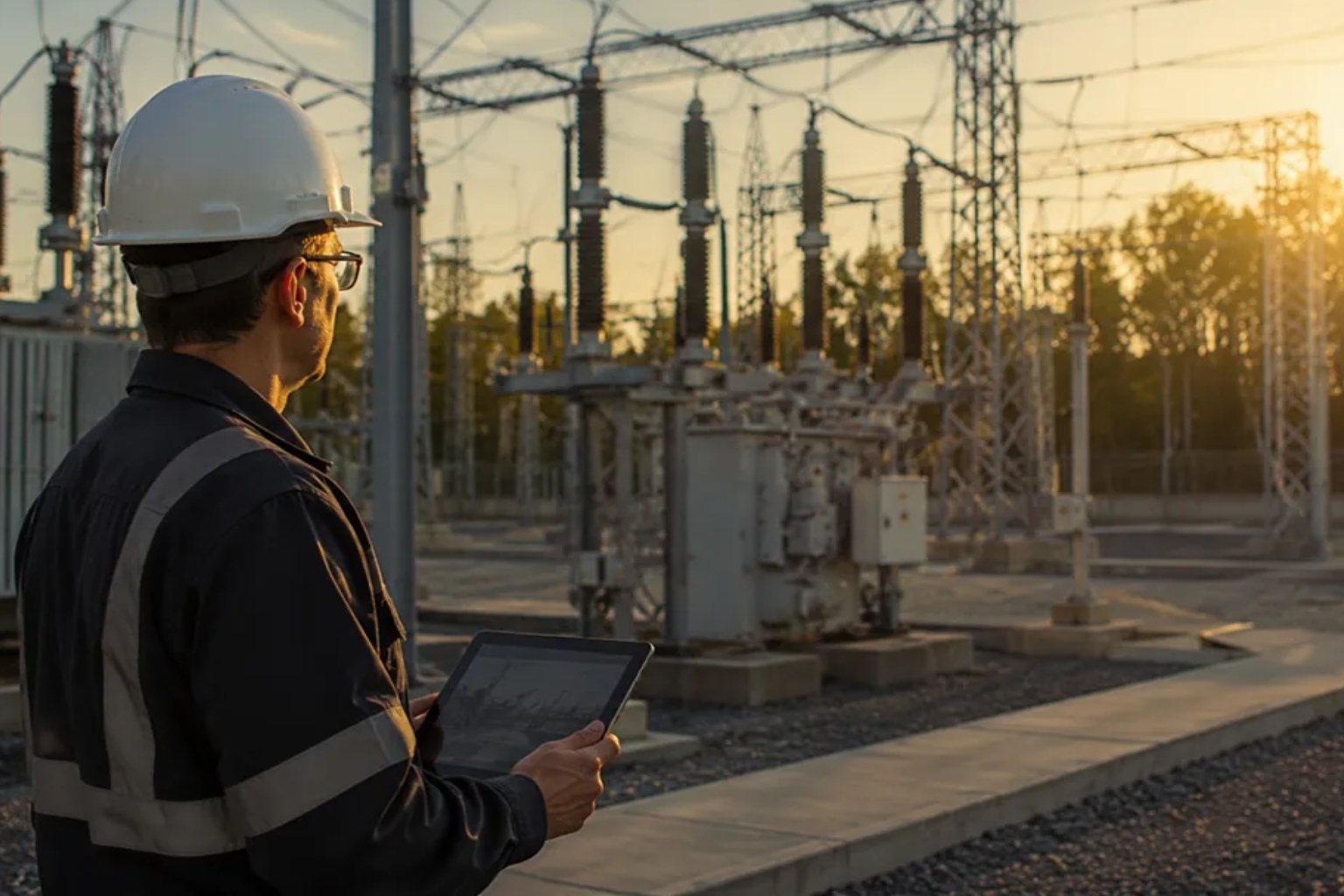
High-voltage substations are critical to uninterrupted power supply, yet traditional checks are time-consuming and risky for field teams. Uneven terrain and energized equipment make routine monitoring harder when accuracy matters most.

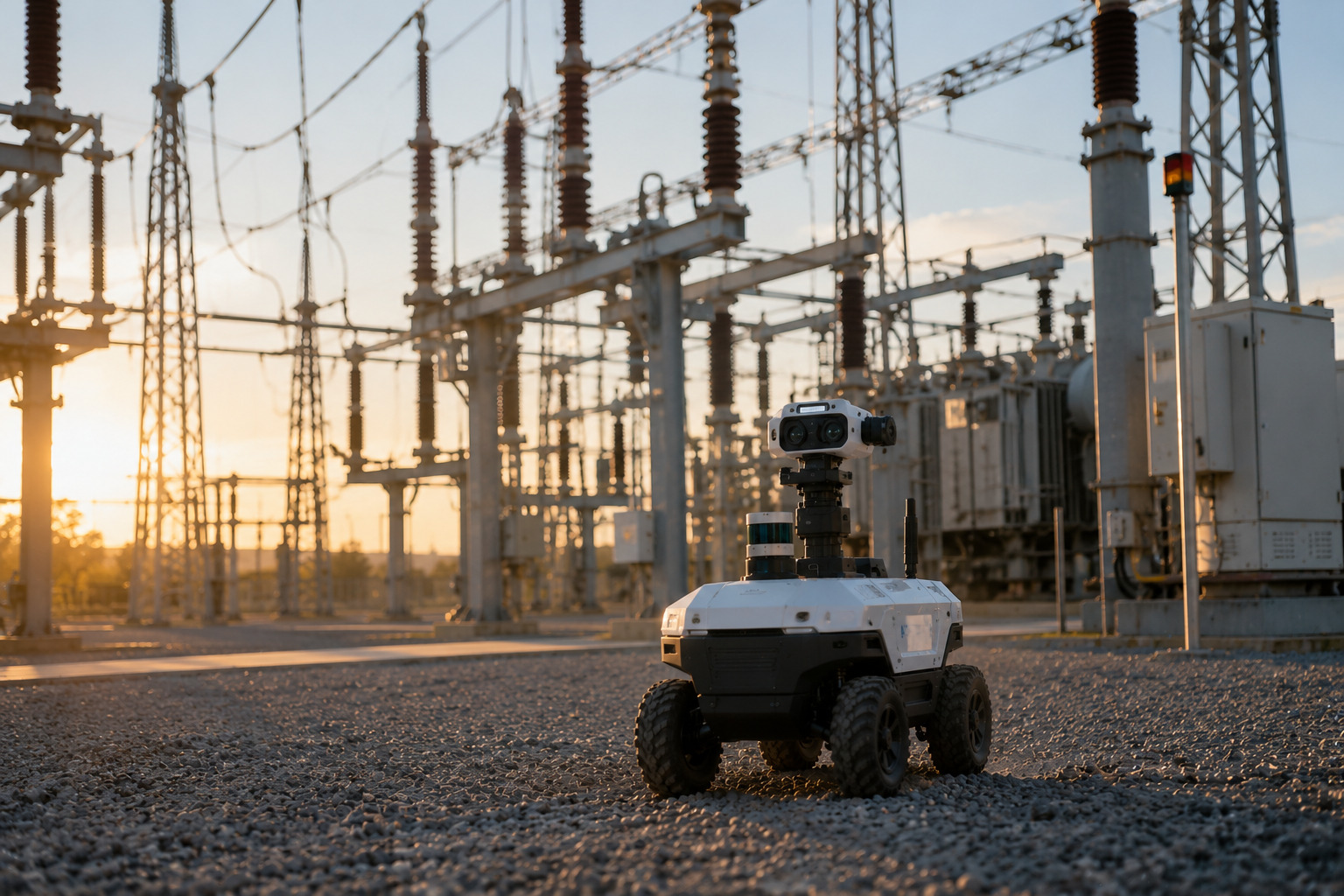
Reduce exposure by using autonomous systems for routine checks in high-voltage environments.
Combine visual imaging, 3D mapping, thermal sensing and partial-discharge detection for richer asset insight.
Move across uneven terrain, obstacles and mixed surfaces to reach relevant inspection points autonomously.
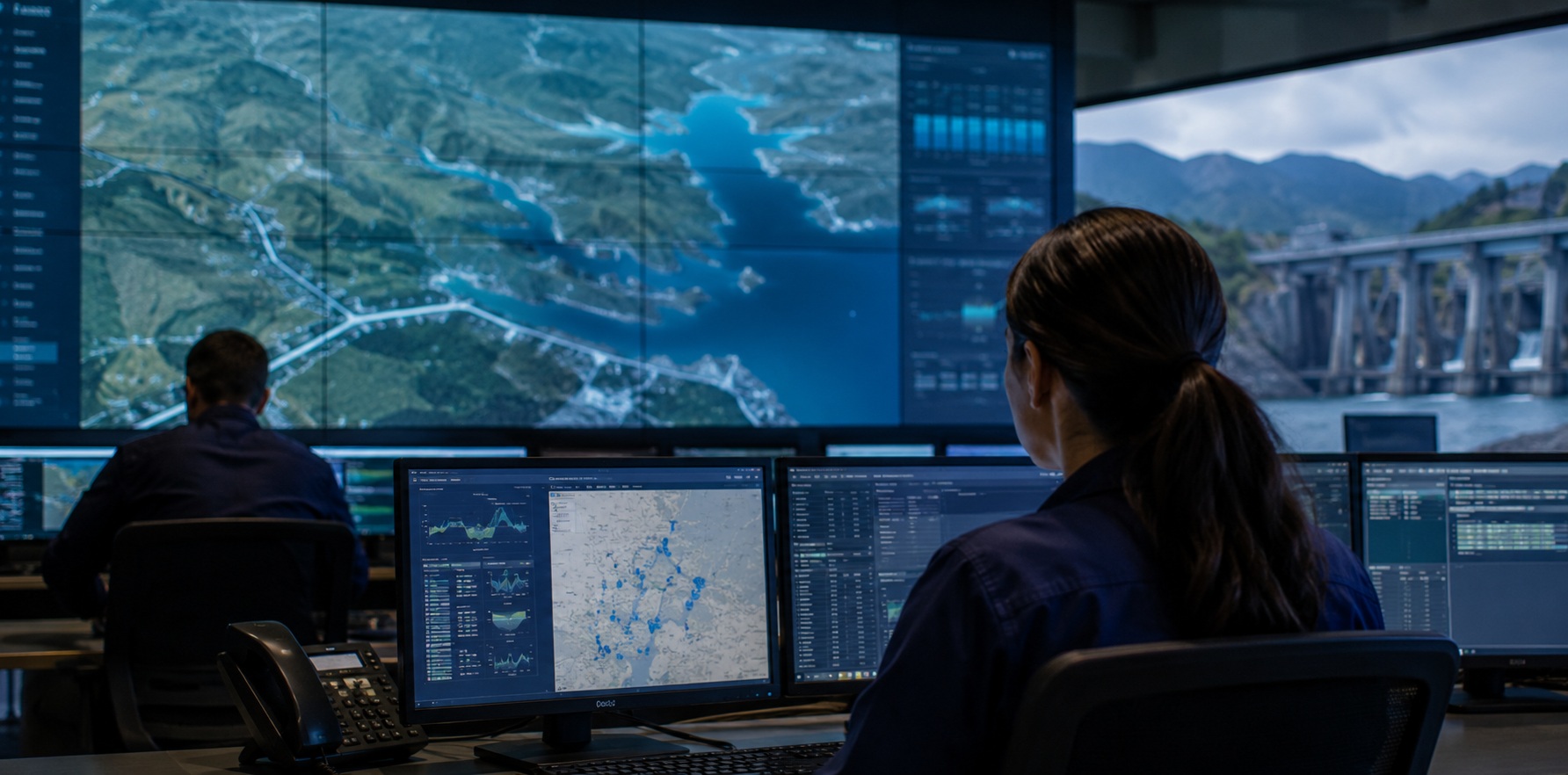
Send alarms to the control room so teams can verify remotely and dispatch crews only when necessary.
How NTT DATA helps
Robotics is mapped to where it adds the most value across substations, from recurring visual checks to anomaly-driven maintenance.
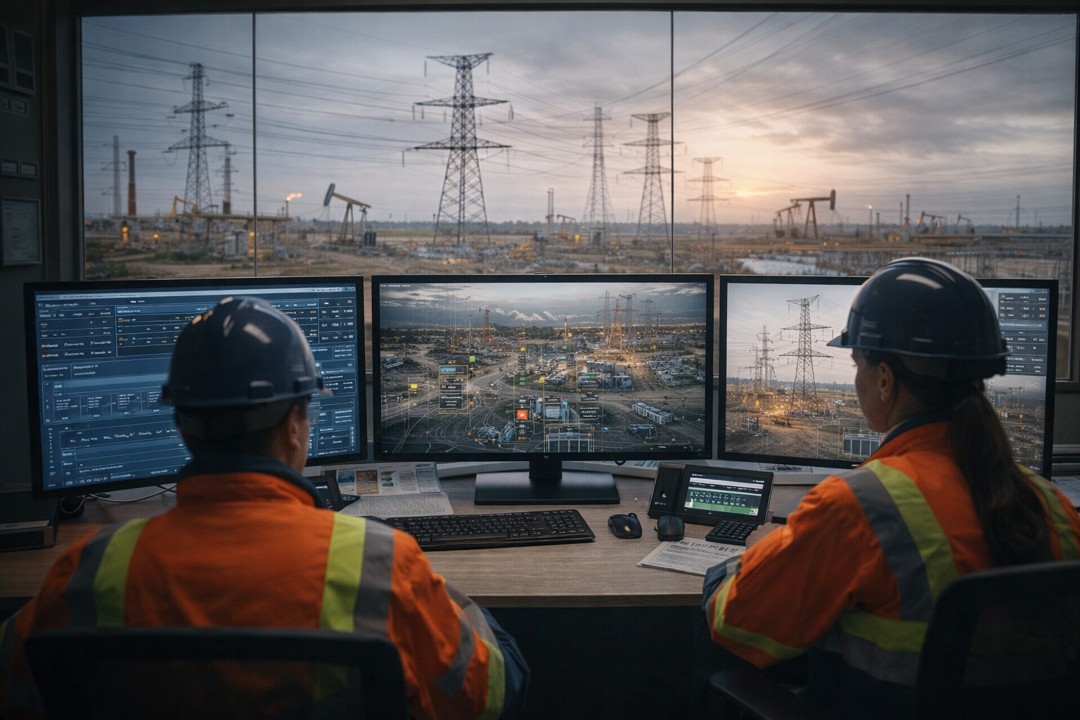
Inspection capabilities are built around visual cameras, 3D mapping, thermal imaging, and electrical anomaly detection.

Operational teams keep control, with real-time robot data, remote verification, and teleoperation available when needed.

Alerts, inspection data, and remote checks connect into existing operational processes so anomalies become actionable decisions.
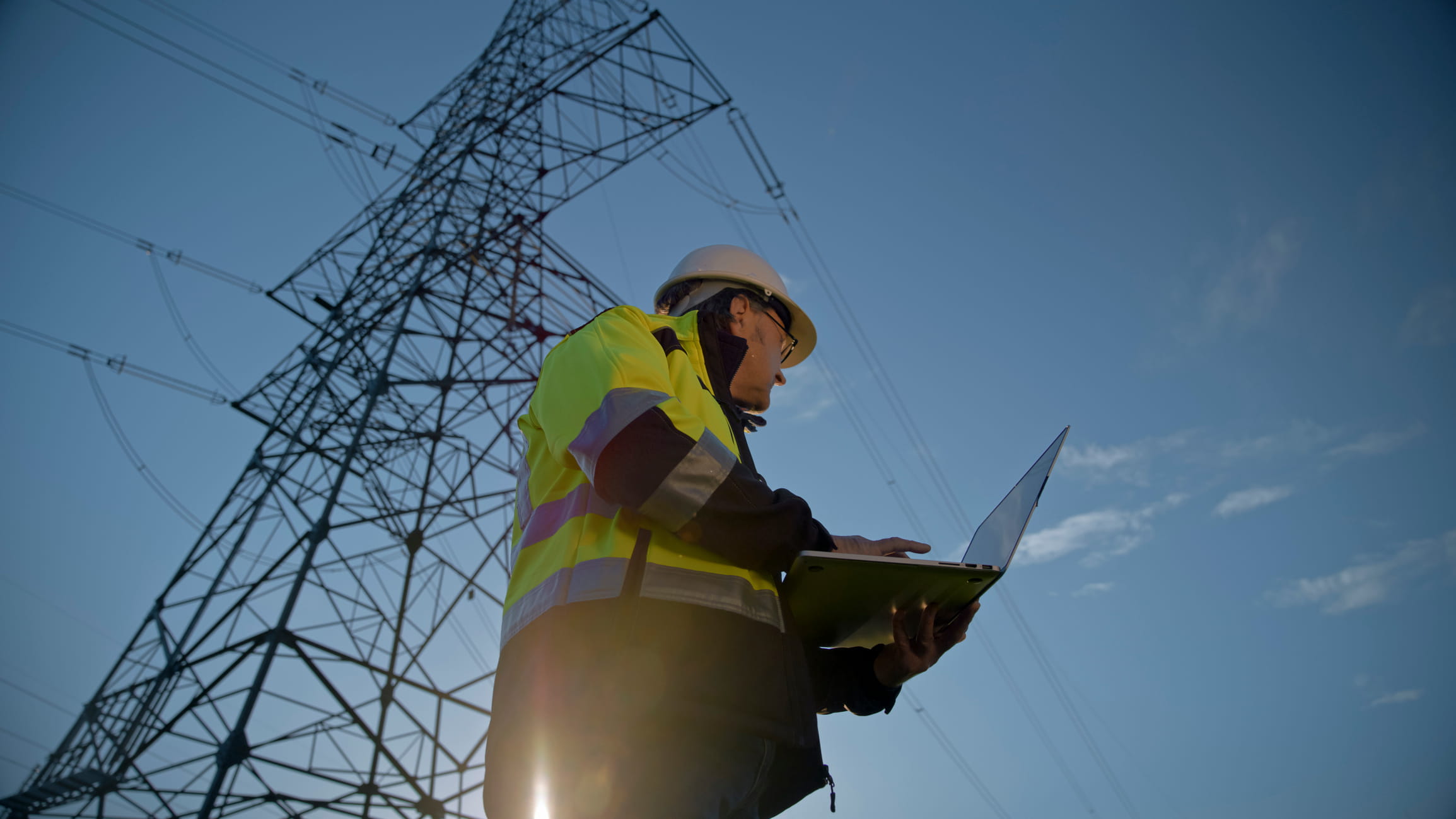
The solution industrializes so new sensors, routes, and inspection needs can be added as the operating model matures.

Smarter substation maintenance follows when anomalies surface before they become operational risk.
Shift routine inspection tasks away from manual checks in energized or difficult-to-access areas.
Enable immediate alerts and remote verification when potential issues are detected.
Standardize routes, sensing and data capture across recurring substation monitoring activities.
Send operational teams only when remote inspection confirms that intervention is needed.
Shape the conversation that deploys autonomous monitoring where safety and reliability matter most.