- All Foundries

- 商品管理と取引

- 顧客とマーケティング戦略

- デジタルエンジニアリング

- ステーション・スタジオ

- サプライチェーン&インダストリー5.0
- サステナビリティ

- Physical AI

- Next-Gen Infrastructure





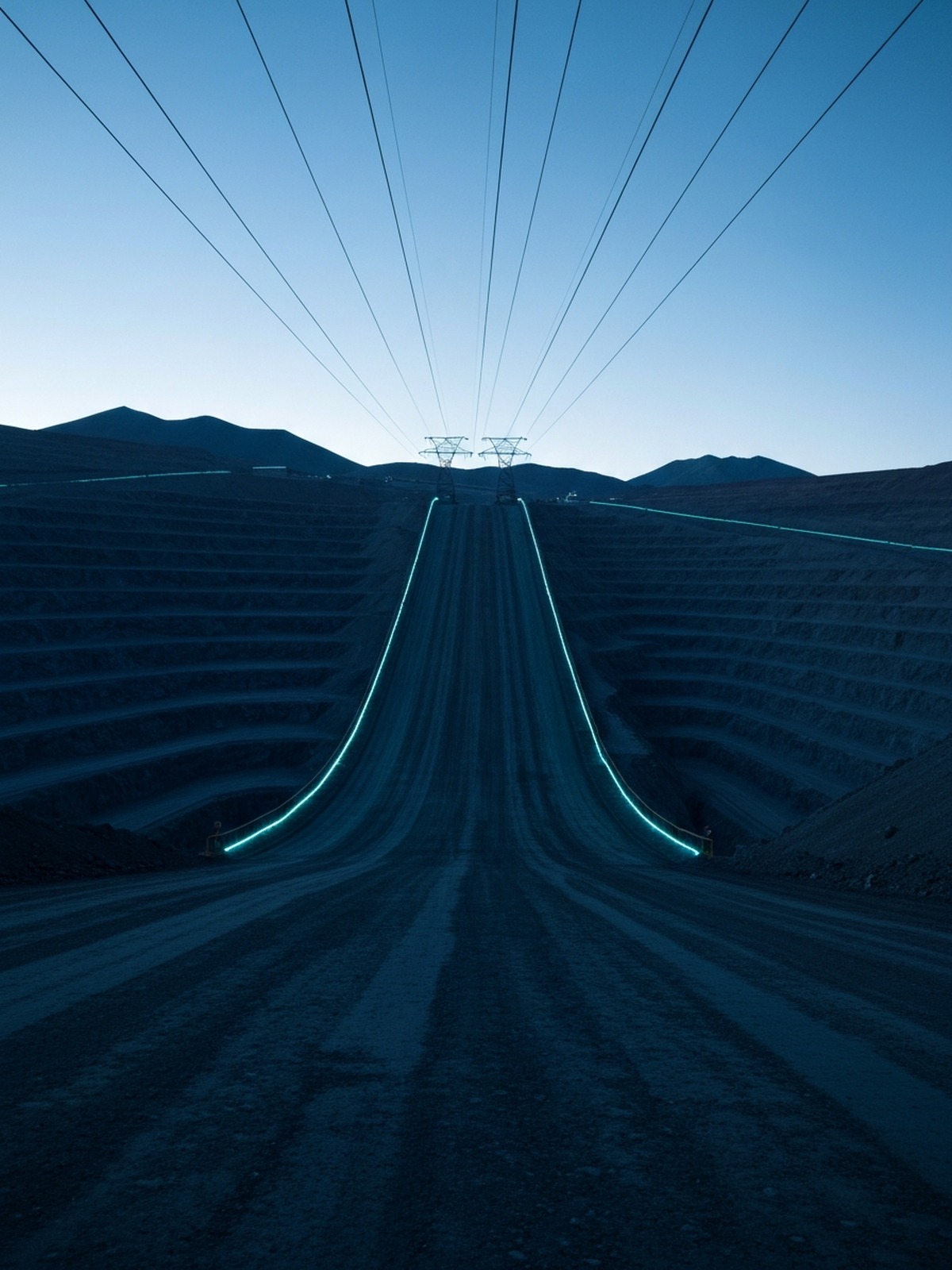
Beyond productivity – Mining Haulage
In Chilean open-pit copper mining, loading and haulage consume close to 75% of the energy of the extraction process — and the decision that moves that consumption most, each truck’s speed profile on every cycle, is made by a system that does not look at energy. FMS and AHS optimize cycle time and throughput; energy lives in another lane. That silo produces a local optimum with a hidden cost, and it gets paid where physics is least forgiving: on the ramps, where energy is non-linear in payload, grade and environment. This deep dive presents a closed-loop operational digital twin that puts energy inside the decision in real time: in calibrated physics simulation, it delivered 6.4% less energy per tonne while conceding just 1.8% of cycle time — and cut cycle variability and drivetrain thermal-stress events along the way. With its limits in plain sight: it is not yet field-validated, and the paper says so without spin

Why conventional dispatch over-prioritizes throughput exactly where the energy penalty spikes — and the difference in kind between the digital twin that displays and the one that decides.
The simulated evidence, metric by metric (energy, cycle time, variability, thermal stress), and where the gain yields on purpose to protect the asset
The context that makes it urgent: trolley assist operating at Collahuasi, Chile’s Law 21.305 and CMF Rule 461, Antofagasta Minerals’ 2035 target — and what to demand before signing a “fleet optimization” project, including the friction that almost never appears in the proposal: the vendor’s dispatch API
Operations, energy and maintenance managers, mine planners and owners of FMS/AHS systems at high-altitude copper operations in LATAM and beyond